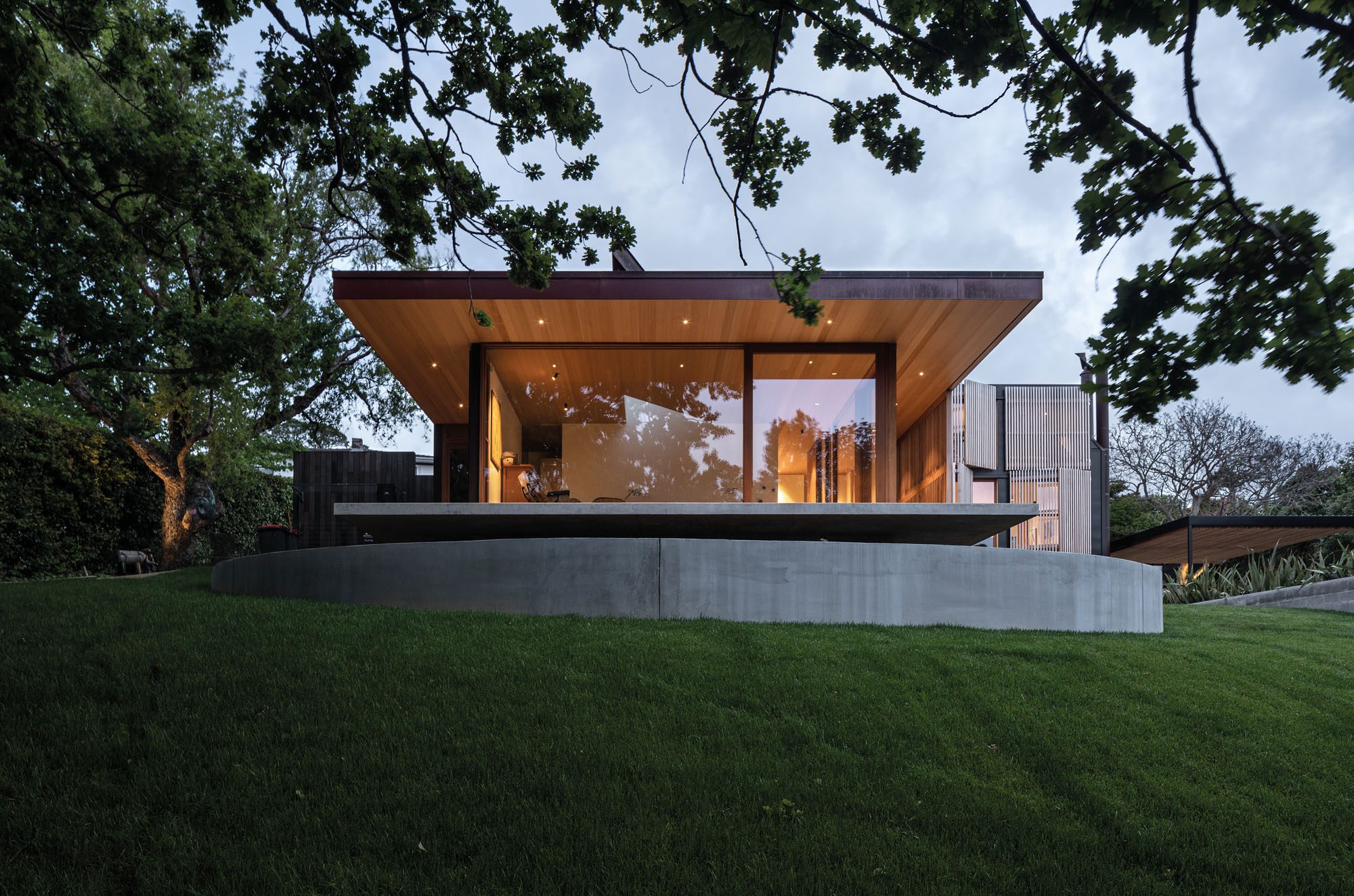

Having found a generous plot of land in Remuera, Auckland architect and owner Paul Clarke of Studio2 Architects set out to design a ‘forever home’ — one that paid homage to the past while embracing the present and preparing for the future.
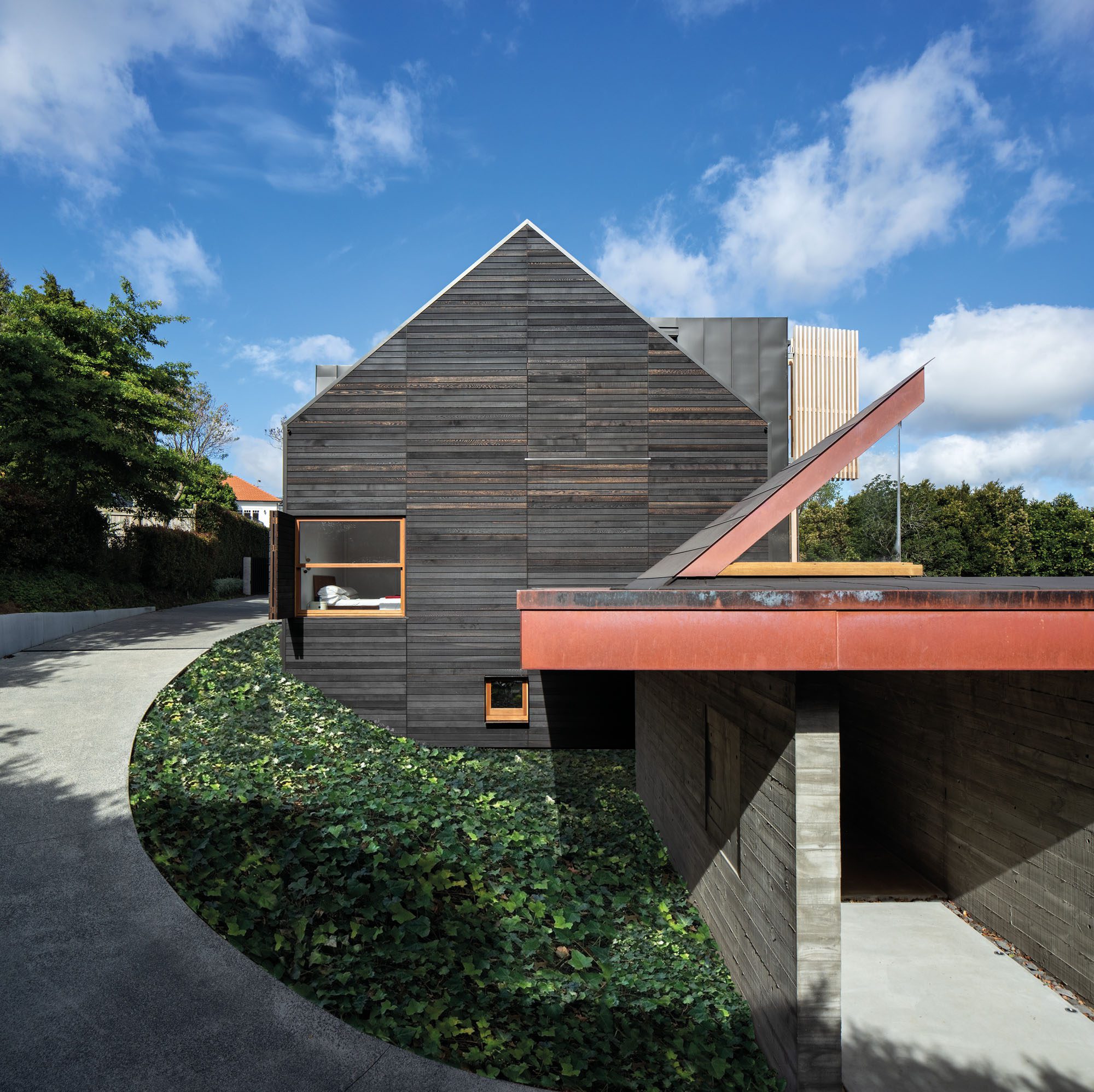
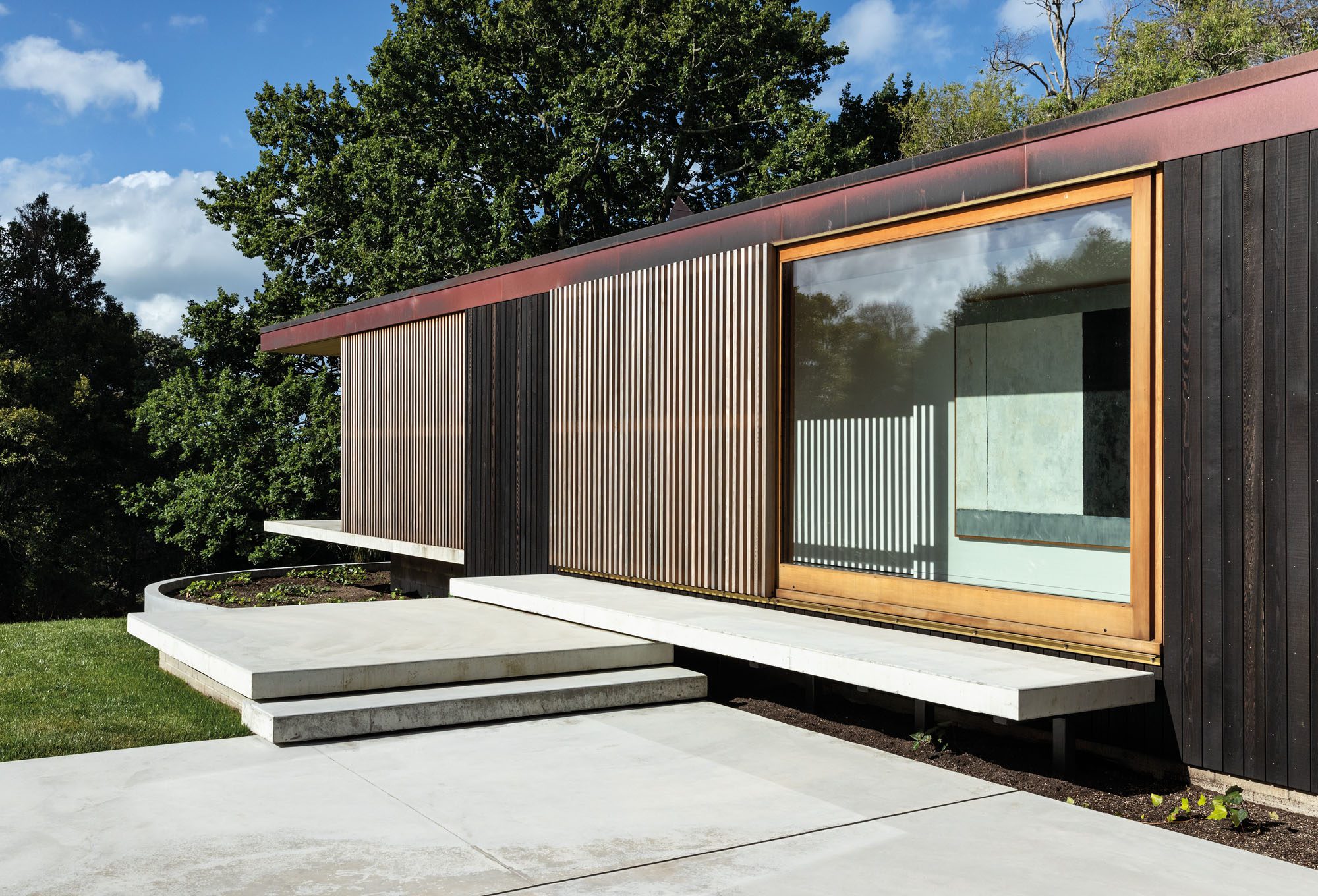
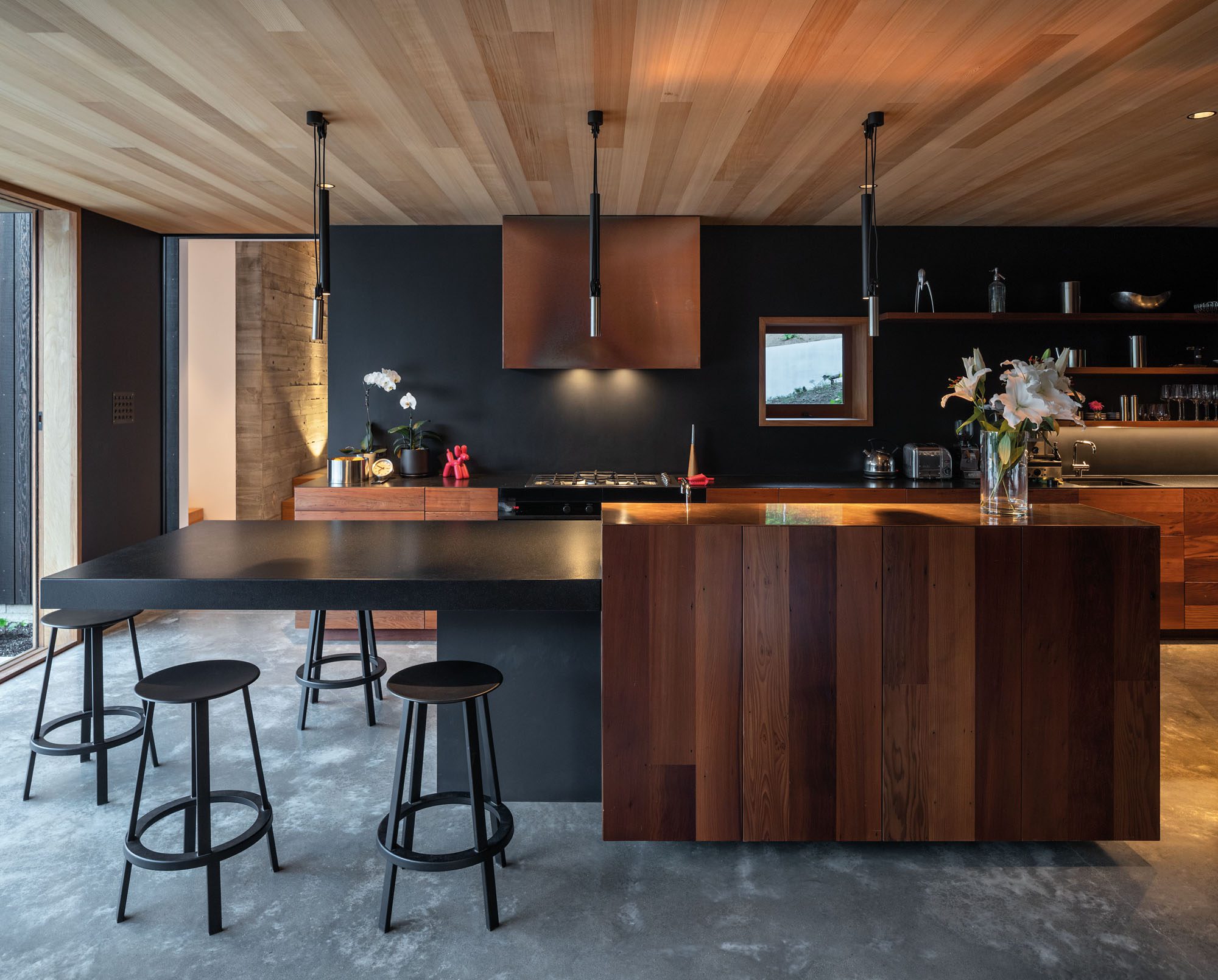
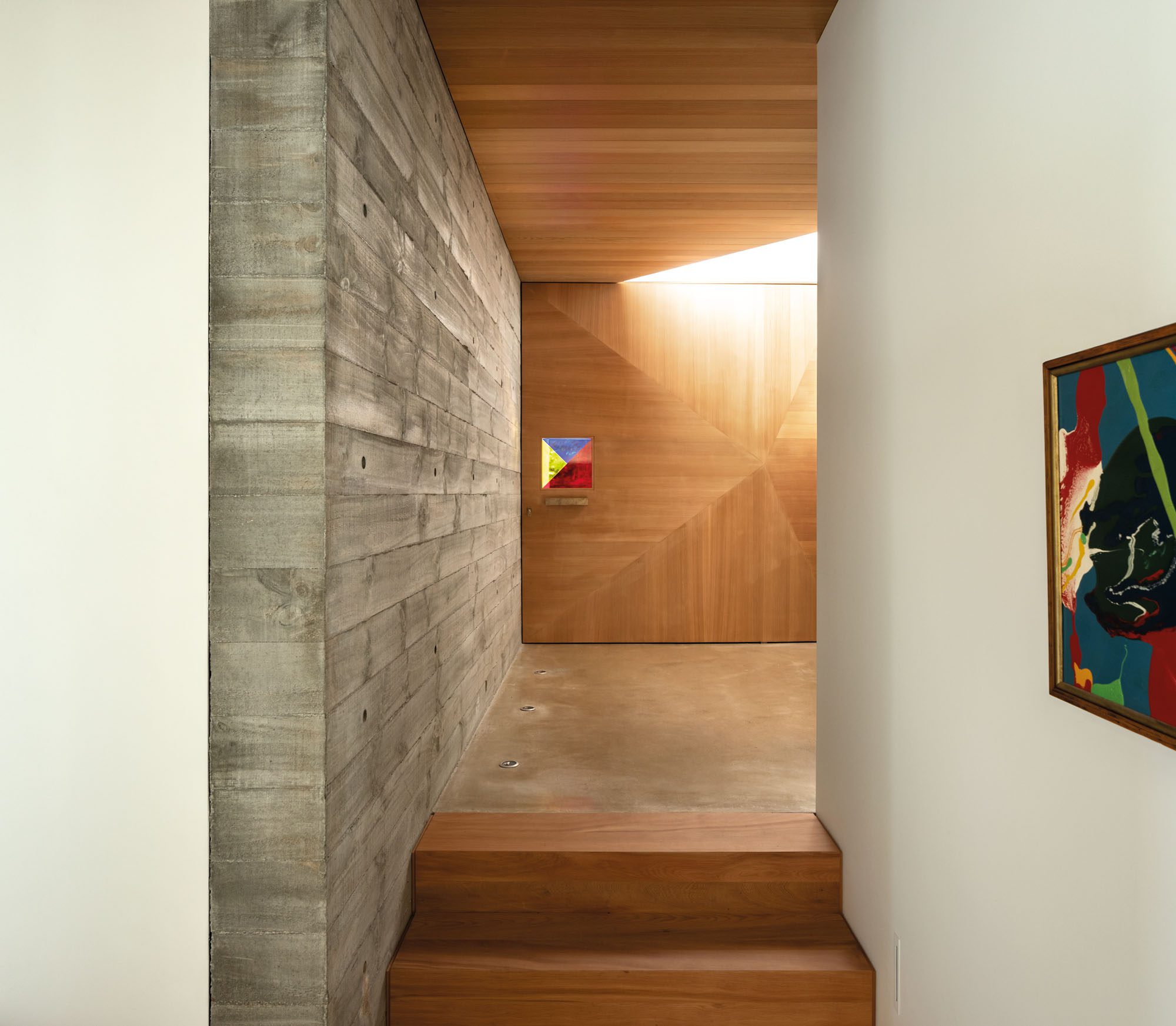
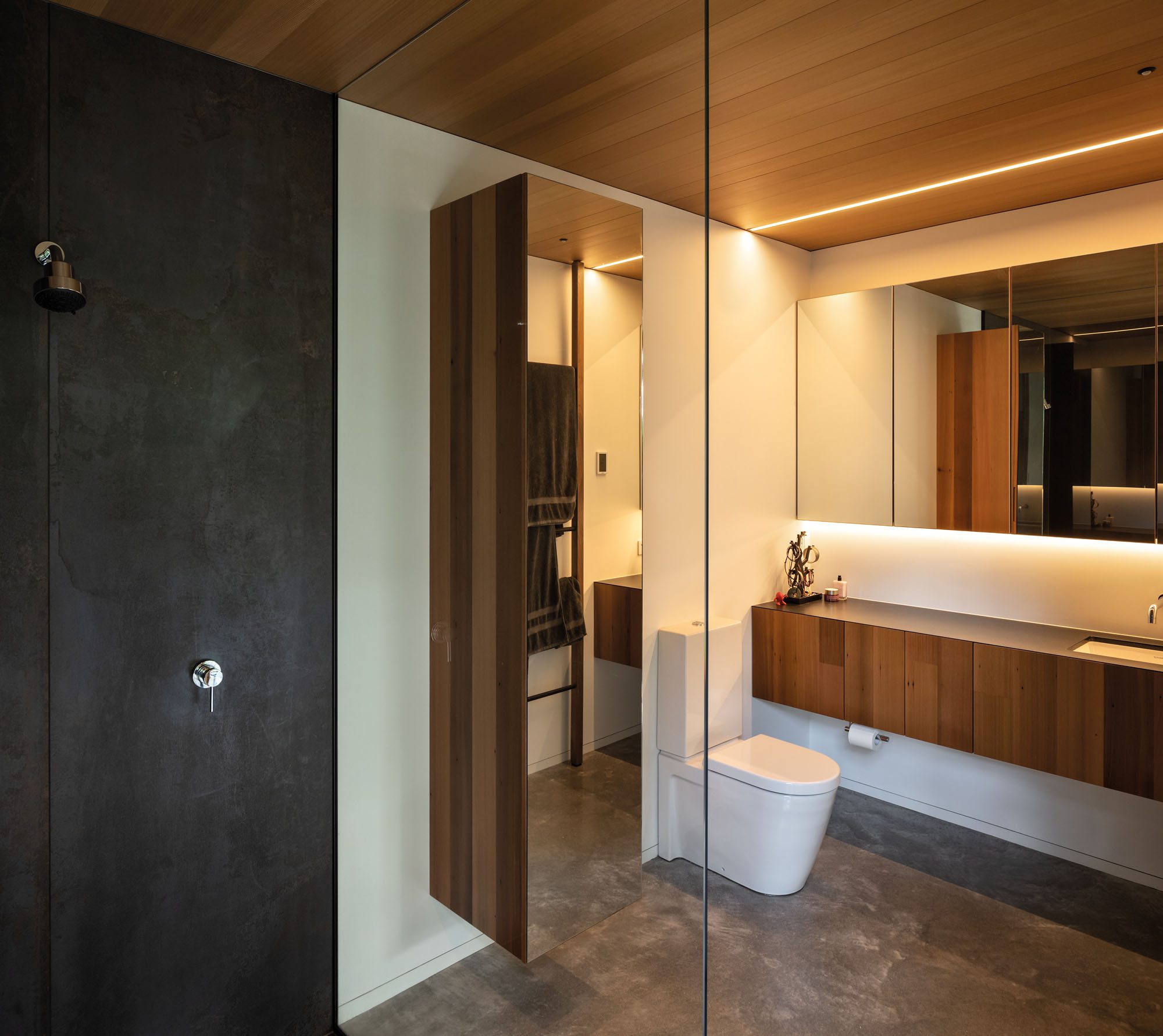
Rather than erasing what once stood on this site, Paul allowed the memory, form, materials, orientation, and spirit of the original house to shape the new design. Timber weatherboards from the original home were salvaged and repurposed for kitchen cabinetry and interior joinery. Even the concrete formwork of the new house was cast using the dimensions of the original weatherboards, leaving a subtle but legible imprint of the former home on the new structure.
“People would refer to the black house down the long drive and ask, ‘Is that where you live?’” says Paul. “It felt like the right design idea to respect the silhouette of what was there, the memory.”
Besides the importance to the wider neighbourhood, by the time the new design started to take form, Paul’s family had also developed strong attachments to the site as well. Throughout the new home, Paul embedded personal and artistic references to the family’s identity. Abstract symbols etched into in-situ concrete and a coloured glass insert subtly allude to family members and their dynamic. The number three — central to the family and the home’s name, House #3 — is repeated like a quiet mantra in various forms here.
“The number three invokes expression, versatility, and the pure joy of creativity,” he explains.
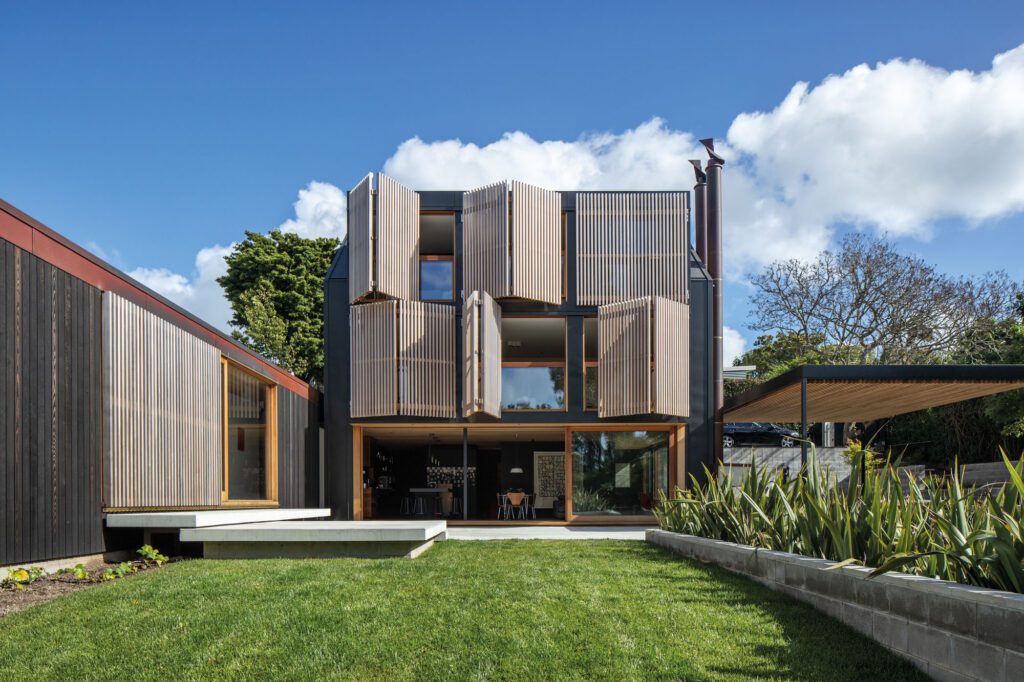
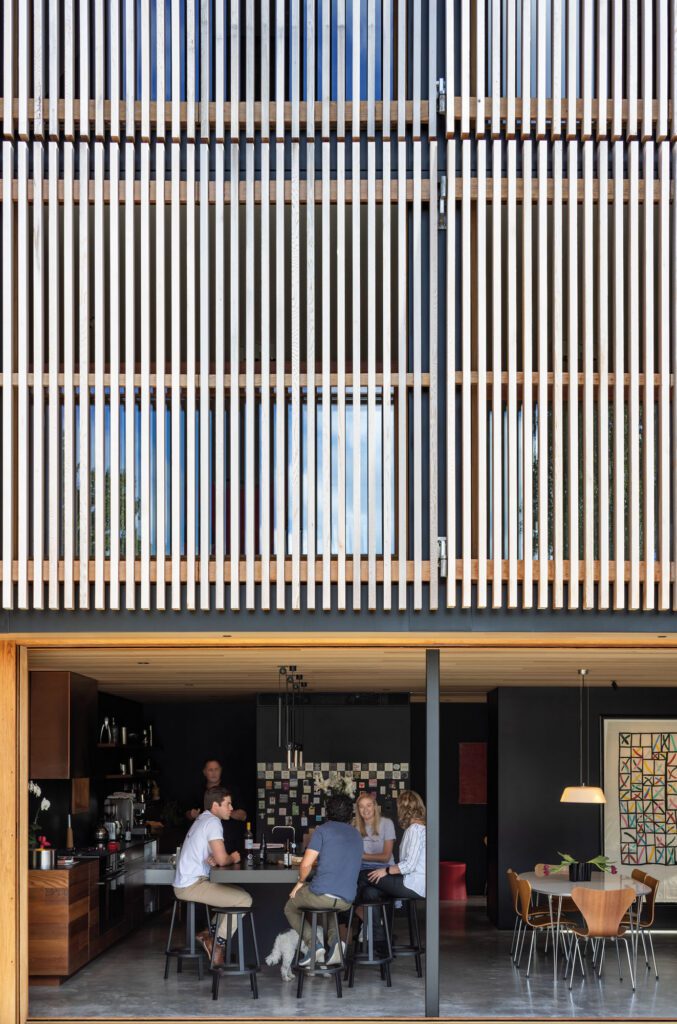
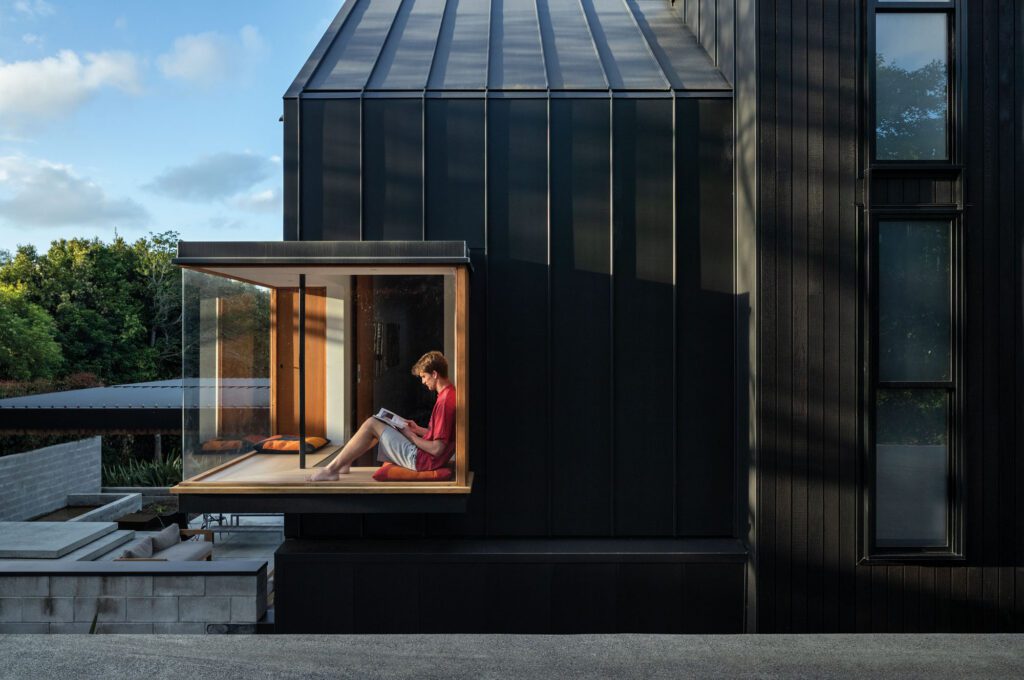
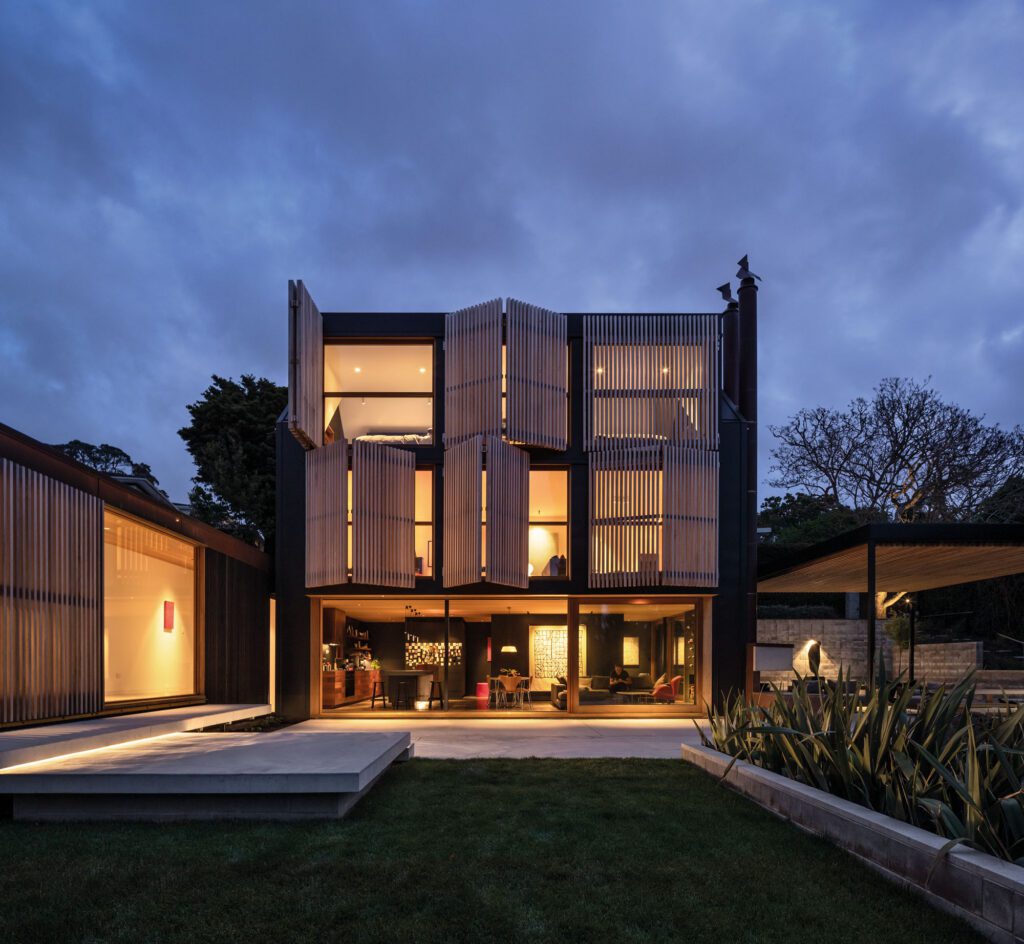
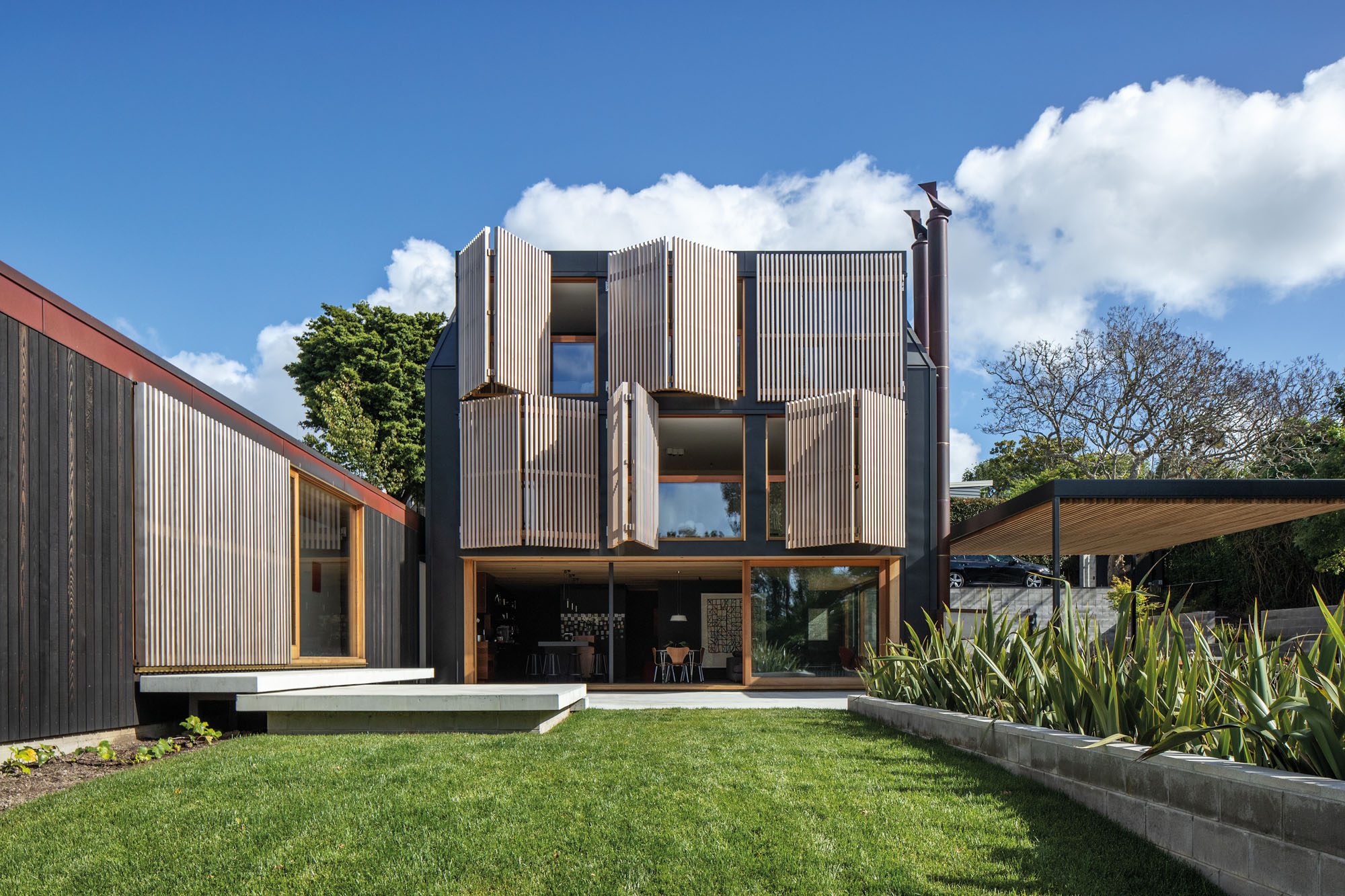
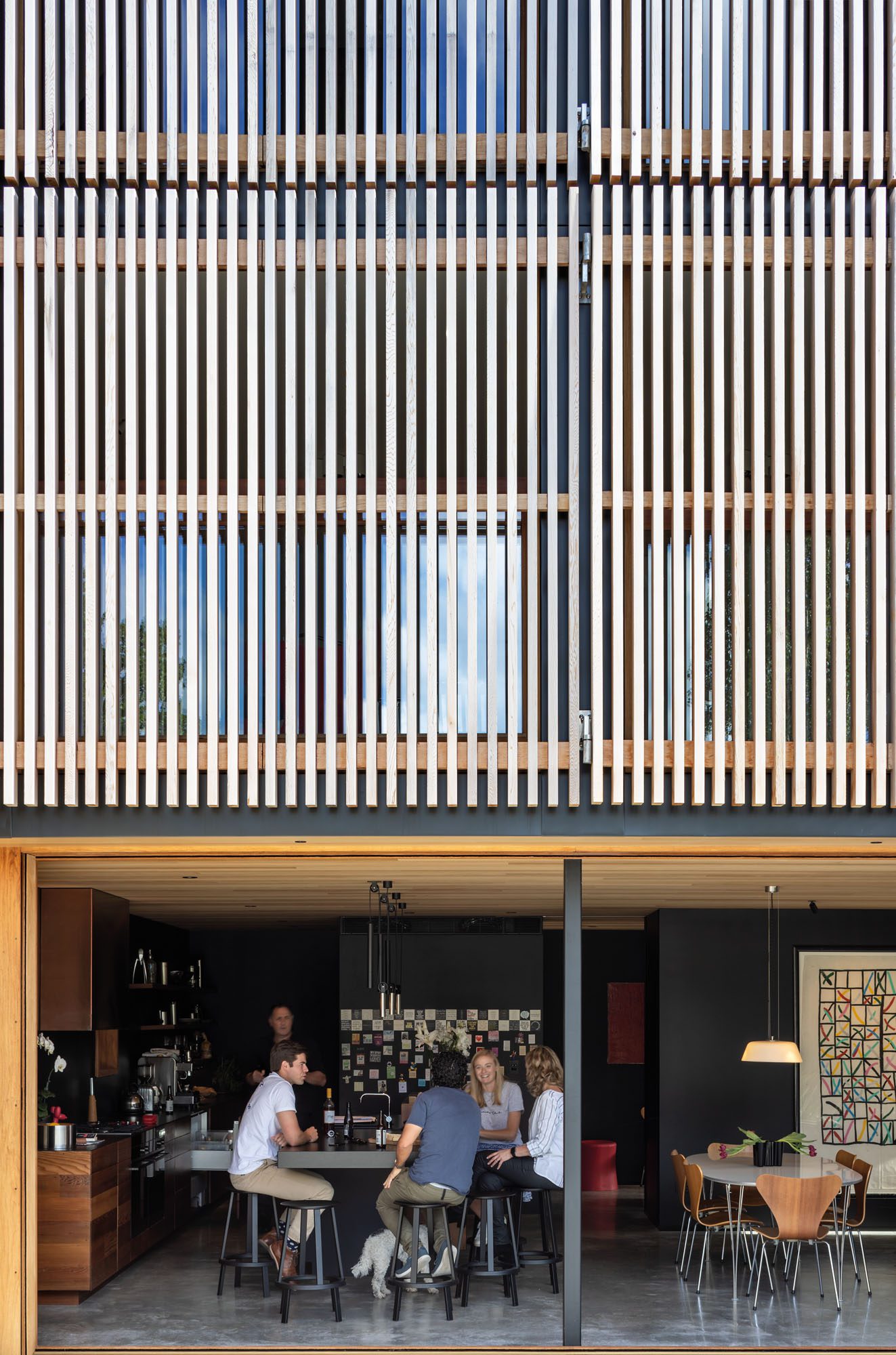
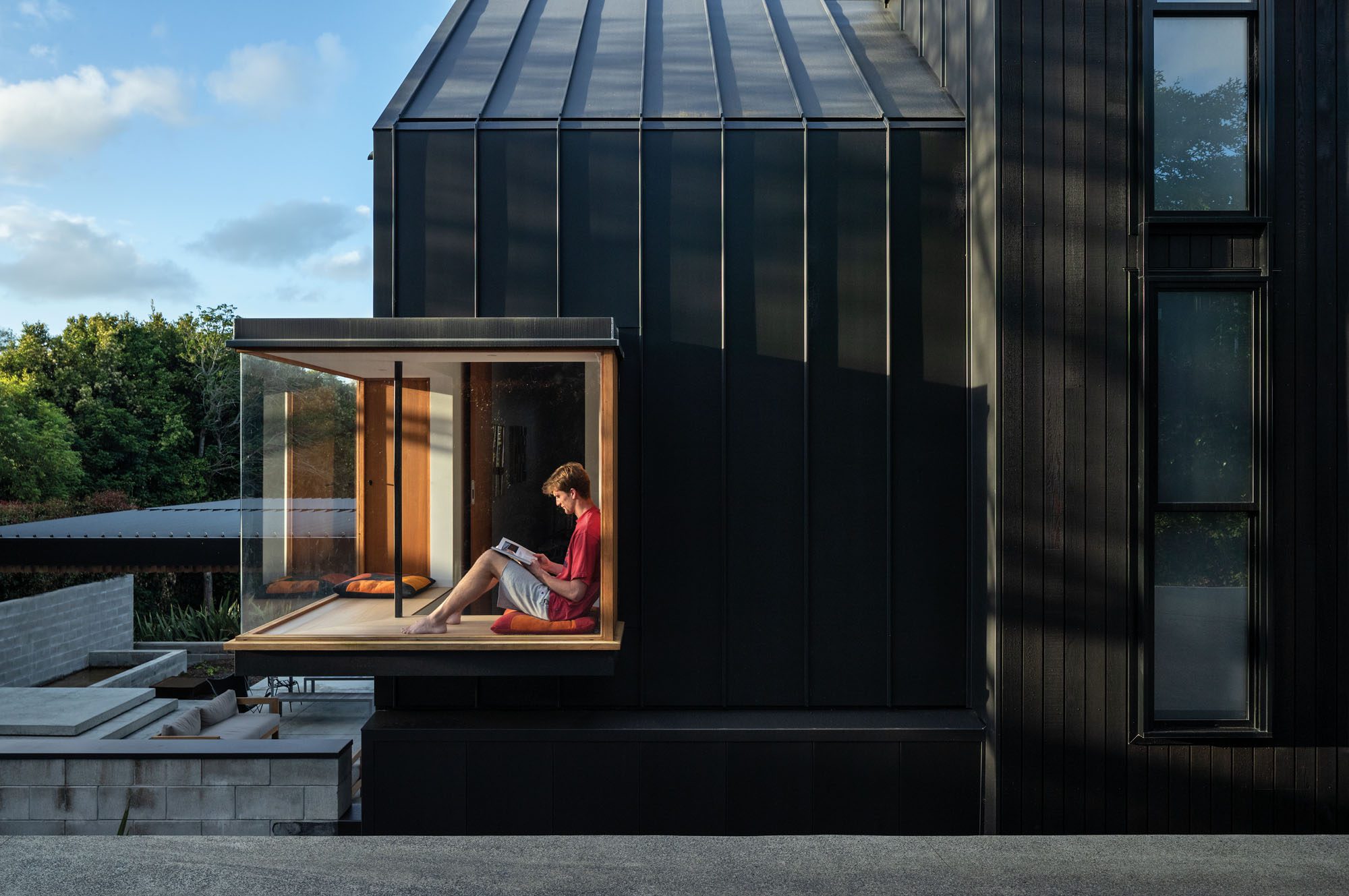
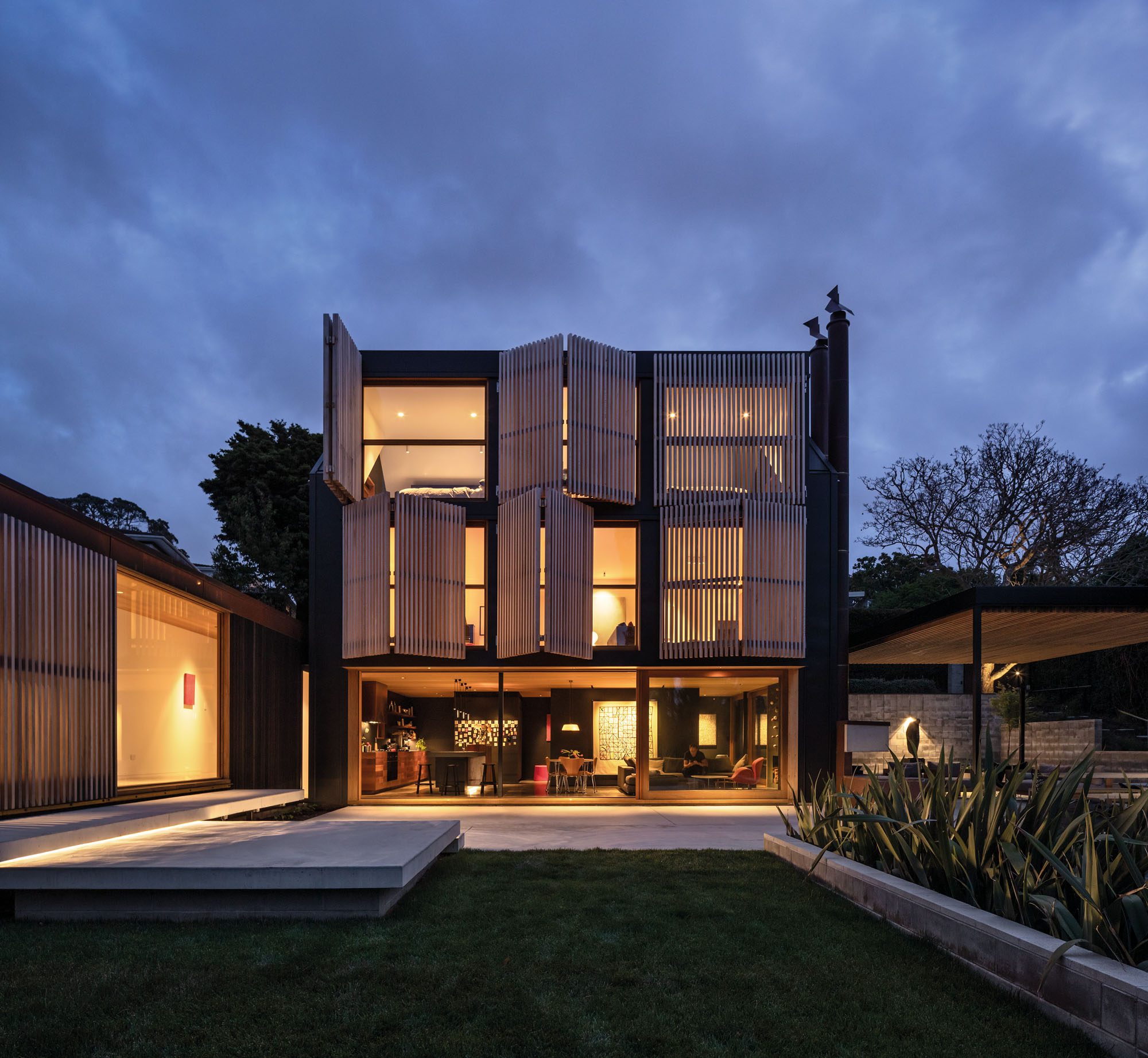
The home consists of two primary pavilions: a three-level tower and a single-storey wing. The tower accommodates the family’s social spaces on the ground floor, including the kitchen and office, with bedrooms, a guest suite, and a games area distributed across the upper levels.
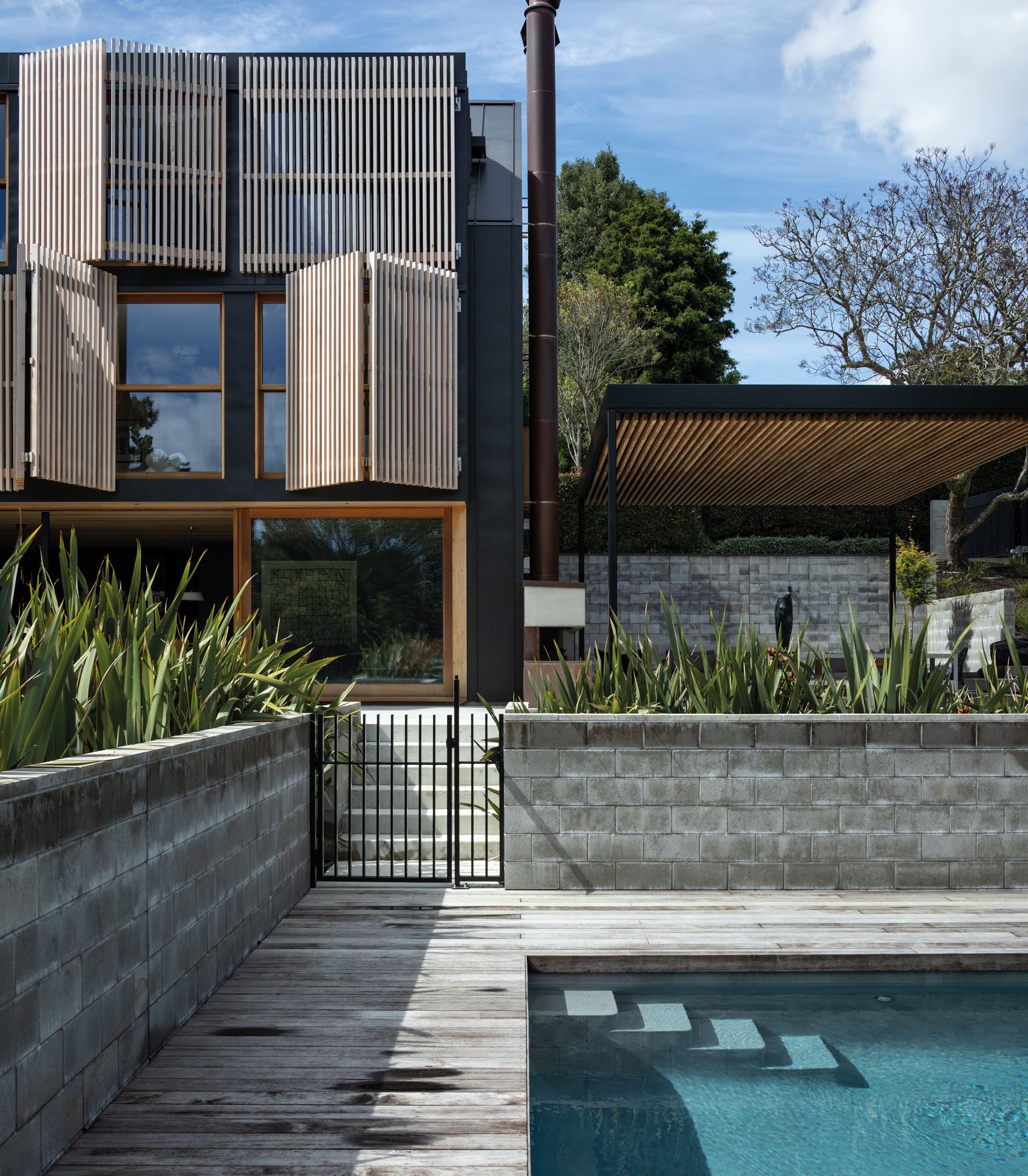
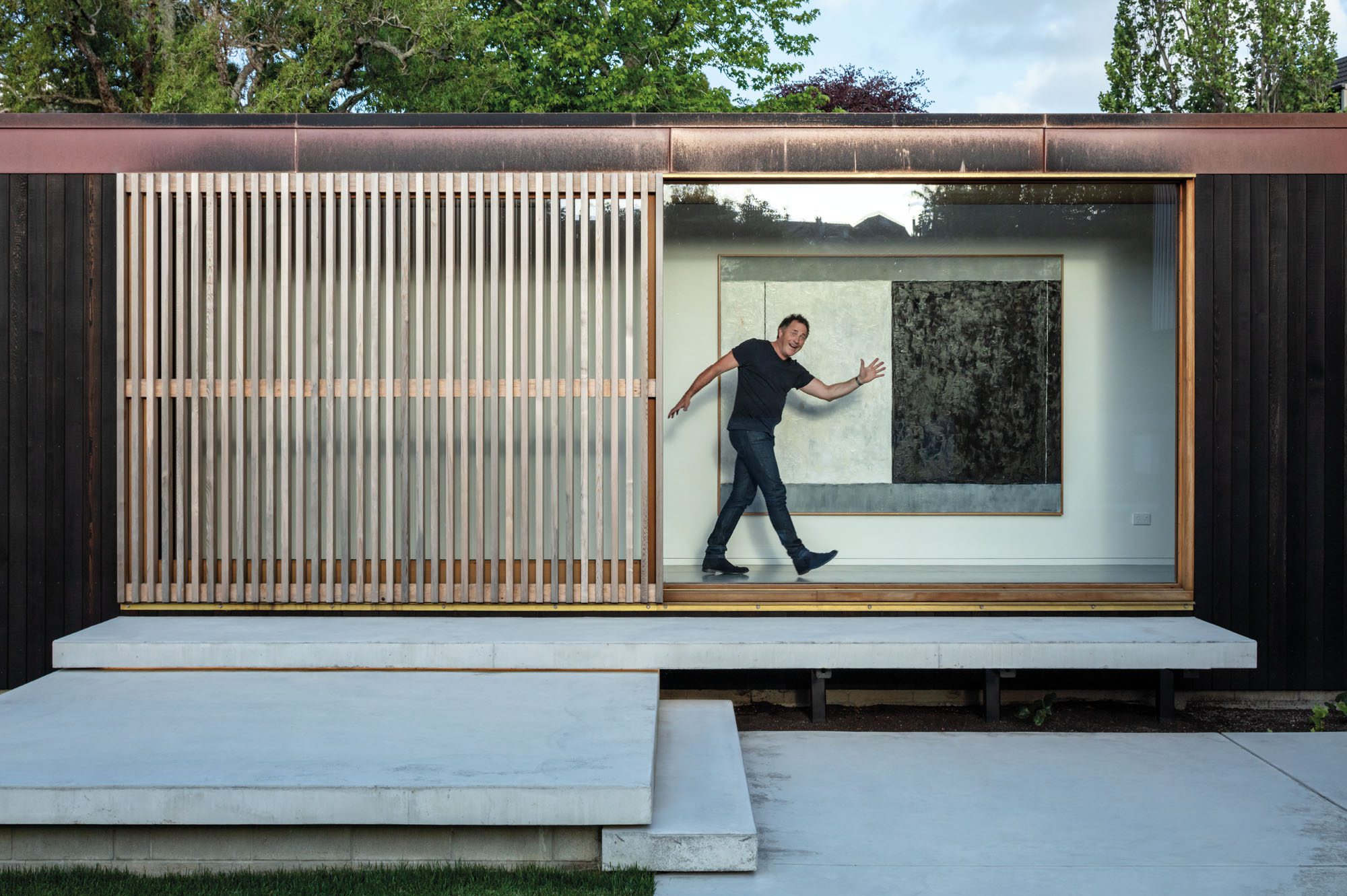
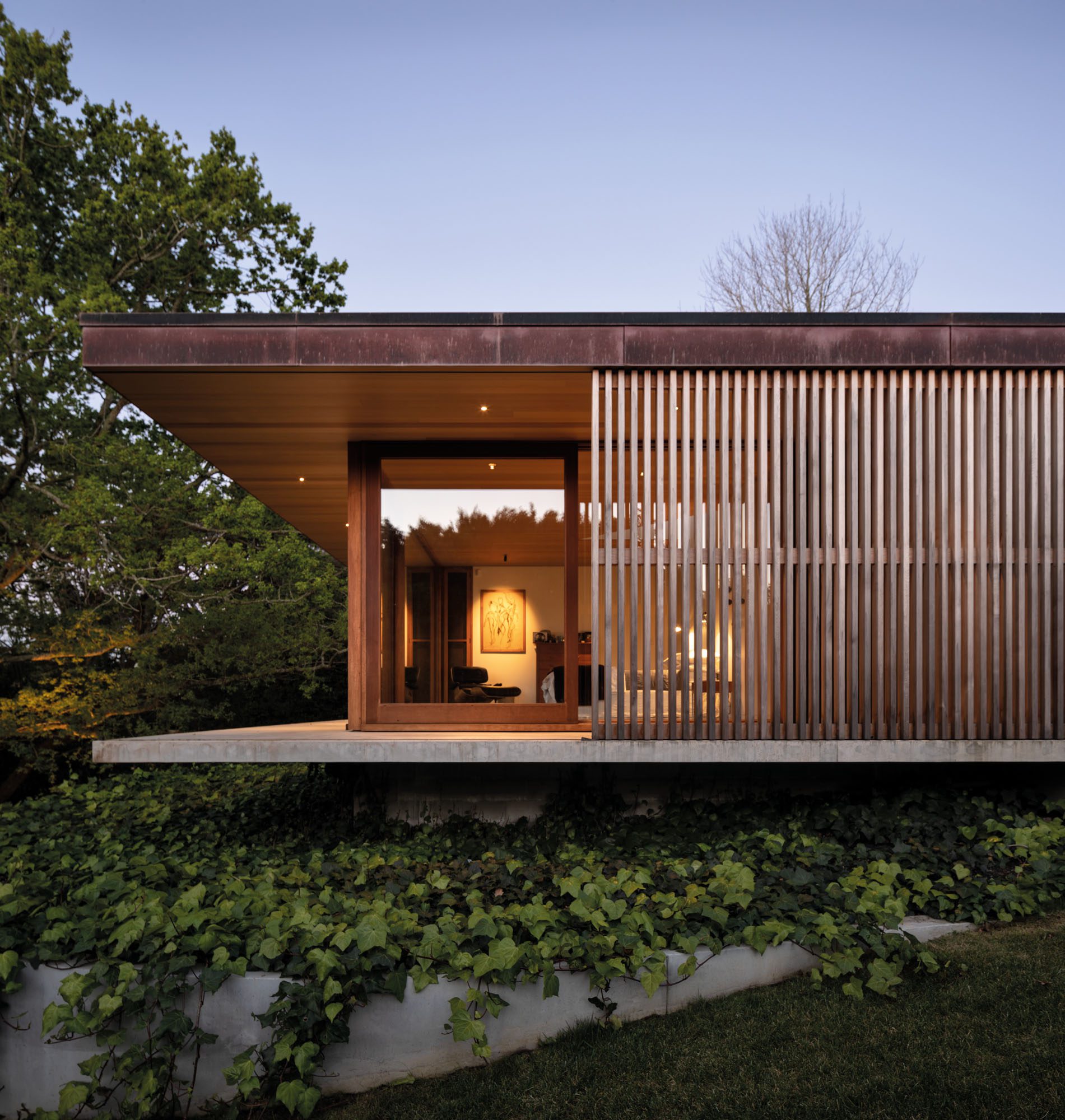
Most of the façade is covered in external, operable timber screens. “[They] allow for a playful adjustment of light and privacy,” says Paul. “They were also intended to protect art works at different times of the year with the different sun angles.”
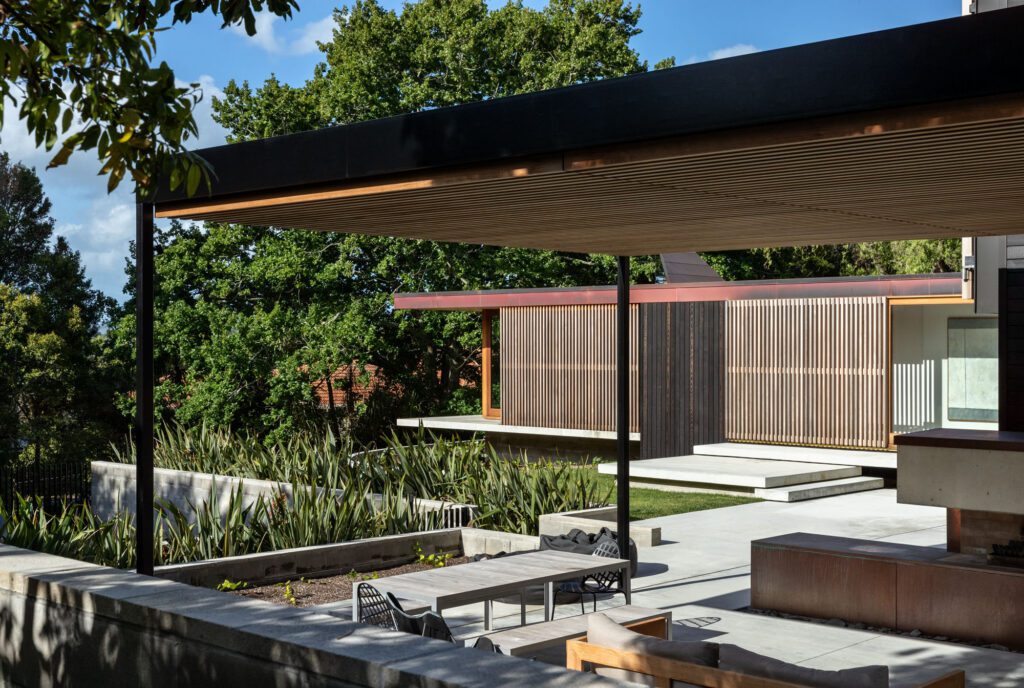
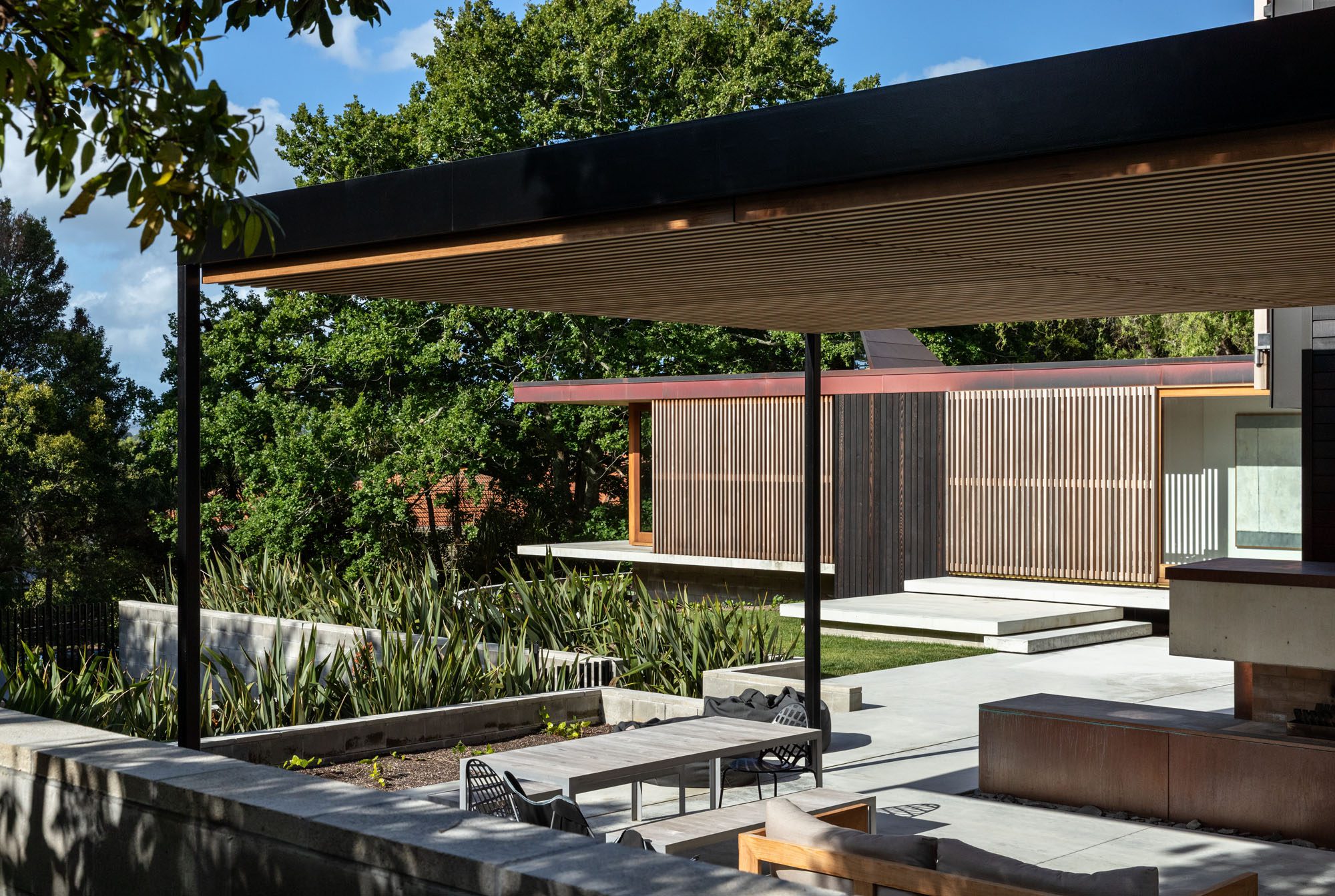
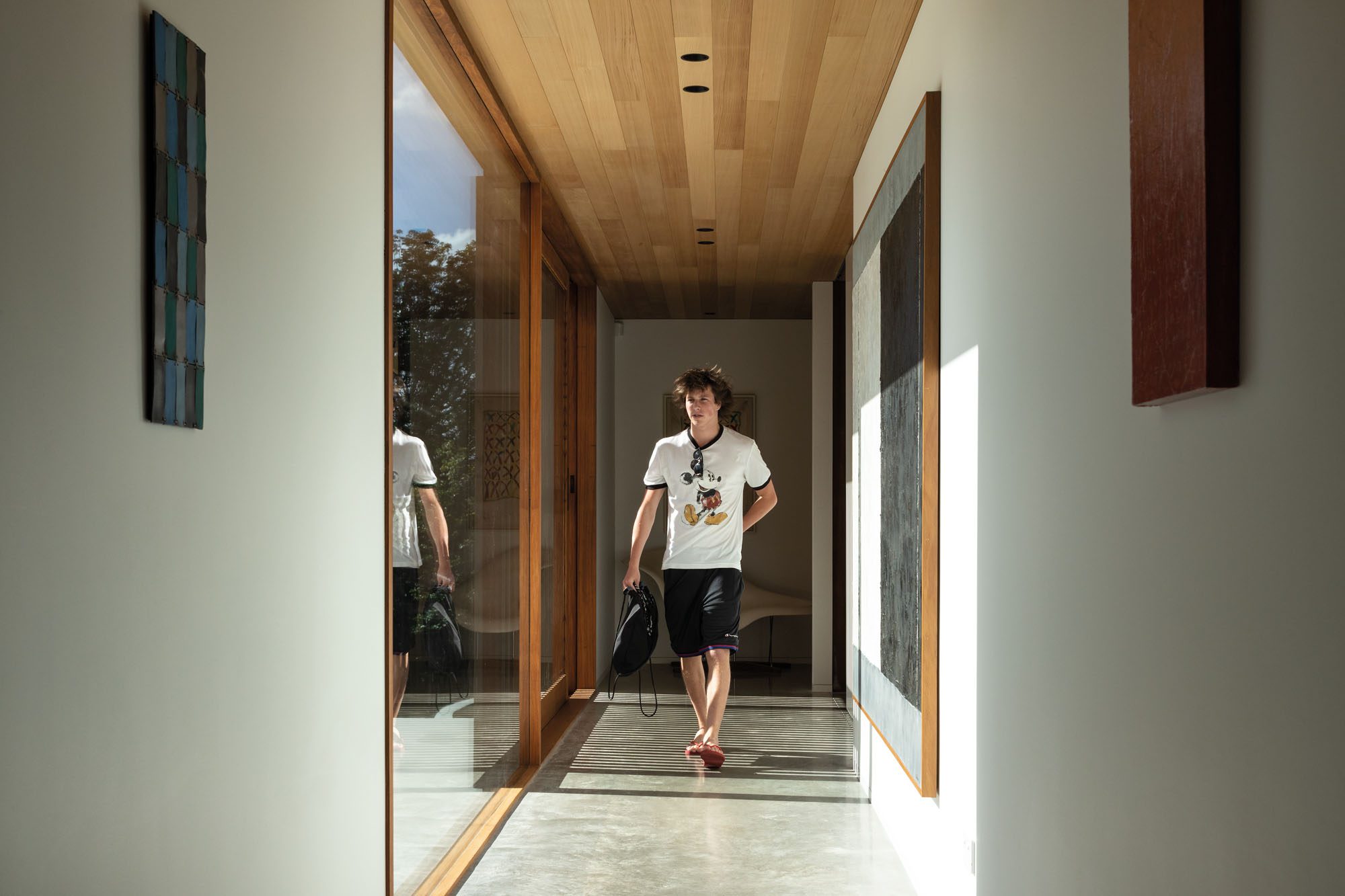
A key element of the design is the strong connectivity — between internal spaces, between indoor and outdoor zones, and between the architecture and the broader landscape. A glazed gallery link acts as a spine between the tall pavilion and the ‘parents’ wing’, which is private yet still open to garden views through expansive glazing.
“It’s well-orientated,” says Paul. “There are different spaces for different occasions. We have more than 10 neighbours and you don’t see any of them — it’s an oasis in the city.”
True to any oasis, the established trees on the site were carefully preserved and now serve as defining features of the neighbourhood as a whole, a borrowed landscape for the community.
#3 is built from enduring materials such as mataī, concrete, and copper, and incorporates thoughtful technical strategies such as warm roofing and passive ventilation. It explores highly personal themes of memory, symbolism, spatial flow, and artistic integration — wrapped in a calm, flexible environment that celebrates family, heritage, and the future.
Words: Federico Monsalve
Images: Simon Devitt
This feature first appeared in Homes of this Decade 2015-2025, which was published by Nook Publishing in 2025.