We caught up with France-based multidisciplinary artist Jason Pocklington about his latest body of work — a collection of photographs and furniture that pays tribute to Auckland, the city where he lived as a child.
Jason Pocklington’s work sits at the intersection of place and perception. Born in France and raised across multiple countries — including spending his teenage years in New Zealand — he has long been attuned to the ways in which places and cultures are experienced. His practice, spanning furniture design, photography and now acting, is driven by a lifelong curiosity about the diversity of human environments.
After returning to France to study cabinetmaking and design at Paris’s École Boulle, from which he graduated in 2015, Jason’s early career moved fluidly between architecture, design and photography. His lens was often drawn south, to the Mediterranean, where light, texture and everyday life became recurring subjects. “I’ve always been inspired by different places and cultures, and as an artist, I enjoy translating those experiences into design and photography, with each collection based on a certain place.”
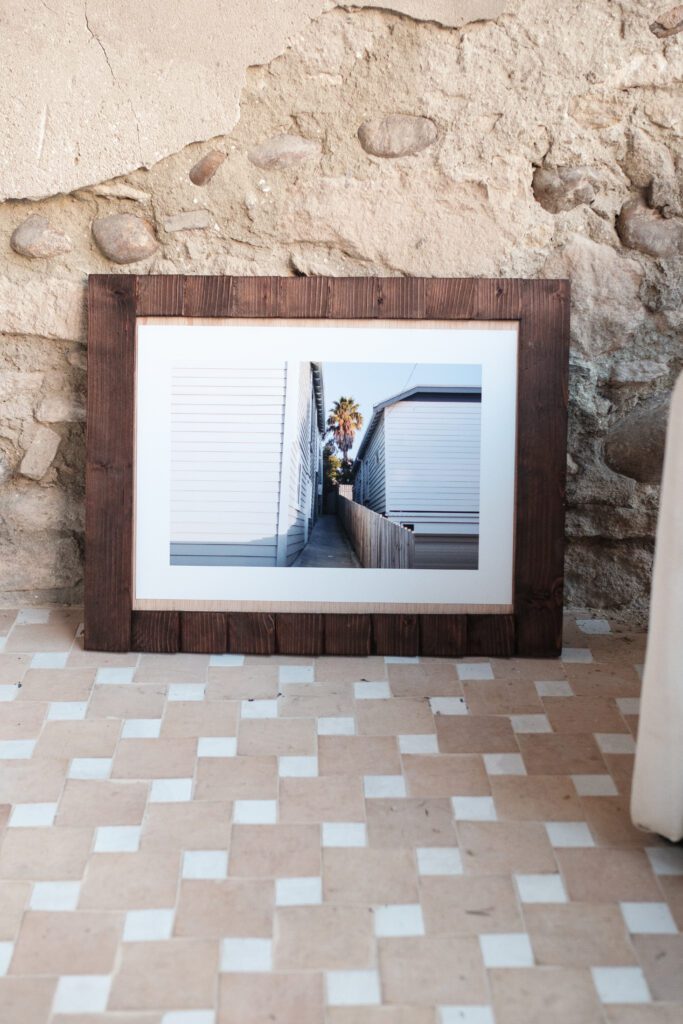
It was a brief return to Auckland that became the catalyst for his latest body of work. The Tāmaki Makaurau Collection is a considered homage to the city, developed during a six-month stay in 2021 after nearly a decade away.
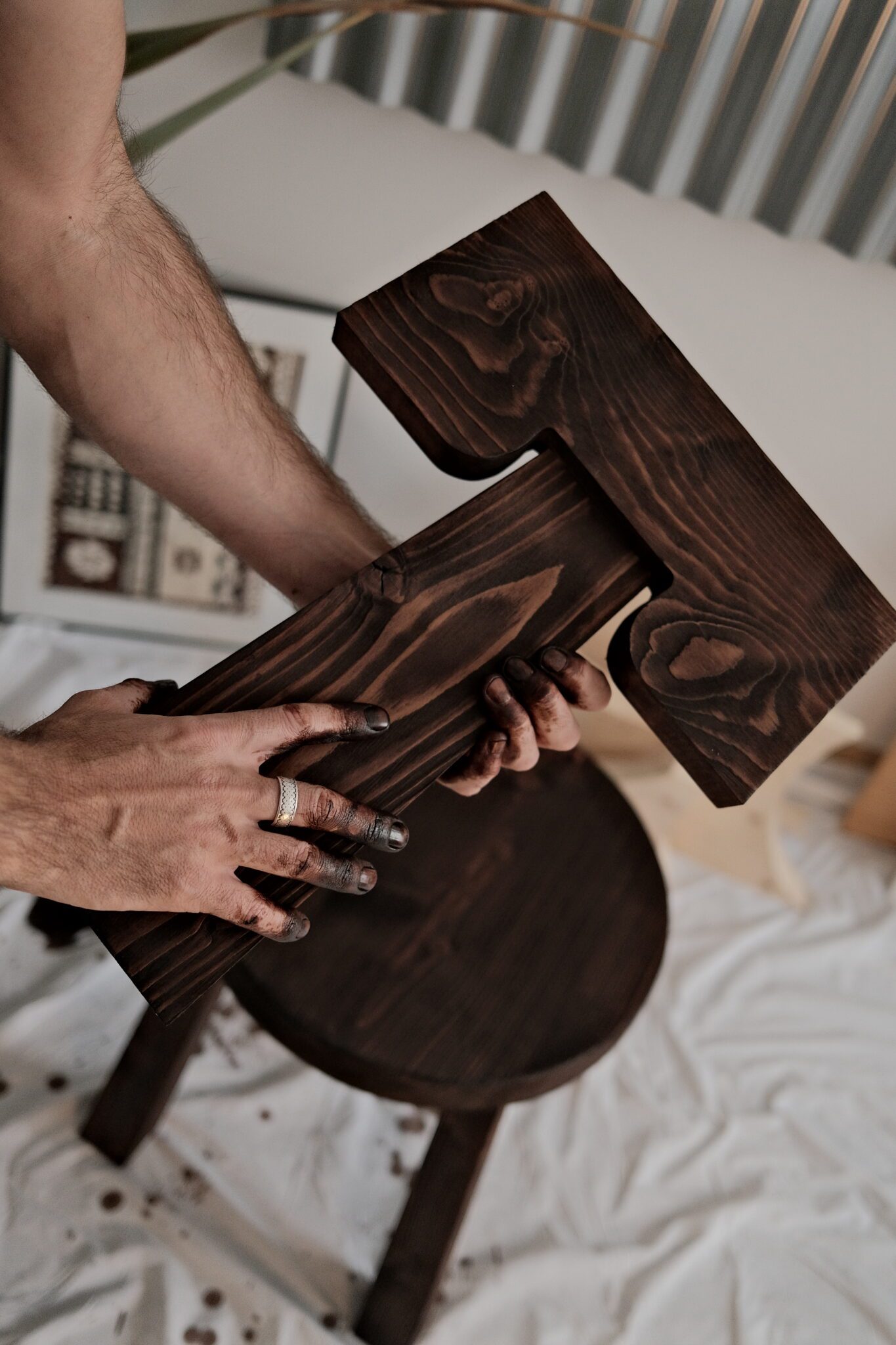
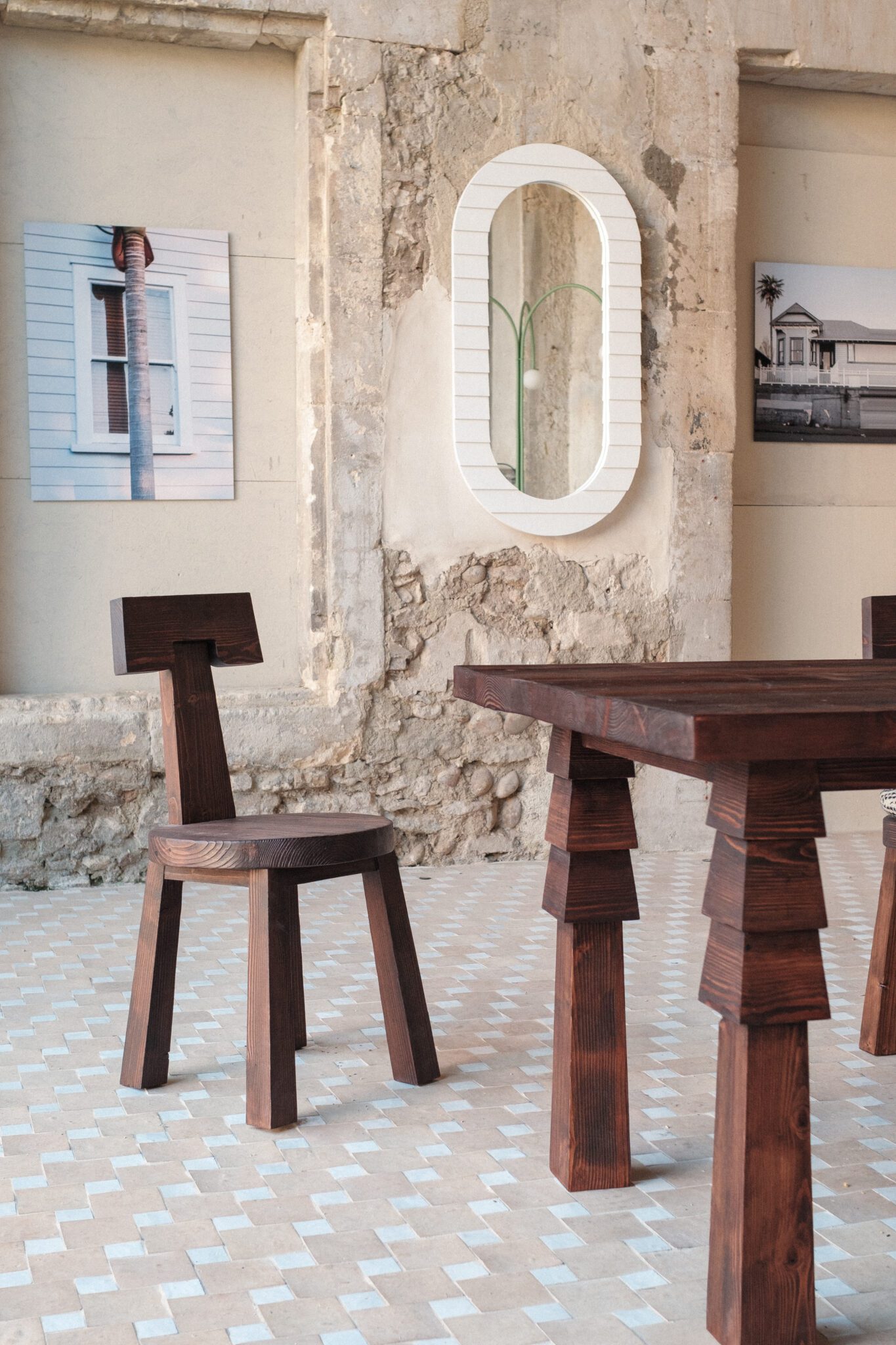
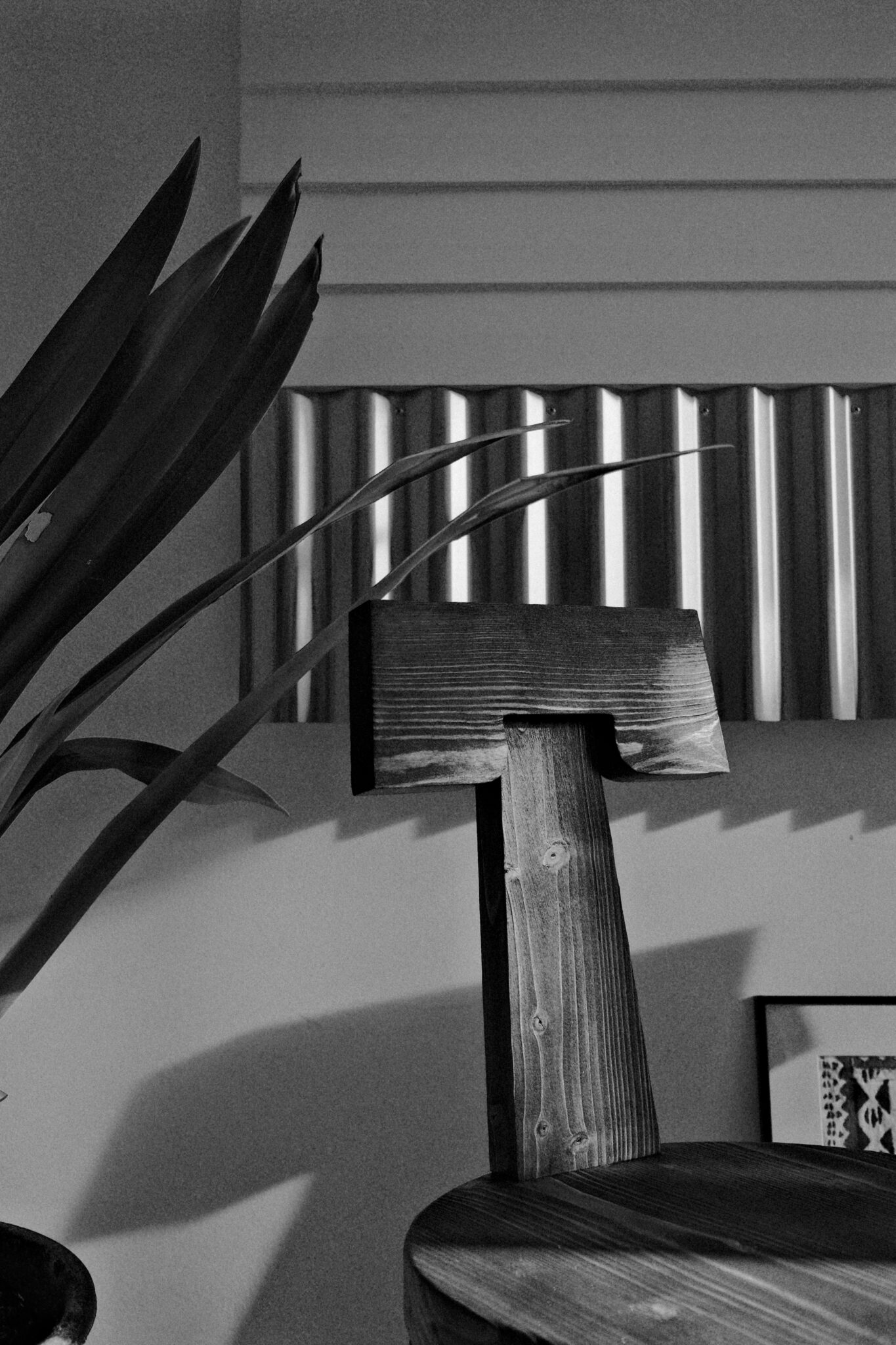
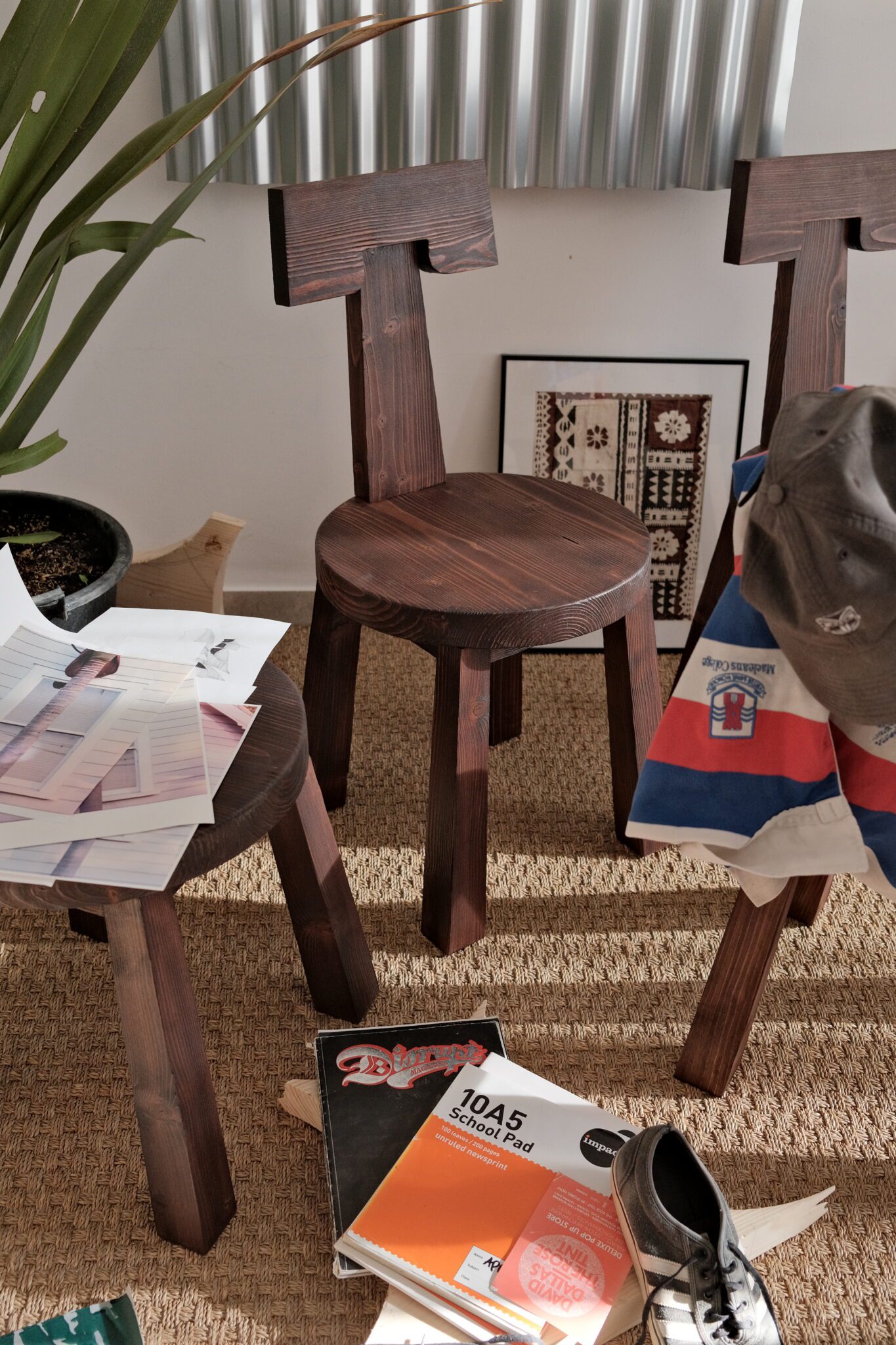
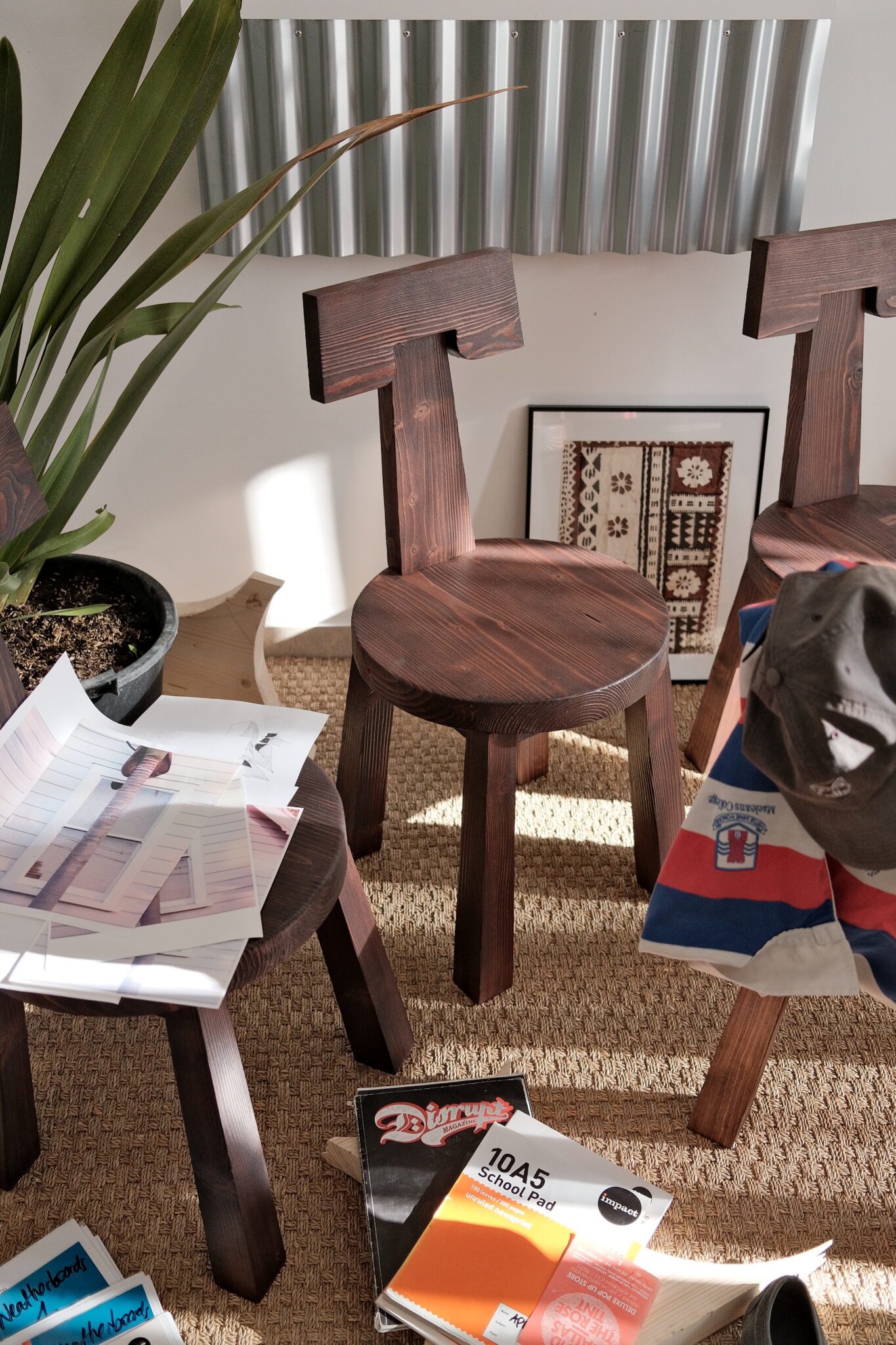
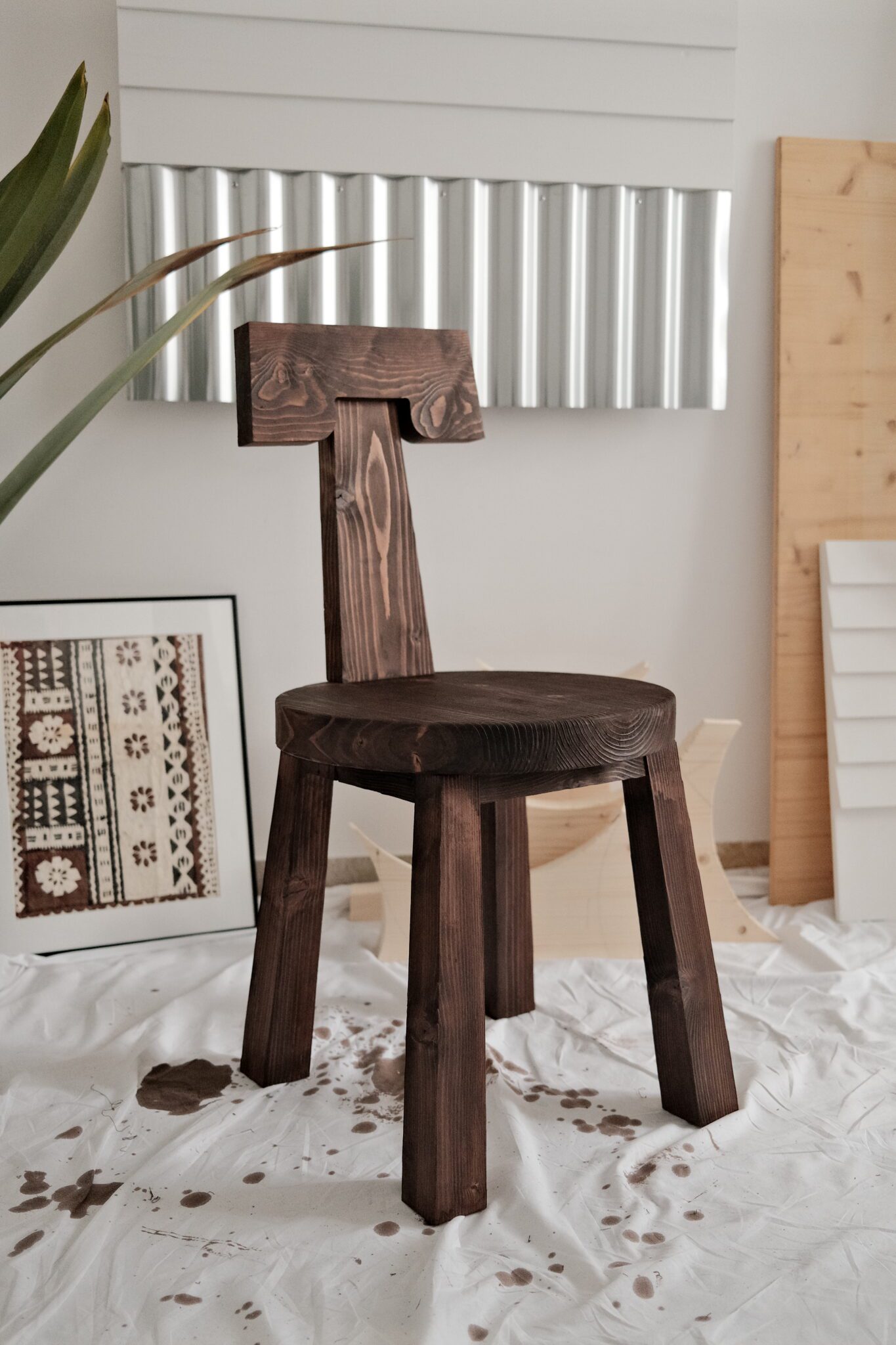
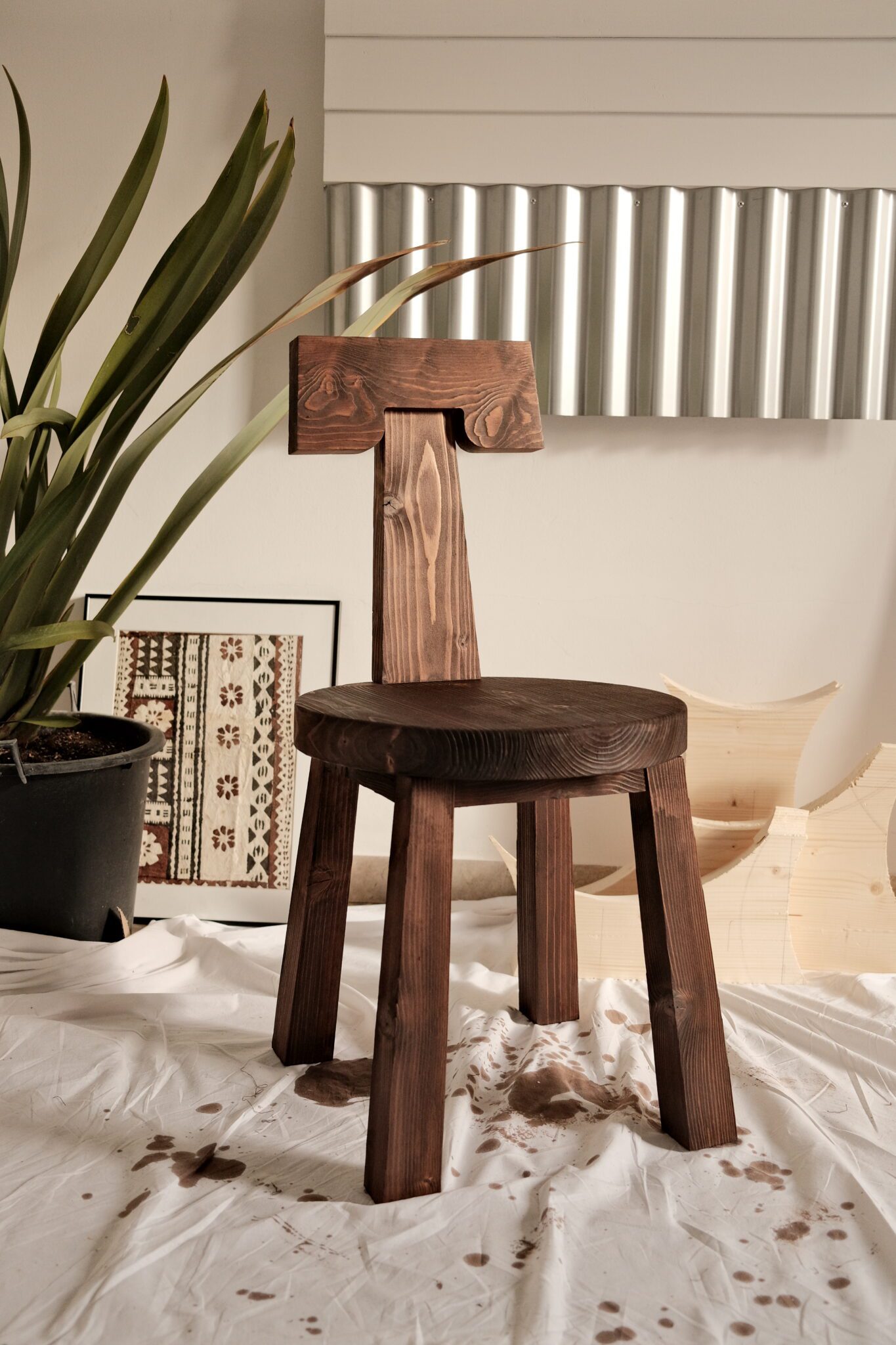
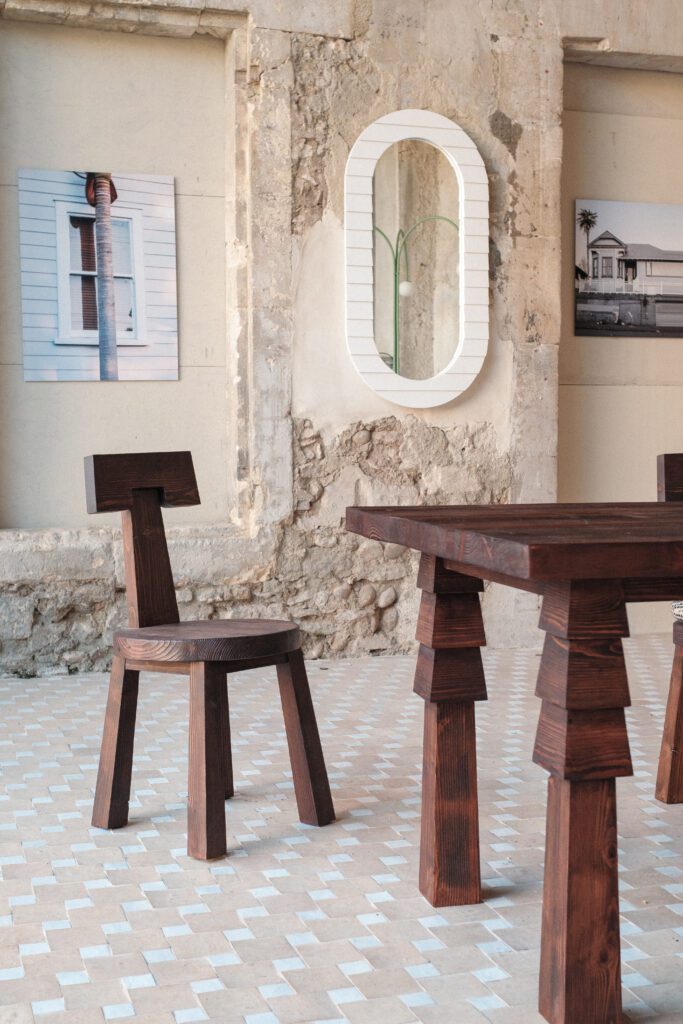
The project brings together furniture designed and crafted by the artist alongside a series of photographic works. Together, they form a compelling dialogue between object and image.
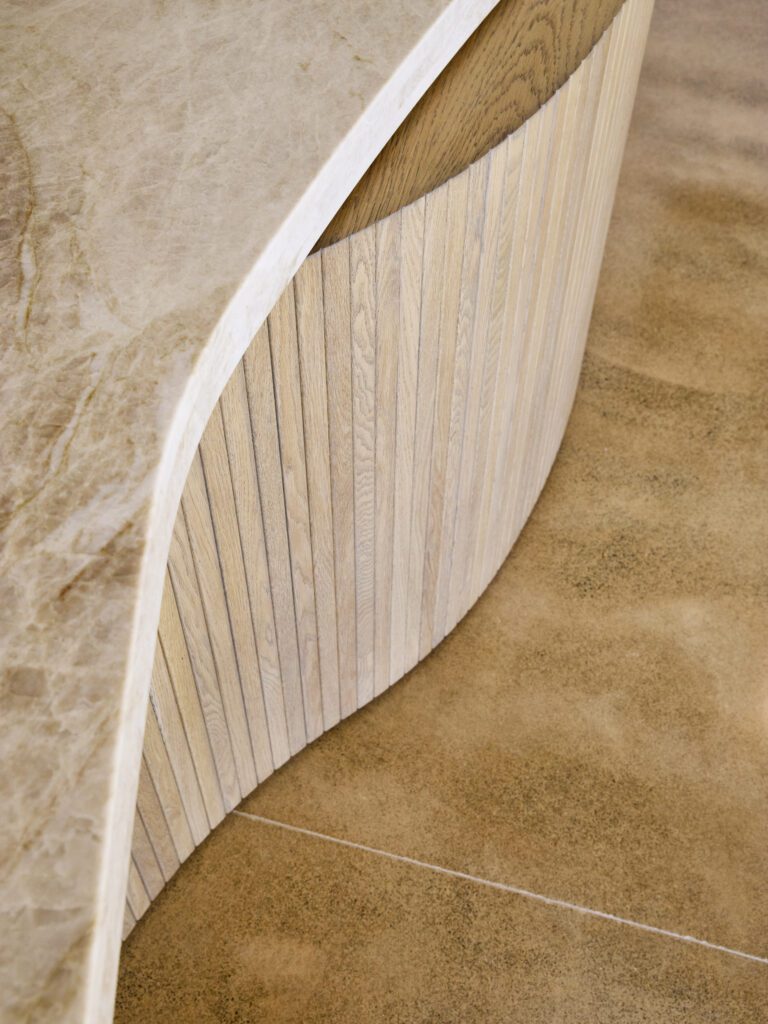
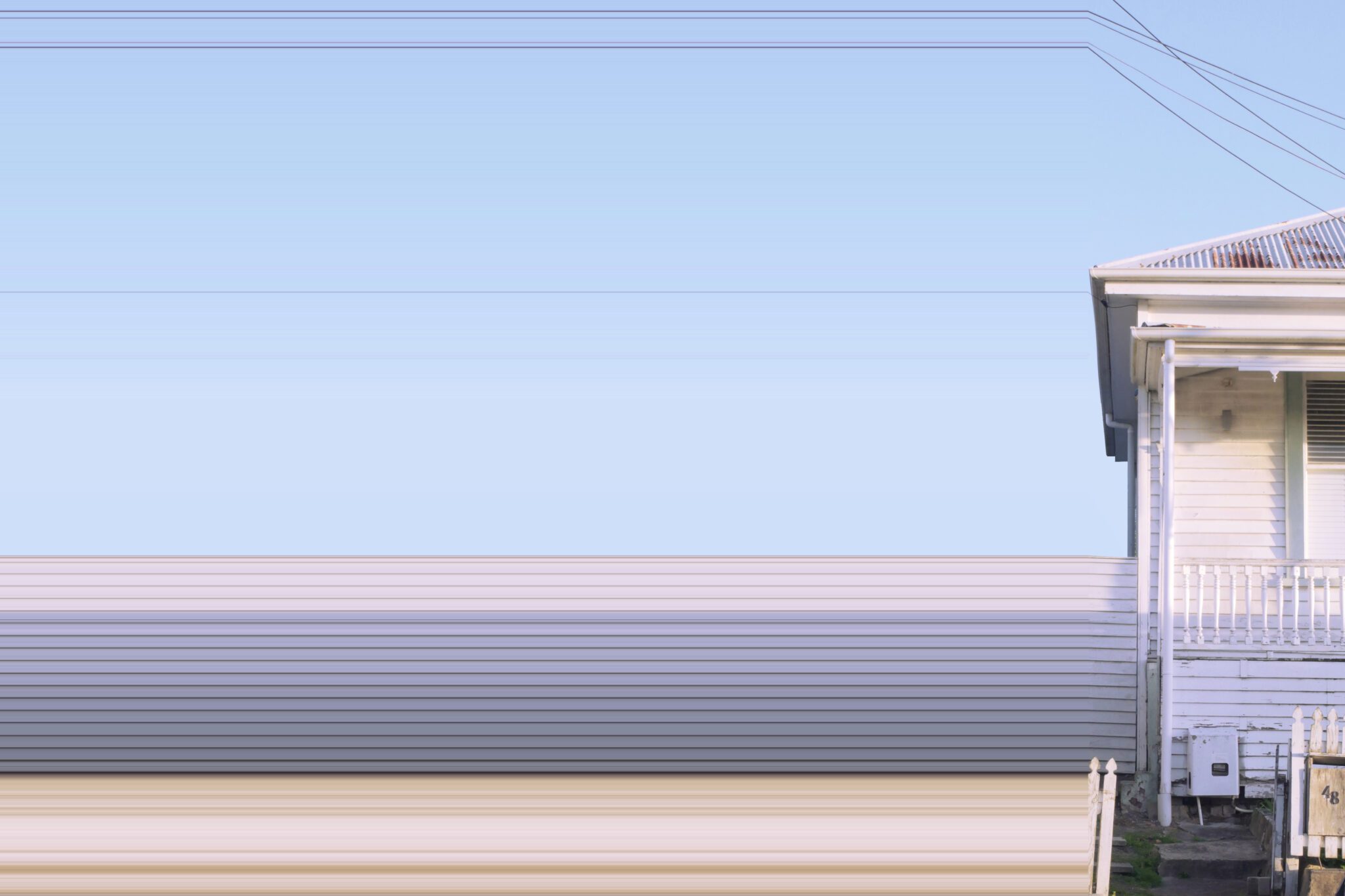
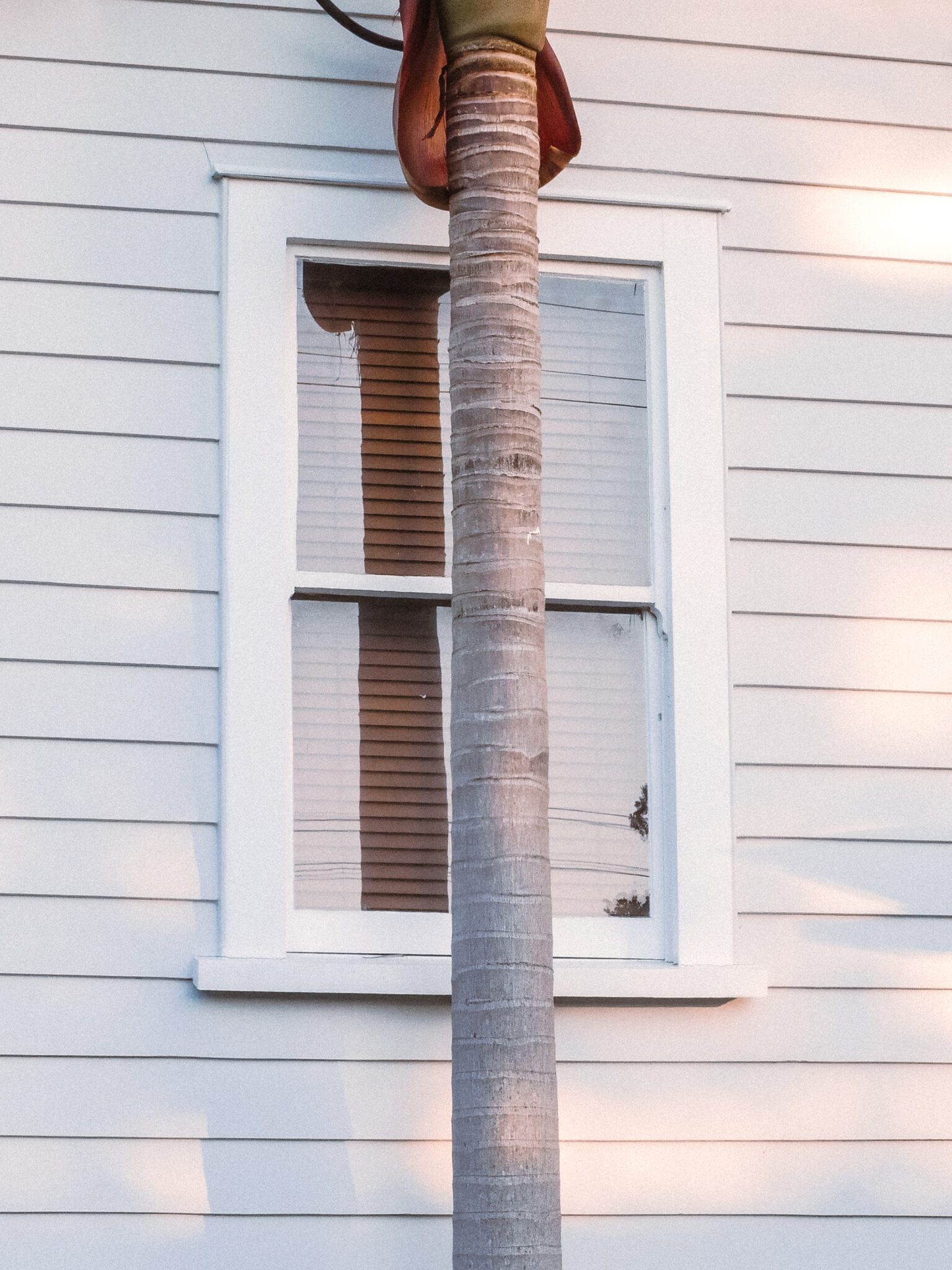
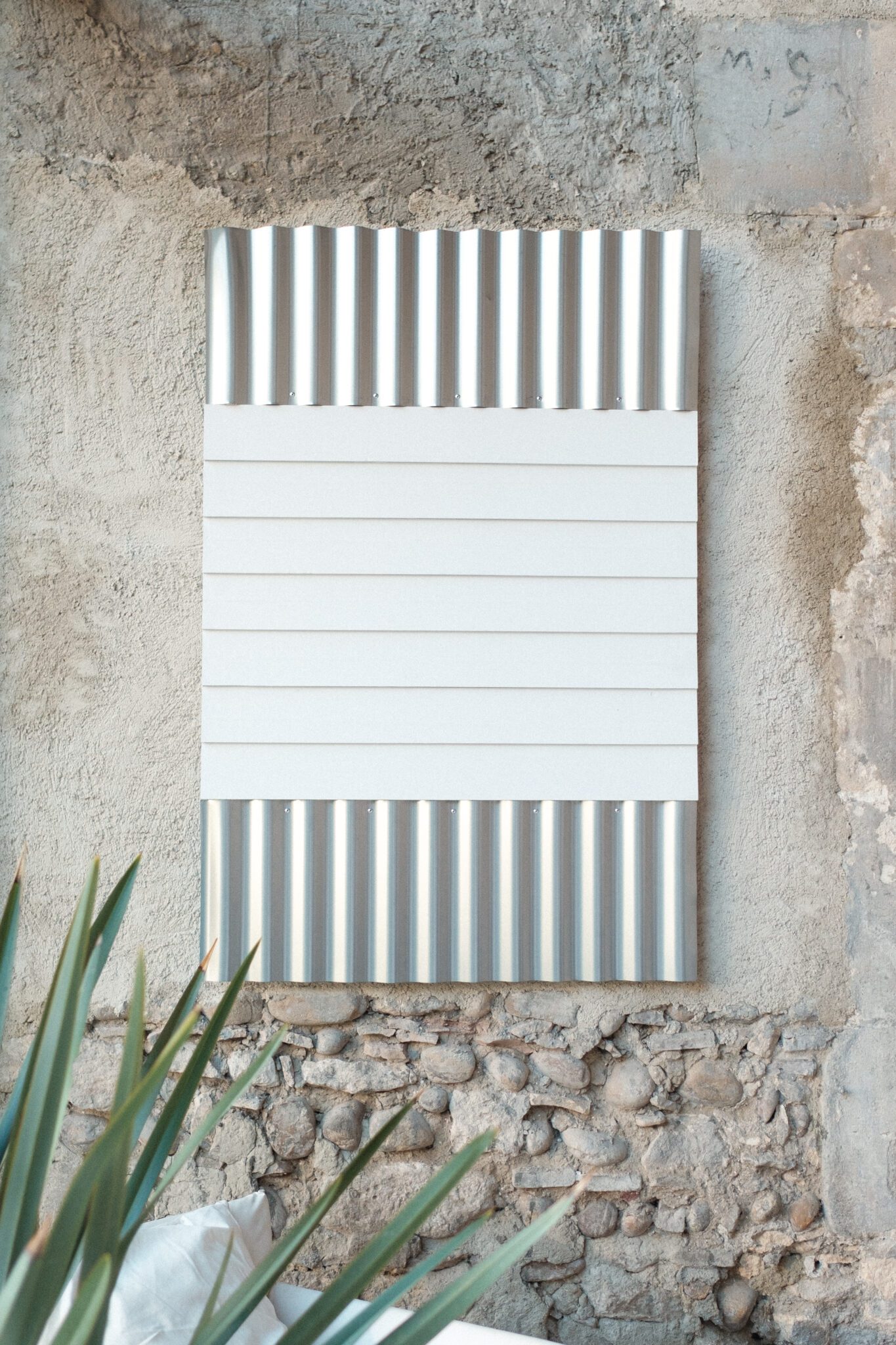
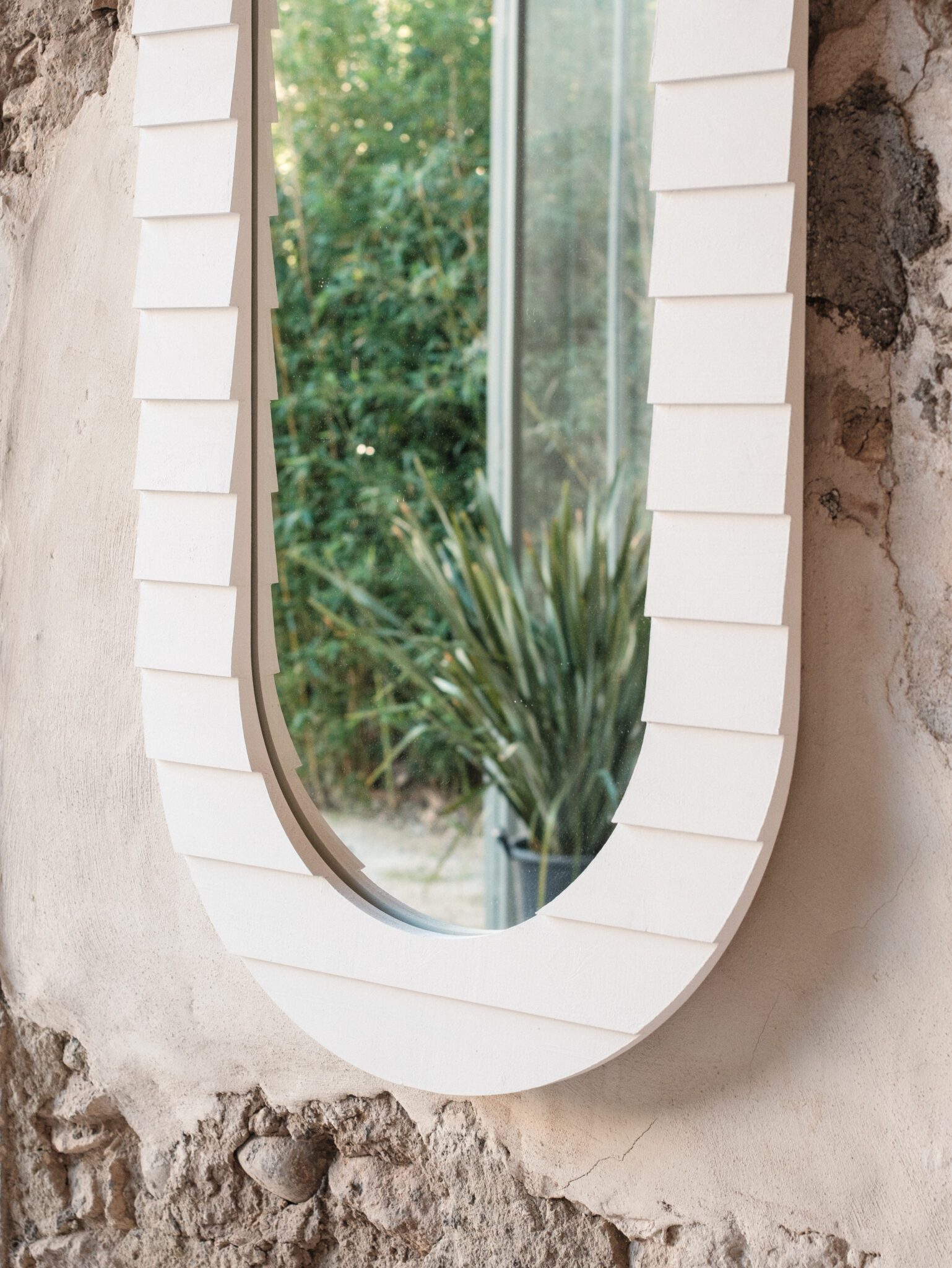
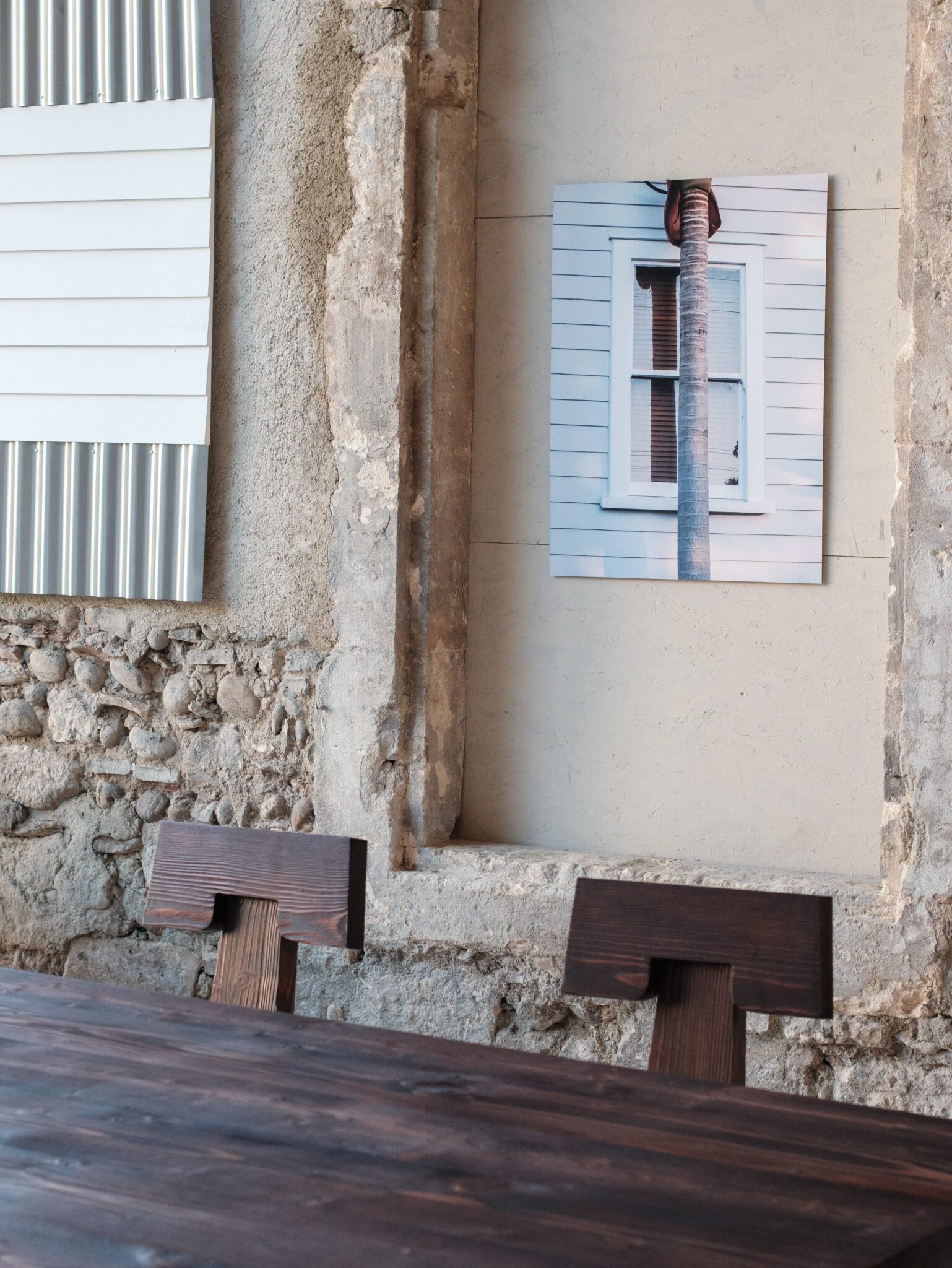
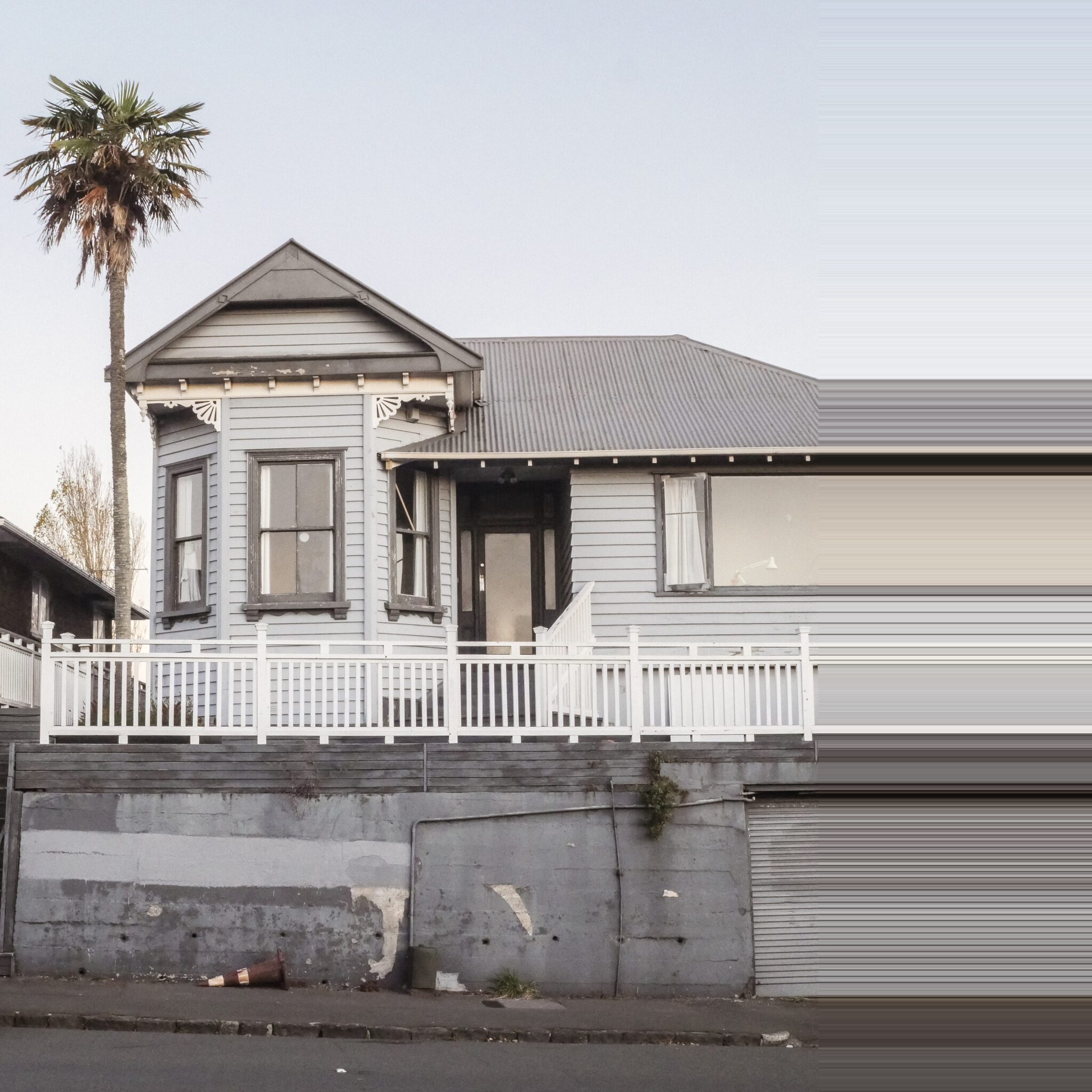
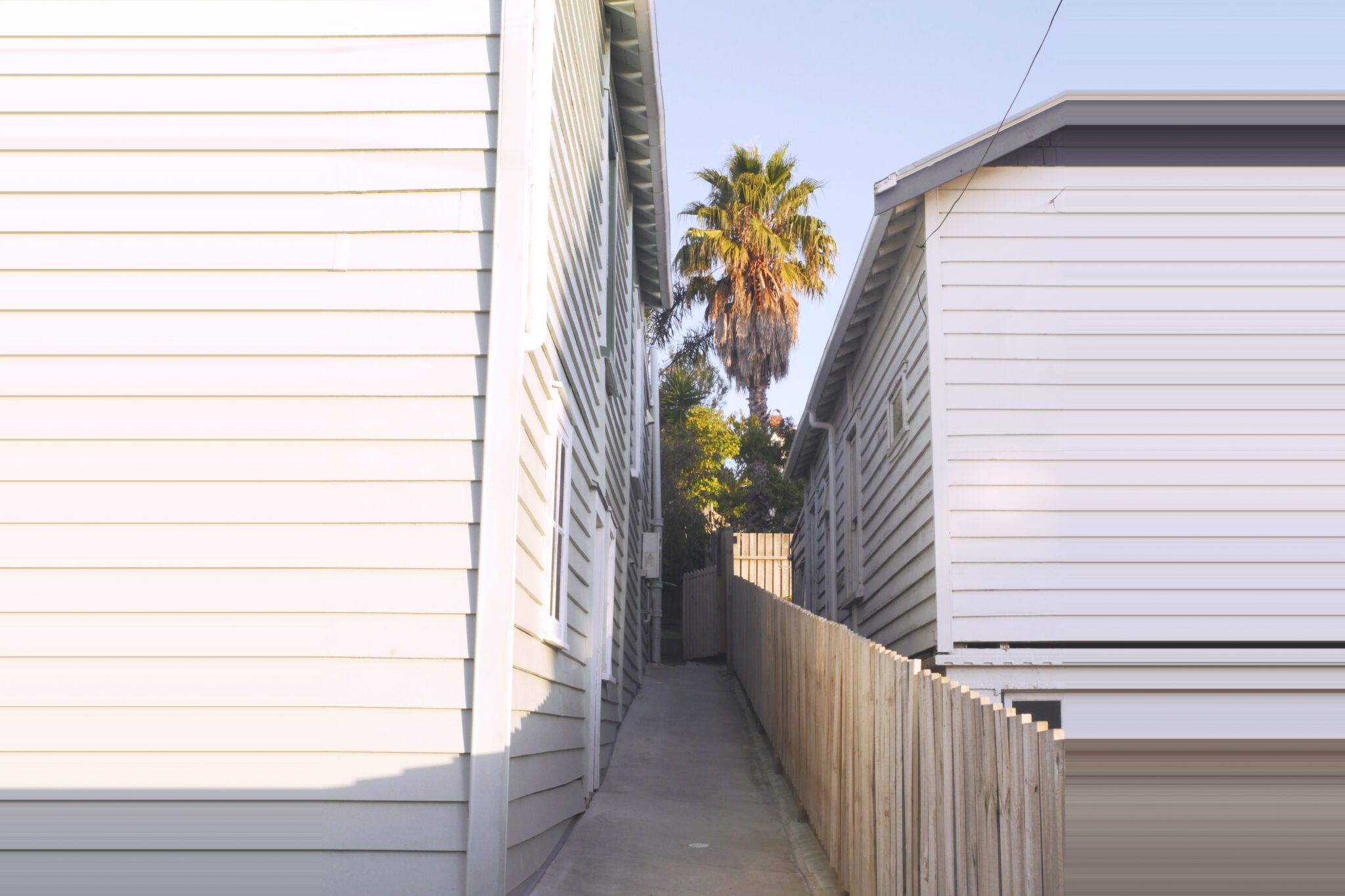
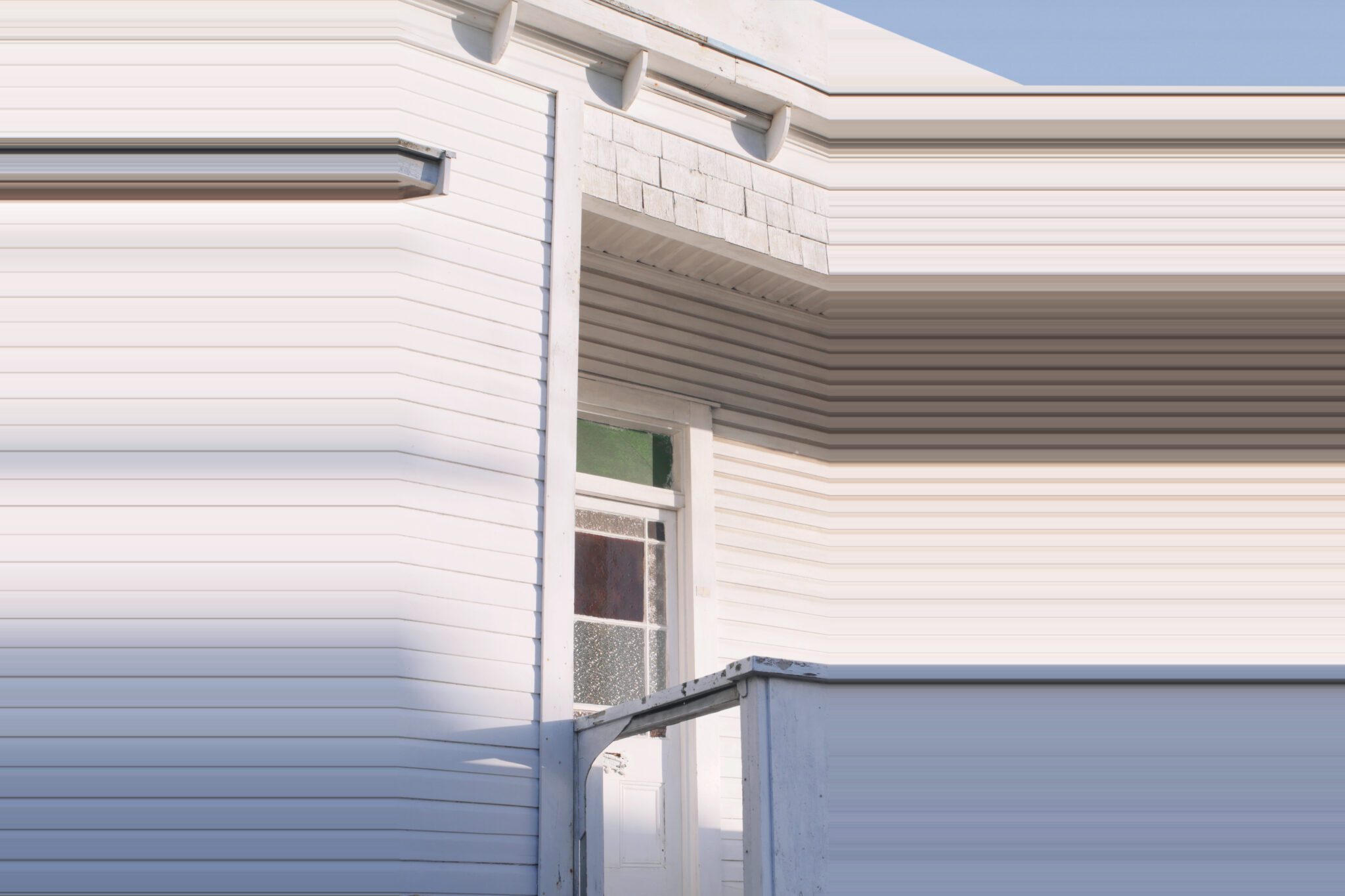
At the heart of the collection is a singular architectural motif: Auckland’s ubiquitous horizontal weatherboards. Sometimes crisp and painted white, sometimes worn by time, it is their echoing linearity that creates a visual rhythm throughout Jason’s work.
“Seeing Auckland with fresh eyes, I became increasingly absorbed by the continuous weatherboards — almost like a blurred sequence seen from a moving car,” he explains. This observation led him to explore the architectural history behind these forms: the distinctions between villas and bungalows, the legacy of the quarter-acre ideal, and the influences arriving from both sides of the world — the British Arts and Crafts movement and the Pacific influence of the Californian bungalow.
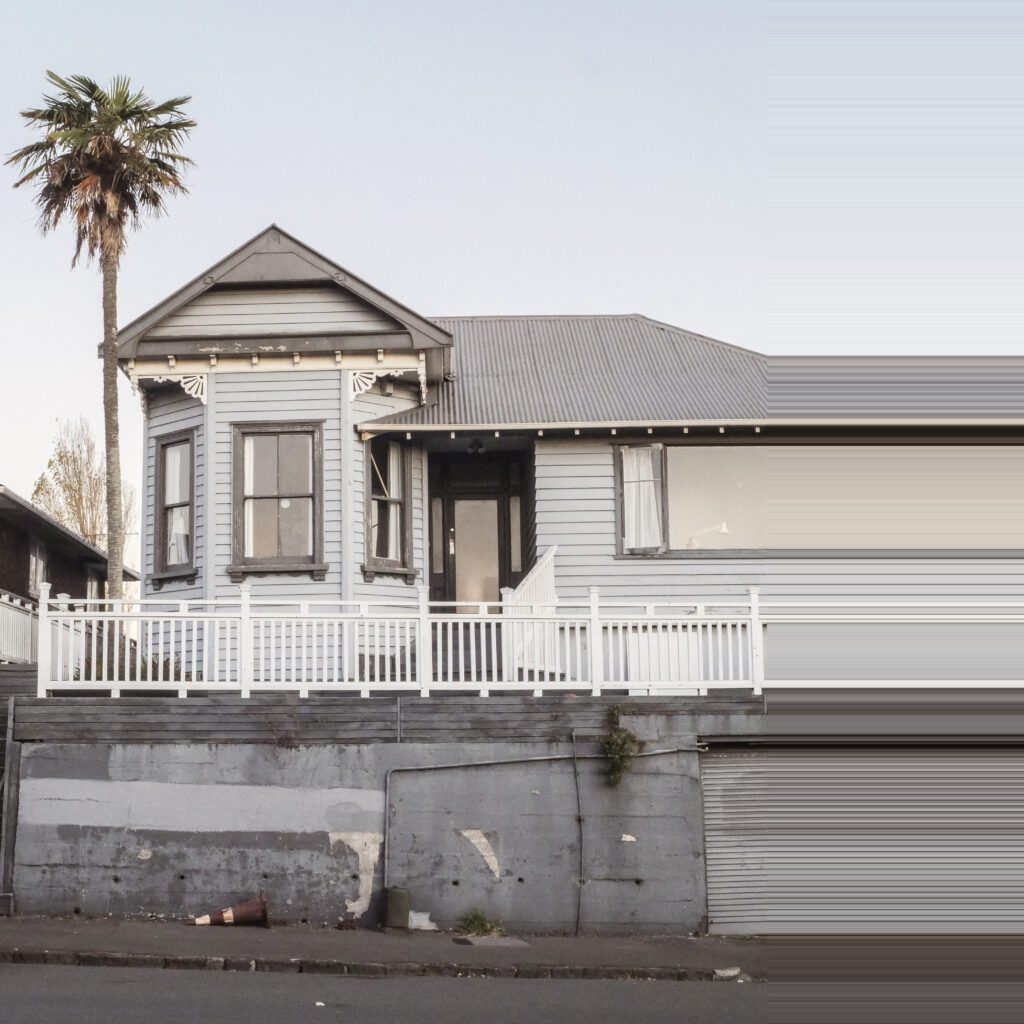
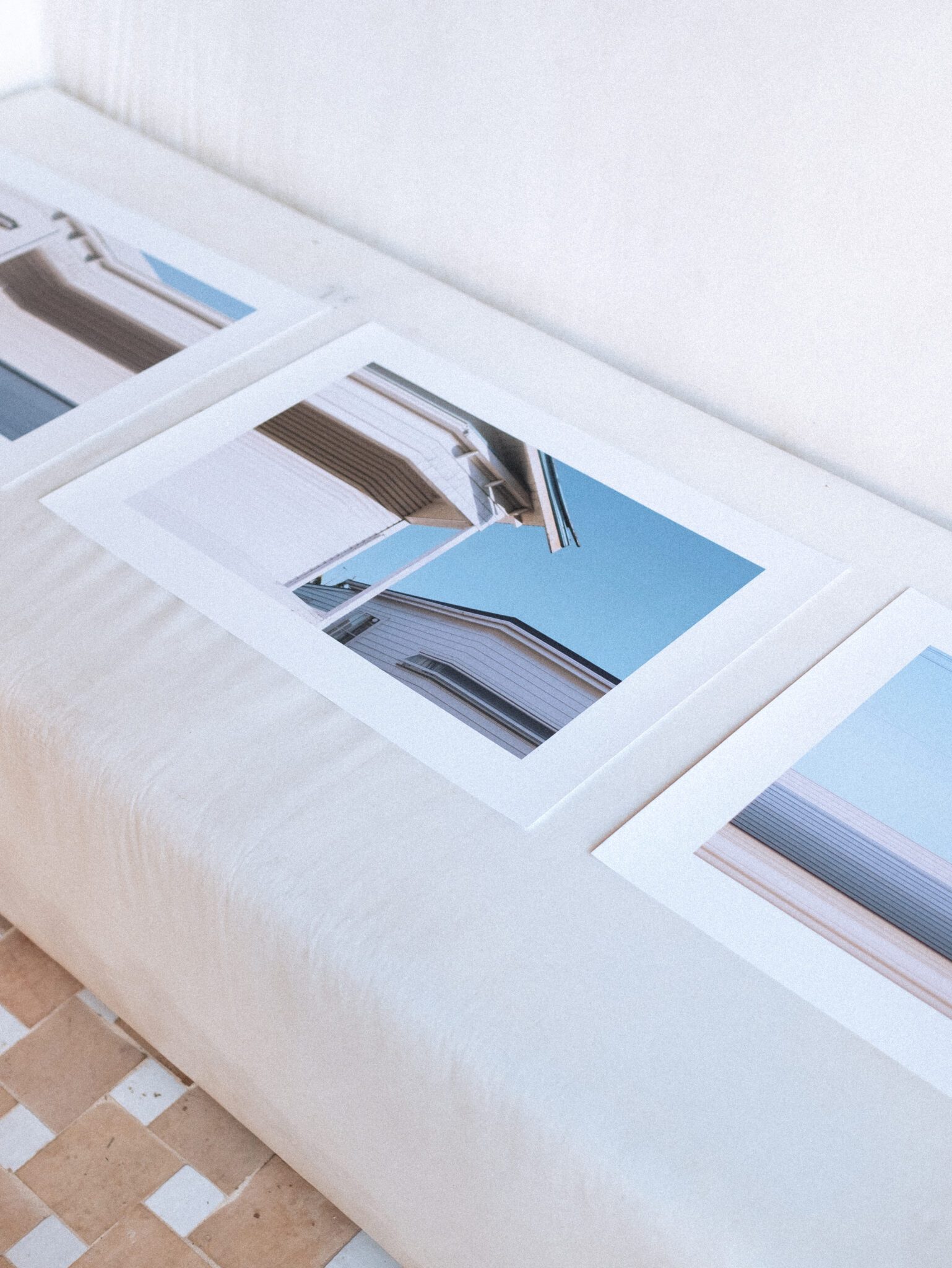
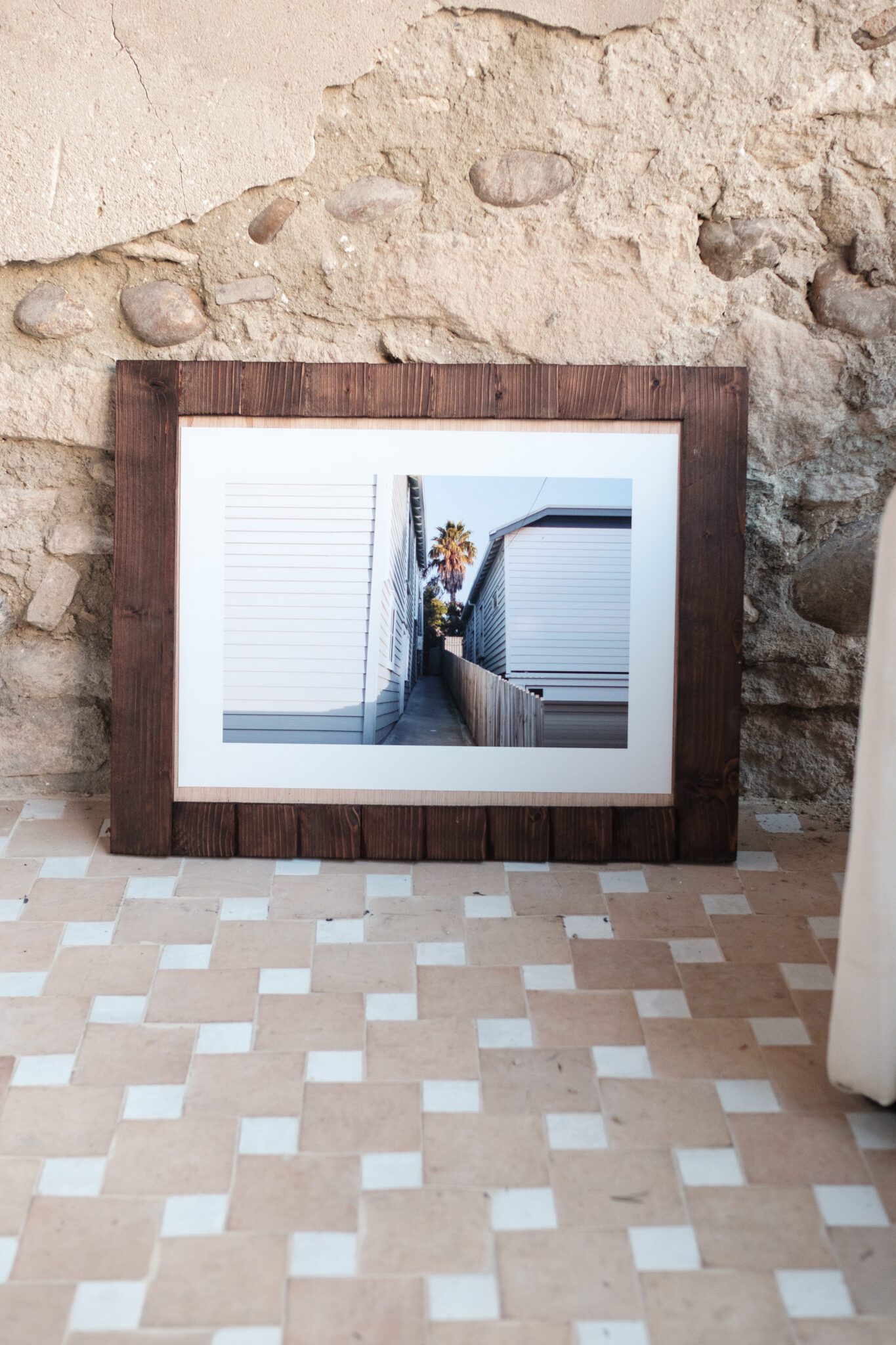
His photographs capture houses across central Auckland, images which Jason has subtly stretched to emphasise the continuous lines that connect the cityscape. “At the time, I was also particularly interested in the work of Los Angeles-based graffiti artist Revok who works with lines, and the graphic nature of the weatherboards was something I wanted to explore but in a way that was quite minimalist; one that makes you think of and feel Auckland without explaining too much.”
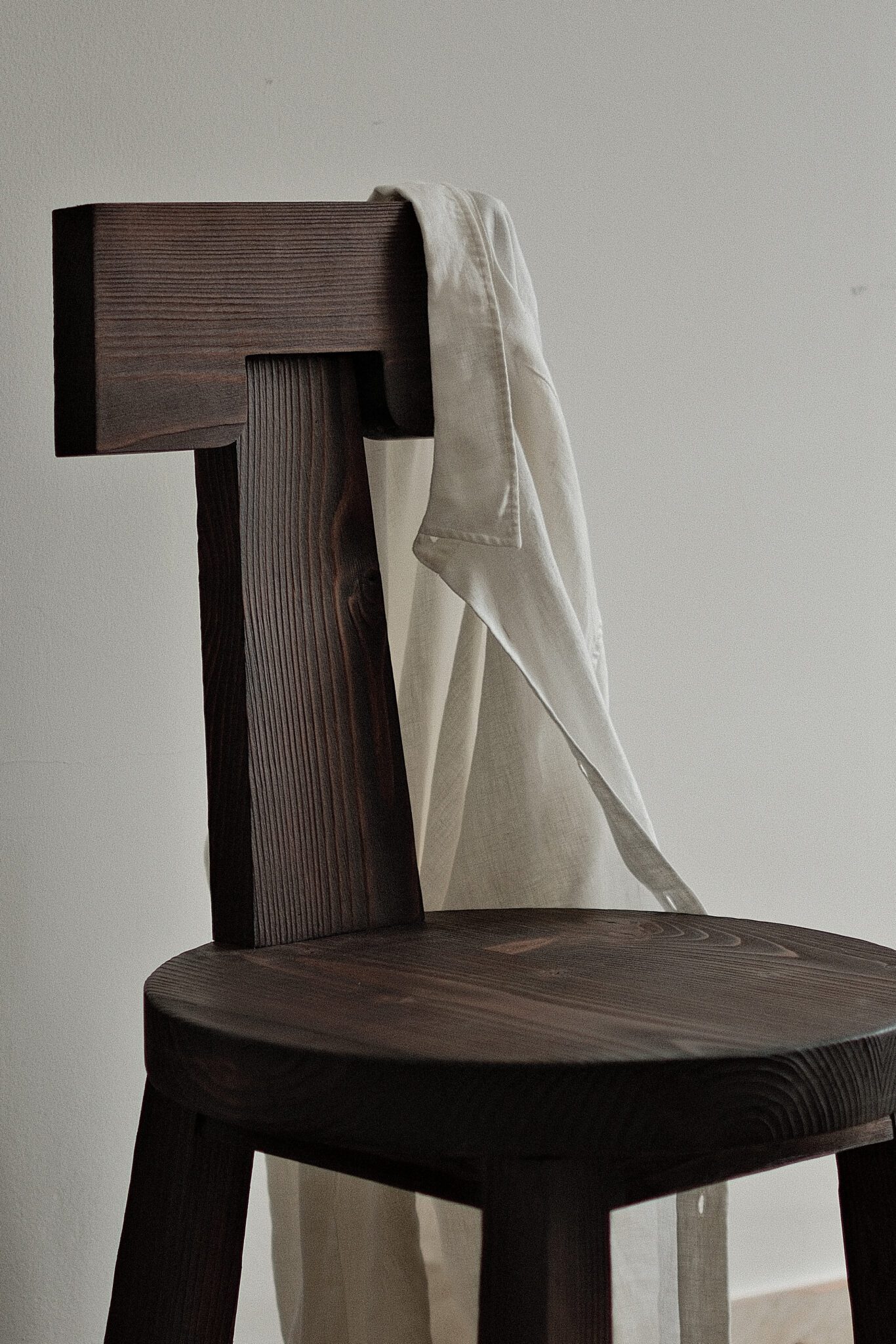
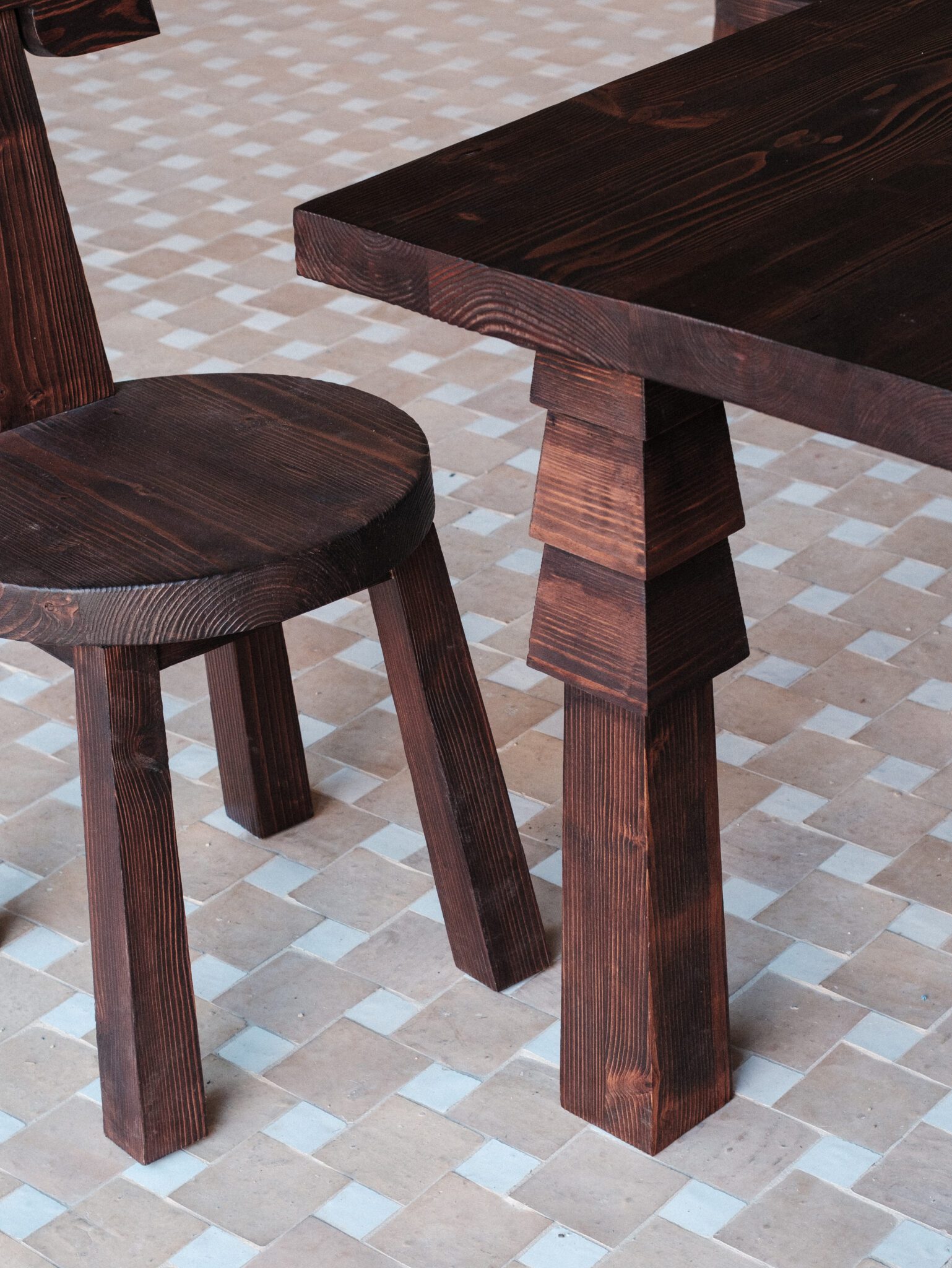
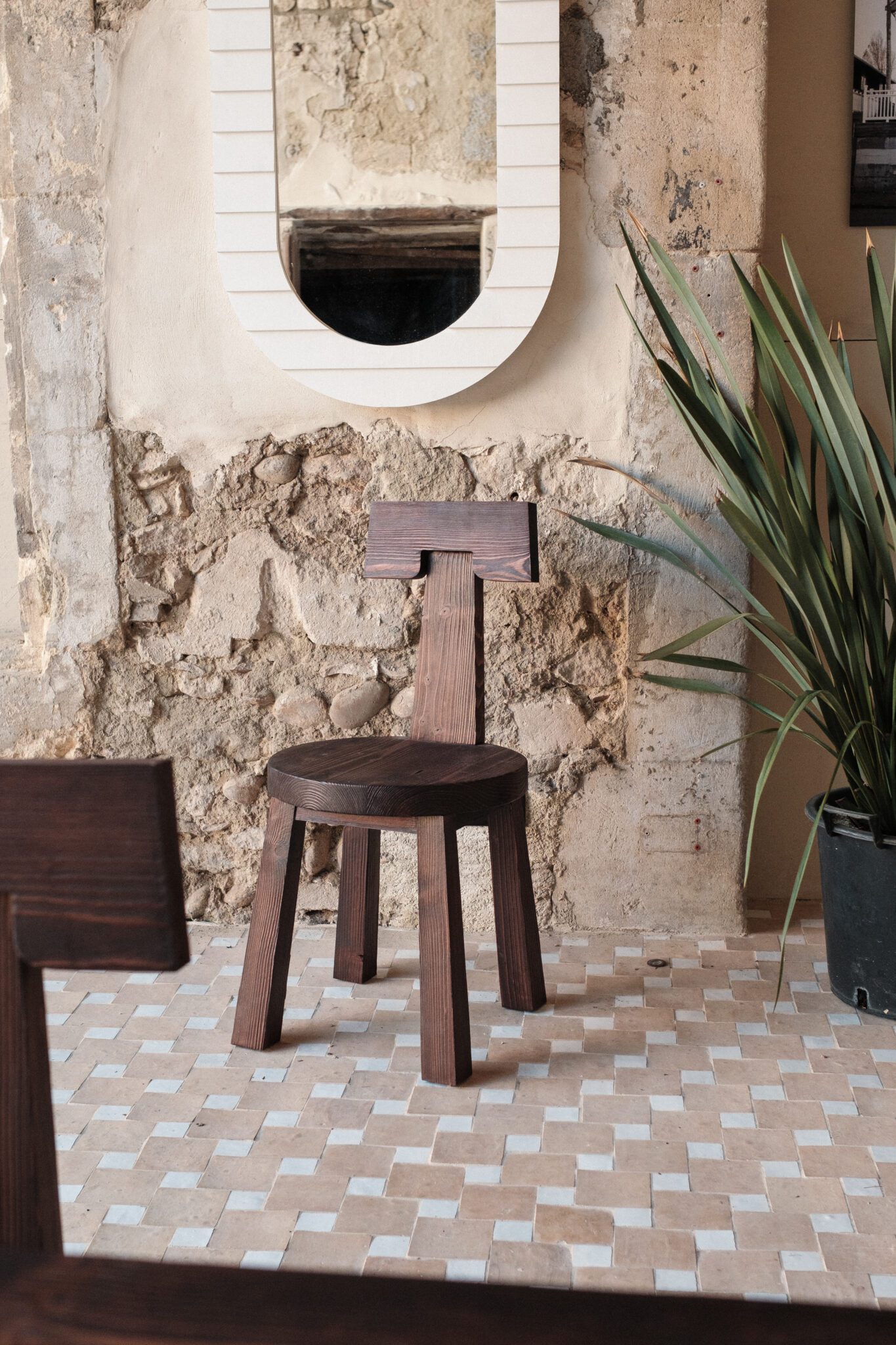
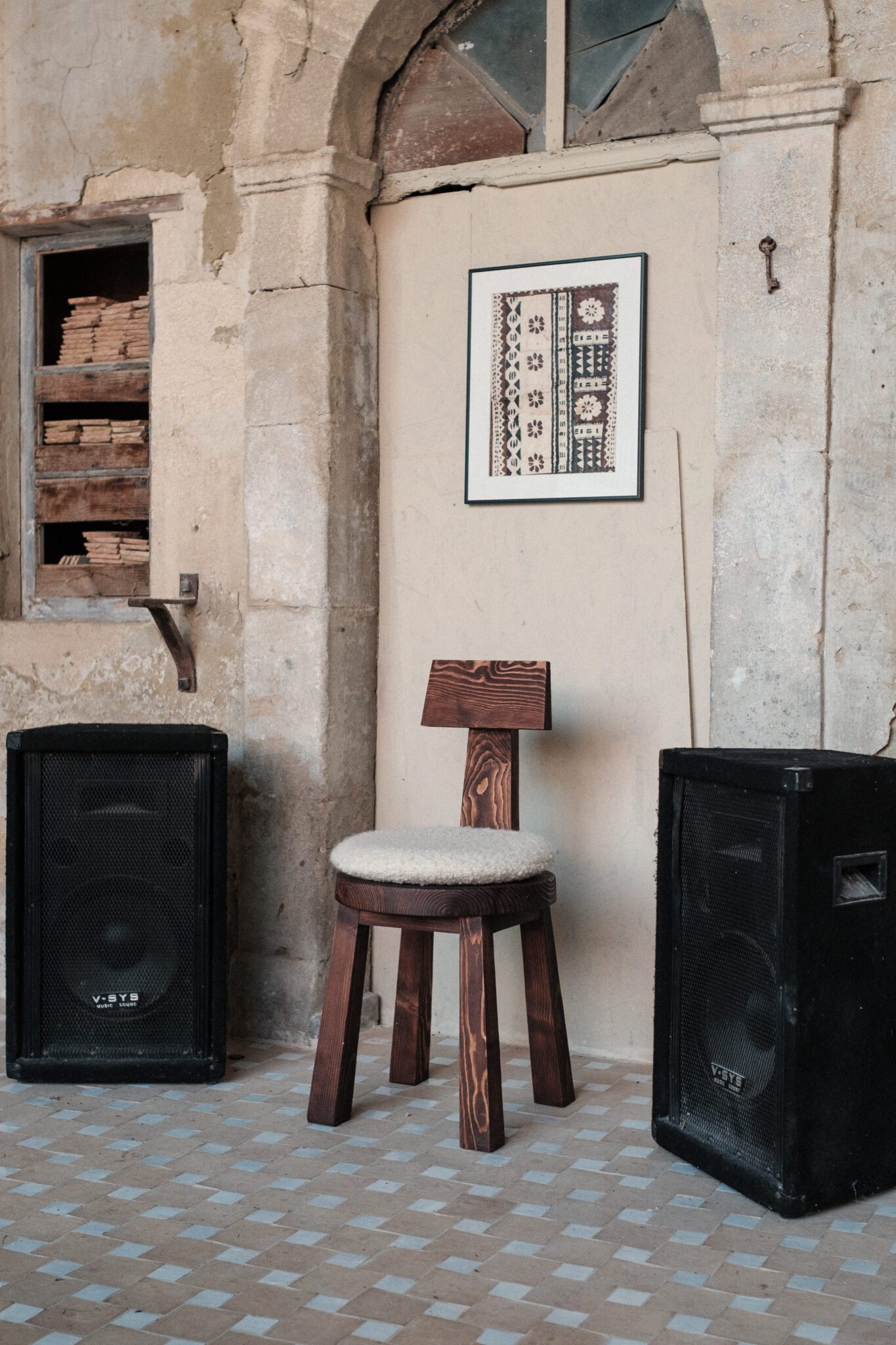
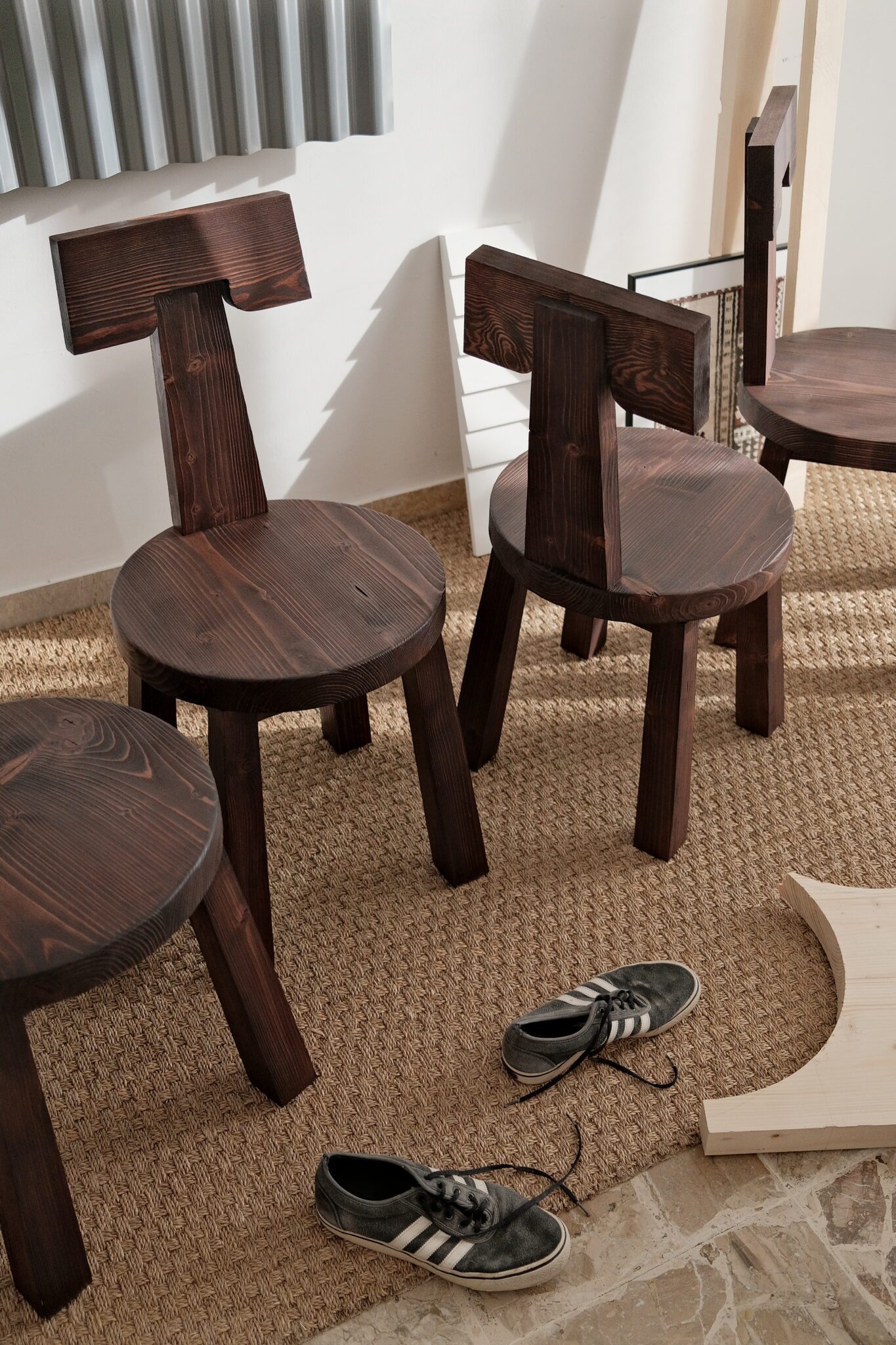
Alongside these architectural references, the collection acknowledges Auckland’s Polynesian and Māori roots. The furniture — particularly the chairs — reflects this layered heritage. While the forms are a personal interpretation, they speak to a deeper cultural layering, one that recognises the city as a convergence of histories rather than a singular narrative.
Ultimately, the Tāmaki Makaurau Collection captures a city seen anew. It is a quiet, thoughtful exploration of how architecture, culture and lived experience intersect to shape the places we call home.
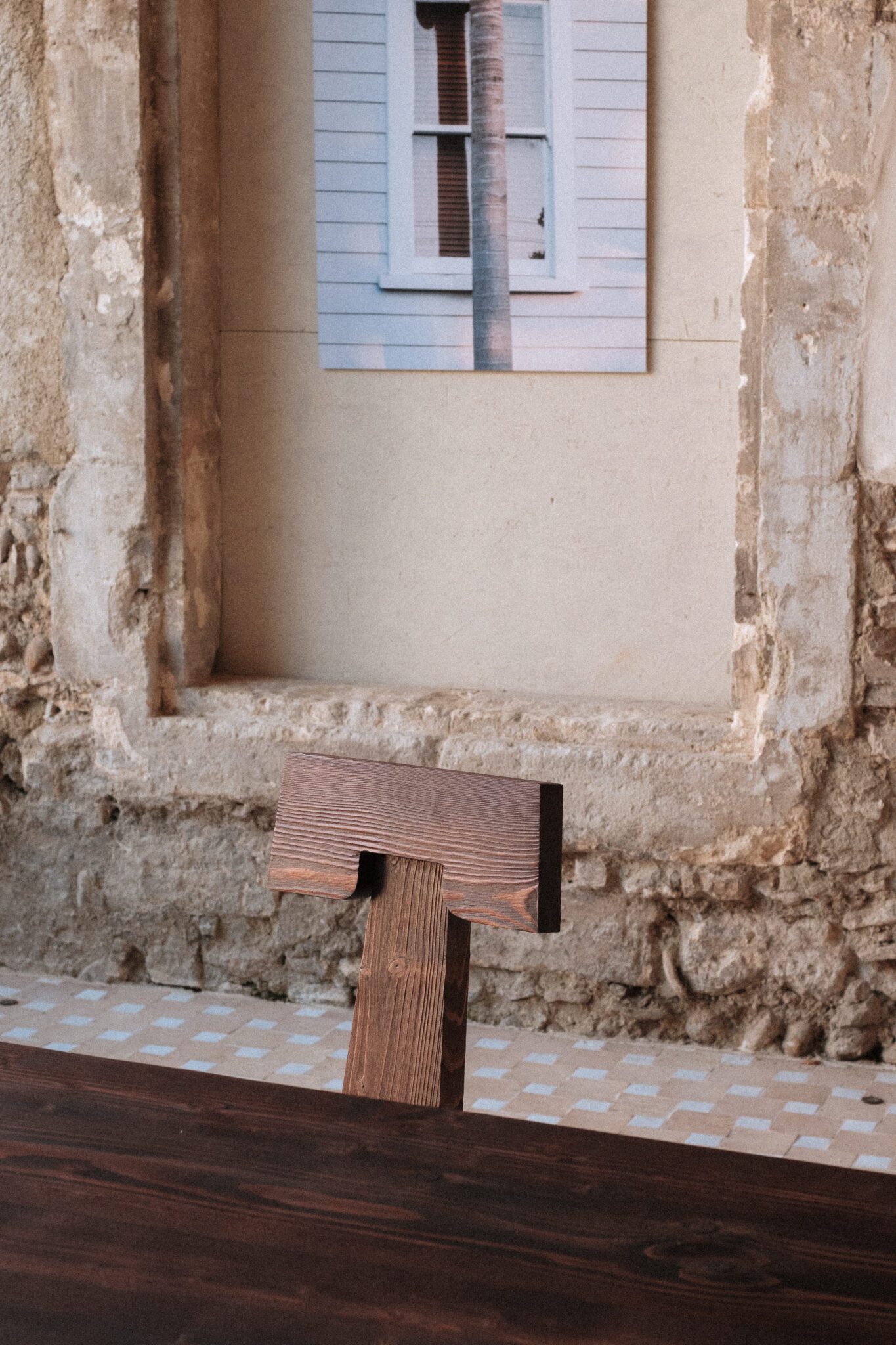
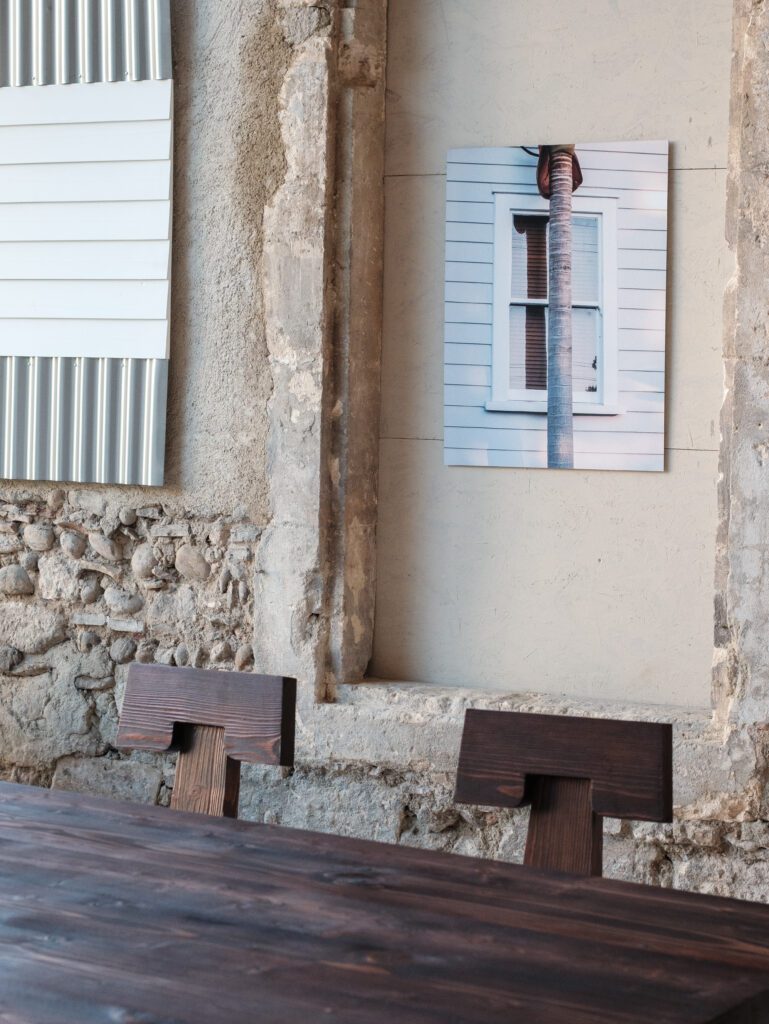
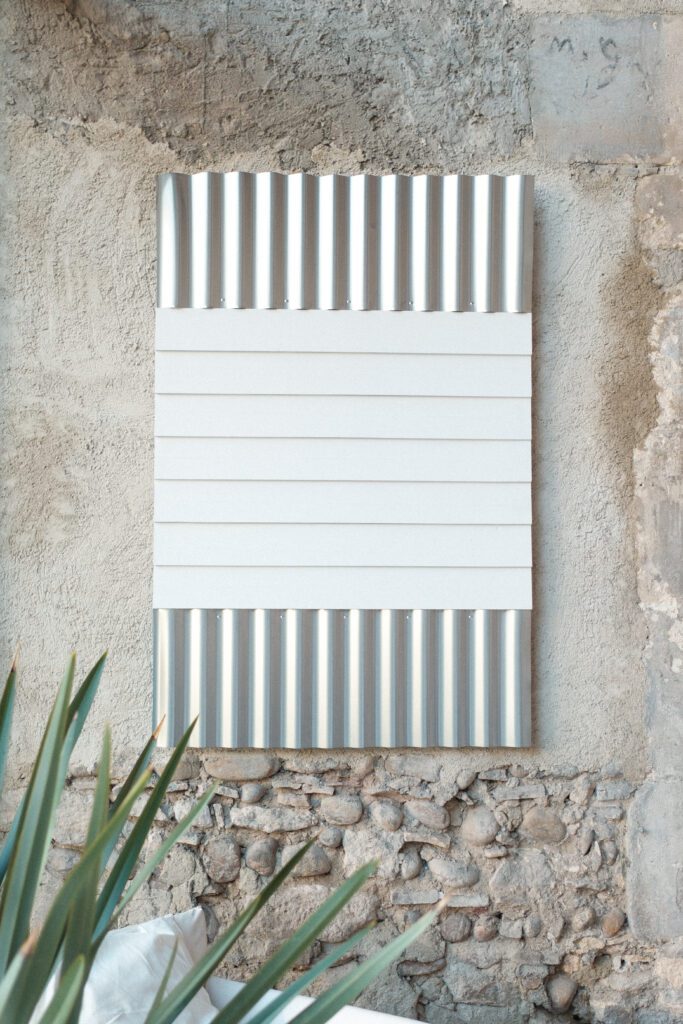
The Tamaki Makaurau collection includes a chair, a table, a mirror, a wall piece formed with weatherboards and corrugated iron, and a series of photographs depicting Auckland houses.
The collection was photographed at La Bastide des Chardons in the south of France, a project by Bosc Architects.
Limited editions of each piece are available to purchase directly from the artist.