
Bunker House

Named the 2025 Home of the Year, this unmissable yet small beach house took 14 years to complete. With its daring engineering and materiality, as well as its highly public section, passive house methodology and attention to detail, it benefits not just its owners but also the public sphere as a whole.

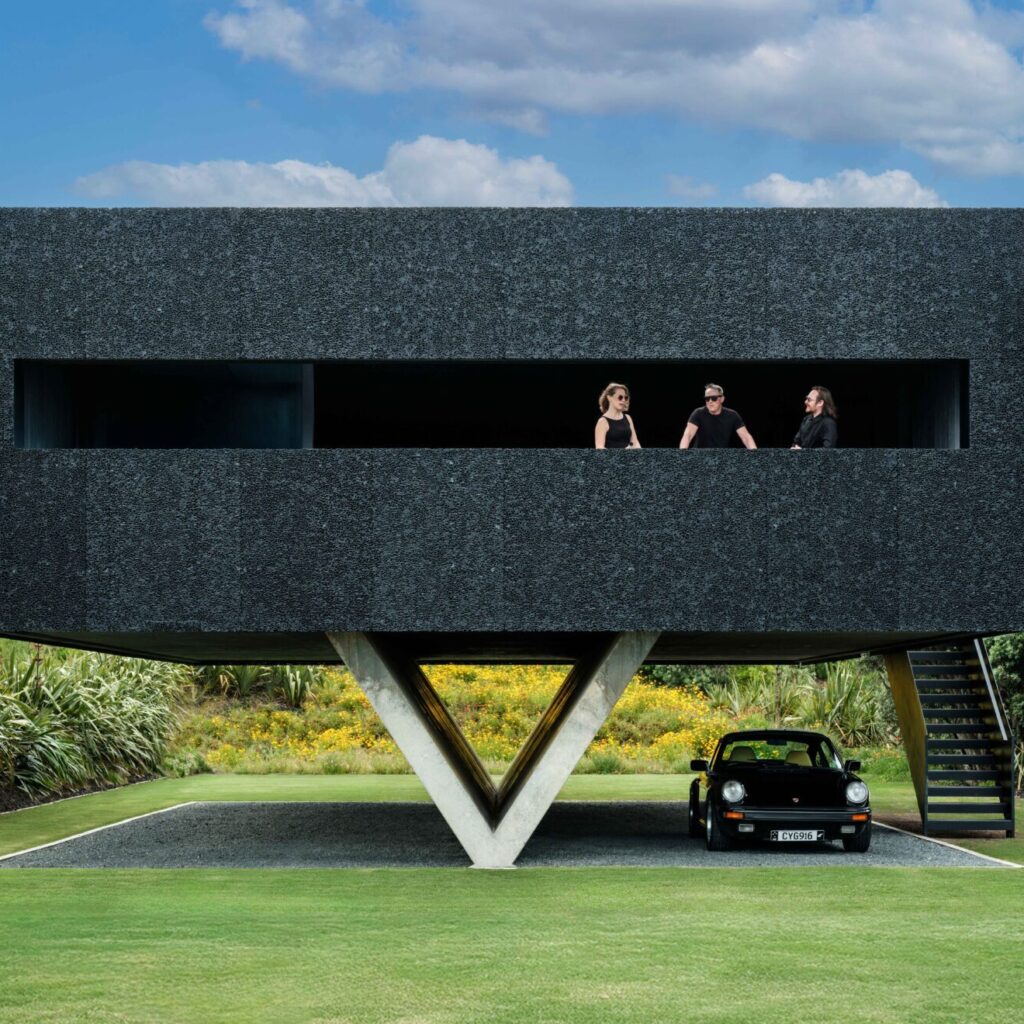
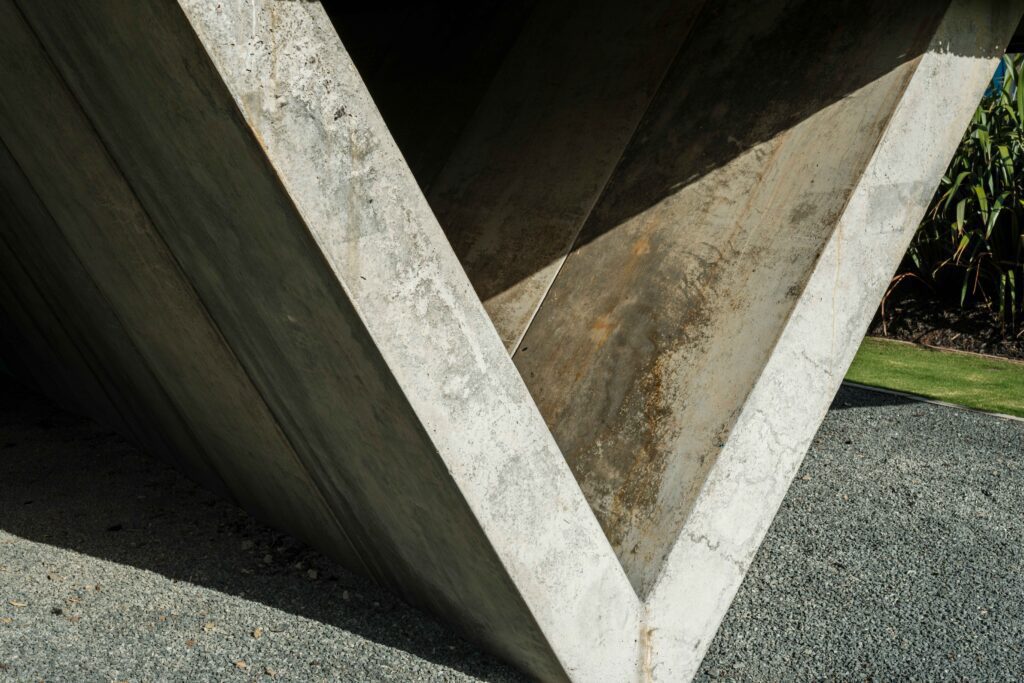
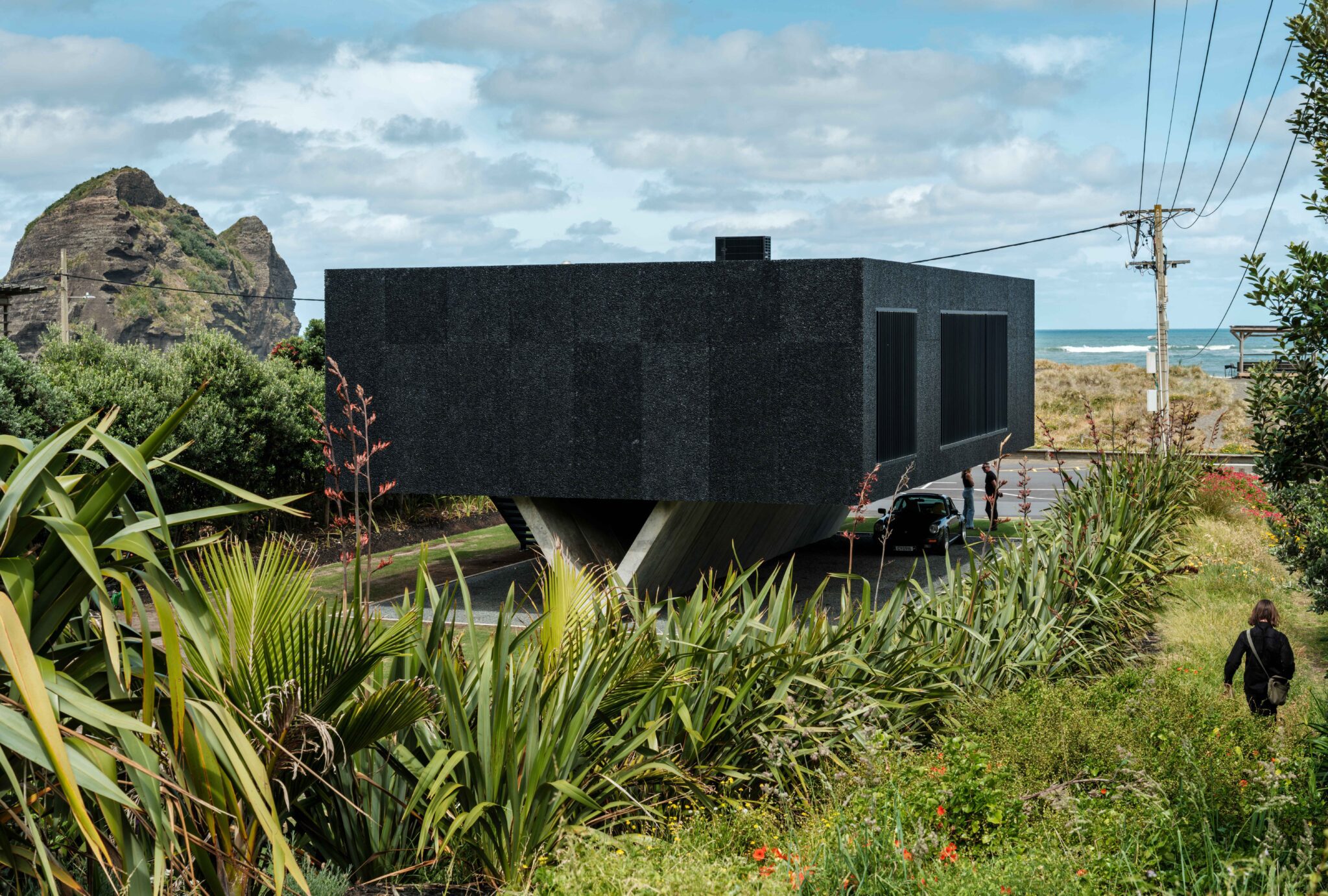
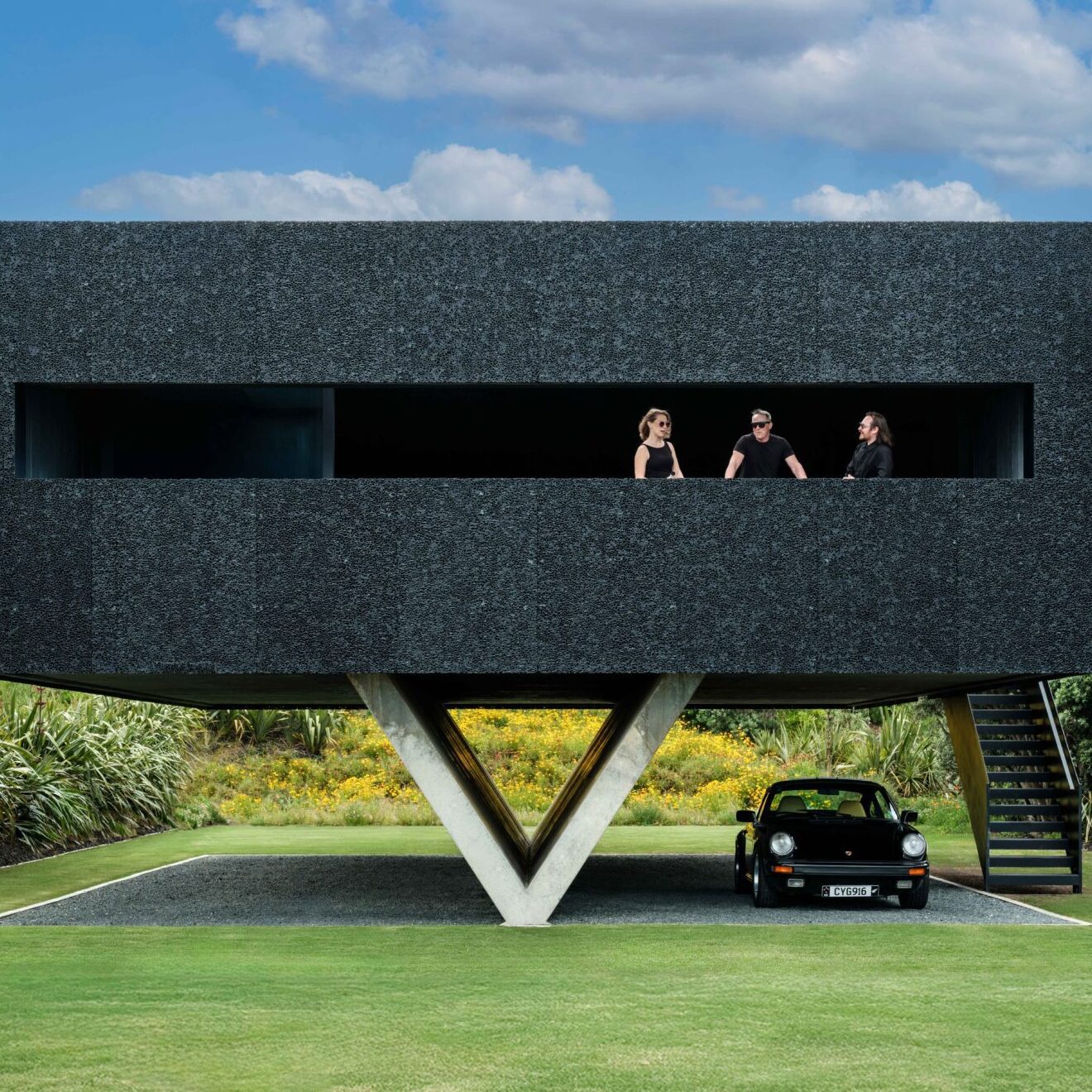
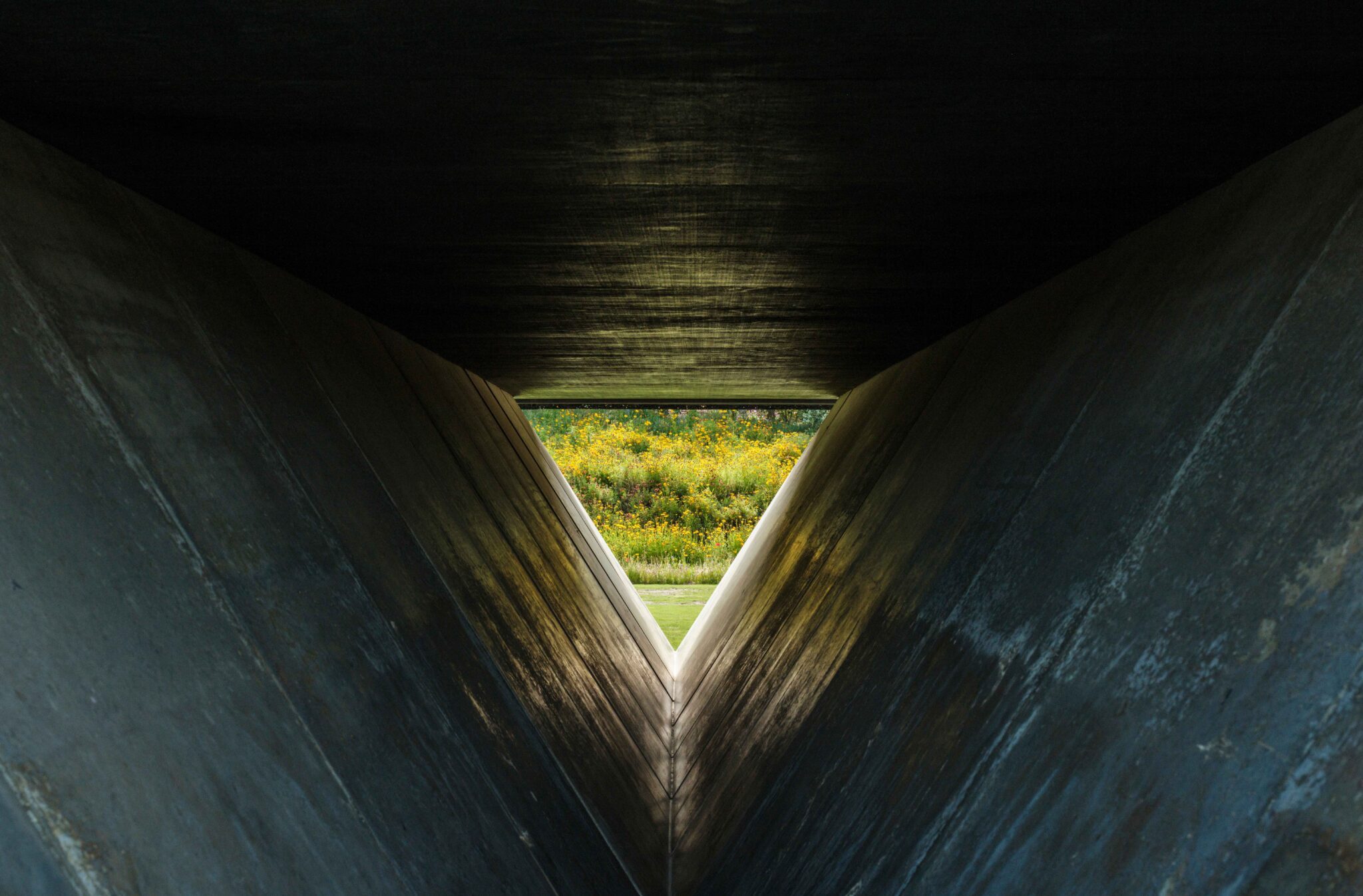
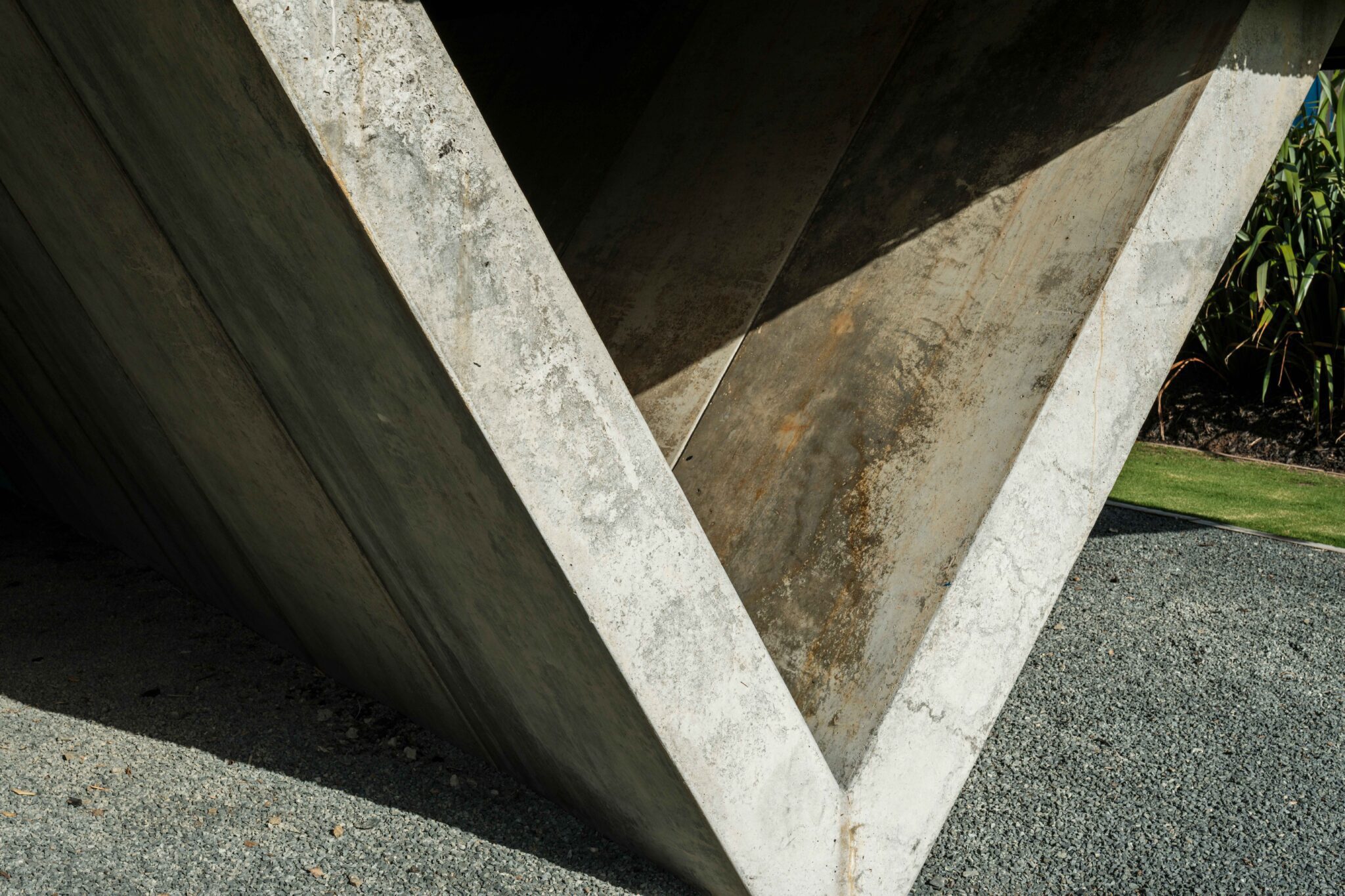
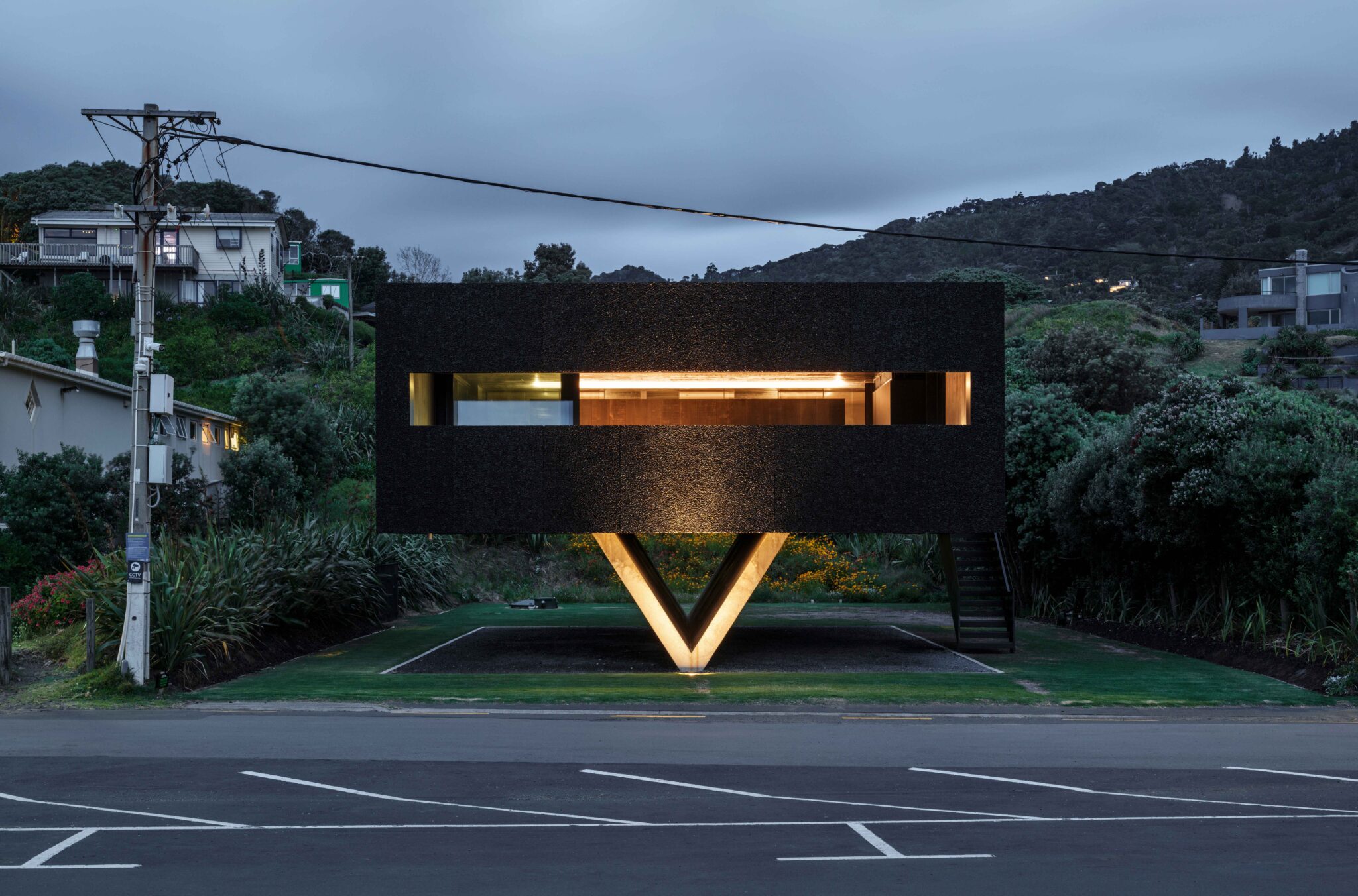
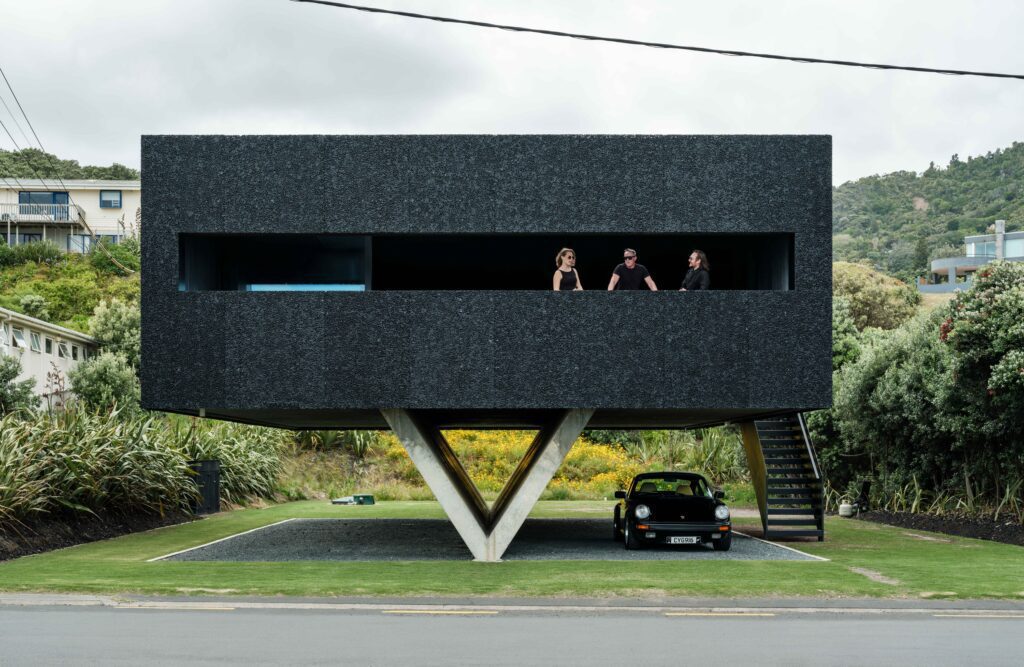
This beach home's sculptural equilibrium is accomplished by an impressive, large, X-shaped foundation.

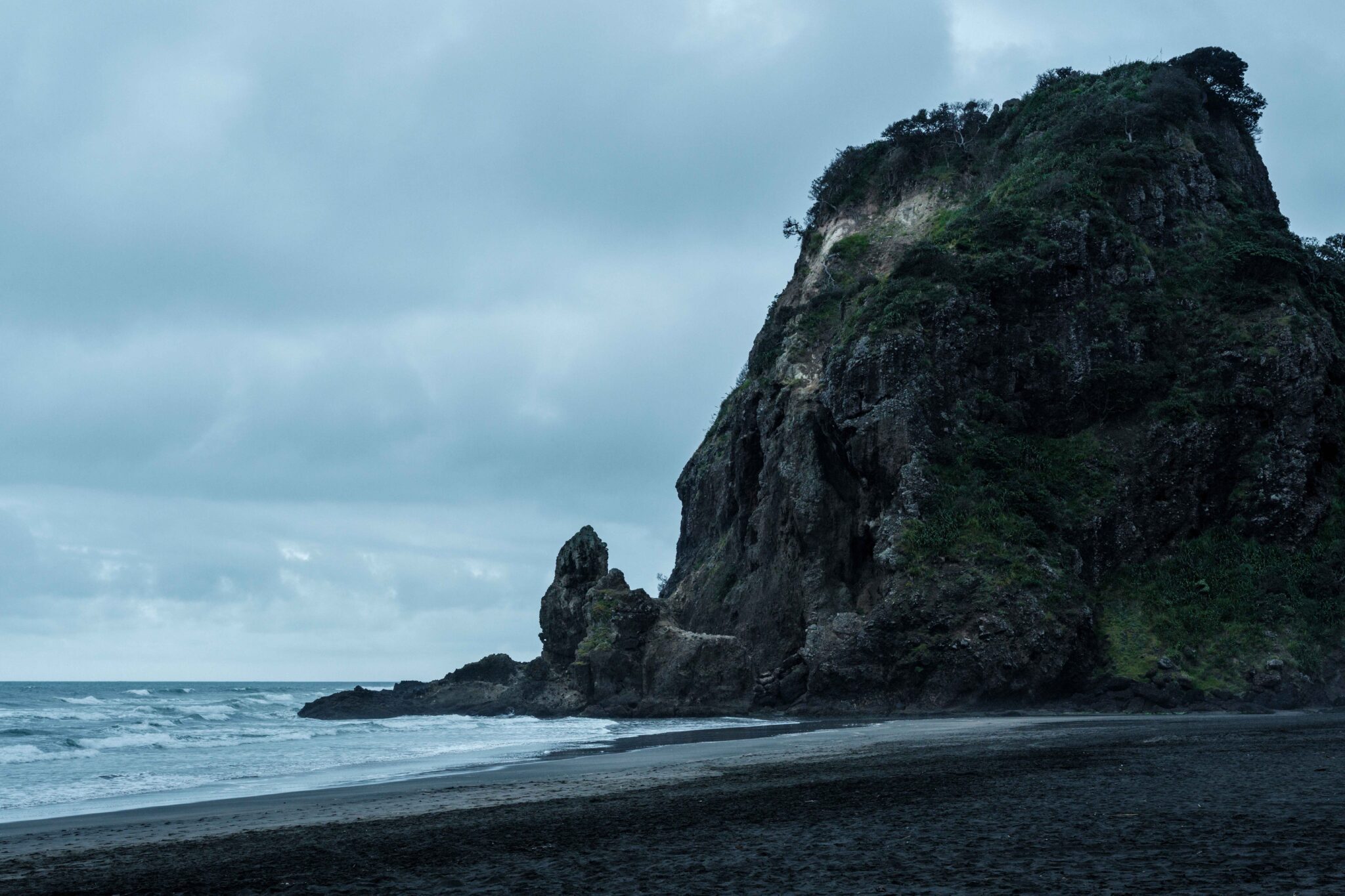
Piha is a place of dissonant contrasts — lush native greenery, sheer cliffs, black volcanic sand, and pounding surf that is both hypnotic and threatening. It’s a raw, magnetic landscape where a Māori princess used to perch on Lion Rock to watch the sea for hours, and where unexplained disappearances and dramatic rescues have added to its mythos. 

Set against this intensity is an equally compelling home by Chris Tate — a project 14 years in the making, with seven of those spent in design. “Every detail in the house was a project on its own,” says Chris, reflecting on the meticulous commitment that defined the build.

The lower half of the 'X' has been dug deep underground, while the upper half remains visible, balancing the dark, rectangular form above.

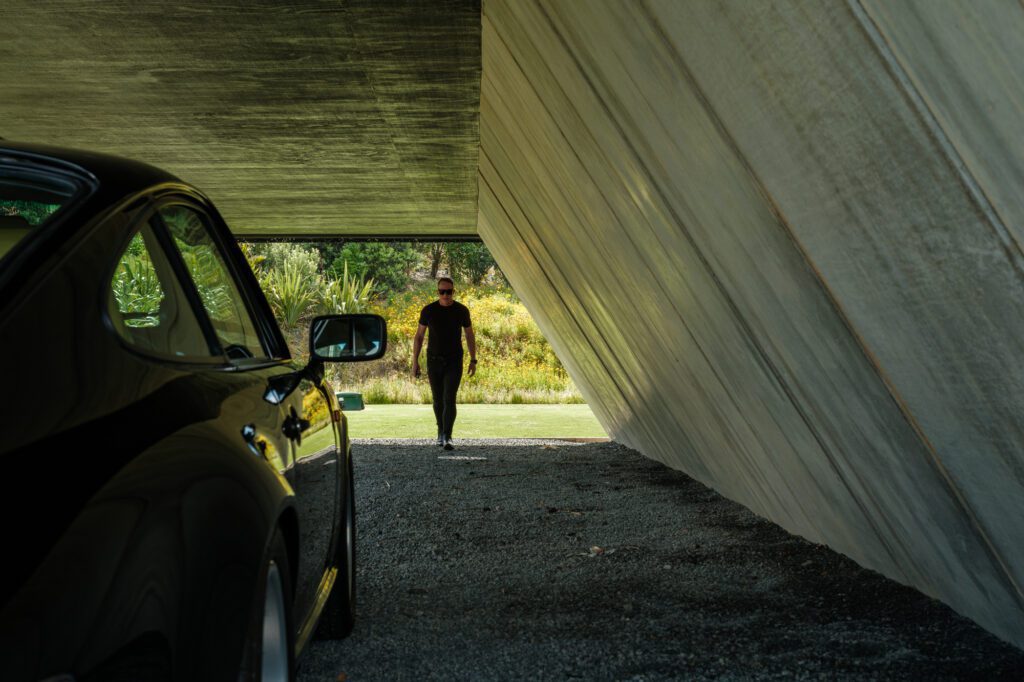
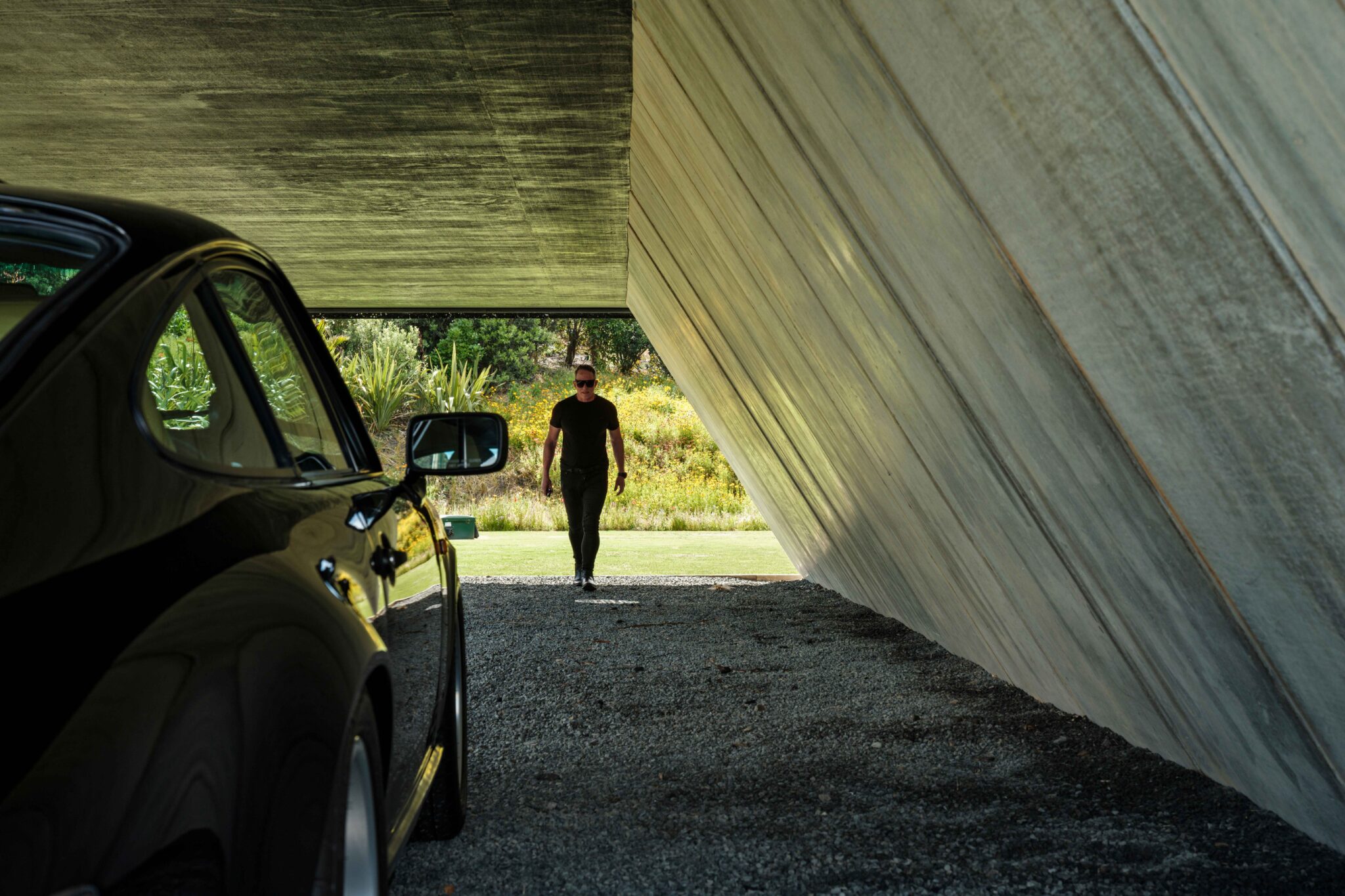
Though just 150m², the house has a strong presence that is assertive yet proportionate. Brutalist in form, it rests on a dramatic angular concrete ‘X’. “It had to be designed to the limit of cartage,” explains Chris. Half of the ‘X’ is buried deep in sand, while its upper ‘V’ balances the single-storey home with plenty of sculptural drama; its simple boxy persona cantilevered, delicately touching the ground below.

Despite its bunker-like appearance, it is designed to passive house standards, with concealed services and no visible mechanics. Its cladding — made from recycled aluminium cans — is a shimmering, asymmetrical skin that recalls volcanic rock and something far beyond mere functionality. “I do see it as art,” says Chris.

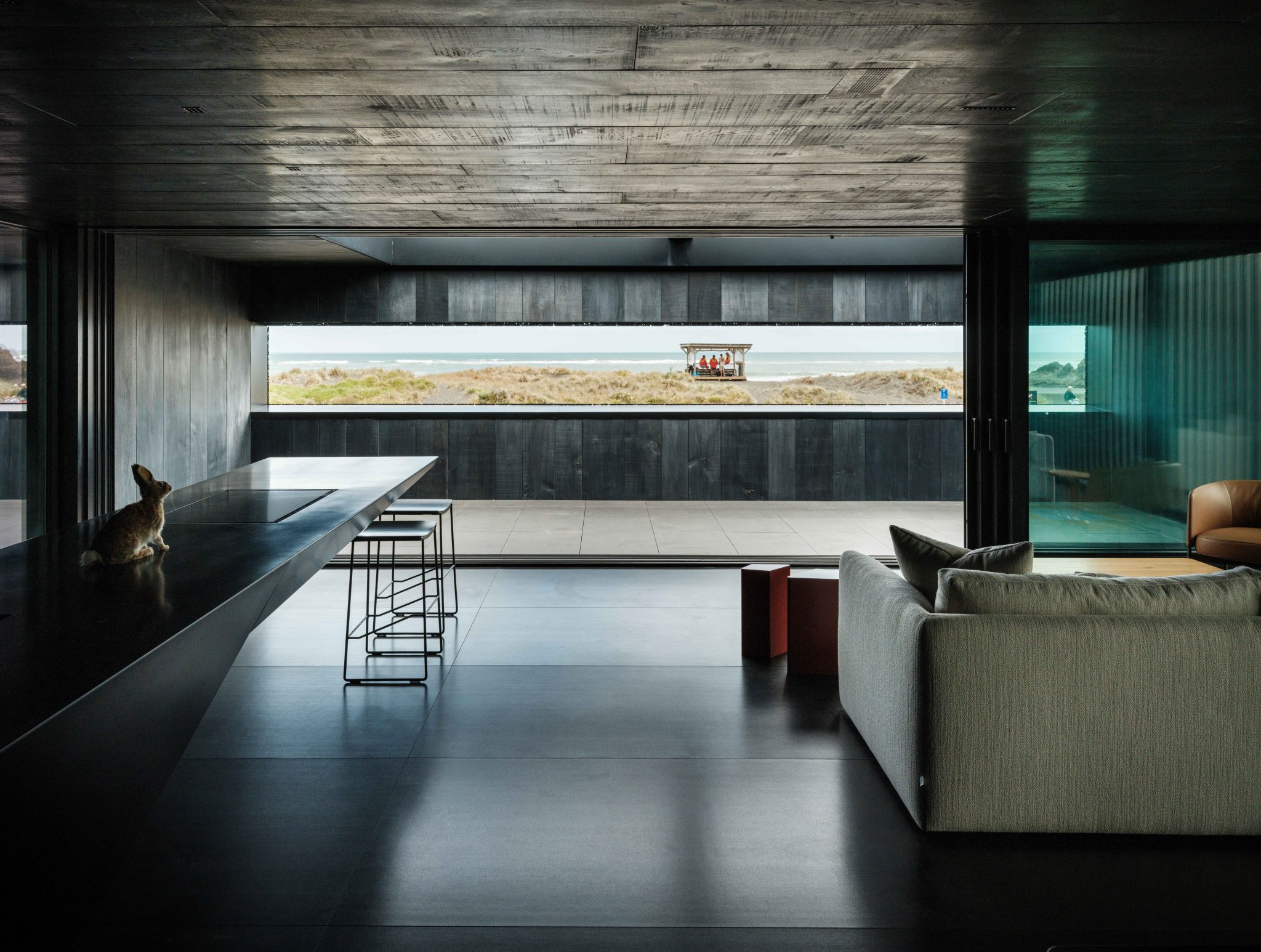
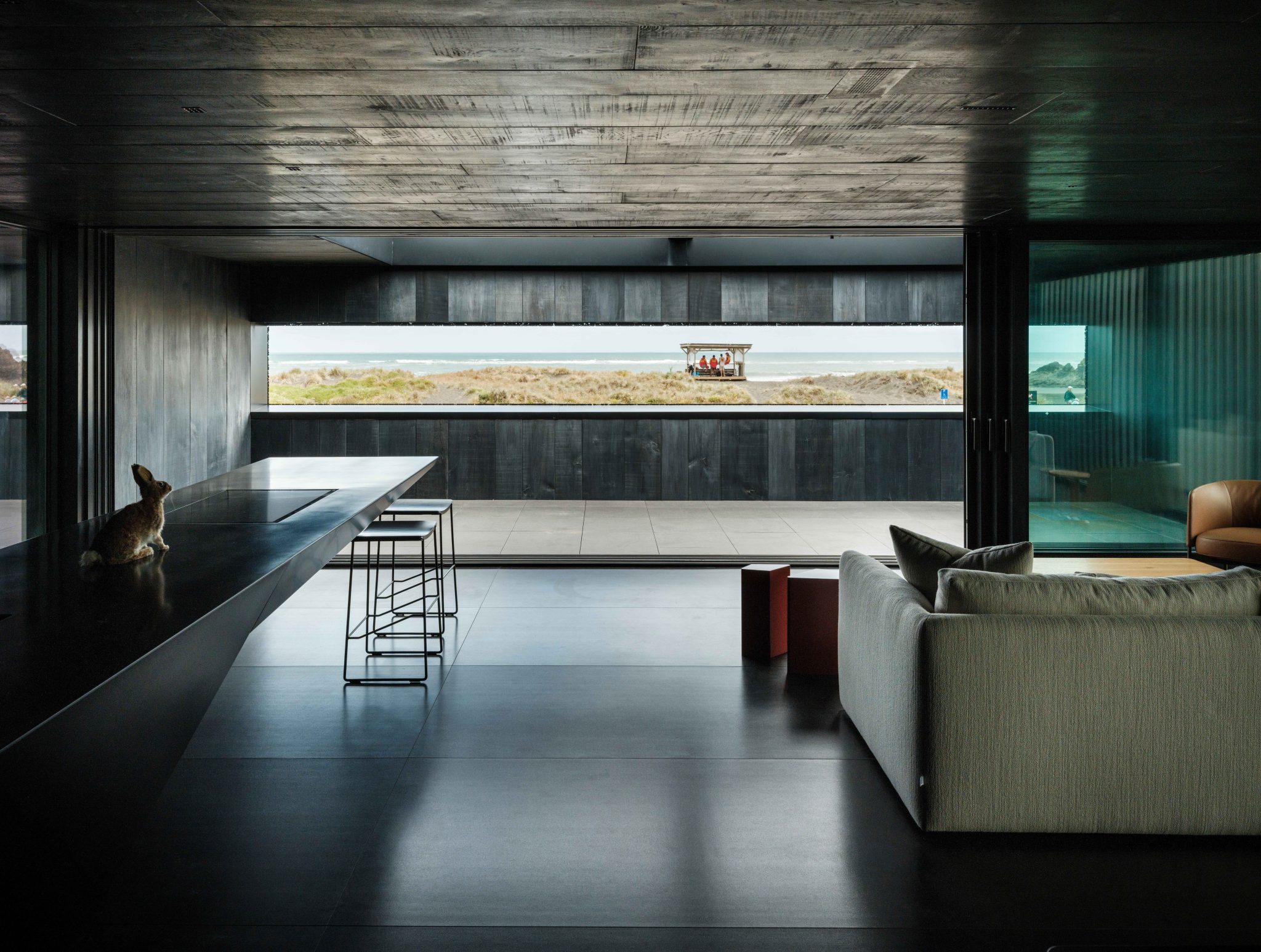
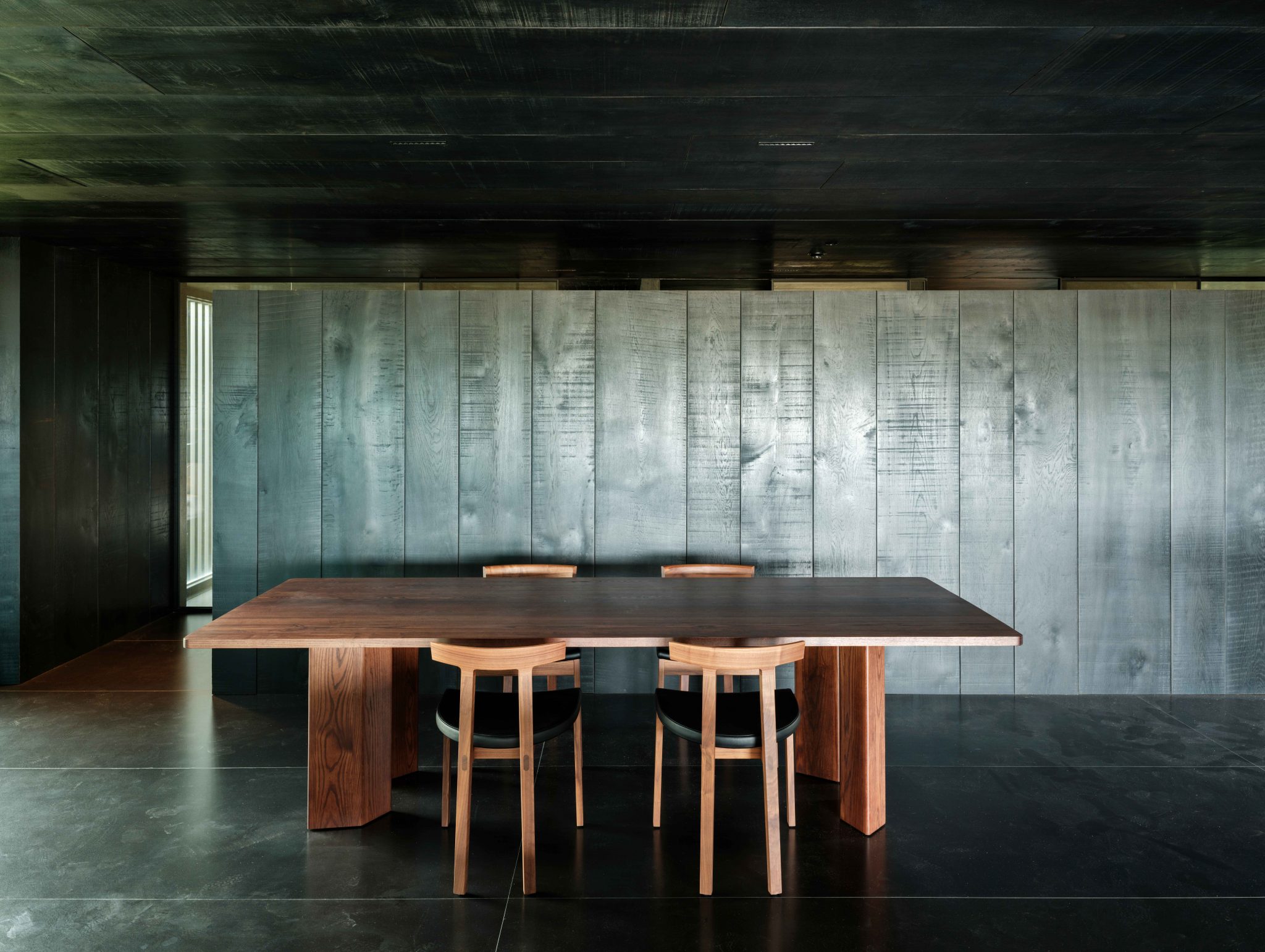
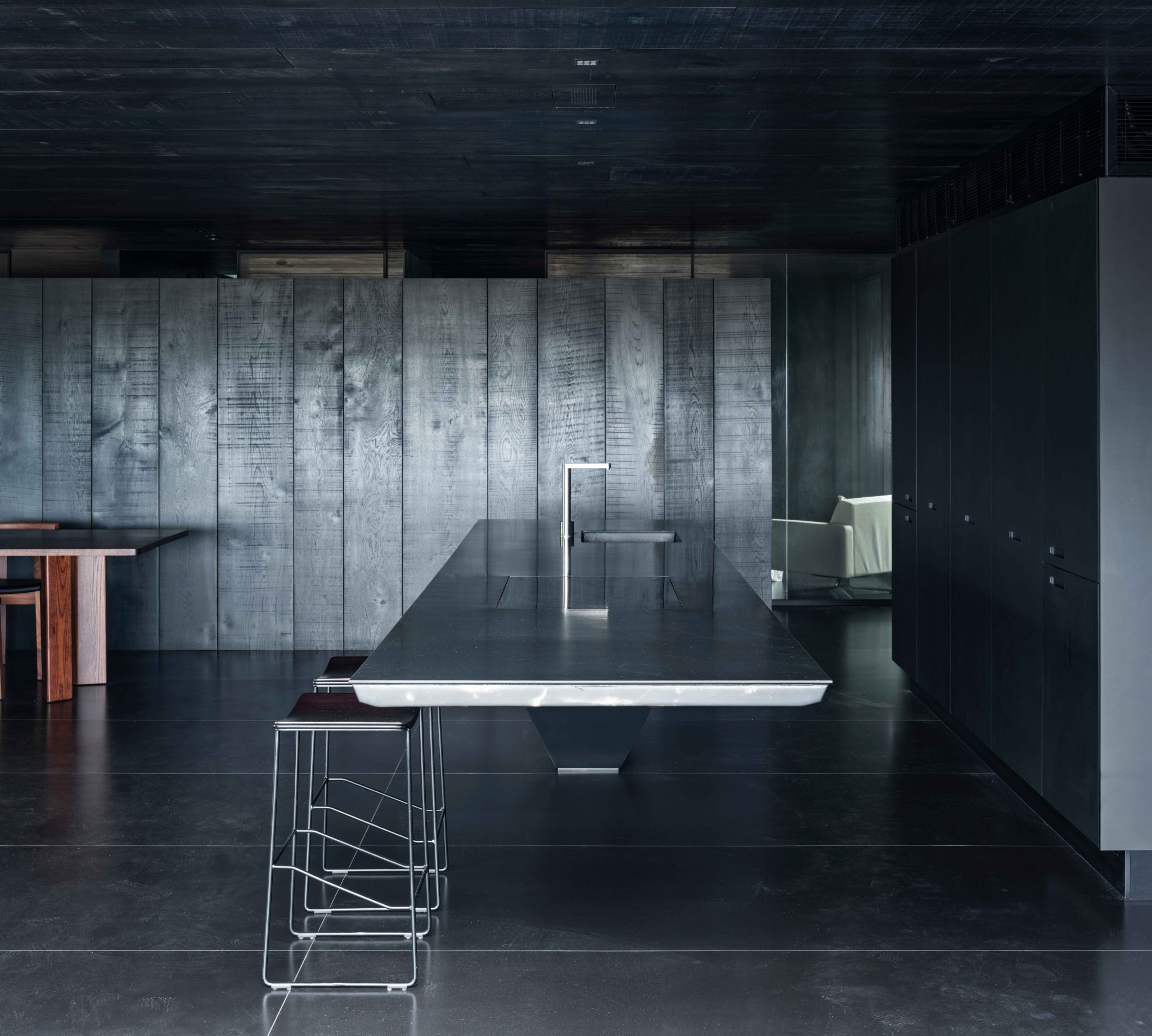
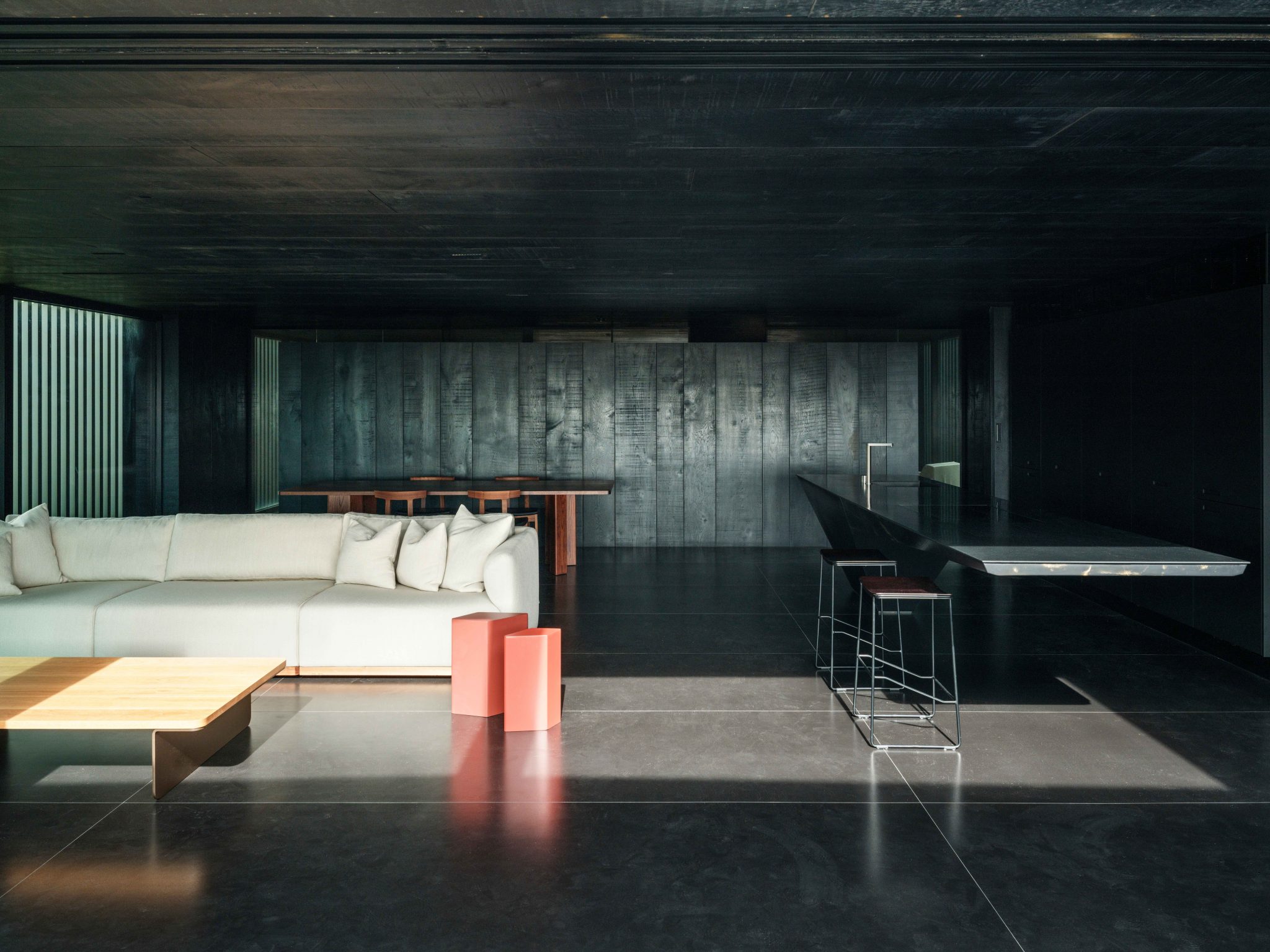
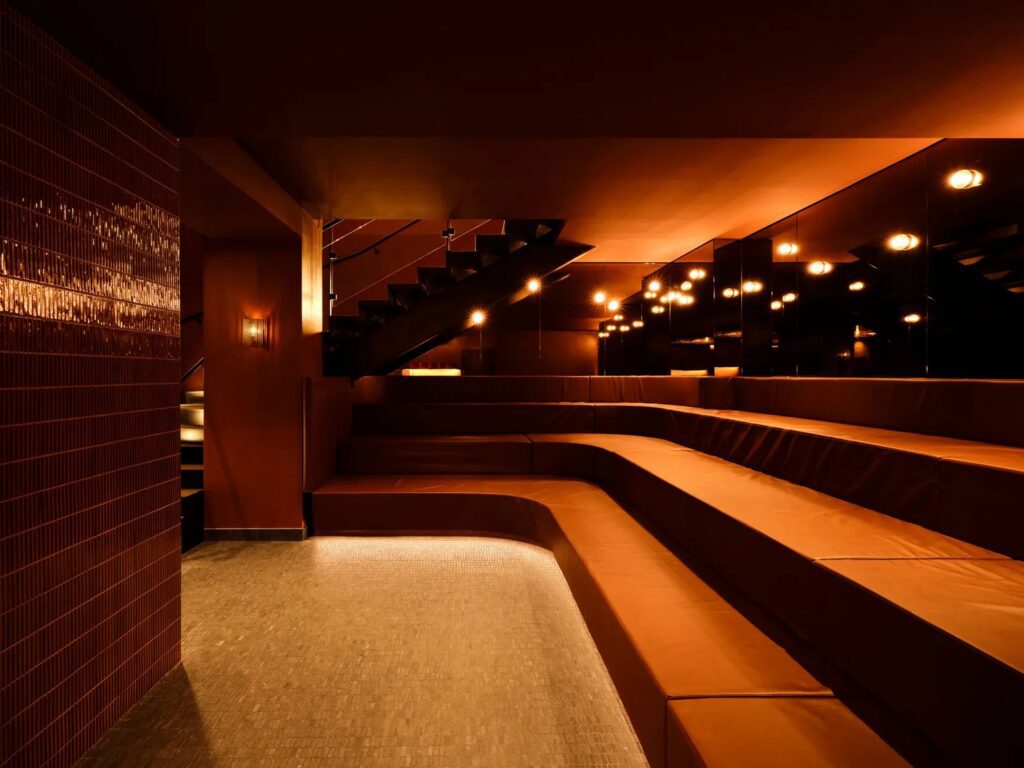
The interior layers black on black, while different, subtle variations in tone and reflectivity, pattern and porosity give the cave-like space interest and variety.

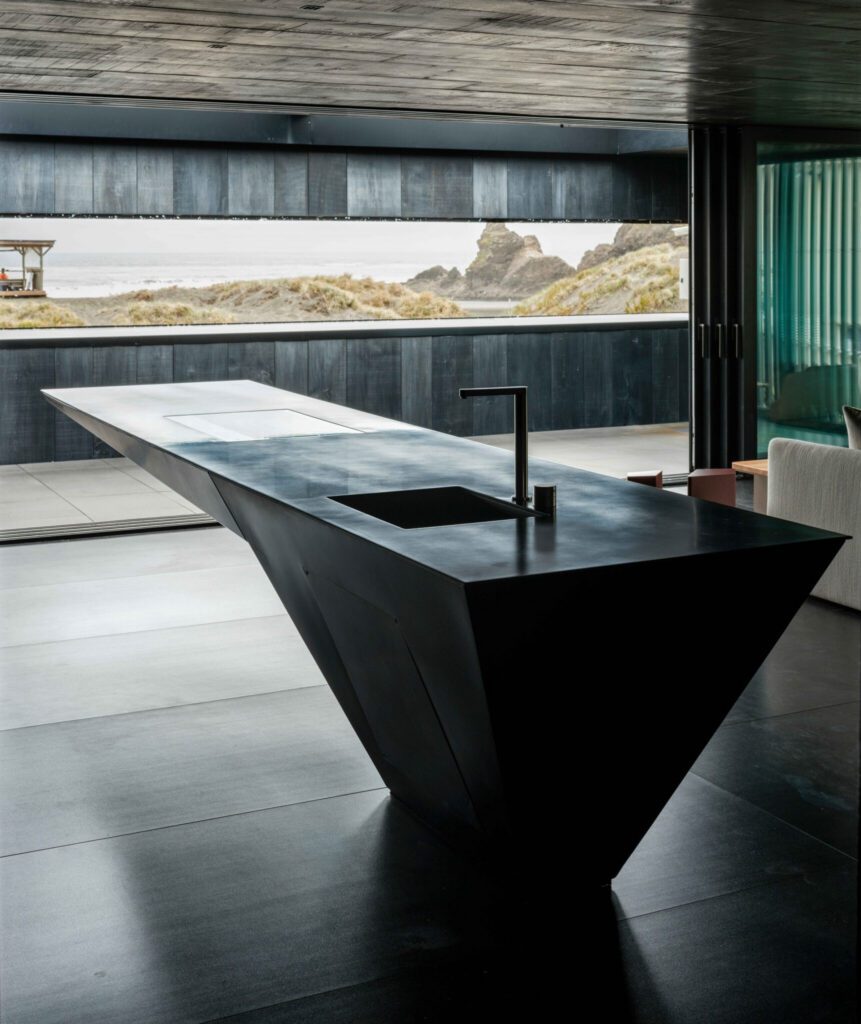
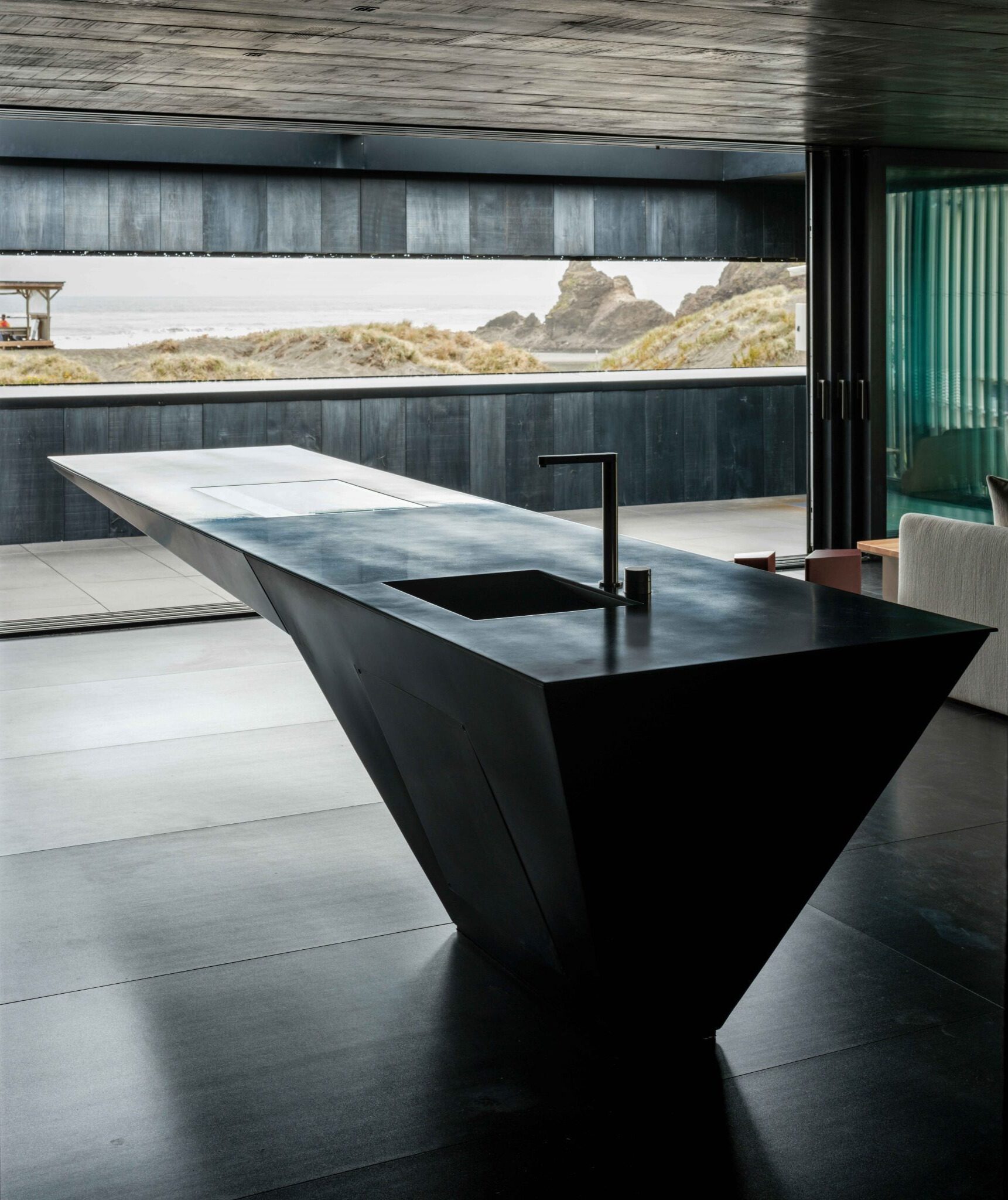
Black dominates inside. The palette is cave-like, yet textural and nuanced; minimalist but varied enough to retain attention — a sort of Zambesi wardrobe of architectural expression. Glass, steel and stone are carefully layered. A cantilevered kitchen bench, hidden storage, and metallic mesh detailing reflect the obsessive level of craft. 

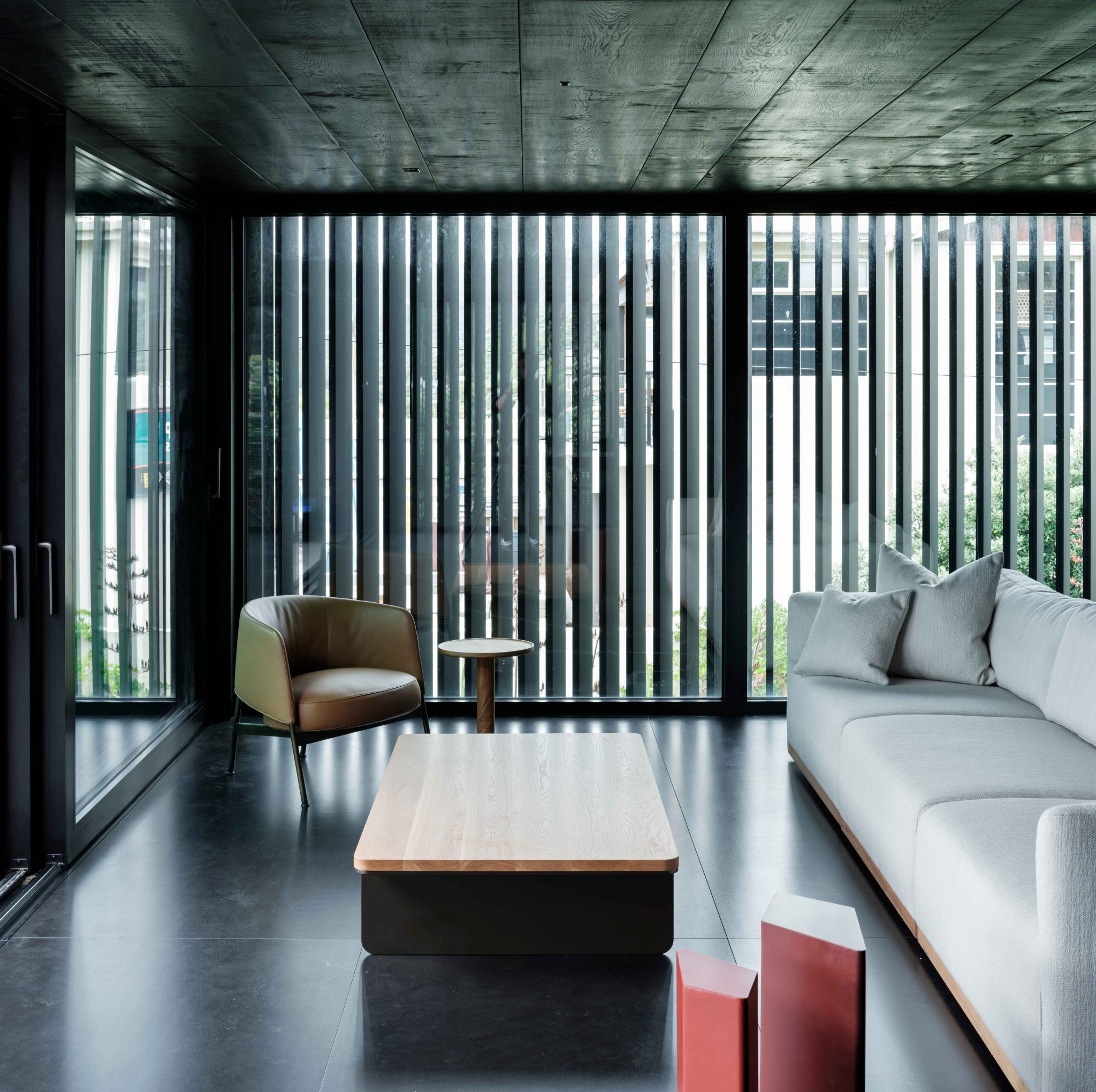
Chris ensured the chaos of the neighbouring surf club and car park vanished from sightlines. “All you have to do is take two steps back and you are completely private,” he says. Yet if its inhabitants wish to interact with the comings and goings of this very public space, the house offers an easy podium from which to do so.

Sightlines from the interior to a very dynamic and busy context have been thoroughly analysed and framed so as to maximise views and privacy.

Iconic, defiant and surprisingly welcoming, the house is as much a sculptural gift to the public realm as it is a retreat for its owner.

Words: Federico Monsalve
Images: Simon Devitt

This feature first appeared in Homes of this Decade 2015-2025, which was published by Nook Publishing in 2025.

Latest video features

In the Coromandel, a home with a humble profile and a thoughtful design makes the most of a stunning location.

Built with awe-inspiring attention to detail, this Arrowtown home is a fresh interpretation of a familiar Otago rural vernacular.

This sculptural Northland bach is a perfect north arrow on a remote farm high above the sea.

With the sun on its bow and the community at its stern, this is a house in which the elements are always front of mind.

Trending articles

Architecture For Sale

Geode House, Waiheke Island

This award-winning cabin on Waiheke Island by architect Vaughn McQuarrie and interior designer Sara Fraser of Sartoria is on the market for the first time.
Homes

Bunker House

Named the 2025 Home of the Year, this unmissable yet small beach house took 14 years to complete.
Design News

Under the Reed Roof

Set on a private estate in central Ukraine, Hata-Mazanka by YOD Group offers a contemporary interpretation of one of the country’s most recognisable vernacular forms.