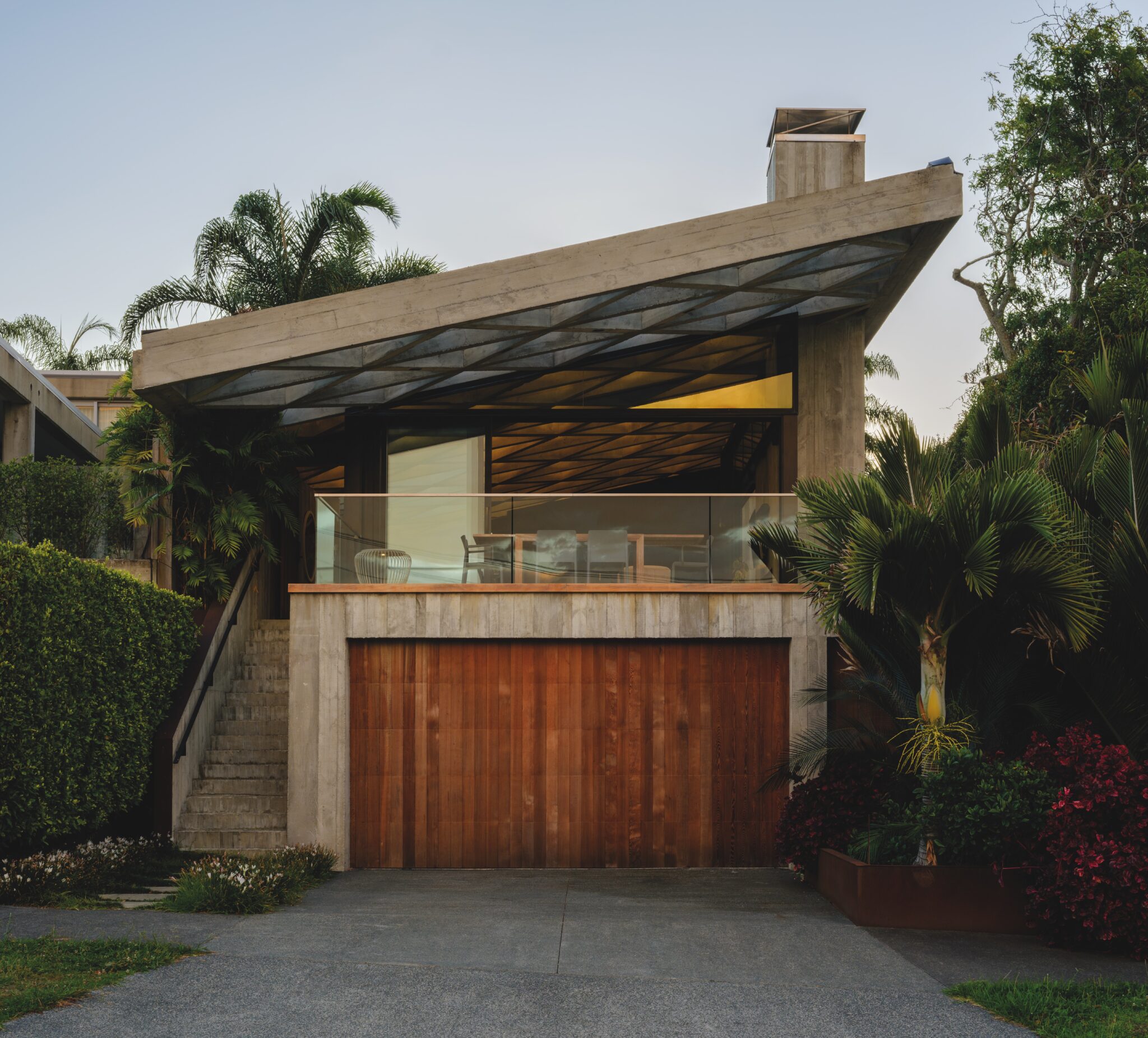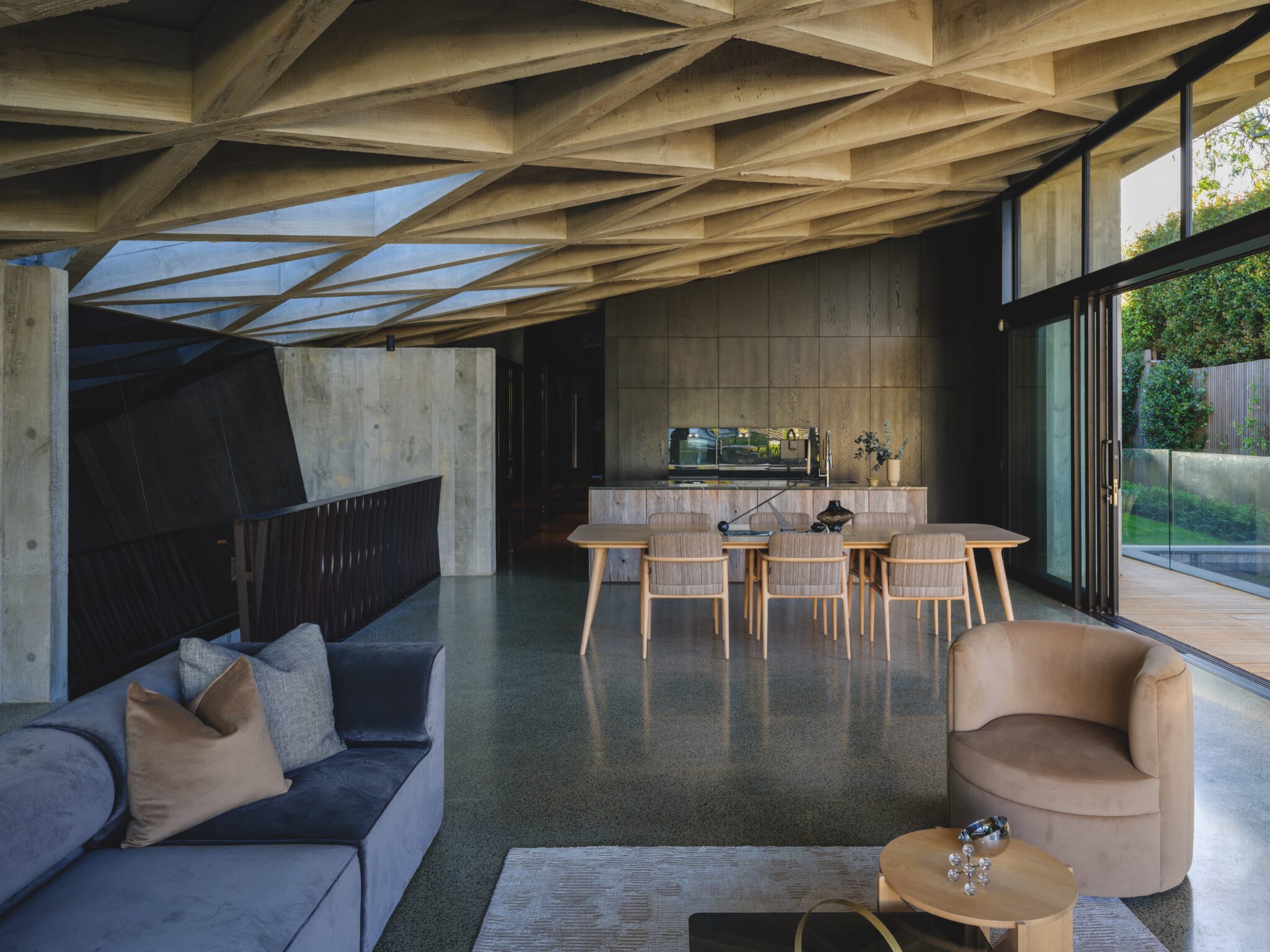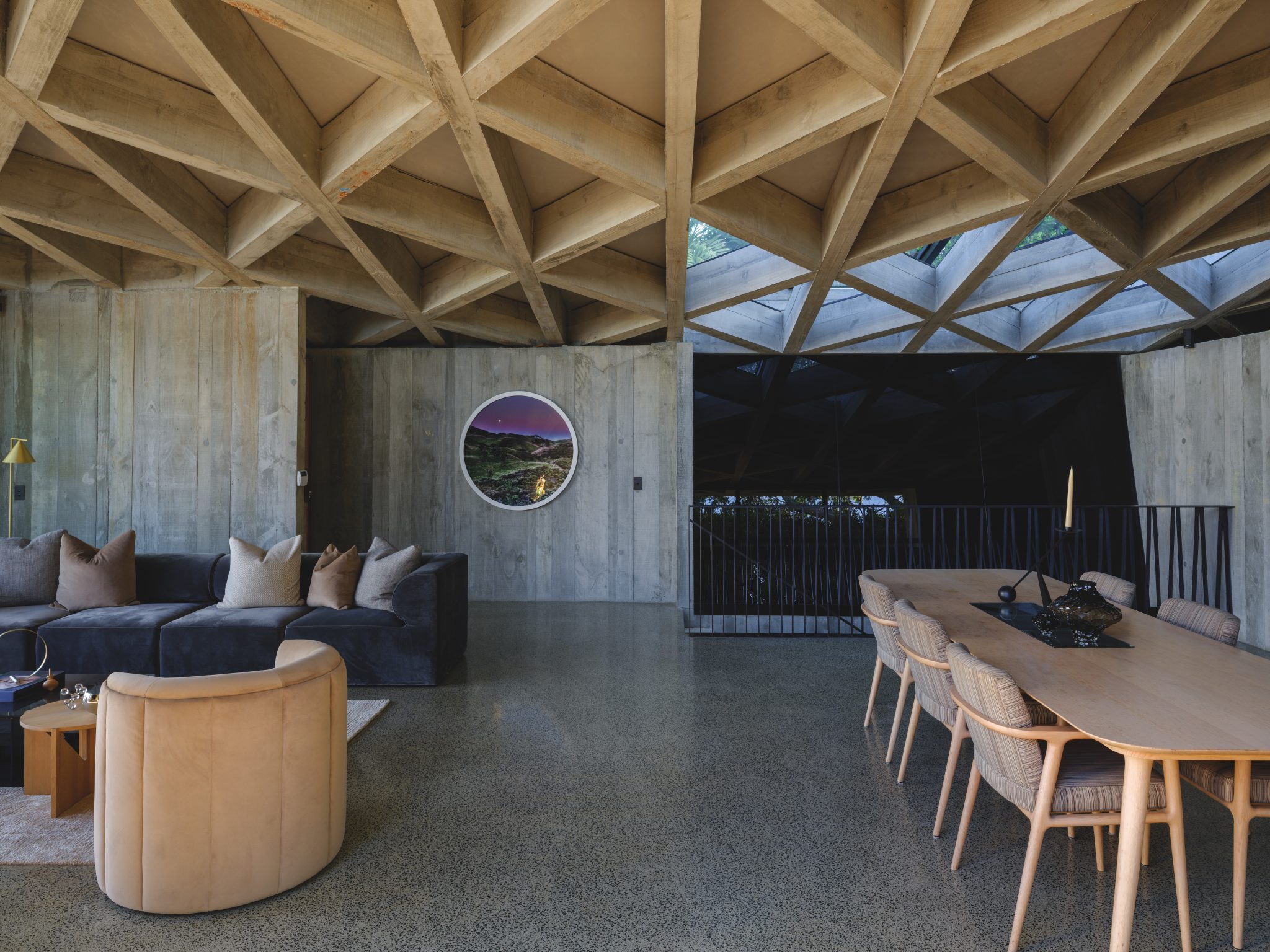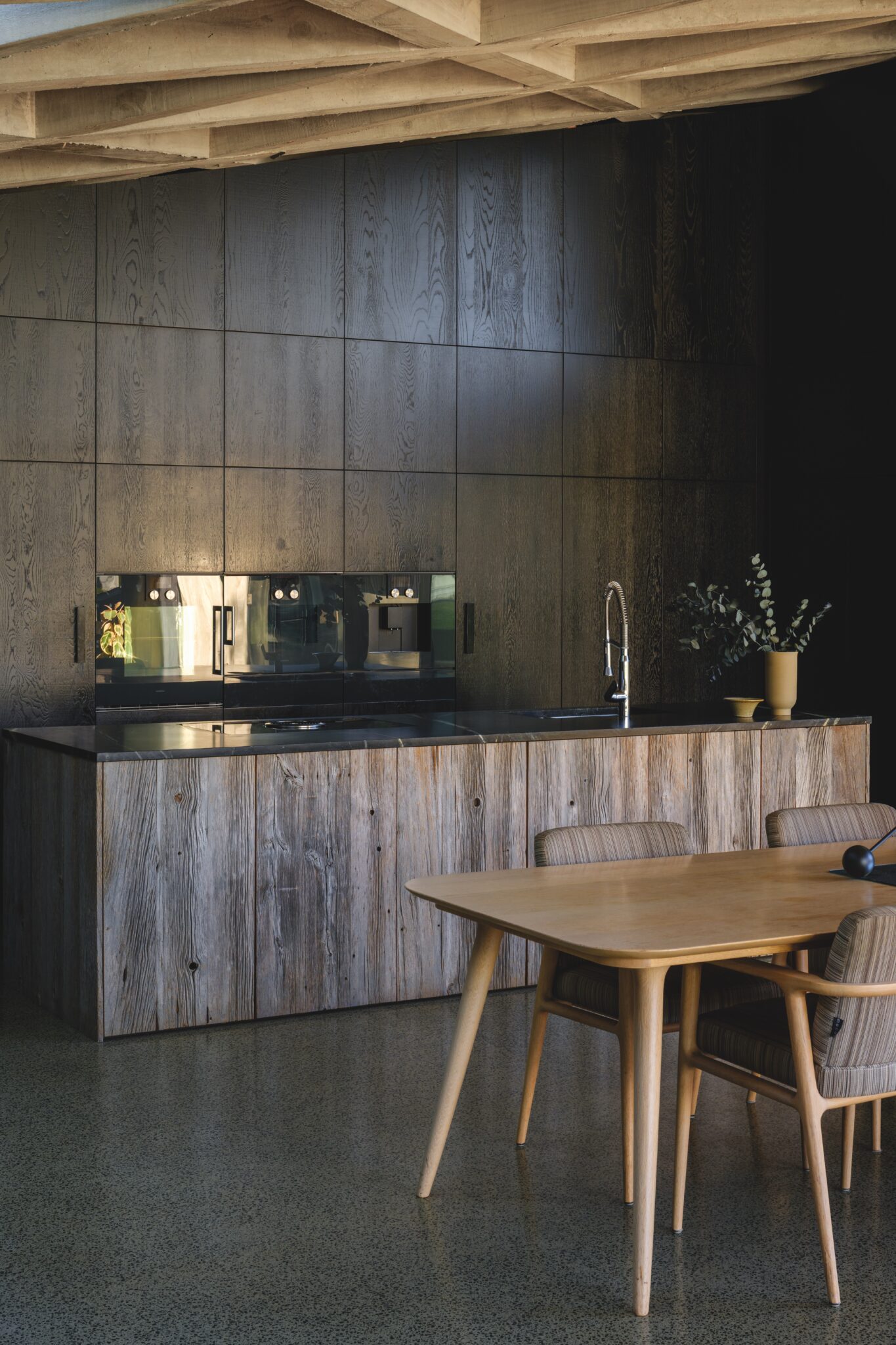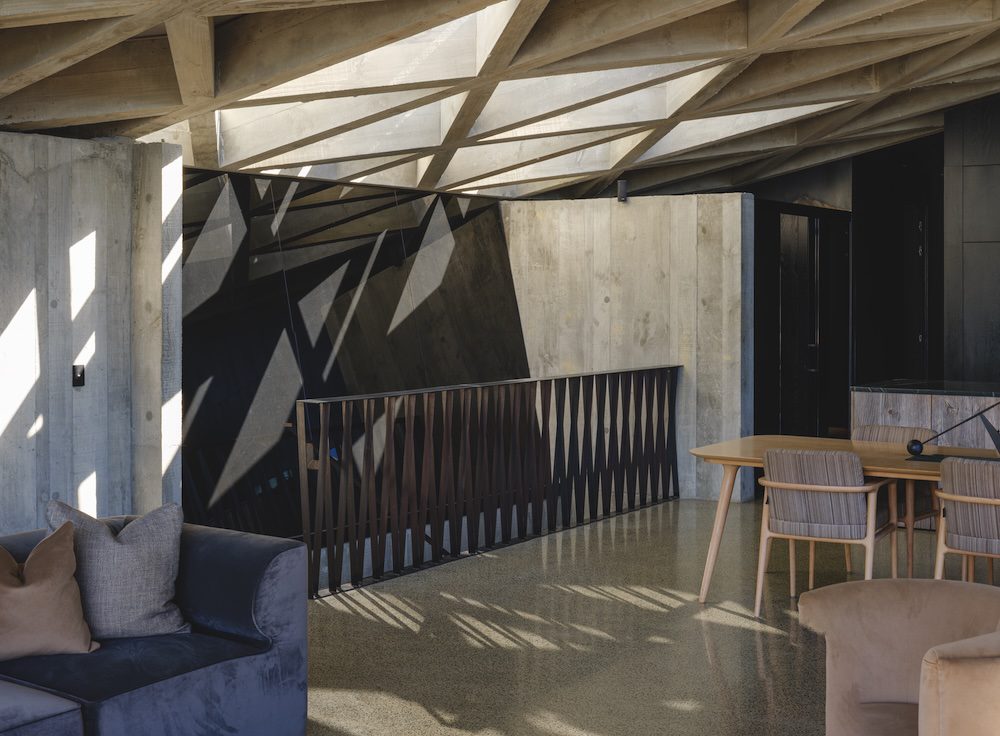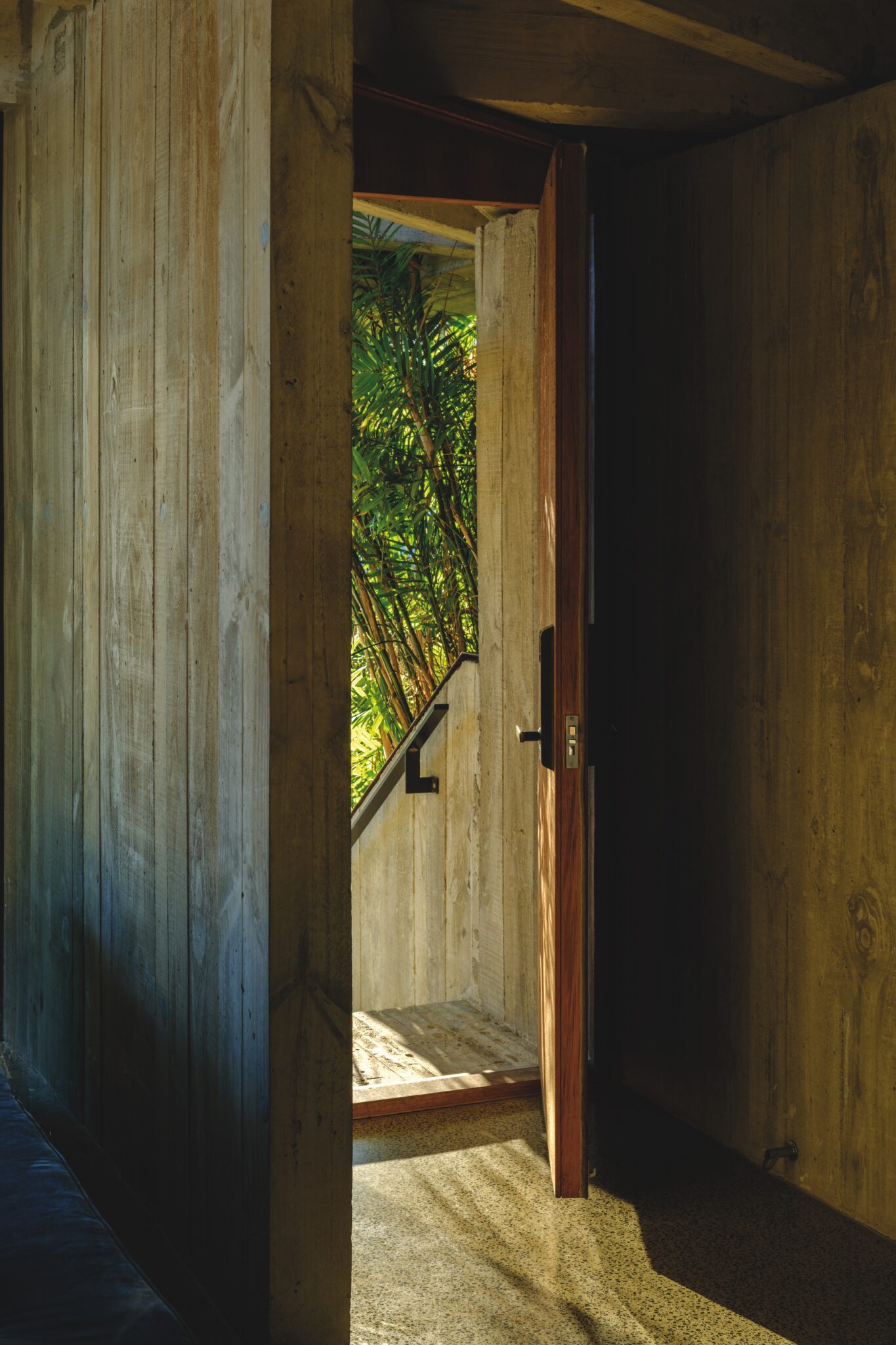
An exploration of materiality, a celebration of craft, and a desire to create a memorable sculpture within a tight, city-fringe context have resulted in this multi-award–winning home by Jack McKinney Architects.
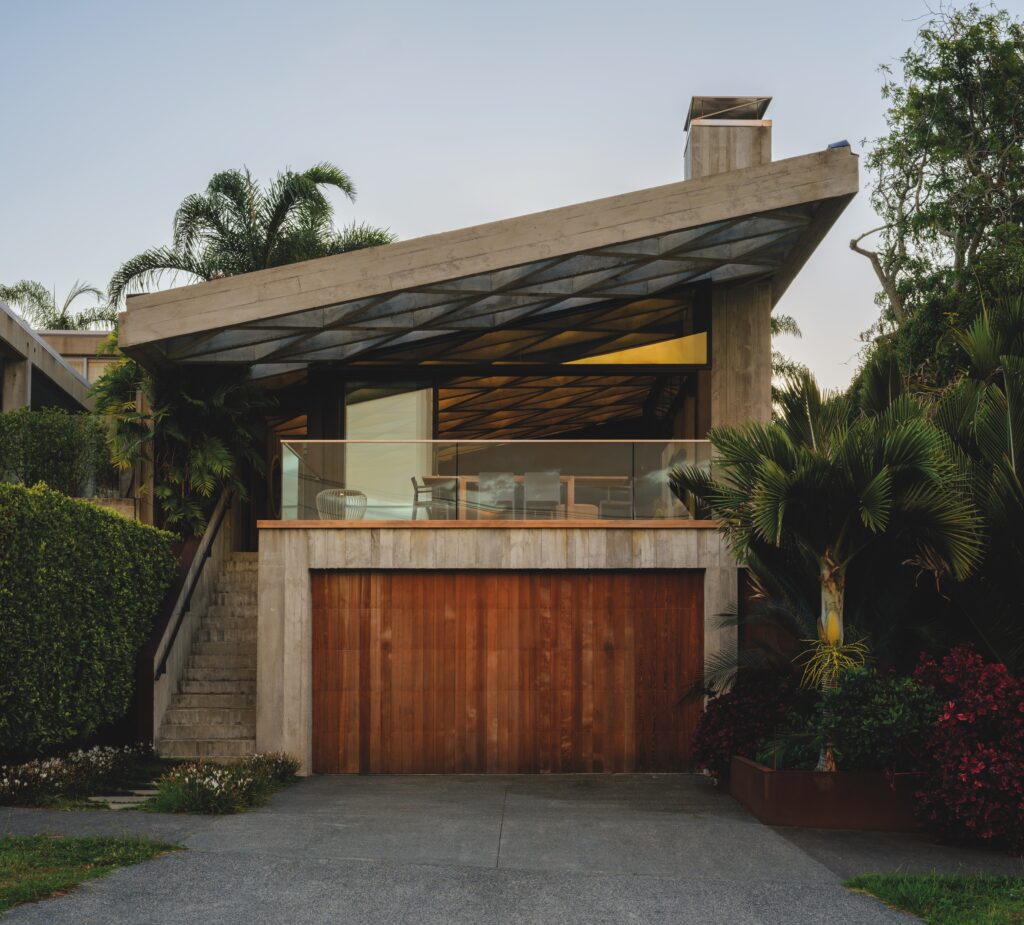
Concrete is one of those materials frequently donned with polar-opposite attributes, often depending on what designers (or critics) are hoping to validate: sustainability or the lack thereof; flexibility or immovability; inherent coldness or textural warmth.
However, a trait that is not usually associated with brutalism’s little darling is ‘porosity’, and it is one that is explored with virtuosity here.
“We wanted to celebrate the versatility of concrete, and use it to create a unique family home,” says architect Jack McKinney of this, the winner of the Home of the Year Award in 2019.
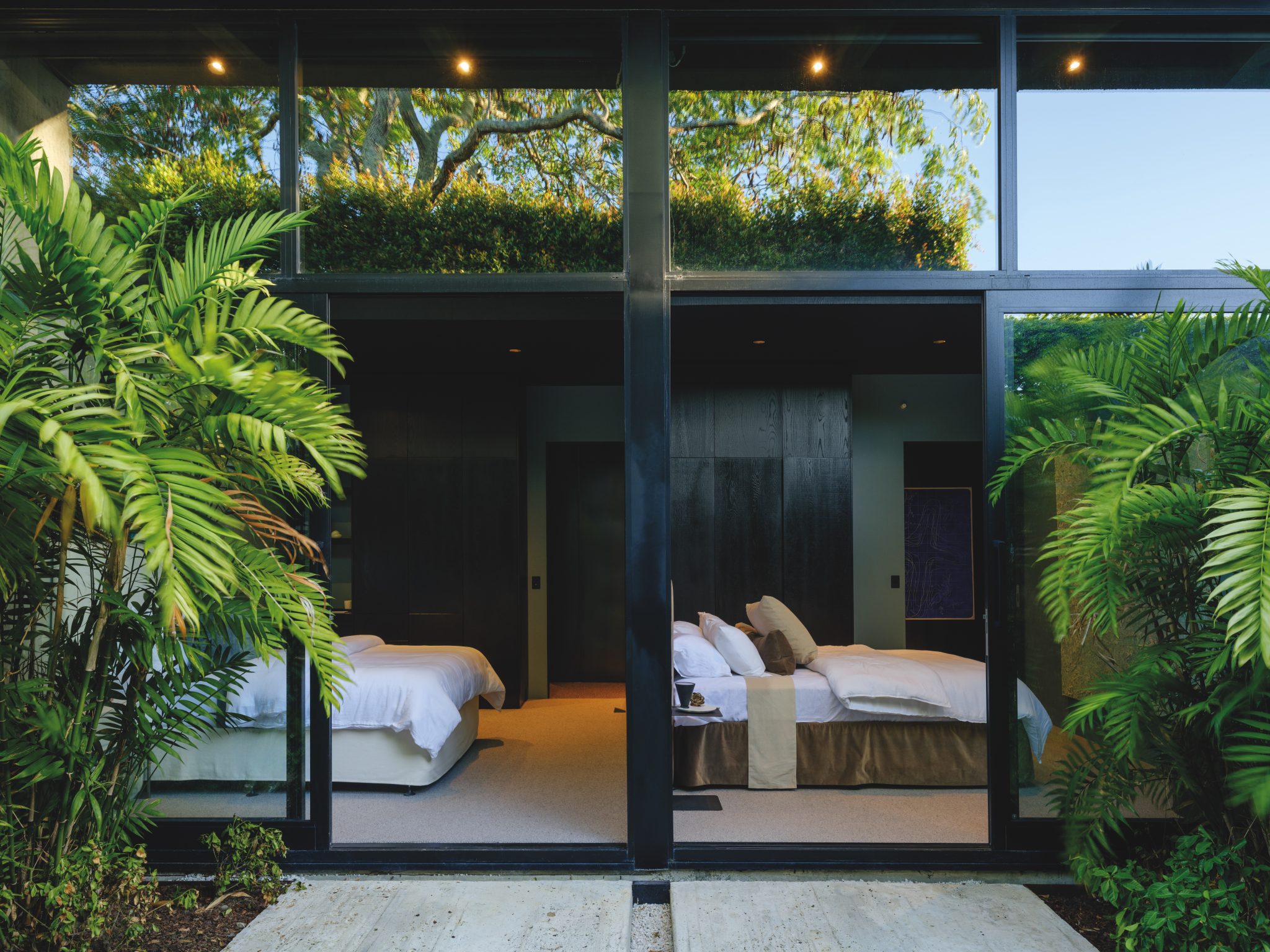
Set within a thin and tightly packed city-fringe, suburban street that combines heritage villas and highly expressive, award-winning architectural homes, the brief called for a robust show-stopper that would hold its own among such celebrated company.
First, the architects sought stature — and the house was placed upon a plinth-like basement garage capped with a deck. The whole building has been flushed against the southern boundary of this rolling site.
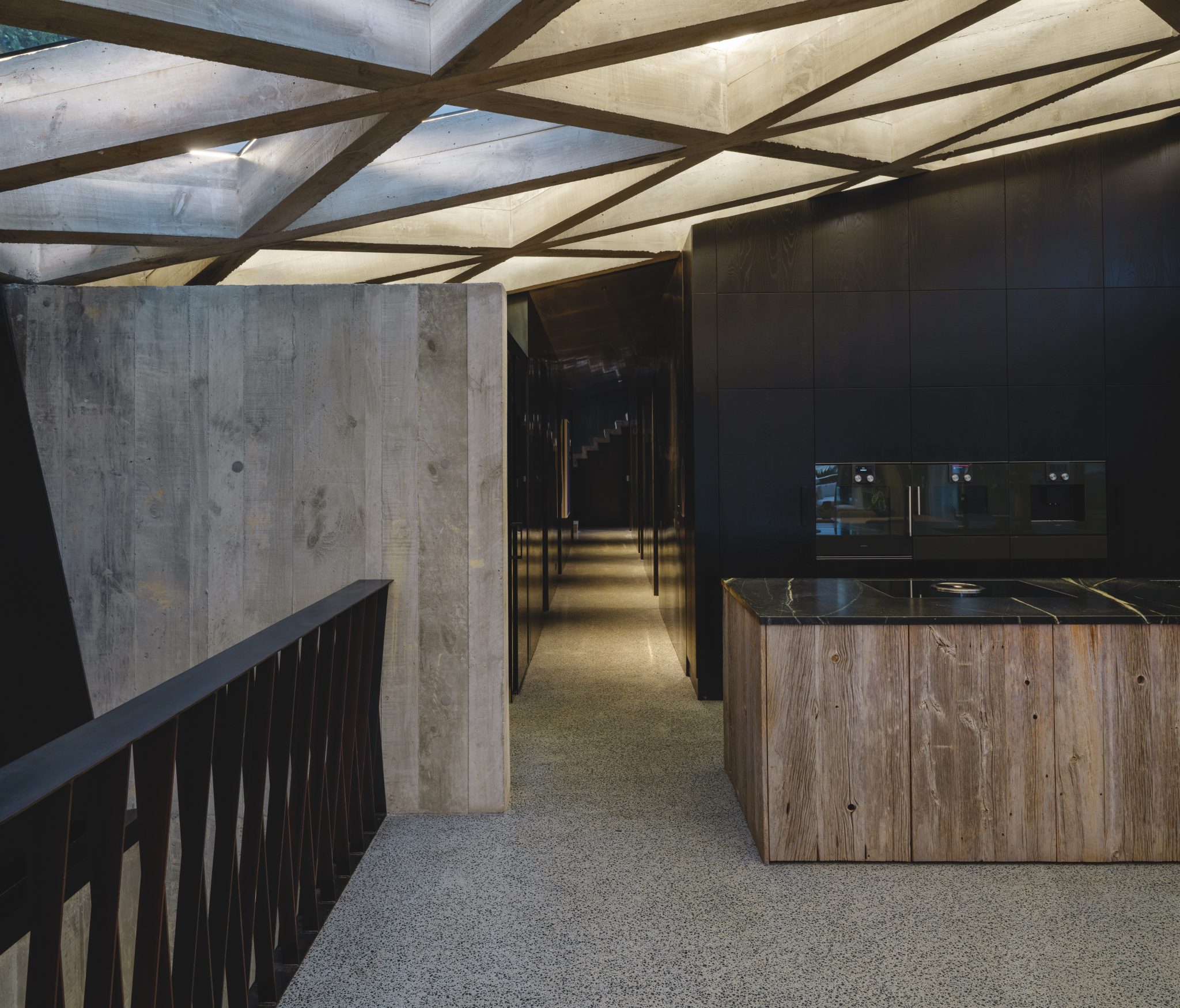
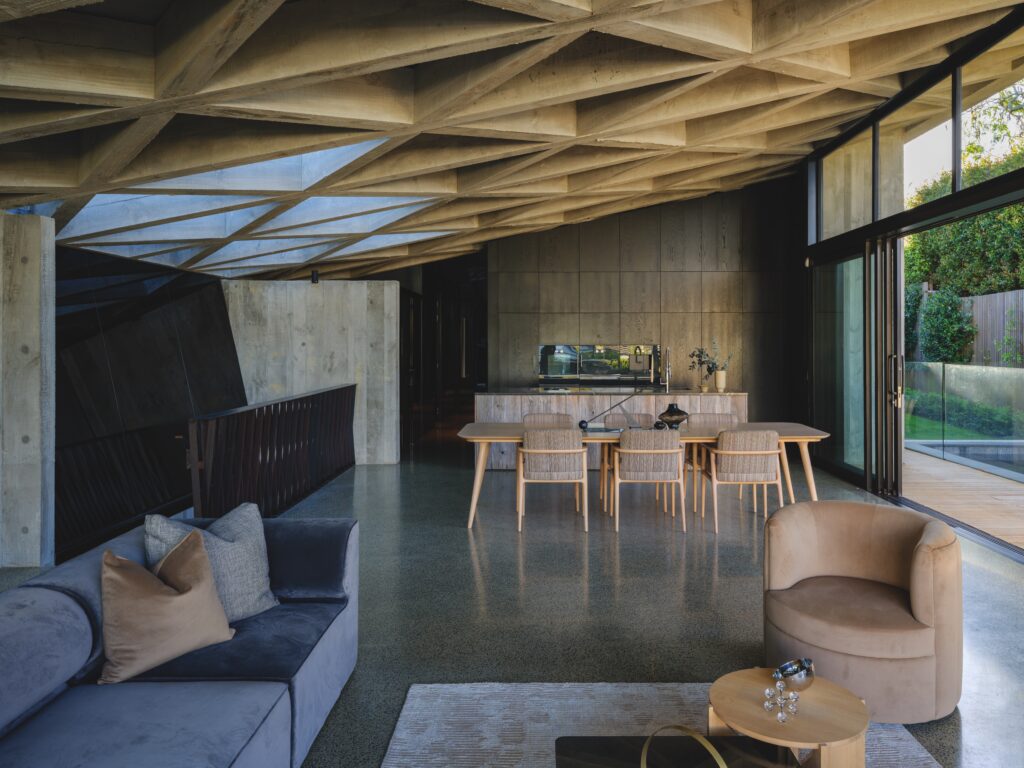
Second came sculpture. A grid-like lattice of intersecting concrete ribs was used as a roof. This 56-tonne exoskeleton was balanced above the home in a dramatic monopitch angle that compresses at the southern elevation and releases above the gardens and water feature at the
north end. “The ceiling takes on different moods as shadows shift across it as the daylight changes,”
says Jack.
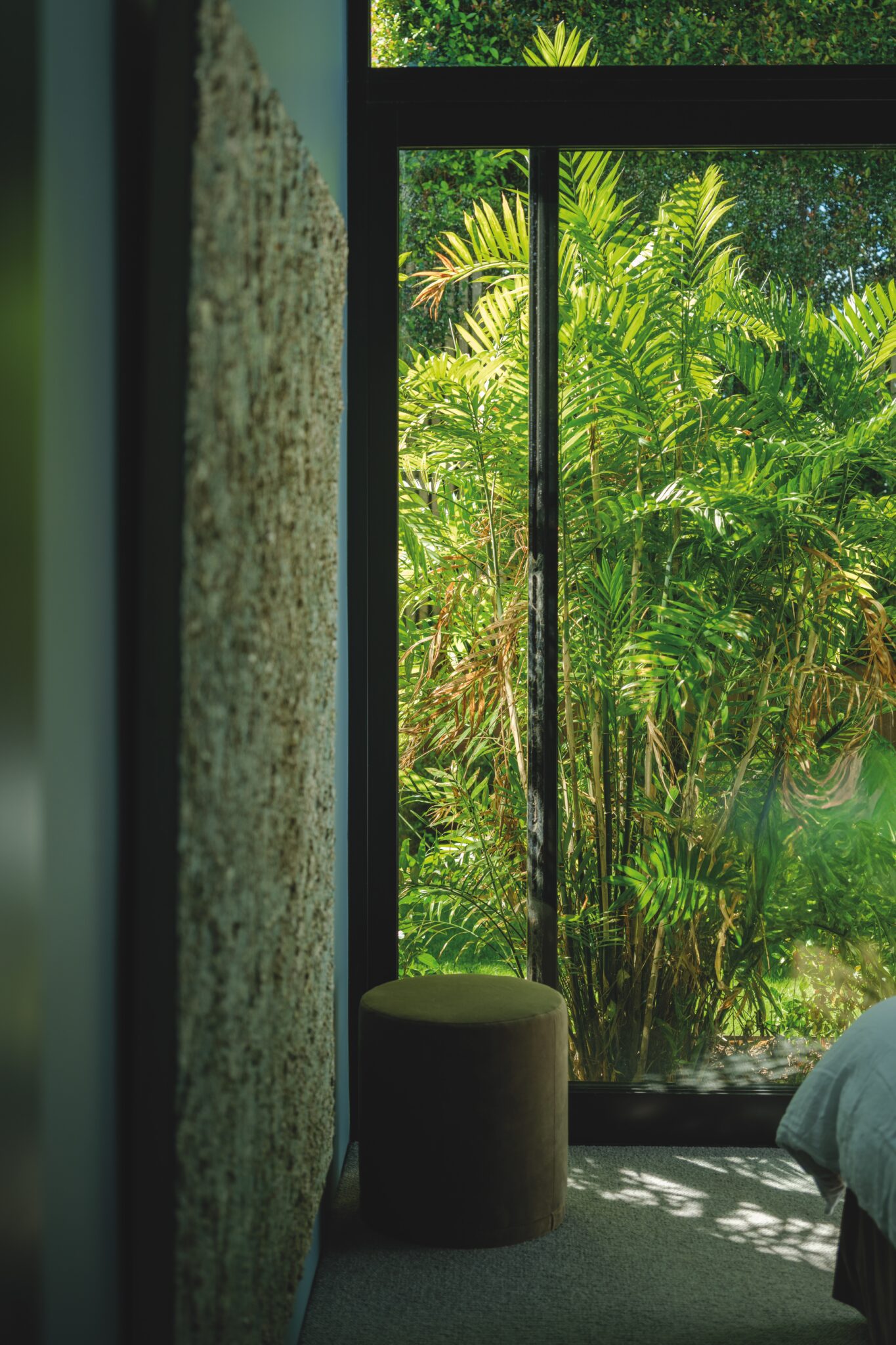
Inside, this delightful dappled effect falls upon concrete expressed in various ways. The floor has been polished; the walls use expressive formwork, while imperfections abound — not as testaments to unpreparedness, but as conscious efforts to let the curing process of the material leave its imprint upon the finished object.
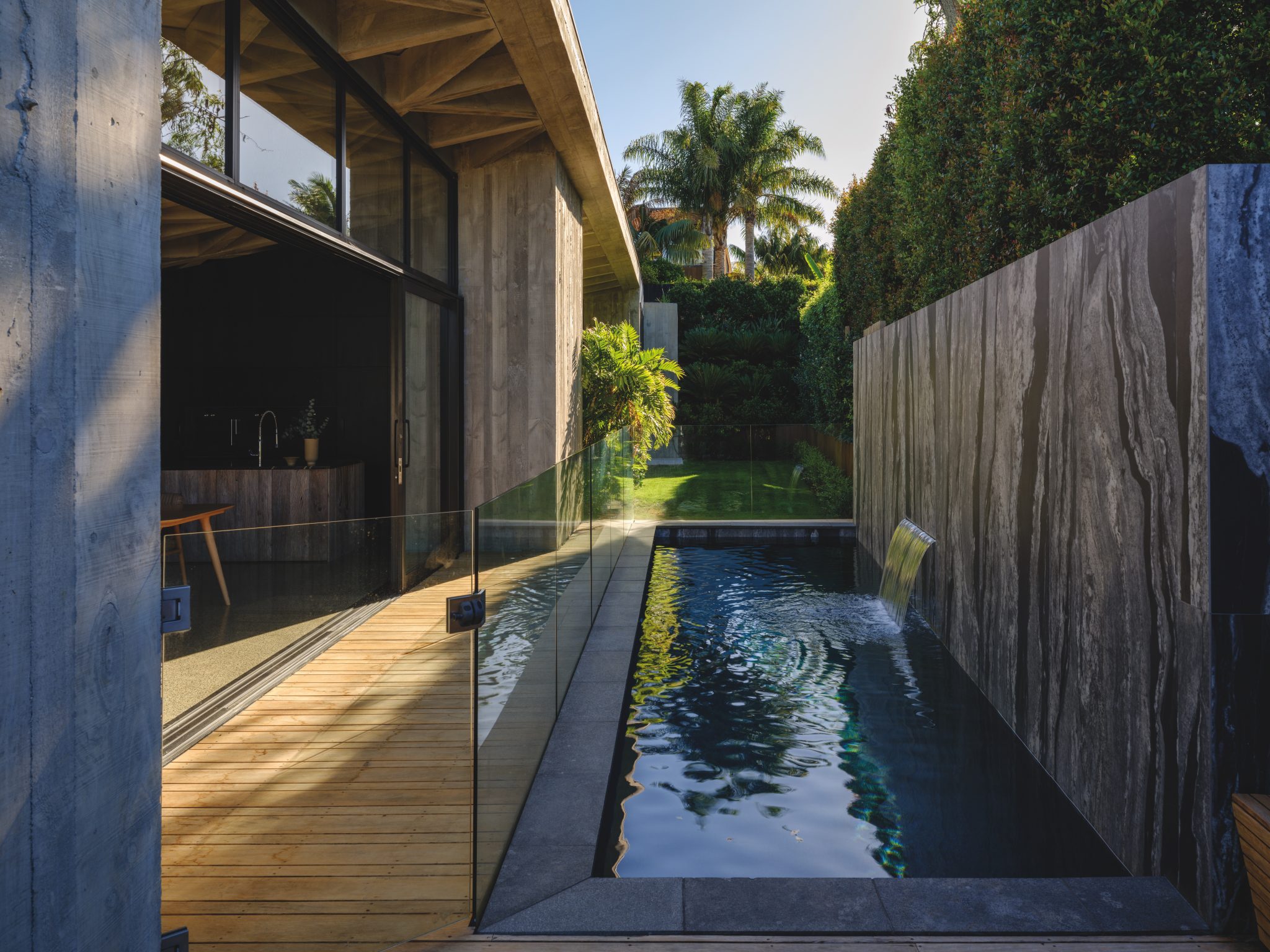
A leaf fossil is imprinted on the floor; there are drips and rough angles on various junctures.
“The house is deliberately ‘raw’ in its finish, and shows the marks and process of how it has been made,” Jack explains. “This gives it immediate character, even from brand new.”
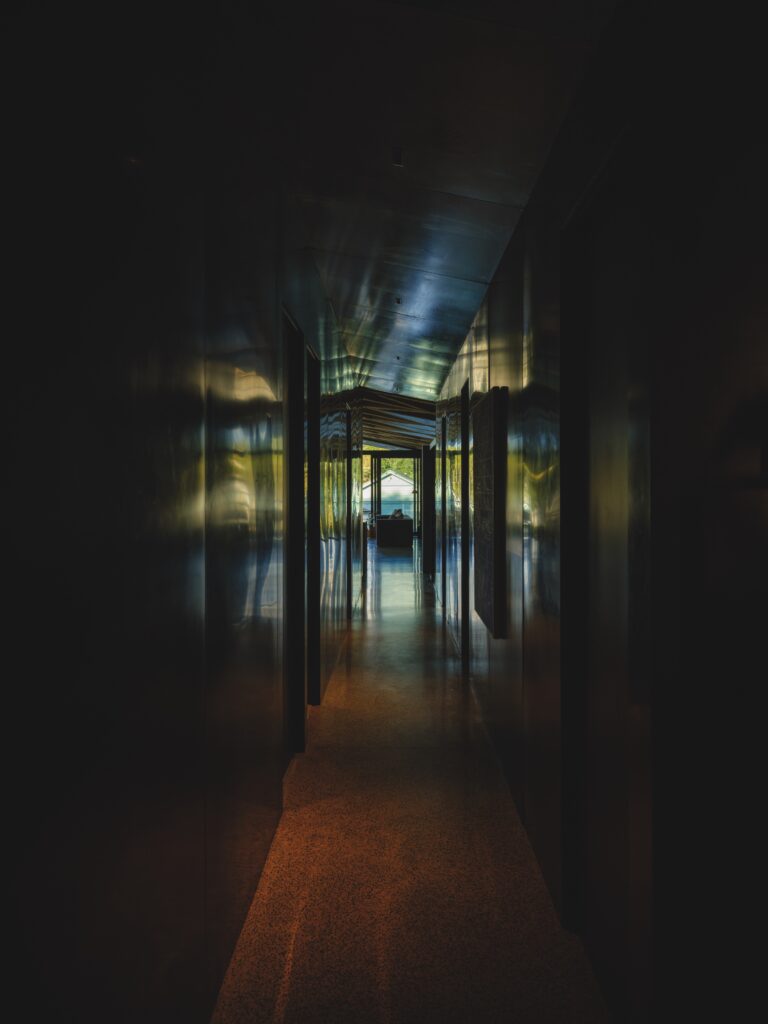
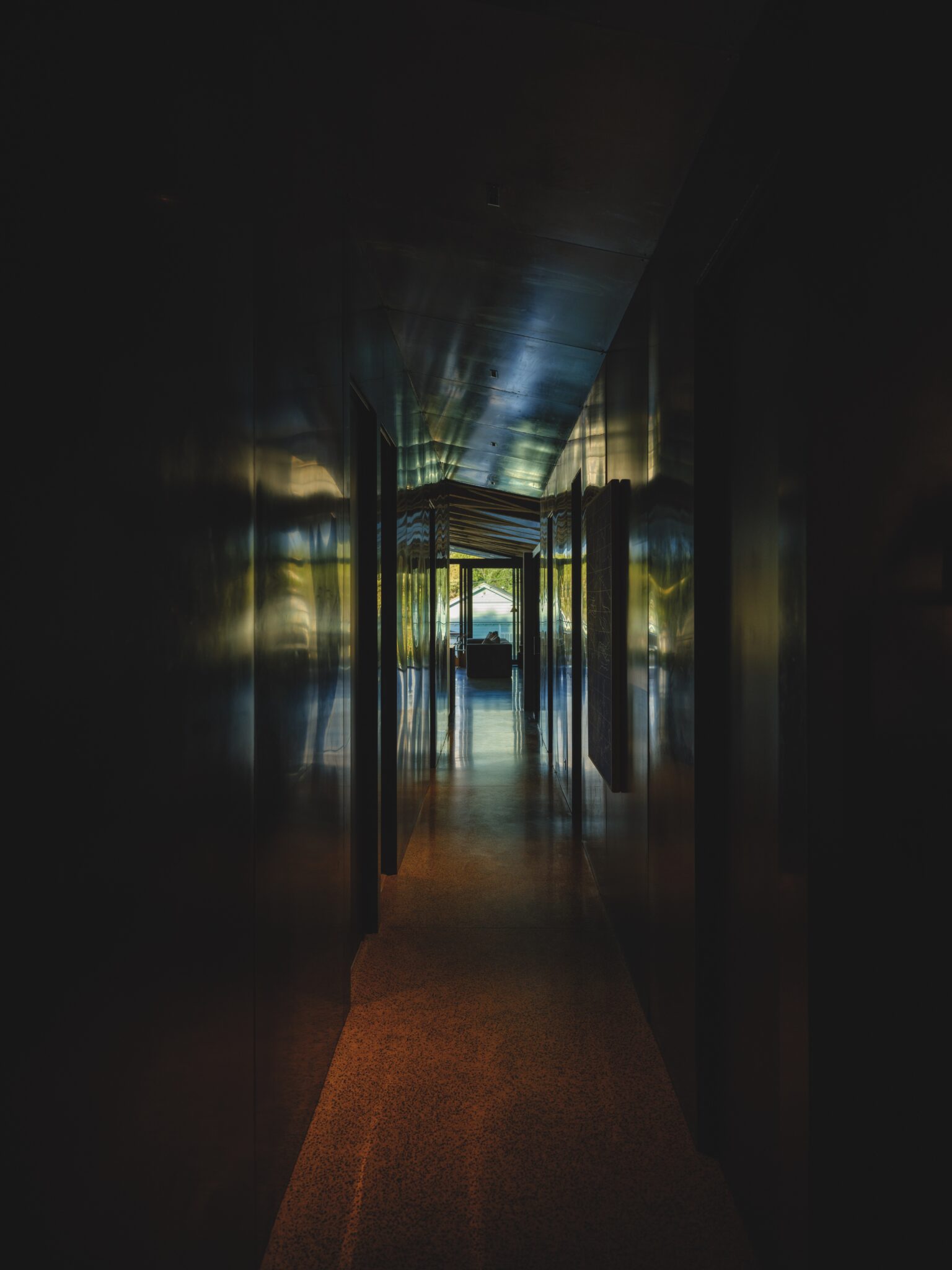
Steel plate in the hallway has been left untreated, its blueish incandescence enhancing the unexpected beauty of the metal. Corten steel in the garden seems oxidised and honest.
“The goal was to celebrate imperfection in finish, and explore the character that results from this,” says the architect. “I think these ideas are completely relevant today; they are about the basic materials of architecture and how to celebrate them.”
Words: Federico Monsalve
Images: Simon Devitt
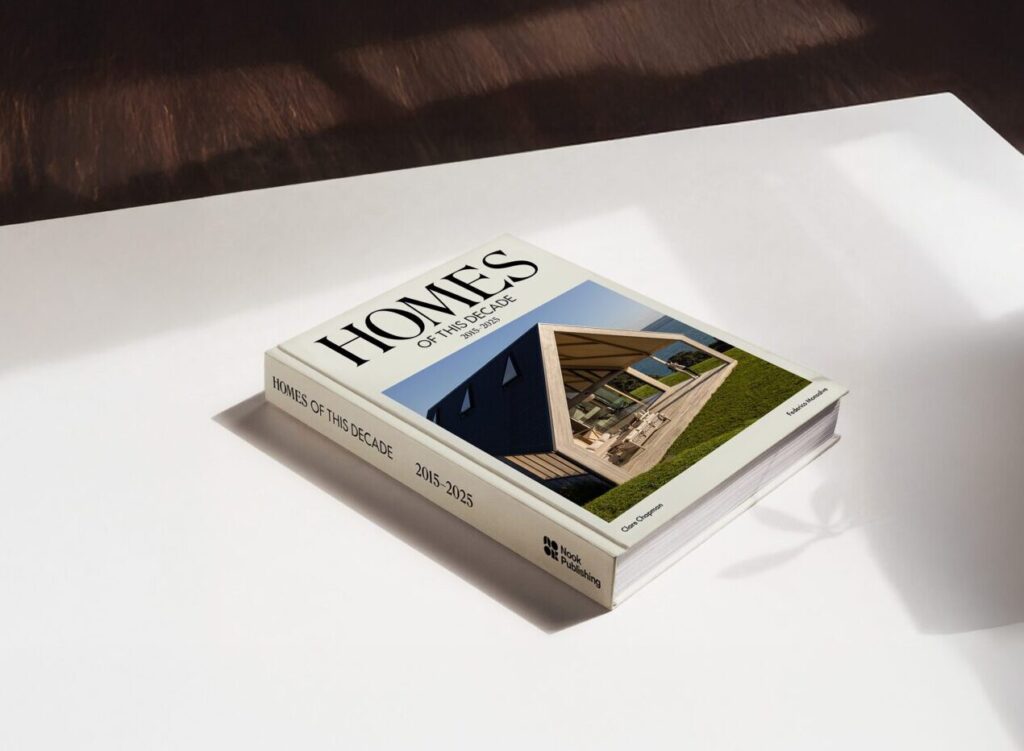
This feature first appeared in Homes of this Decade 2015-2025, which was published by Nook Publishing in 2025.