
In the Bay of Plenty settlement of Te Puna, a compact secondary dwelling channels the enduring architectural language of the rural shed — pragmatic, robust and quietly attuned to its landscape.
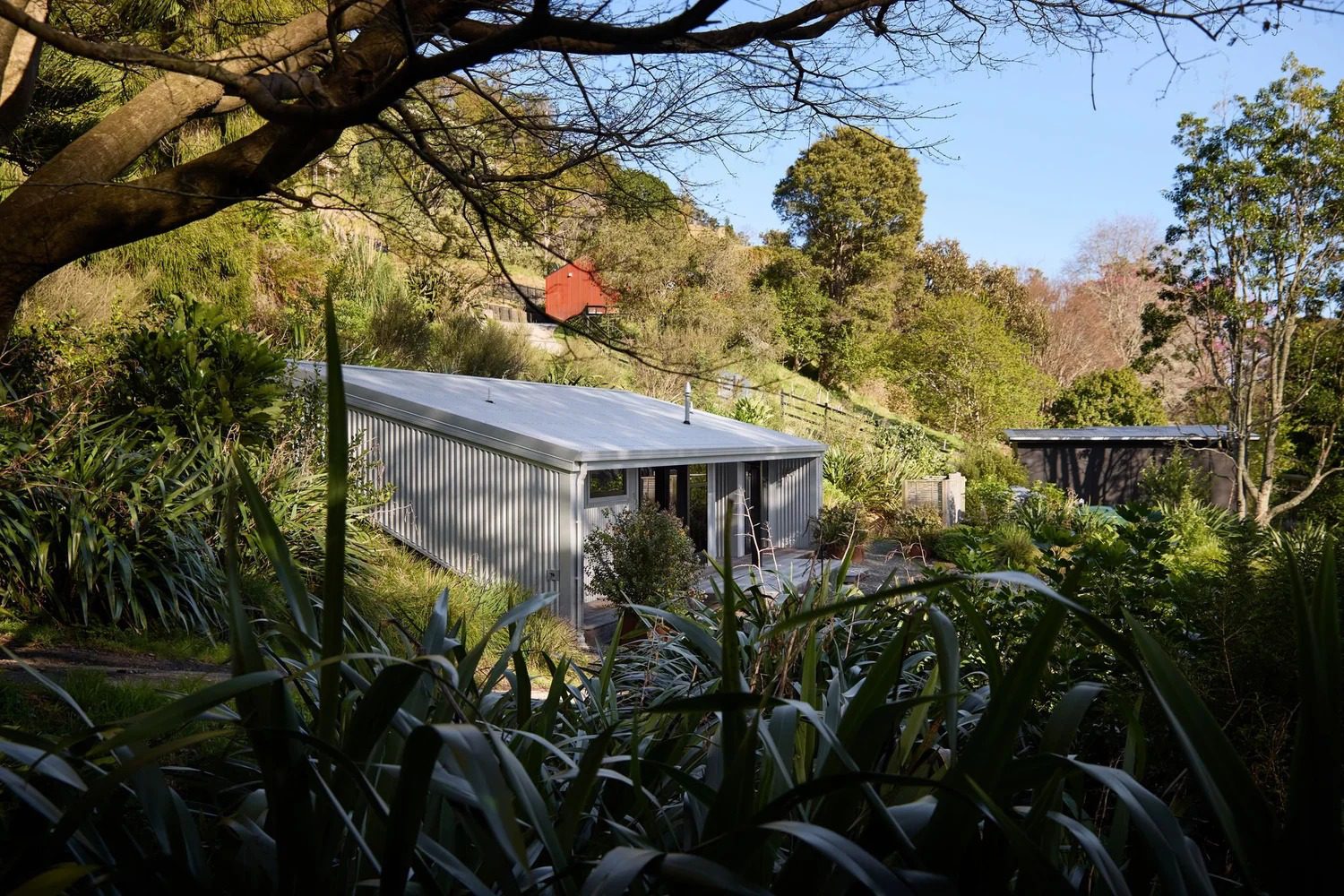
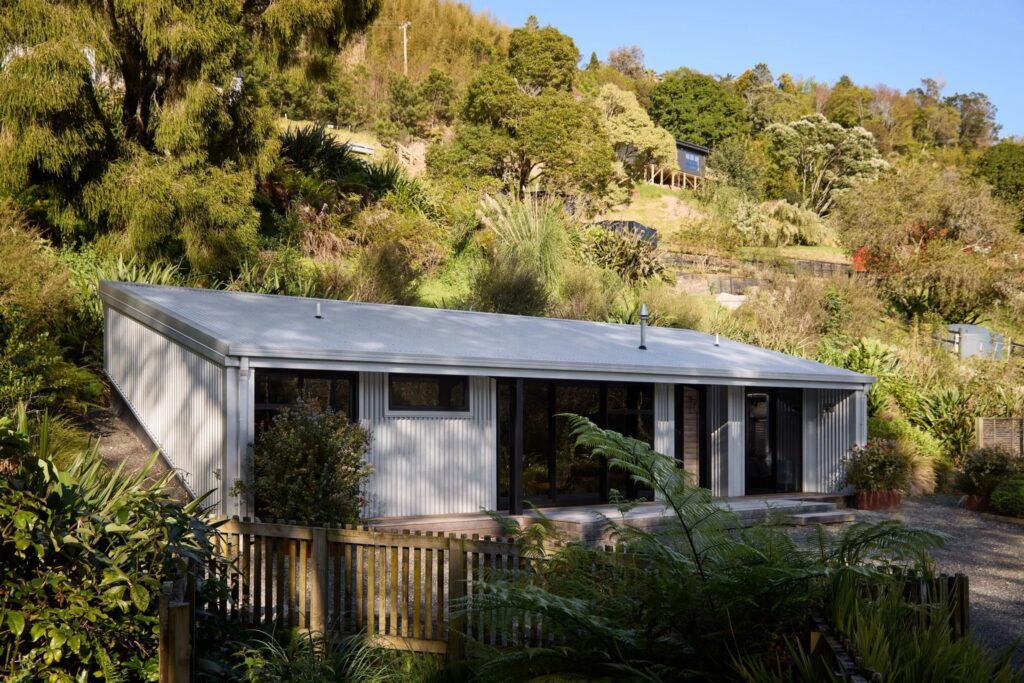
Set into a gentle hillside in the leafy rural settlement of Te Puna, this modest 60-square-metre dwelling takes its cues from one of Aotearoa’s most familiar architectural forms: the rural shed. Designed as a secondary home for extended family and visiting friends, the project distils the shed’s enduring qualities — pragmatism, clarity of form and honest material expression — into a compact contemporary retreat.
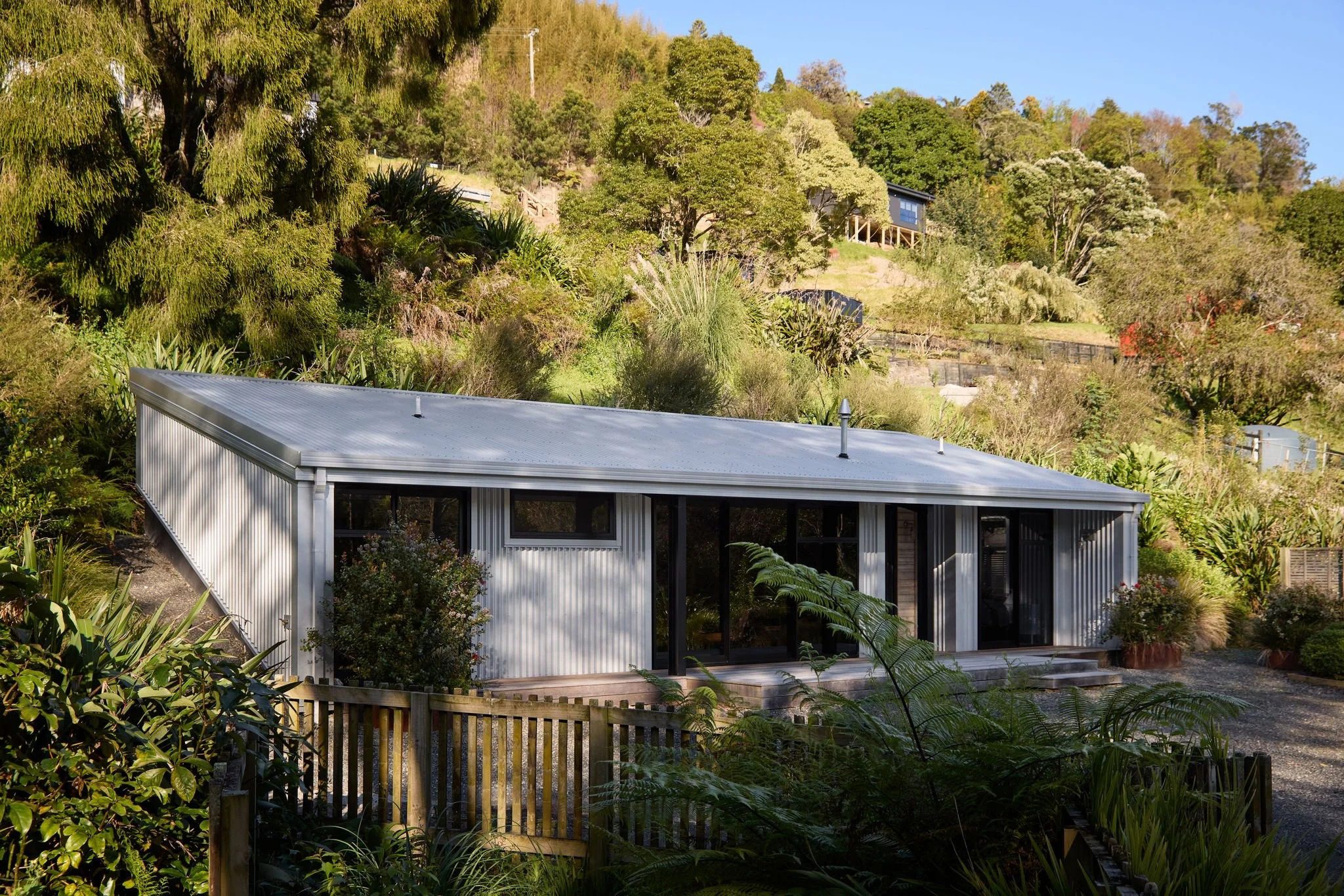
“Te Puna House was designed to function either as a permanent residence or a guest house,” says designer Diego Marangoni of Arkhē. “At the bottom of a steep section, it needed privacy — to sit humbly, with its own language, while still relating to the main dwelling on the site.”
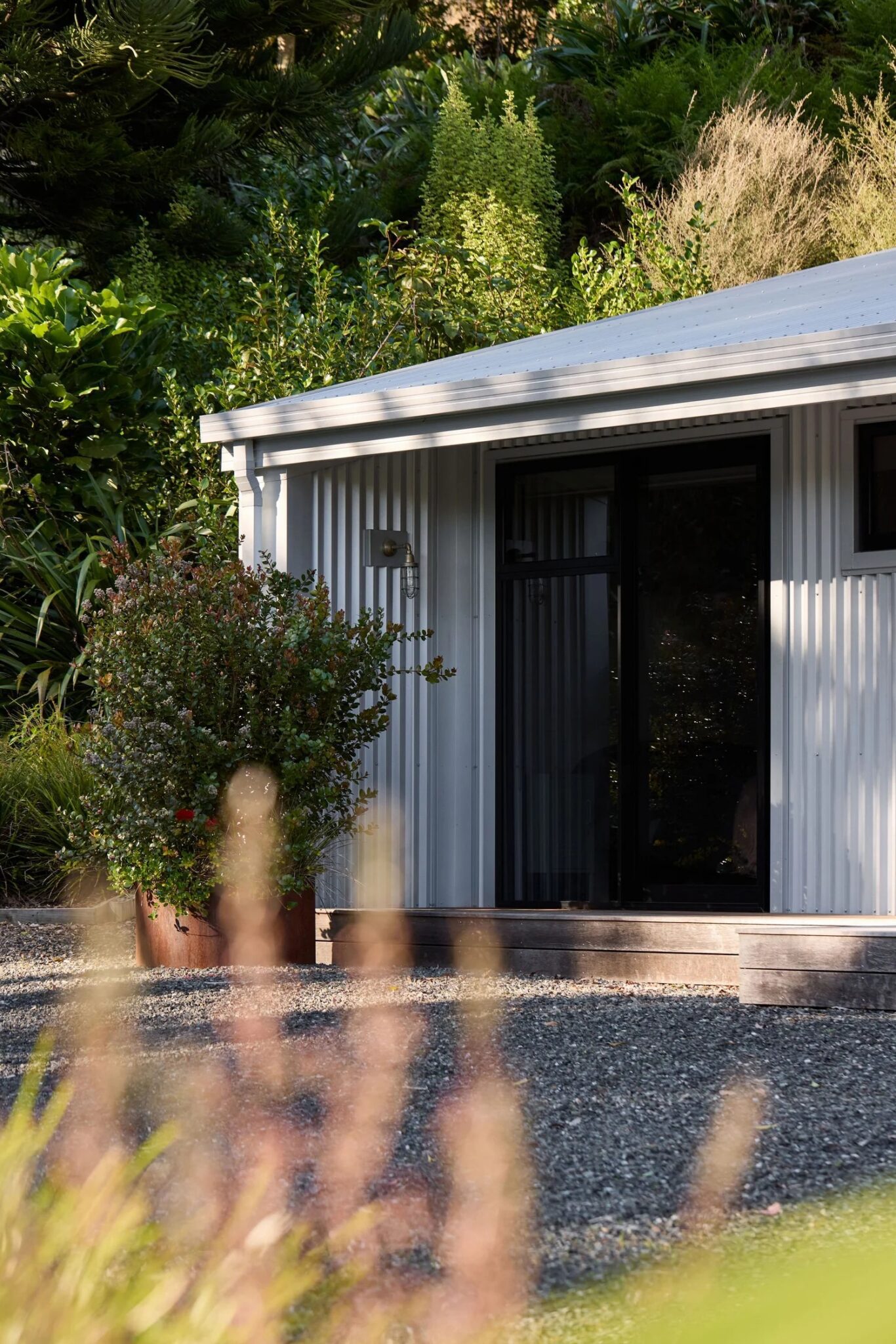
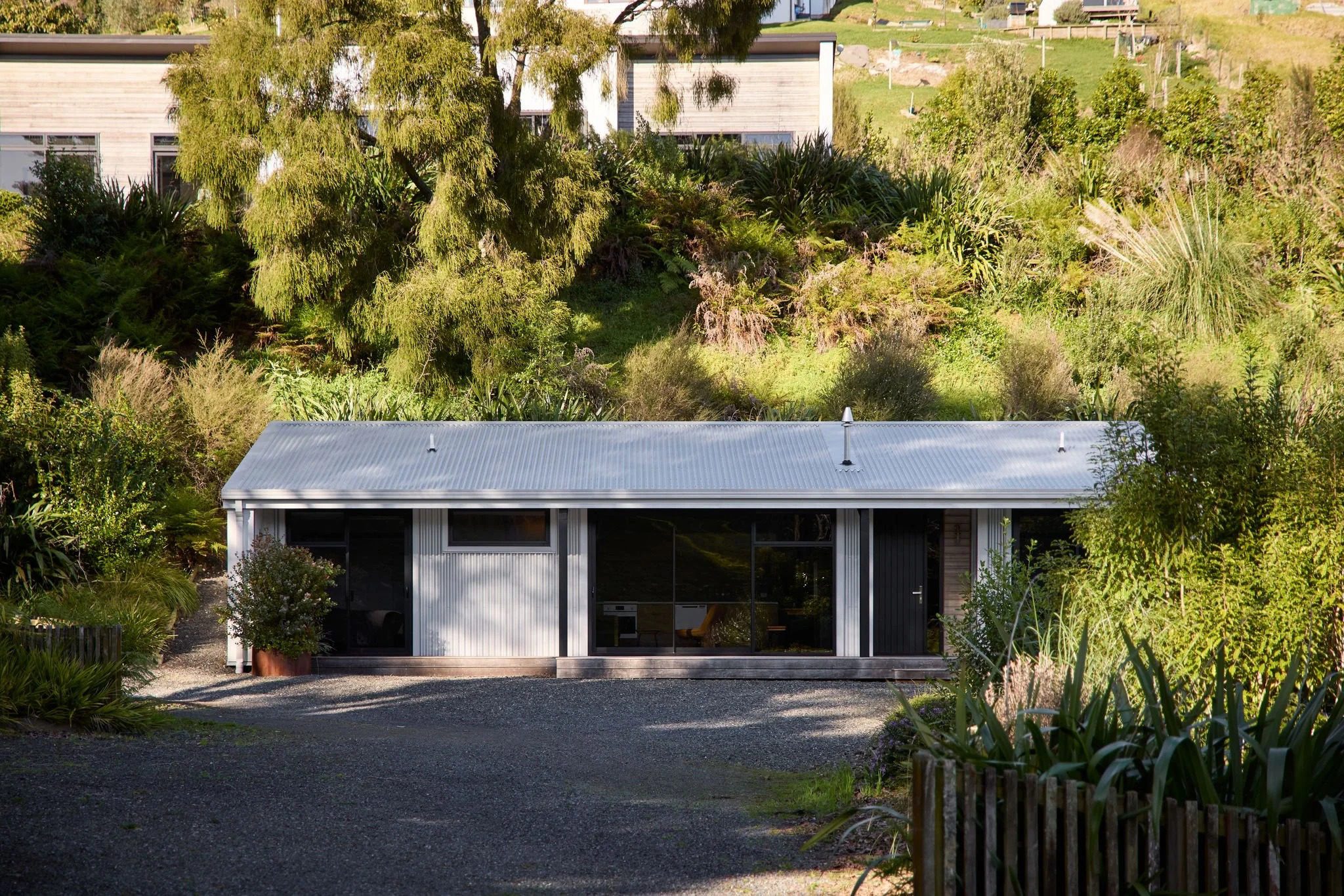
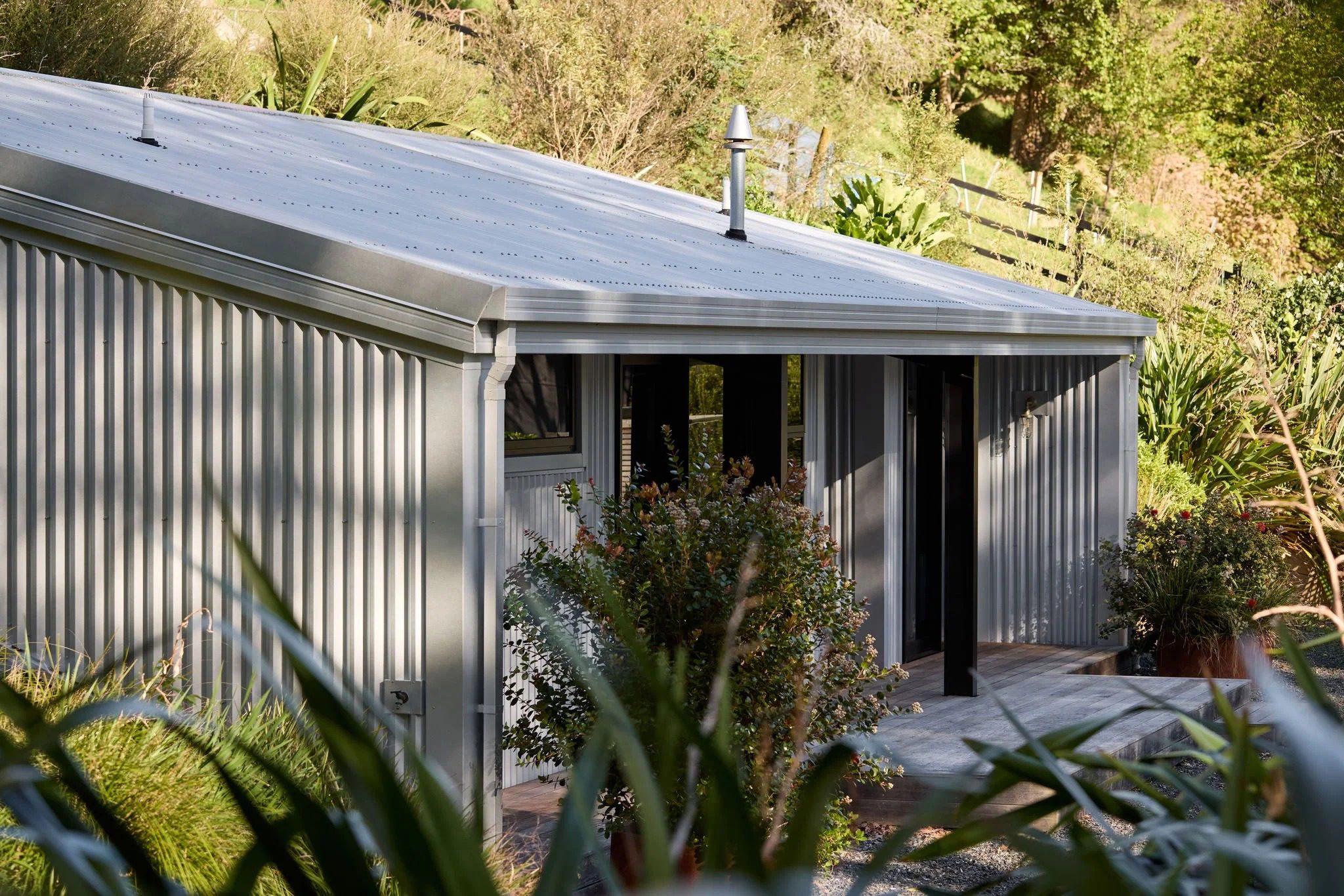
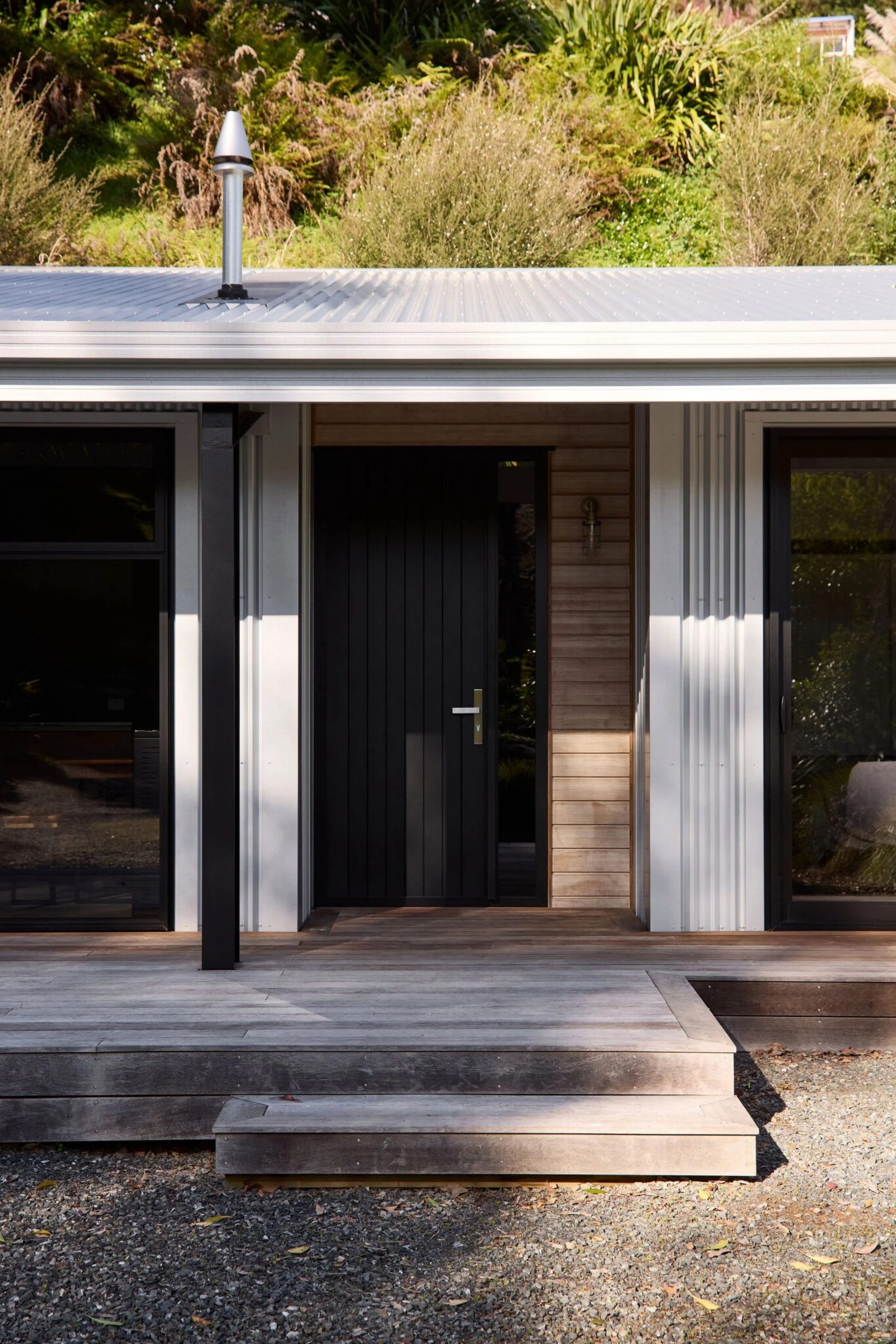
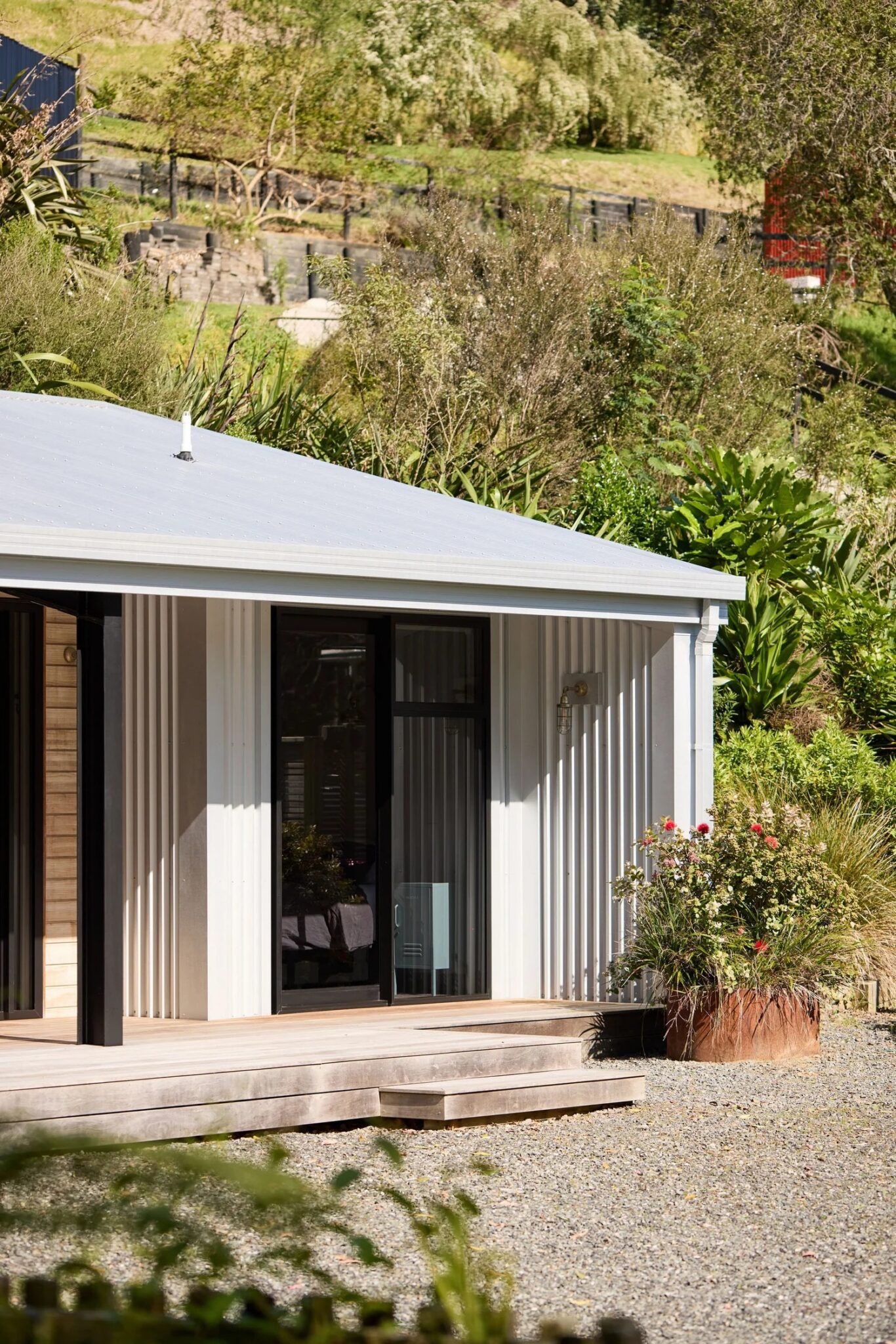
The building’s form is deliberately simple. A mono-pitched extrusion clad in Zincalume stretches along the contour of the hill, its restrained geometry allowing the surrounding landscape to remain the dominant presence. By partially embedding the house into the slope, the design reduces its visual impact while anchoring the structure within the site’s natural topography.
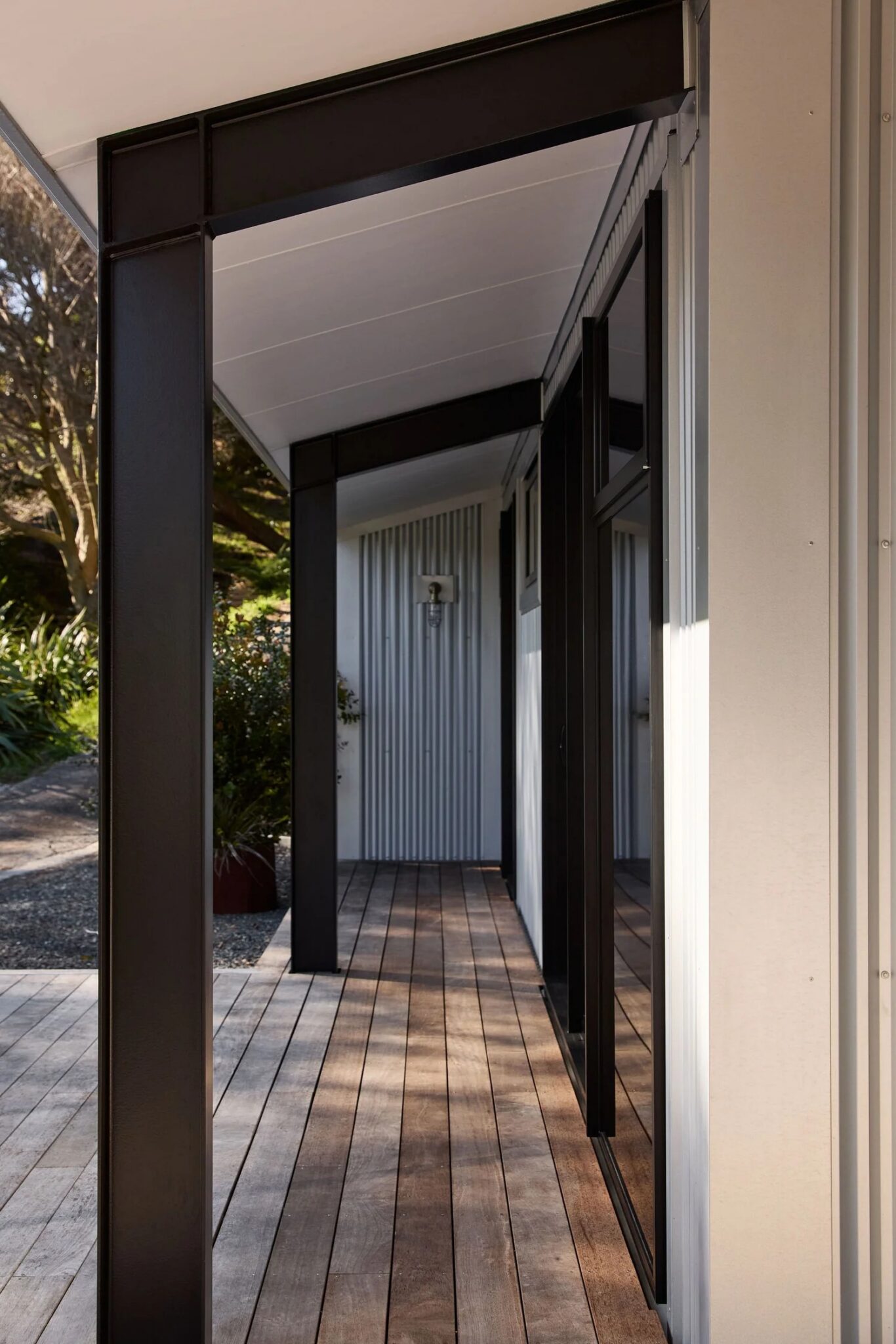
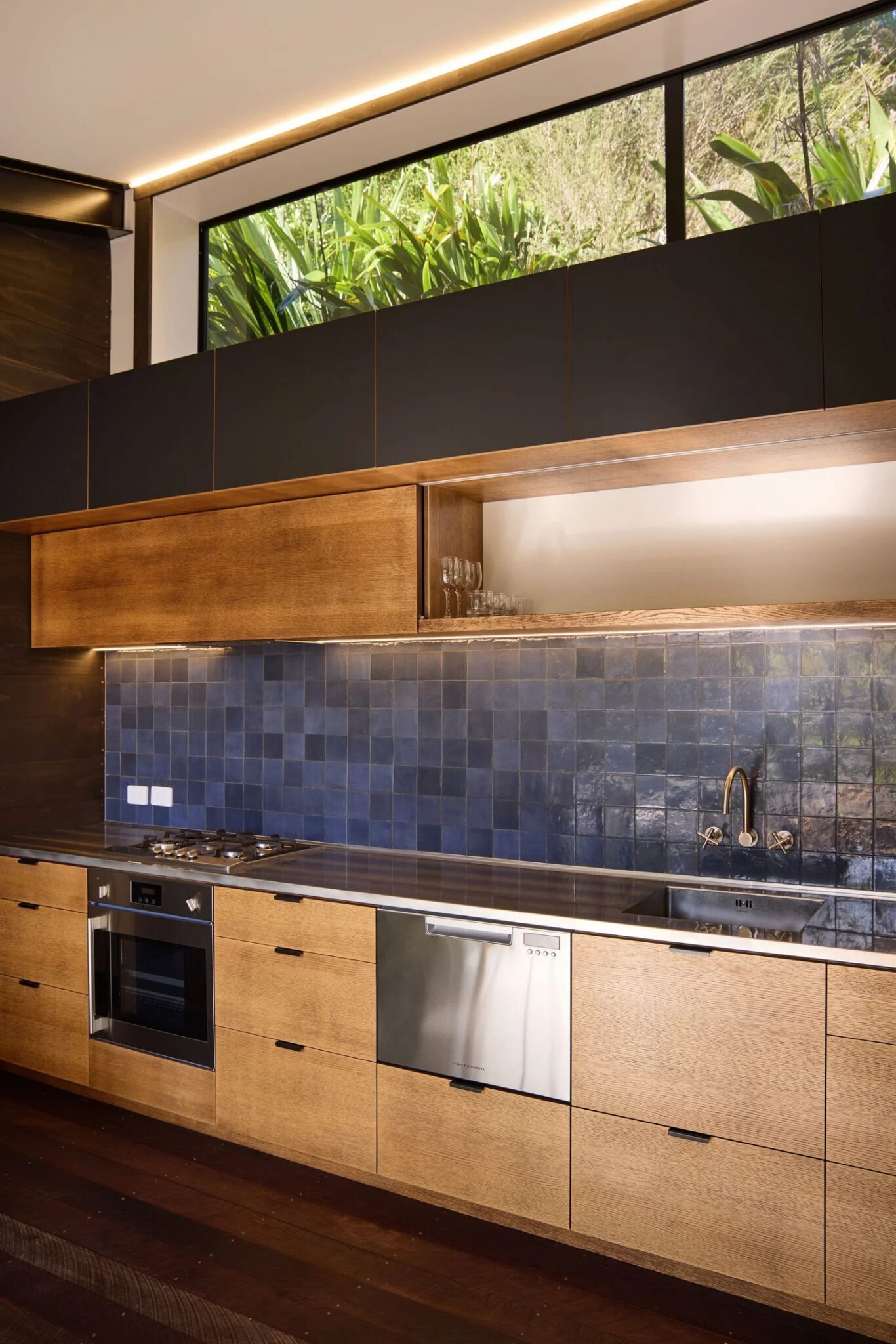
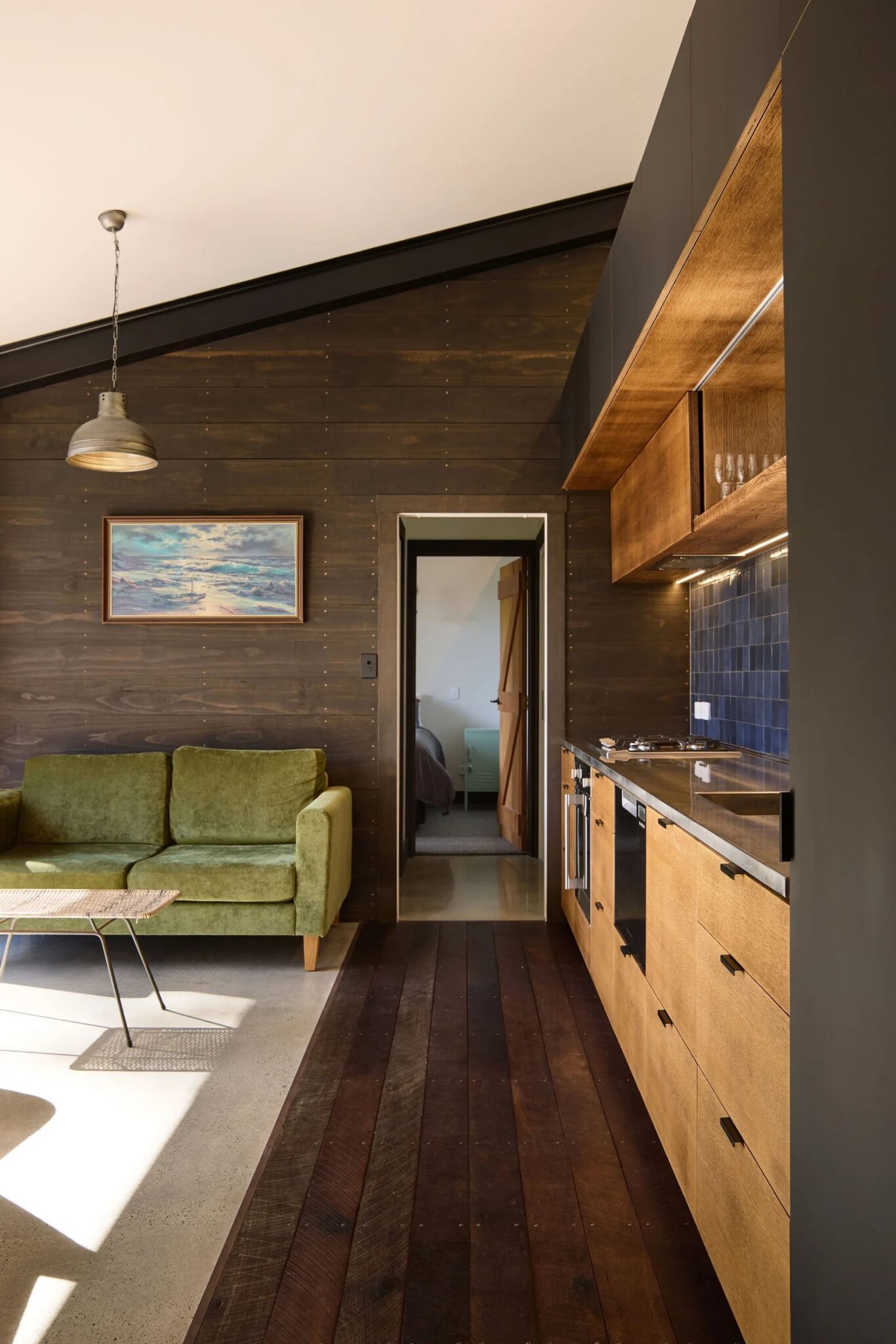
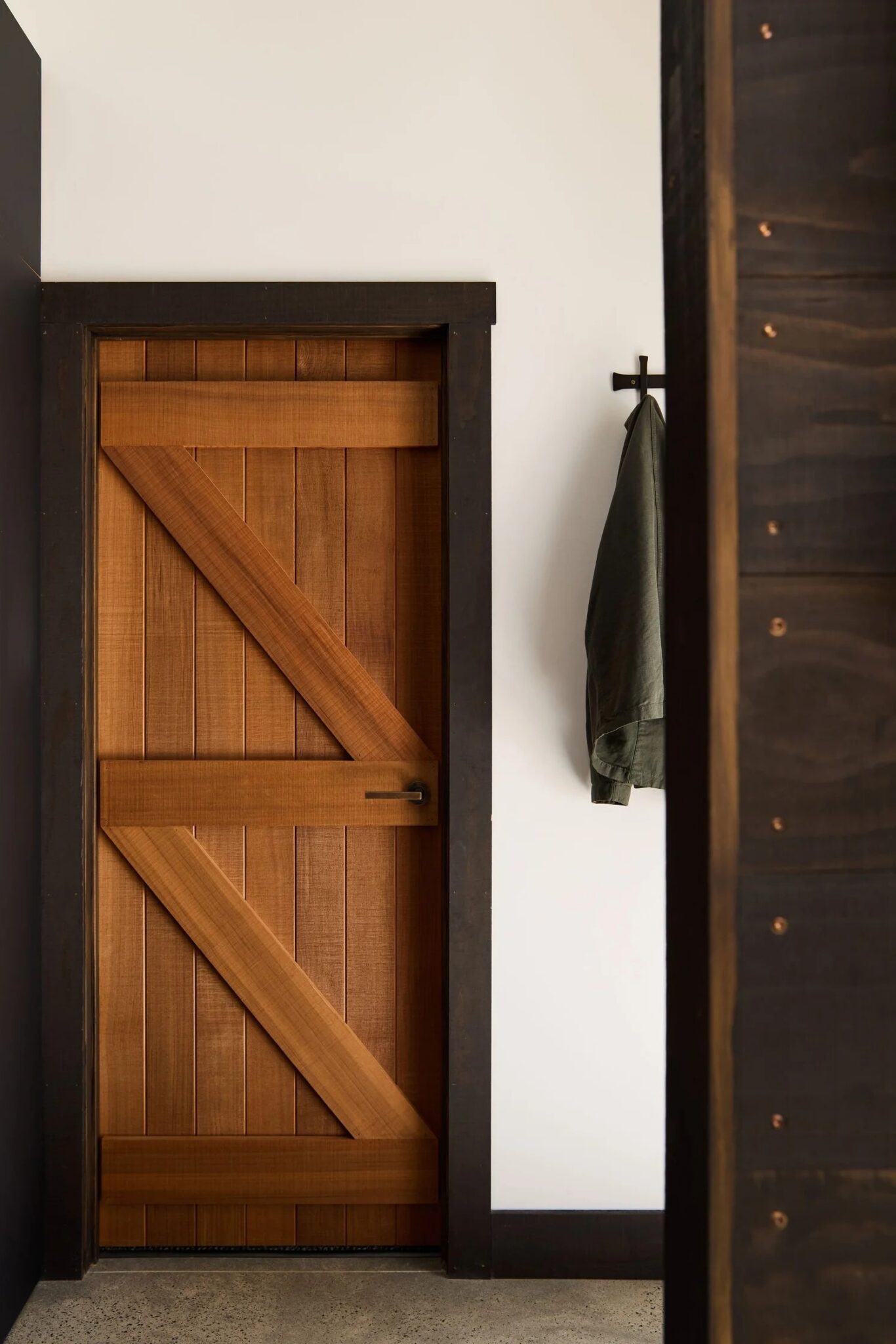
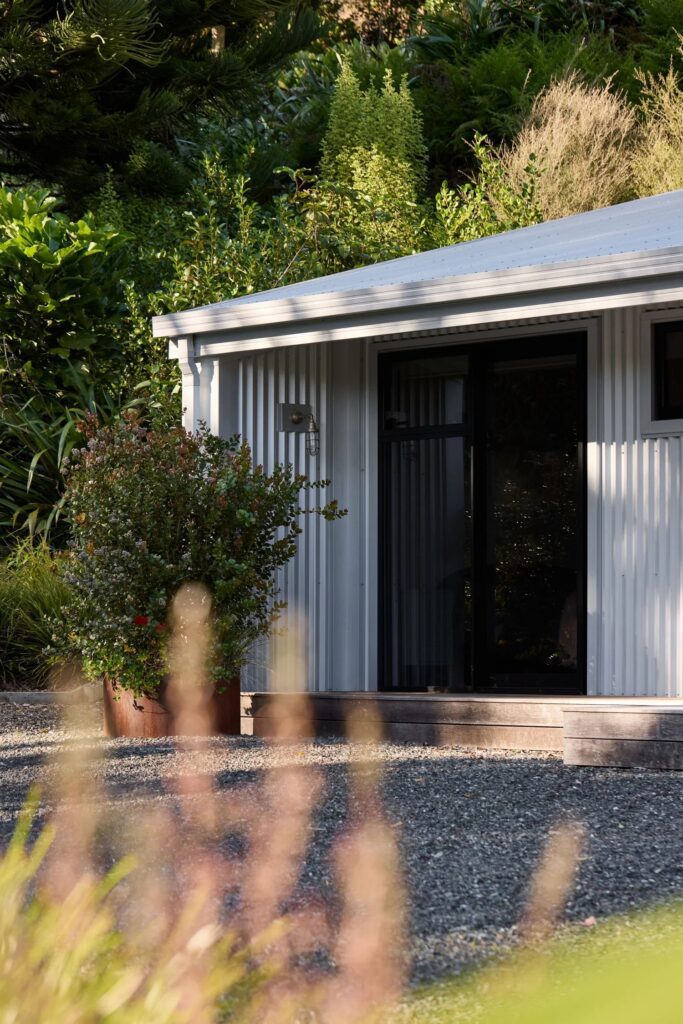
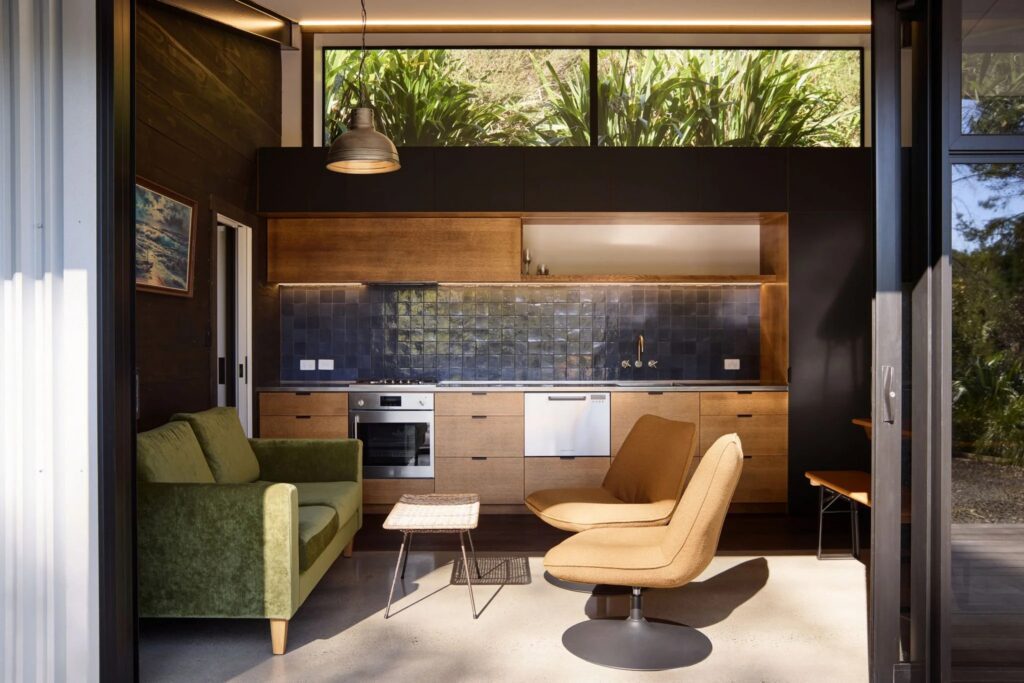
Material choices reinforce the building’s robust character. Zincalume cladding wraps the exterior, while exposed steelwork, concrete floors and timber weatherboards introduce a palette that feels both durable and tactile. The materials are hard-wearing and unadorned — a deliberate nod to the functional structures that populate New Zealand’s rural environments.
“In its essence, this home is a farm building: robust, low-maintenance, built for permanence and performance. Surrounded by hills, valleys and vegetation, it’s a retreat refined for rural living,” says Diego.
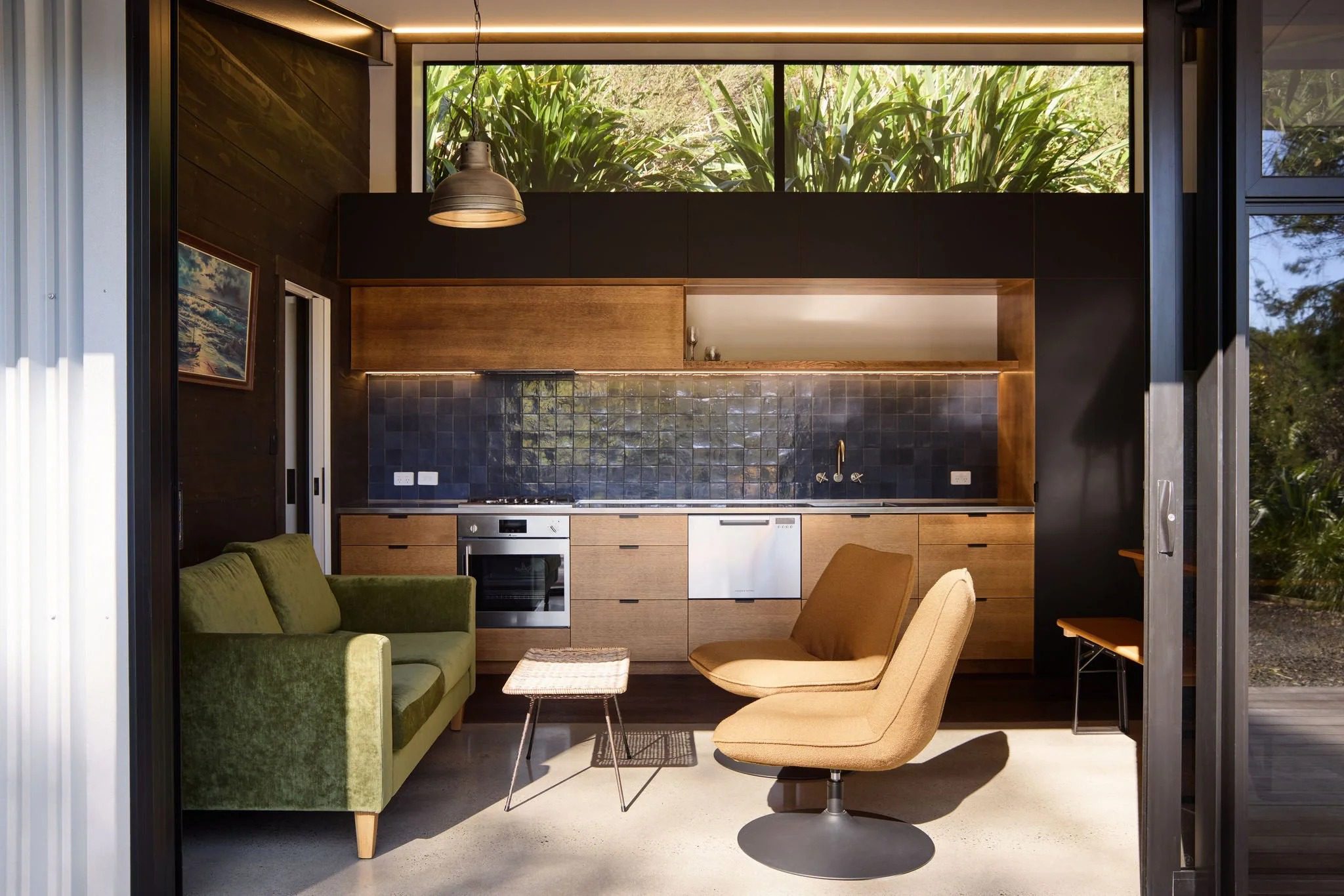
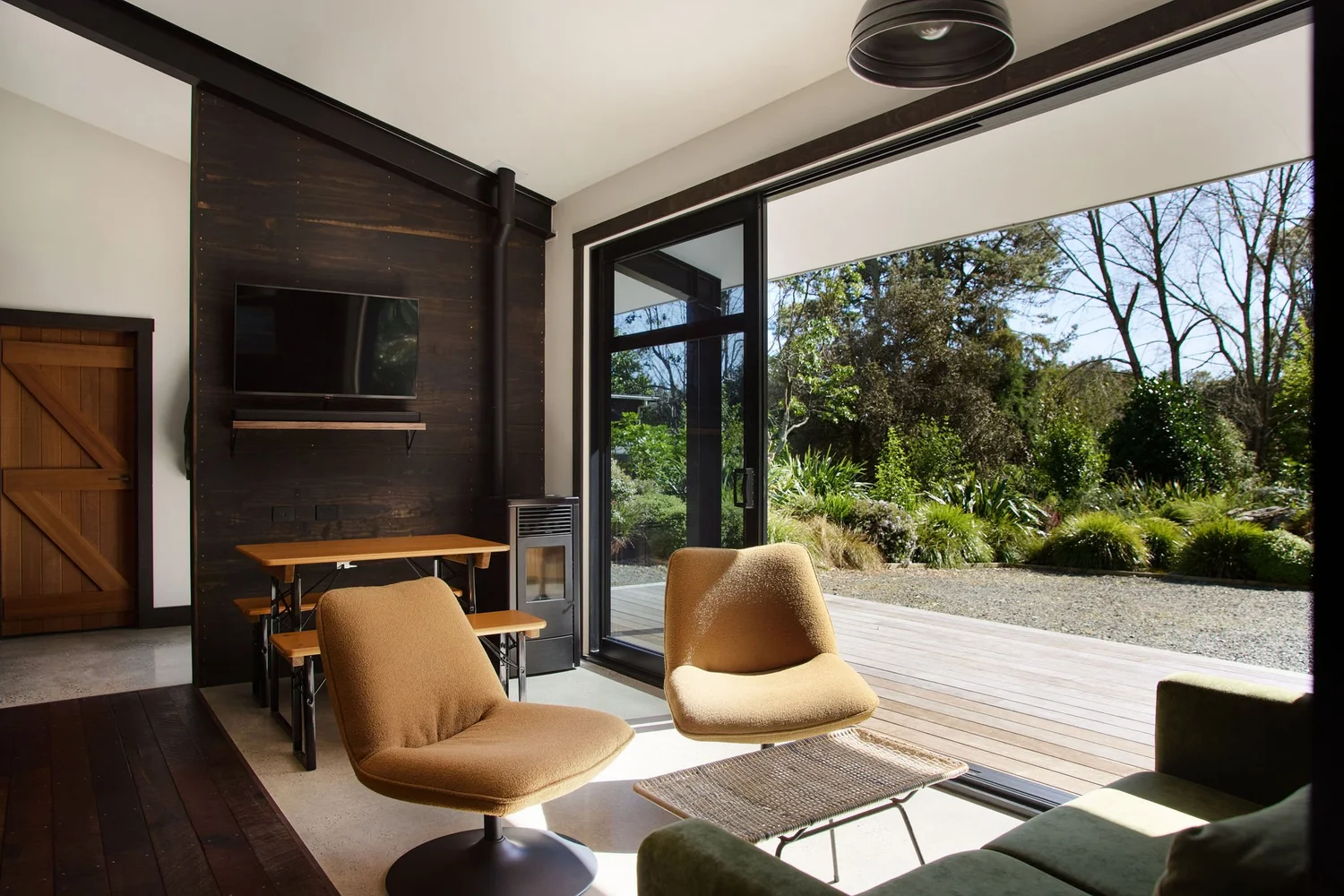
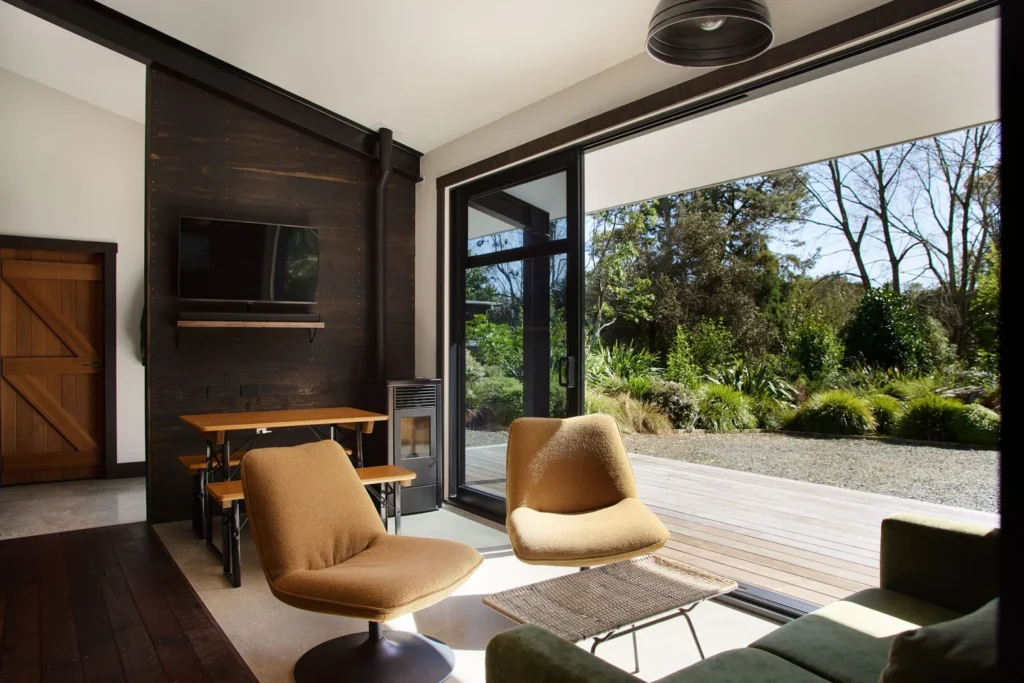
The plan is pared back to essentials. Two bedrooms sit at opposing ends of the house, framing a central open living space that accommodates cooking, dining and relaxation. At its heart, a wood fire and a pair of chairs create a quiet focal point — a place to gather and look out toward the surrounding landscape. Here, the fire is used more for atmosphere than warmth, rarely required even in the cooler months.
Environmental performance is integrated into the design through a passive strategy that responds to seasonal conditions. Insulated masonry blocks form the outer shell, while concrete floors absorb warmth from the low winter sun — which reaches deep into the interior — and release it gradually overnight to maintain thermal comfort. A generous verandah shields the house from the higher summer sun, while large north-facing doors and high south-facing clerestory windows draw natural light into the interior and encourage cross-ventilation.
The result is a home that feels both grounded and restrained — a contemporary interpretation of the shed typology that has long shaped New Zealand’s rural architectural identity. In its simplicity and quiet confidence, Te Puna House demonstrates how even the most modest structure can establish a meaningful dialogue with its landscape.