
Panorama

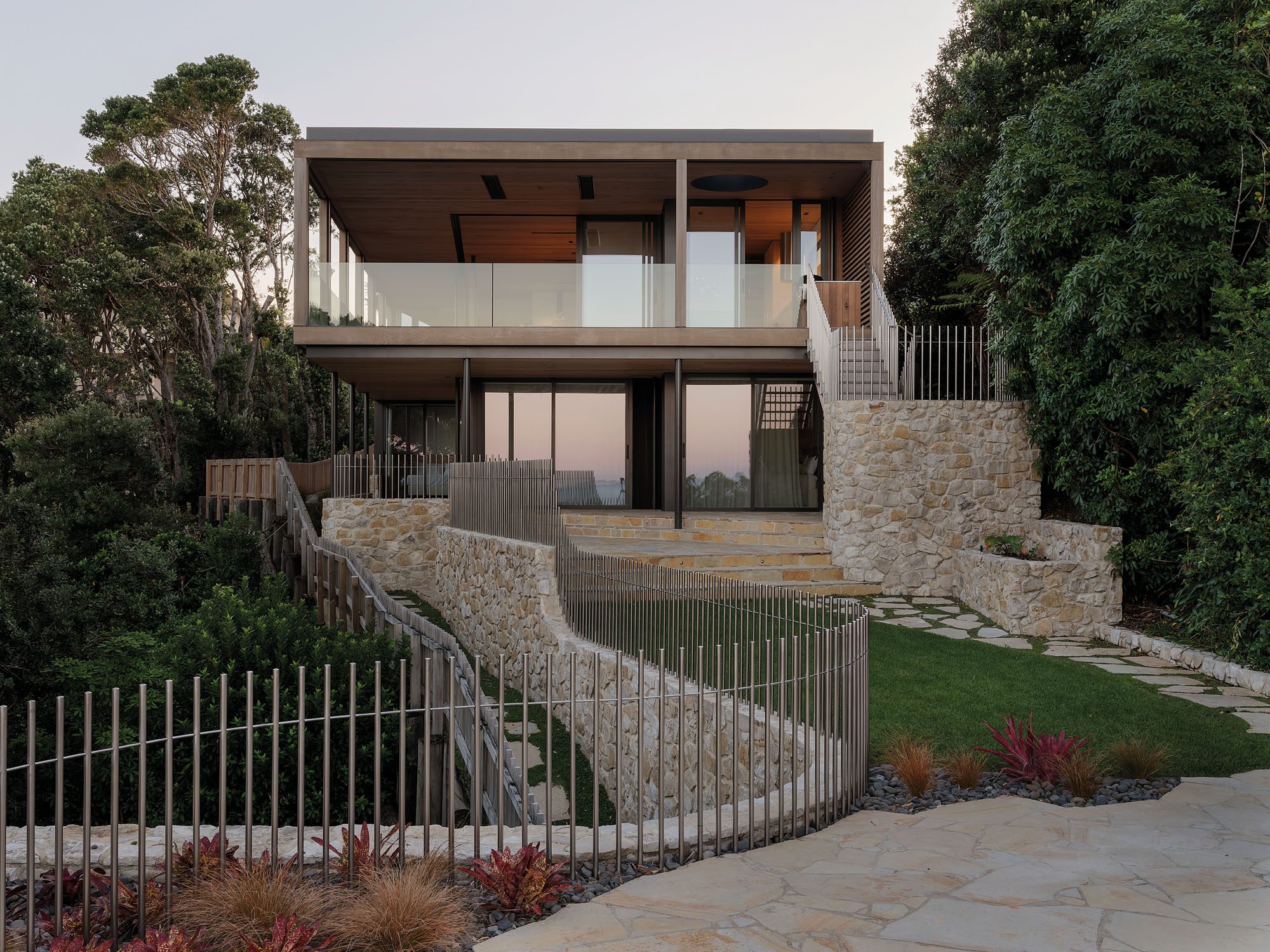
Set on a steep coastal site at the end of a peninsula, this multi-generational holiday home is broken down into two dwellings — connected by an underground tunnel and wine cellar. A lightweight floating timber box hovers above a solid stone base anchored deep into the cliff, balancing lightness with permanence.

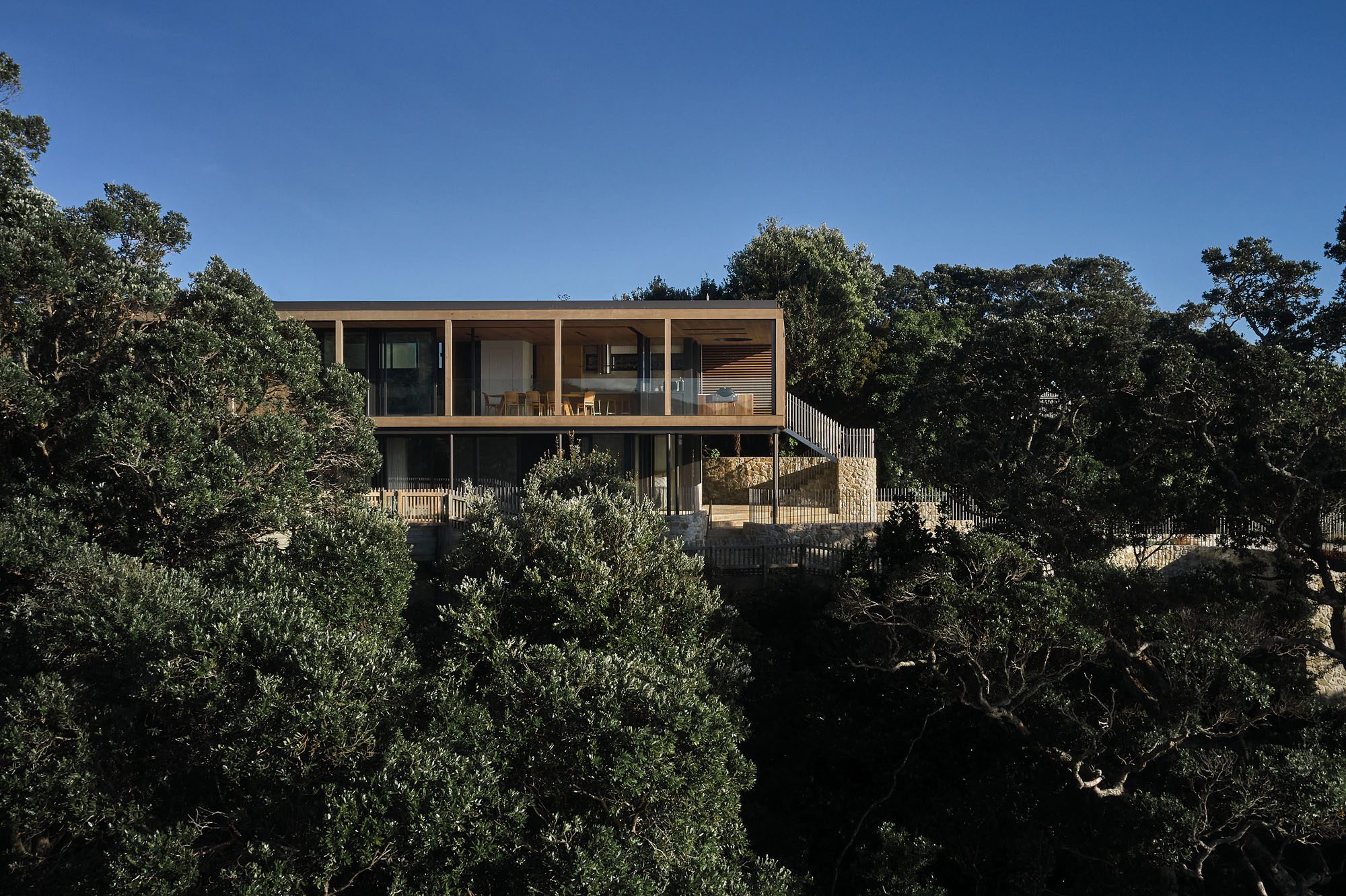
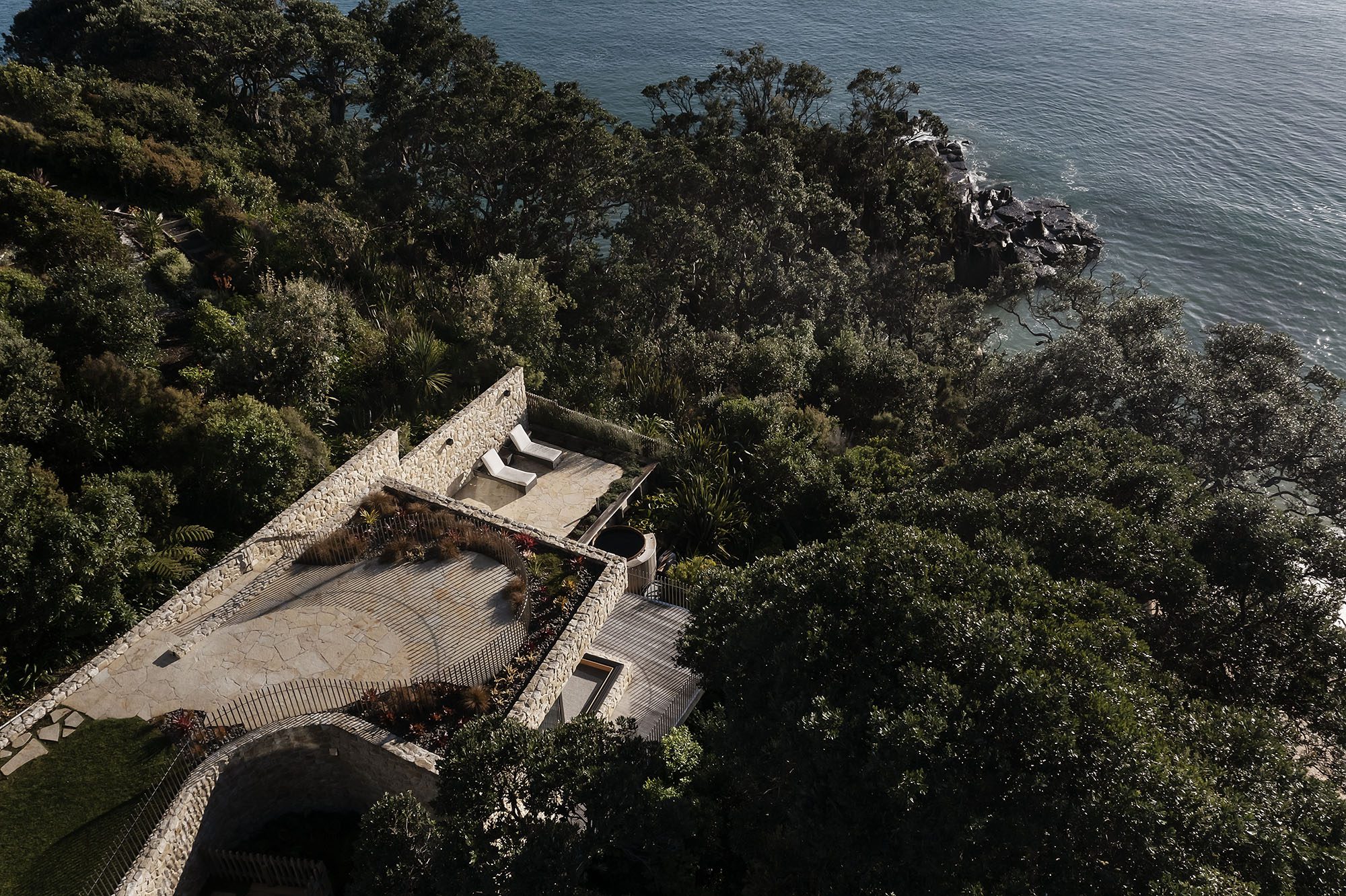
Perched above the tree line on Coromandel Peninsula, Panorama is a study in restraint and permanence — a multi-generational holiday home anchored by stone and completed with timber — stretching north towards the wide horizon of Mercury Bay; a seamless meeting of architecture and landscape. 

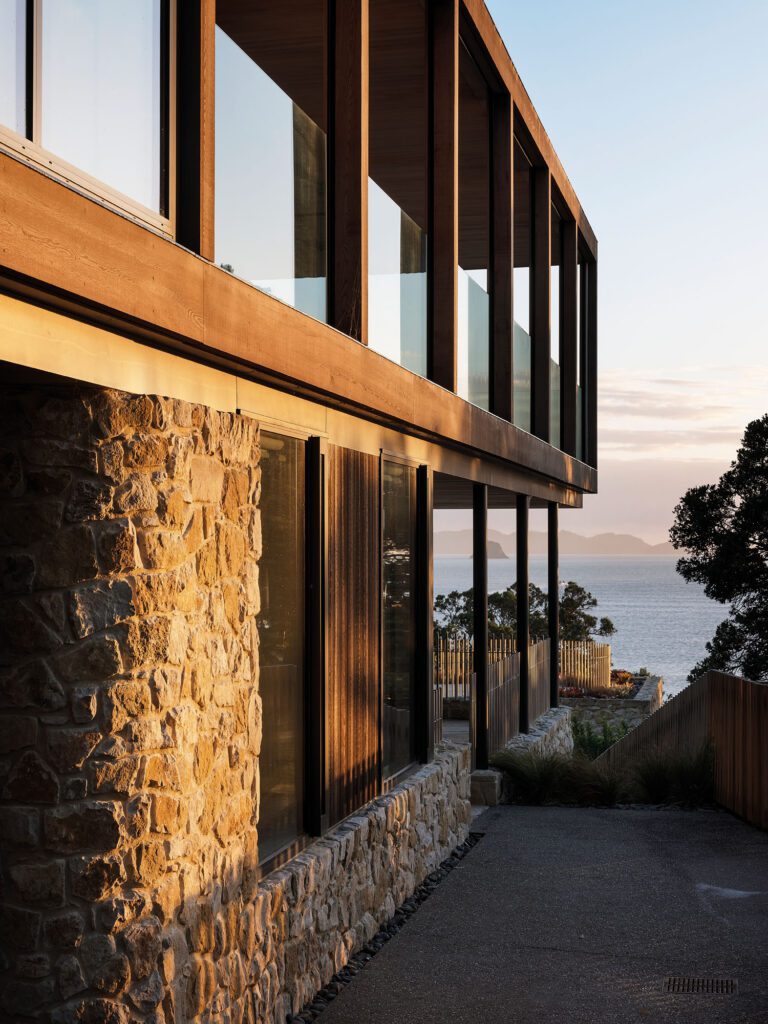
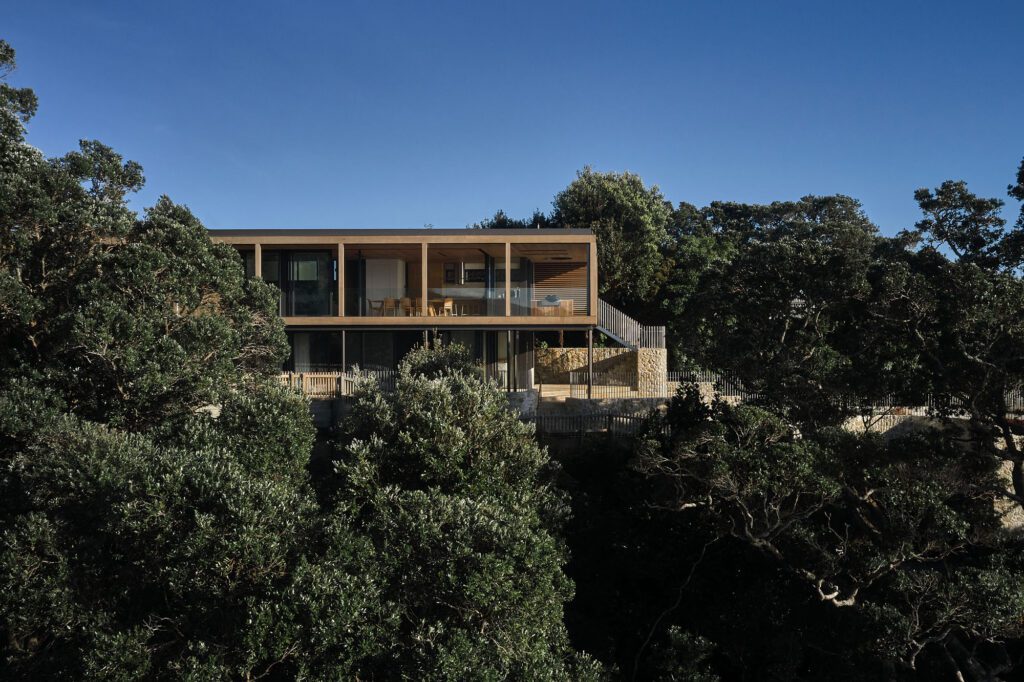
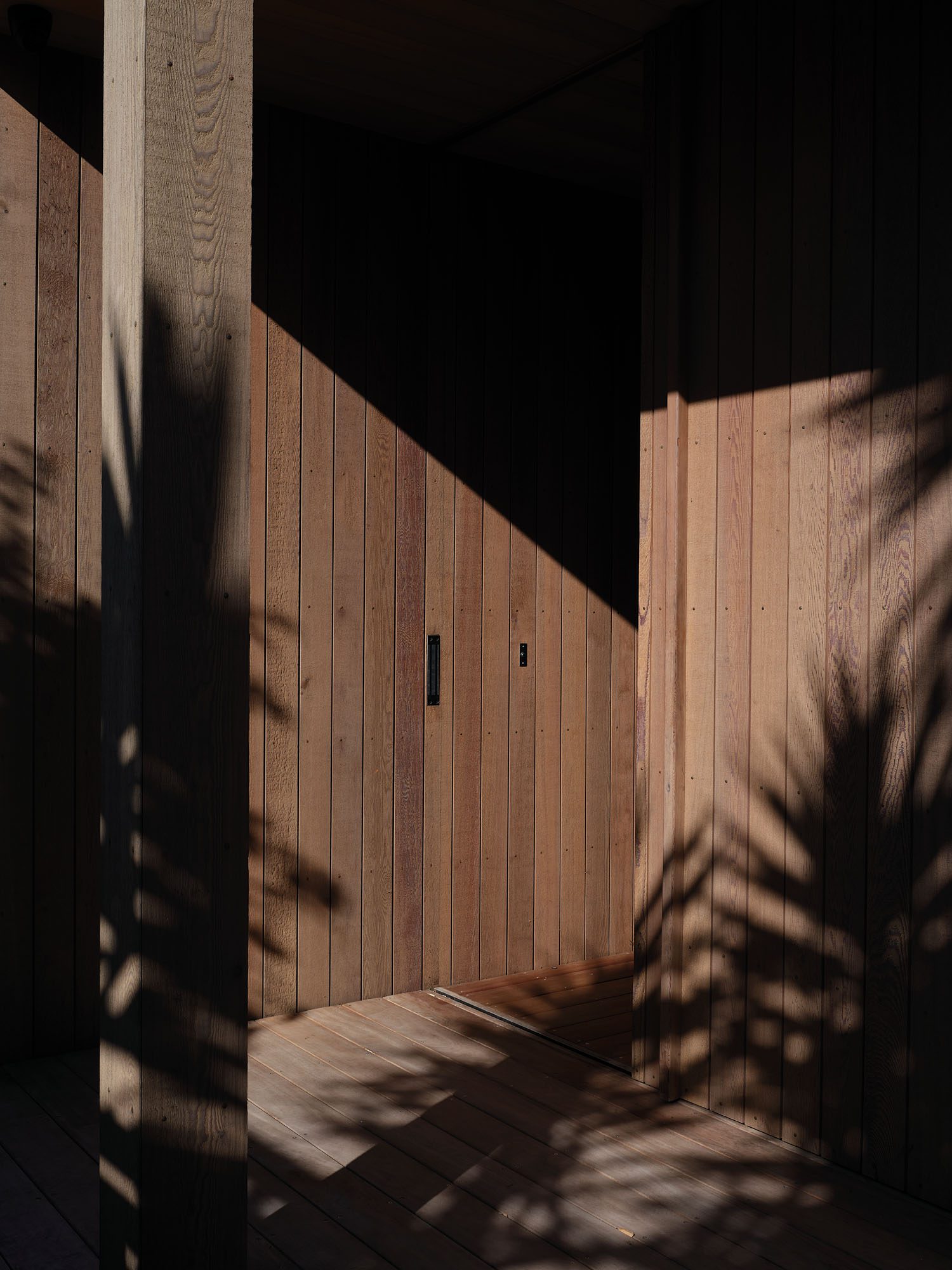
From a distance, it appears as a simple gesture: a cedar-clad box hovering lightly above the land, underpinned by a darker, grounded base. But this is a house that rewards proximity, a slow reveal of spaces and material contrasts, of views framed and light caught.

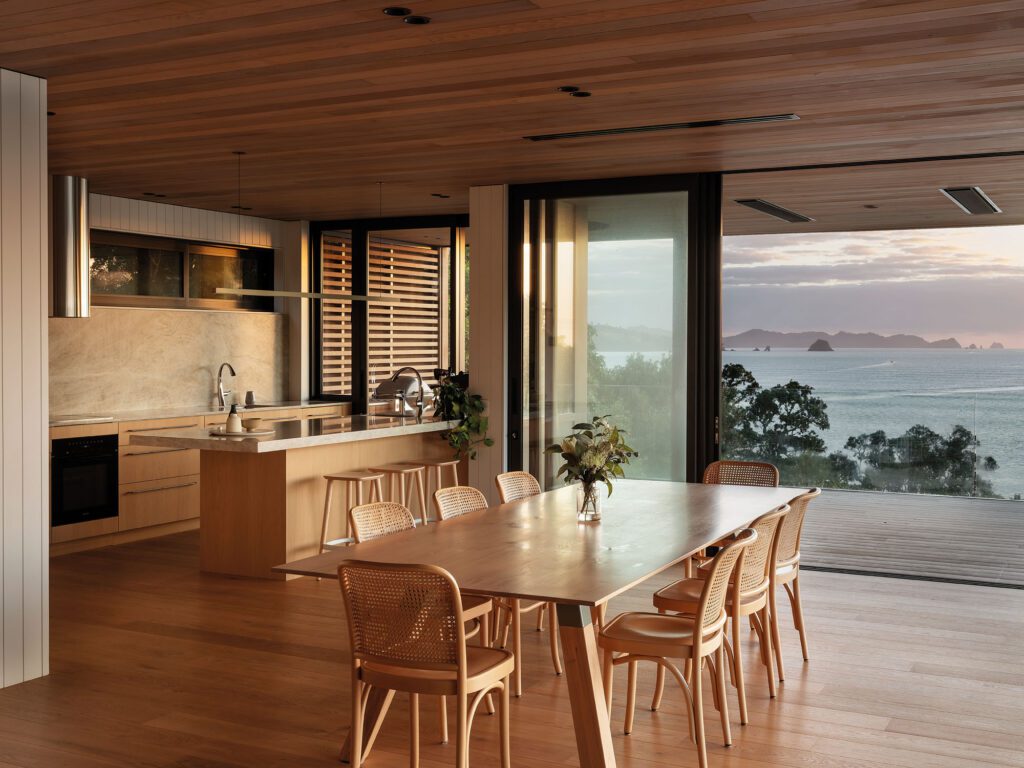
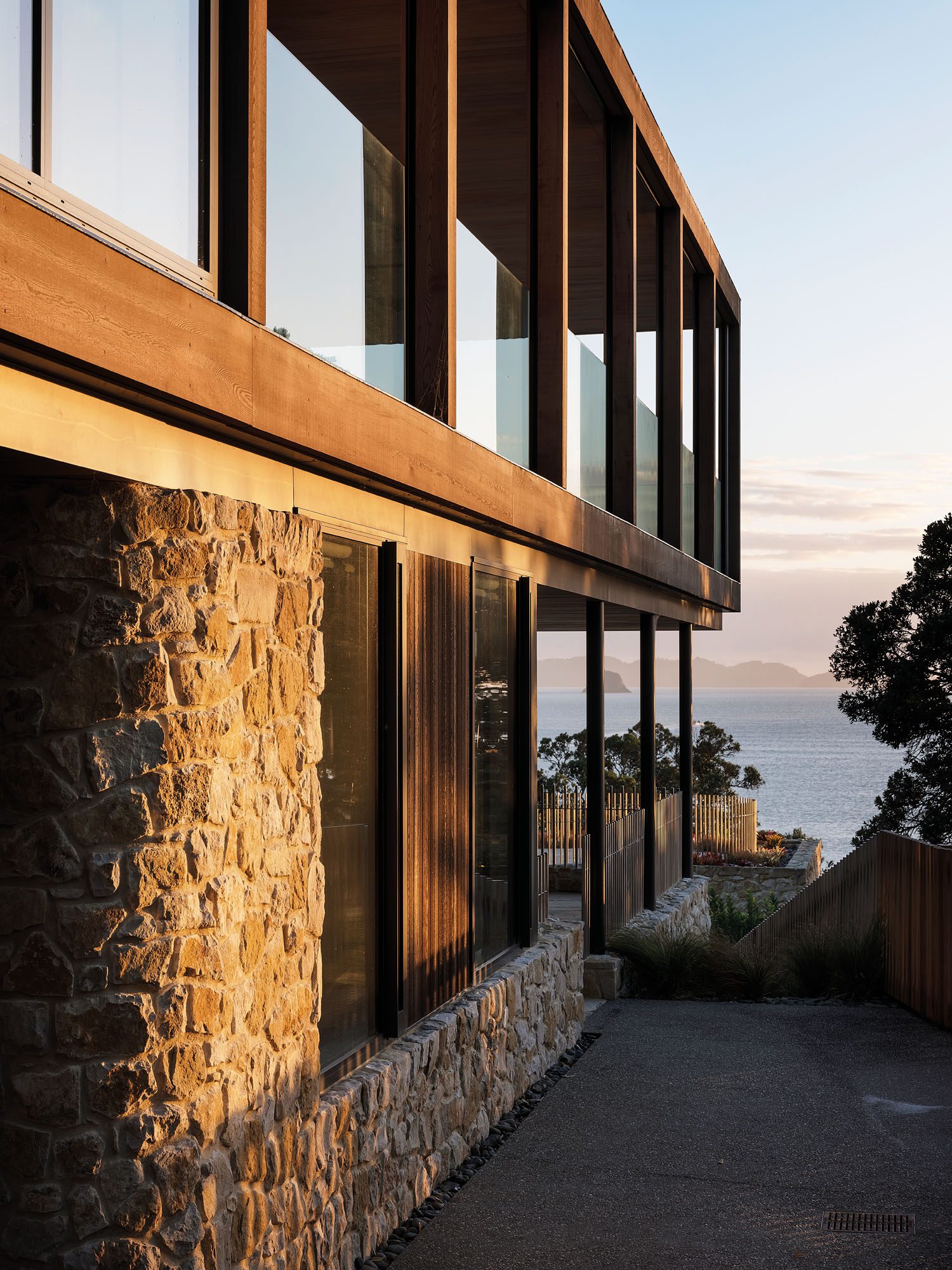
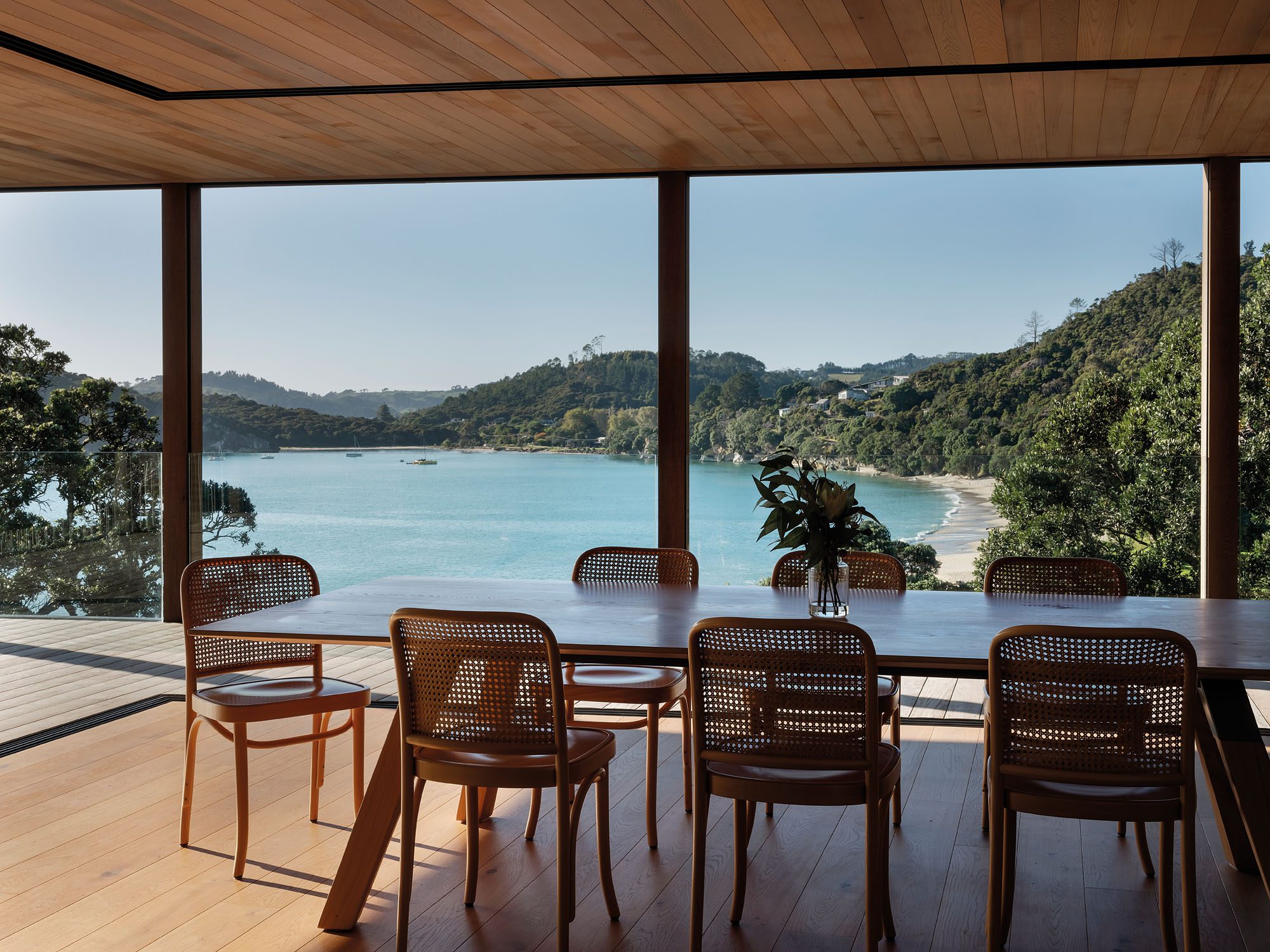
Generous glazing frames the intense beauty of the area.

“Panorama sits in a quintessential New Zealand coastal setting, where the intersection of nature and built form needed to be holistically held in balance, bringing both experiences into sharper focus,” says architect Daniel Smith. 

The brief called for privacy and gathering, for scale and intimacy, and for a sense of subtle theatre that responds to the drama of the land. The narrow, triangular platform left by a previous dwelling set the parameters for the new house. Above the cliff and among mature pōhutukawa, the home feels embedded — at once deeply grounded and impossibly light. 

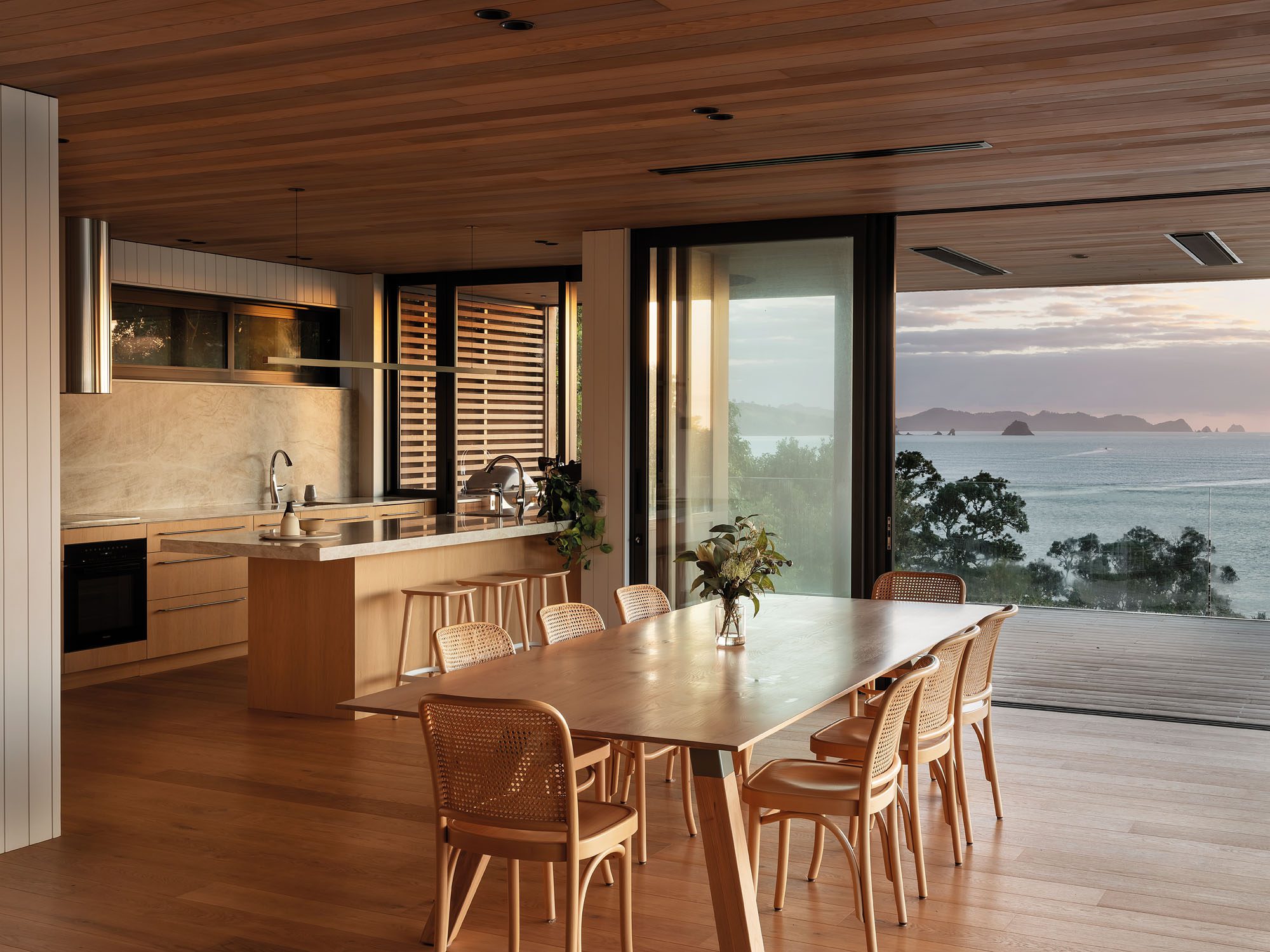
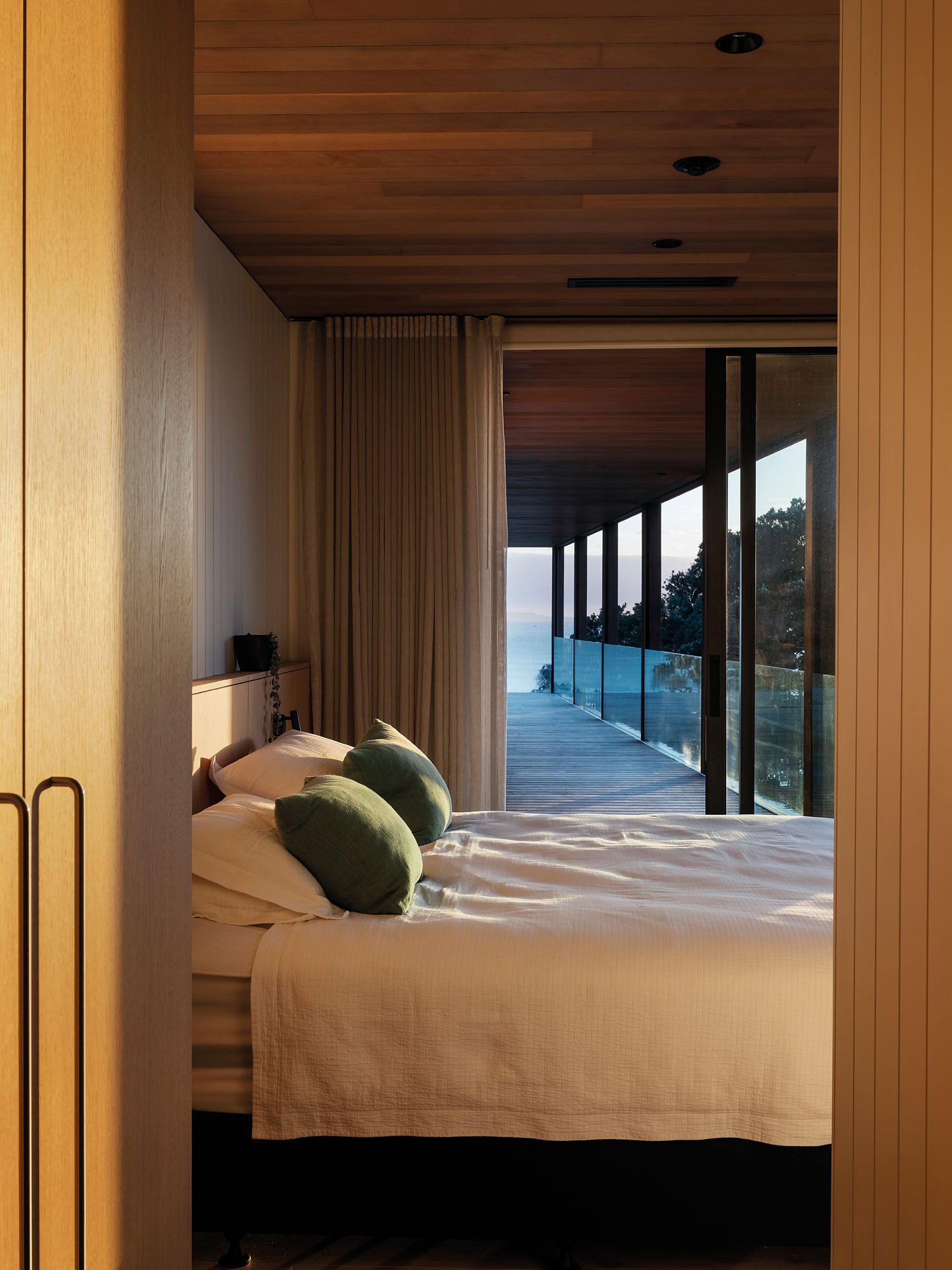
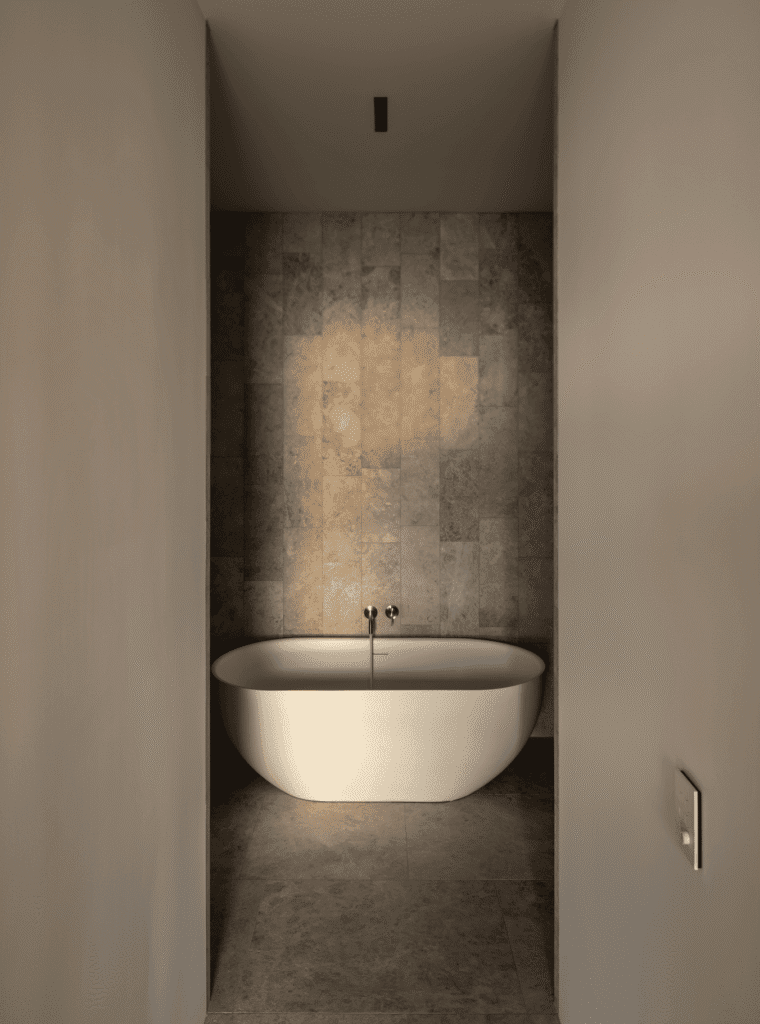
Interior materials are warm and tactile, taking on the sandy tones of the coast.

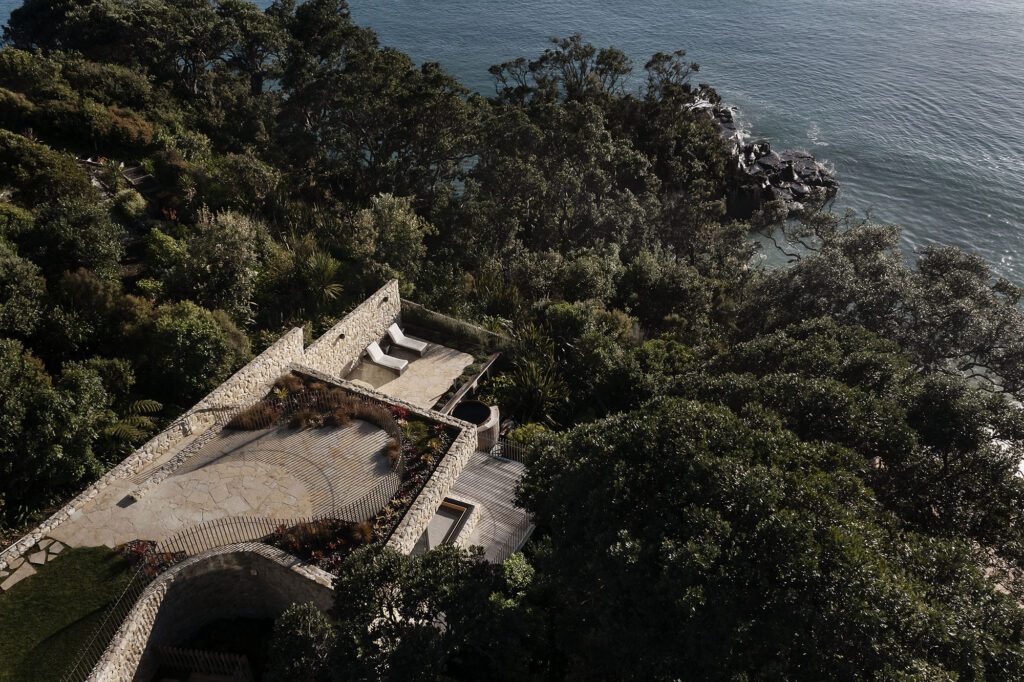
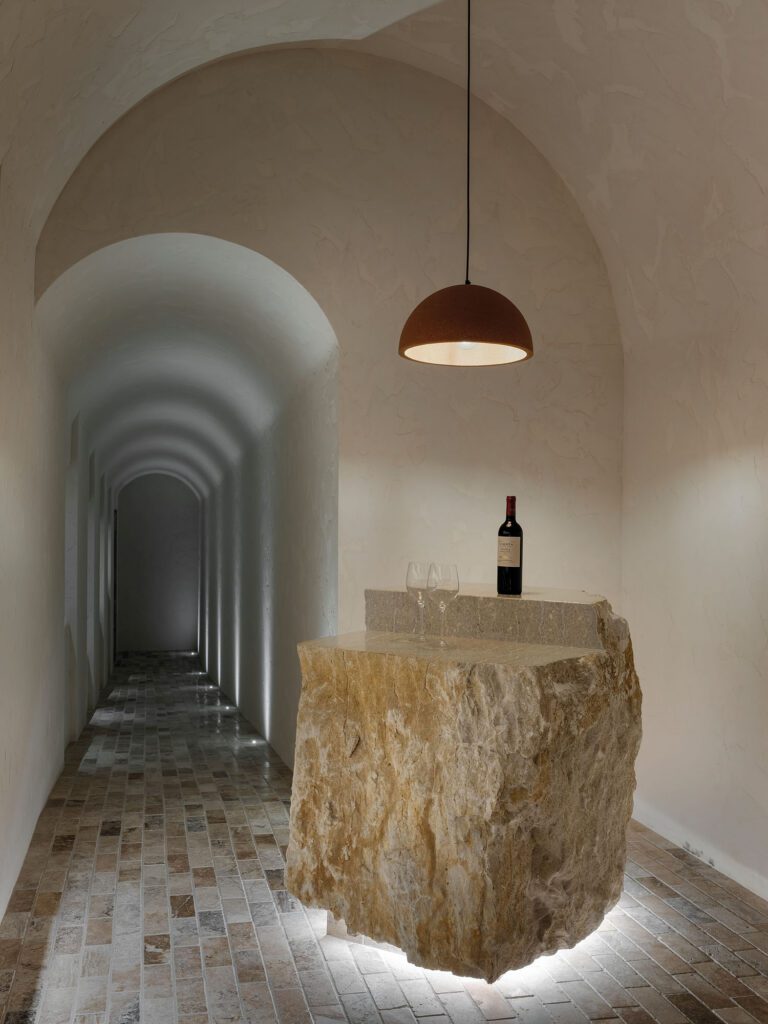
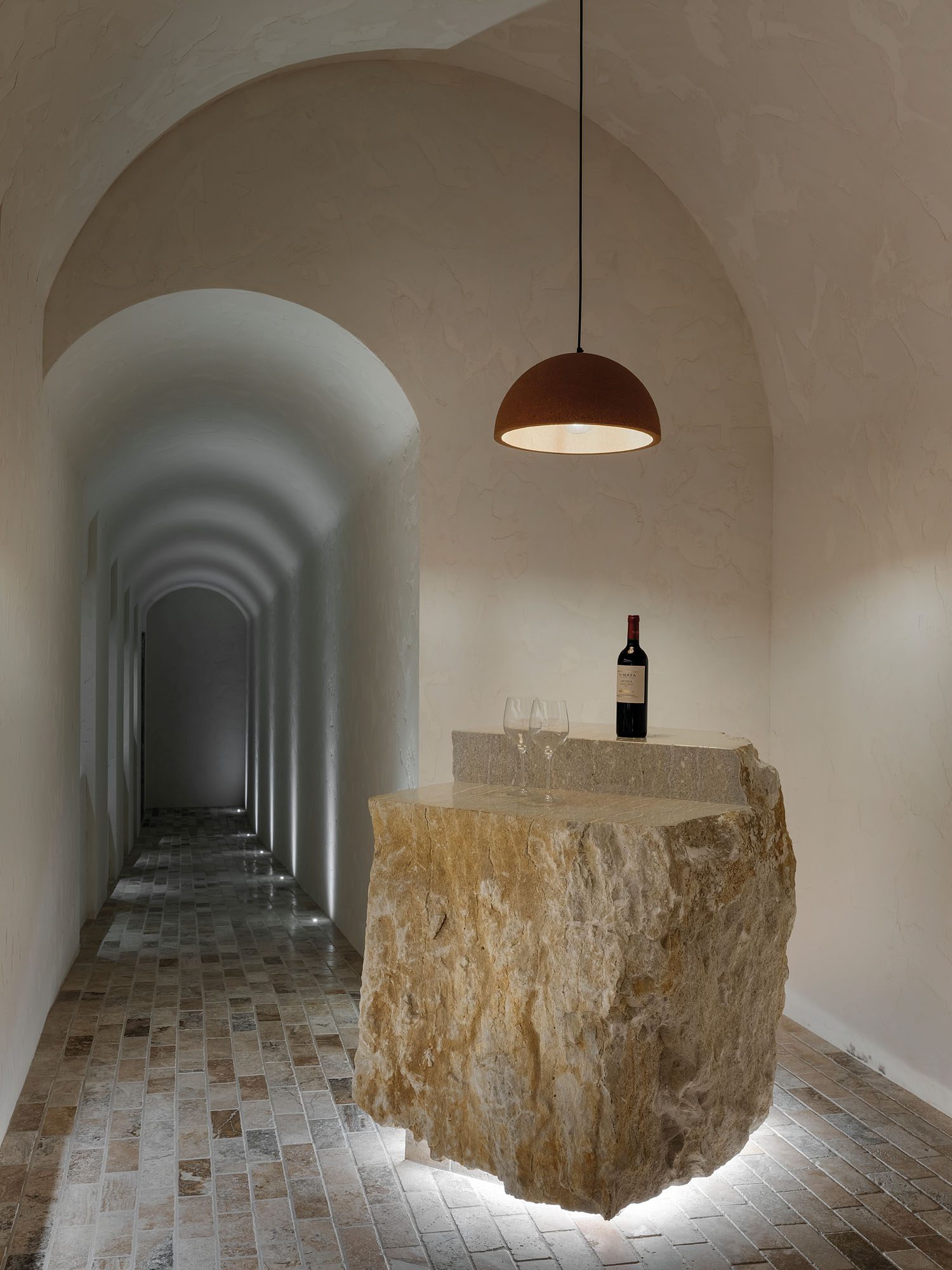
Two volumes define the form: a main house and a lower bunker connected by a 30-metre underground tunnel. A single slab of stone, commissioned as a wine-tasting table, anchors the tunnel to the geology of the site.

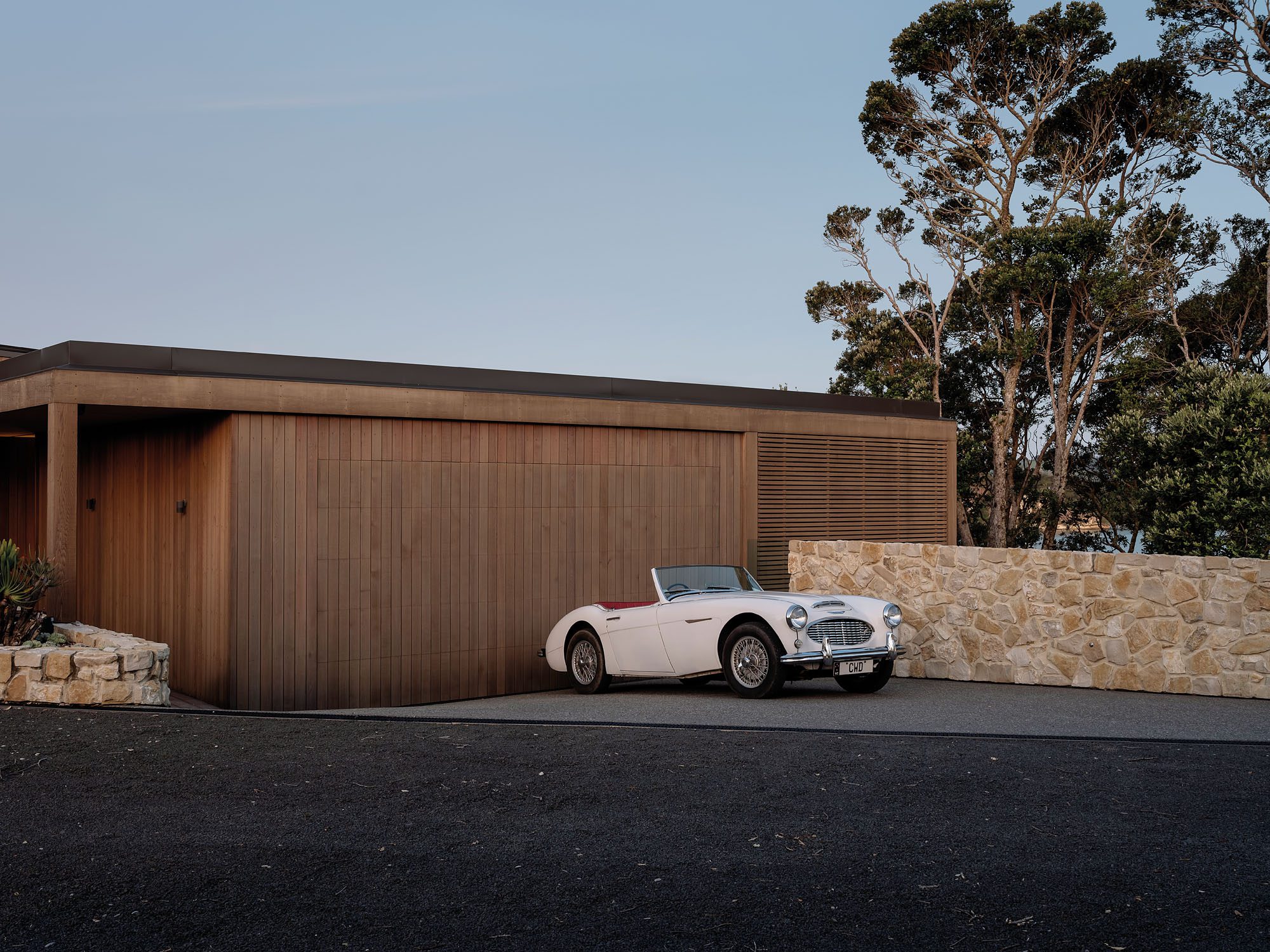
The stone motif repeats — most notably in the cladding of the lower levels — drawing inspiration from the sandstone cliffs that rise around the bay. The wider material palette, too, is guided by nature: cedar, stone and concrete chosen for their tactility and ability to age with grace, and to provide resilience to the climatic changes of the coast. Floating above, the upper pavilion frames long views to Mercury Islands, with low, negative spaces allowing for glimpses through the pōhutukawa boughs.

A covered tunnel and wine cellar connect the two dwellings; a single slab of stone used as a wine-tasting table references the site's natural strata.

“The stone base references the sandstone rock of Shakespeare Cliff — creating a dialogue between the landscape and the built form. A dark, negative layer is created at ground level, with perforated views through the surrounding pōhutukawa. Atop, a lightly weighted cedar box floats above the canopy where the abundant panoramic views are emphasised,” Daniel explains. 

It’s a place of shared spaces and private retreats, inspired by holidays of days gone by. “Although the house has a substantial programme, we wanted it to feel relaxed and informal. It draws on the character of the classic Kiwi bach — with a casual entry, circulation around generous deck areas, and carefully revealed views that create a sense of journey.”

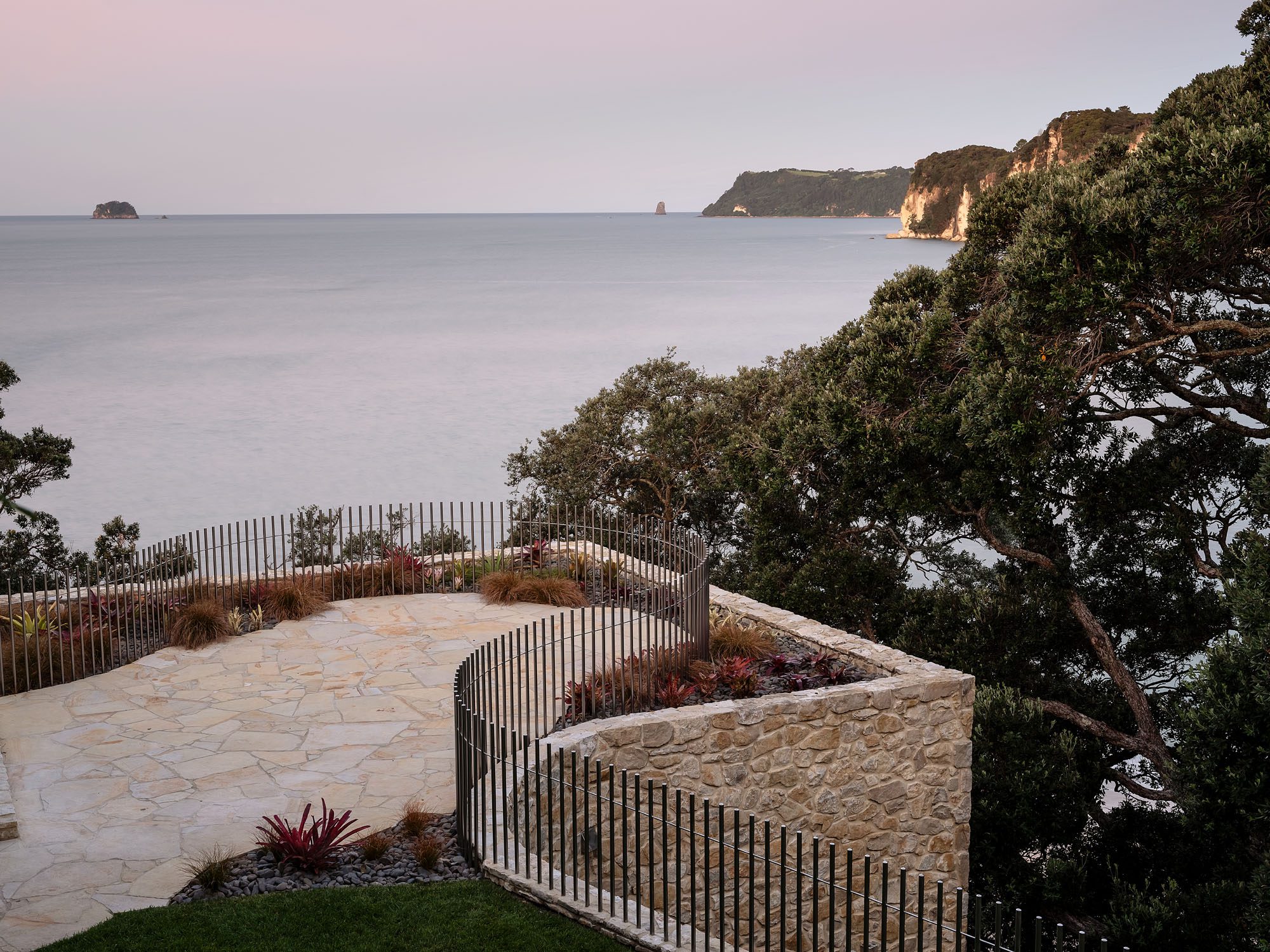
The stone base echoes the sandstone cliff across the bay, embedding the house within its setting, while the timber-clad upper level takes on the hues of the surrounding bush.

Interiors embrace soft, sandy neutrals, natural textures, and a restrained palette that mirrors the coastal setting. Custom detailing and considered lighting combine to create an atmosphere of slow comfort — designed for long summers and unhurried days by the sea. 

Originally imagined as a separate dwelling, the ‘bunker’ ultimately became part of the wider programme, connected via the tunnel. The landscaped platform above now serves as a viewing deck. 

“Creating a communal space for extended family was always at the heart of the brief,” Daniel says. In that, Panorama succeeds. It is a building that holds its ground with assurance, and opens, at every possible moment, to the sky and to the sea beyond.

Words: Clare Chapman
Images: Sam Hartnett

This feature first appeared in Homes of this Decade 2015-2025, which was published by Nook Publishing in 2025.

Latest video features

In the Coromandel, a home with a humble profile and a thoughtful design makes the most of a stunning location.

Built with awe-inspiring attention to detail, this Arrowtown home is a fresh interpretation of a familiar Otago rural vernacular.

This sculptural Northland bach is a perfect north arrow on a remote farm high above the sea.

With the sun on its bow and the community at its stern, this is a house in which the elements are always front of mind.

Trending articles

Arts and Books

Martino Gamper x Objectspace

Objectspace launches its 2026 programme with a major new commission by Italian designer Martino Gamper, whose work has long explored the cultural and social life

Architecture For Sale

Geode House, Waiheke Island

This award-winning cabin on Waiheke Island by architect Vaughn McQuarrie and interior designer Sara Fraser of Sartoria is on the market for the first time.