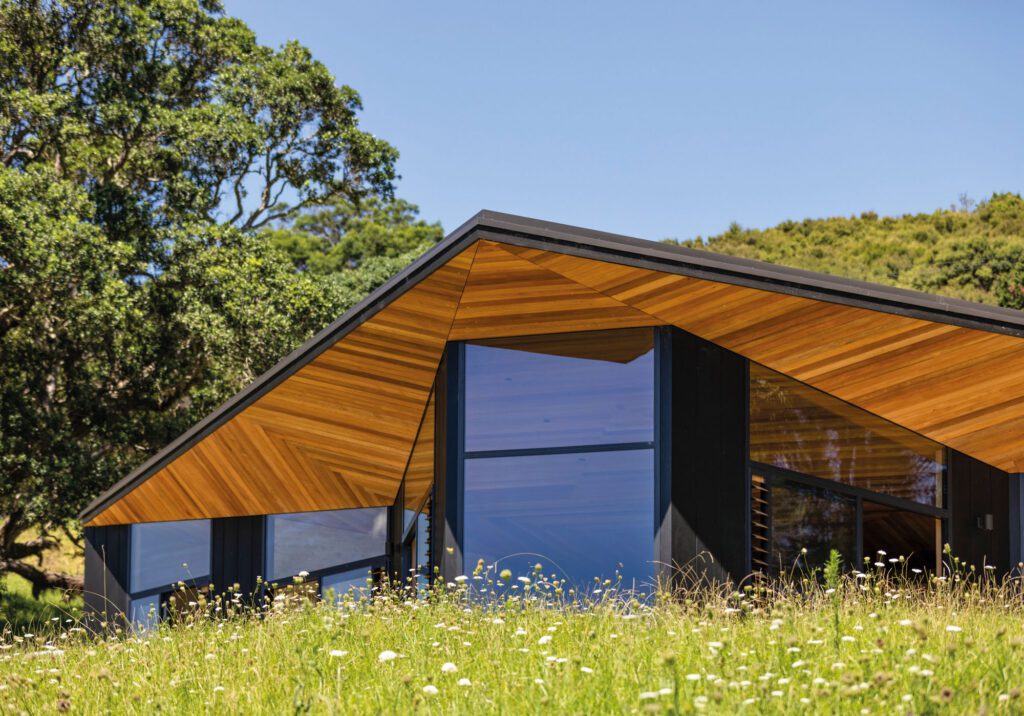
Conceived as a sleepout for guests, this adjunct to a holiday home is an amalgamation of utilitarian materials, functionality, whimsy, and zen vibes. It recedes humbly into the bush — a carefully considered retreat that is small but mighty.
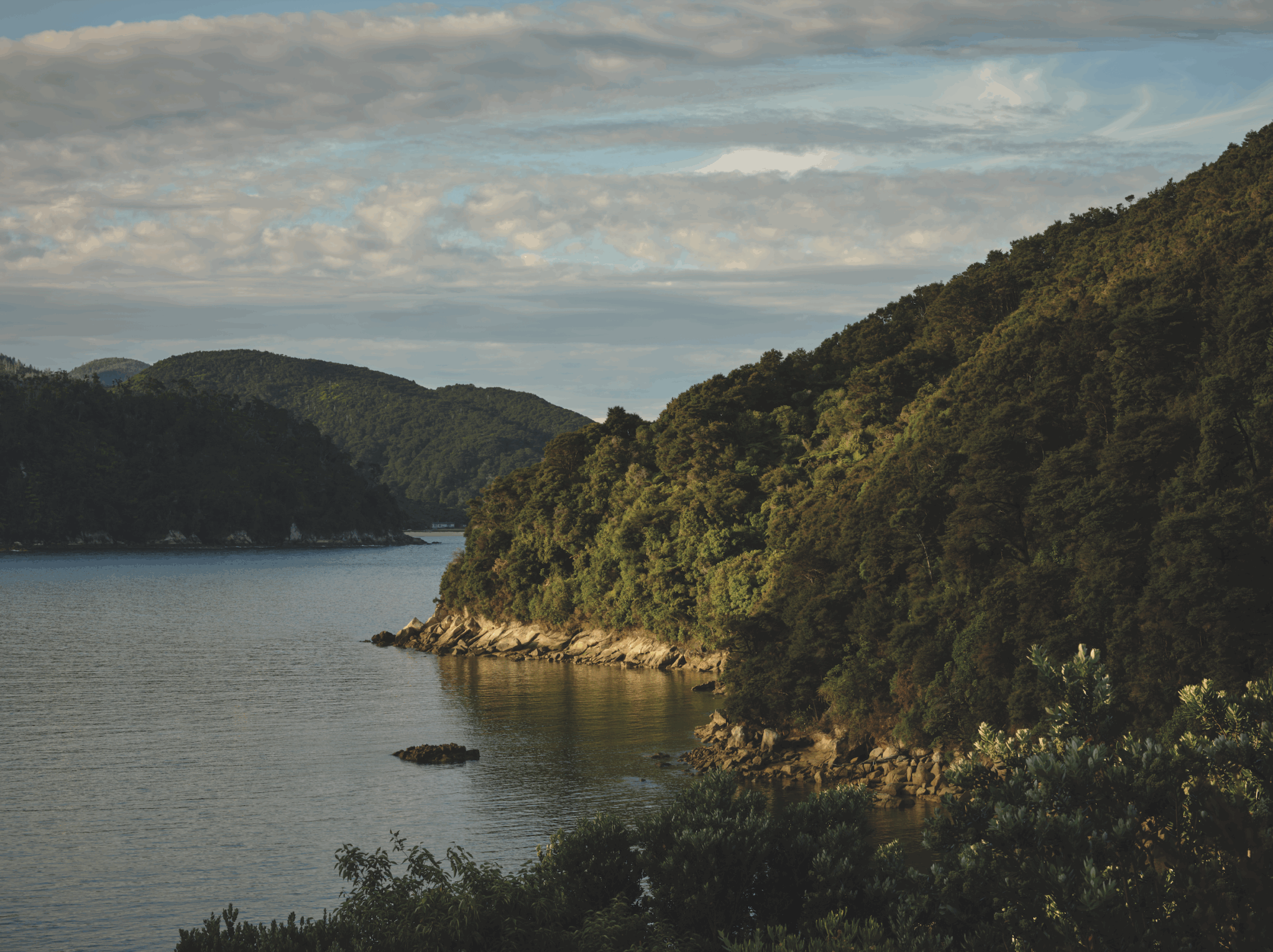
Not many homes require a plane or car ride, a boat ride, and a hike to reach the front door, but this bush cabin does, and it’s worth the commute. Created to provide additional sleeping quarters for guests at a family bach on the edge of Abel Tasman National Park, the cabin is a study in low-key architecture inspired by classic New Zealand tramping huts, informed by endless scrutiny, and, ironically, enhanced by its not-inconsiderable limitations.
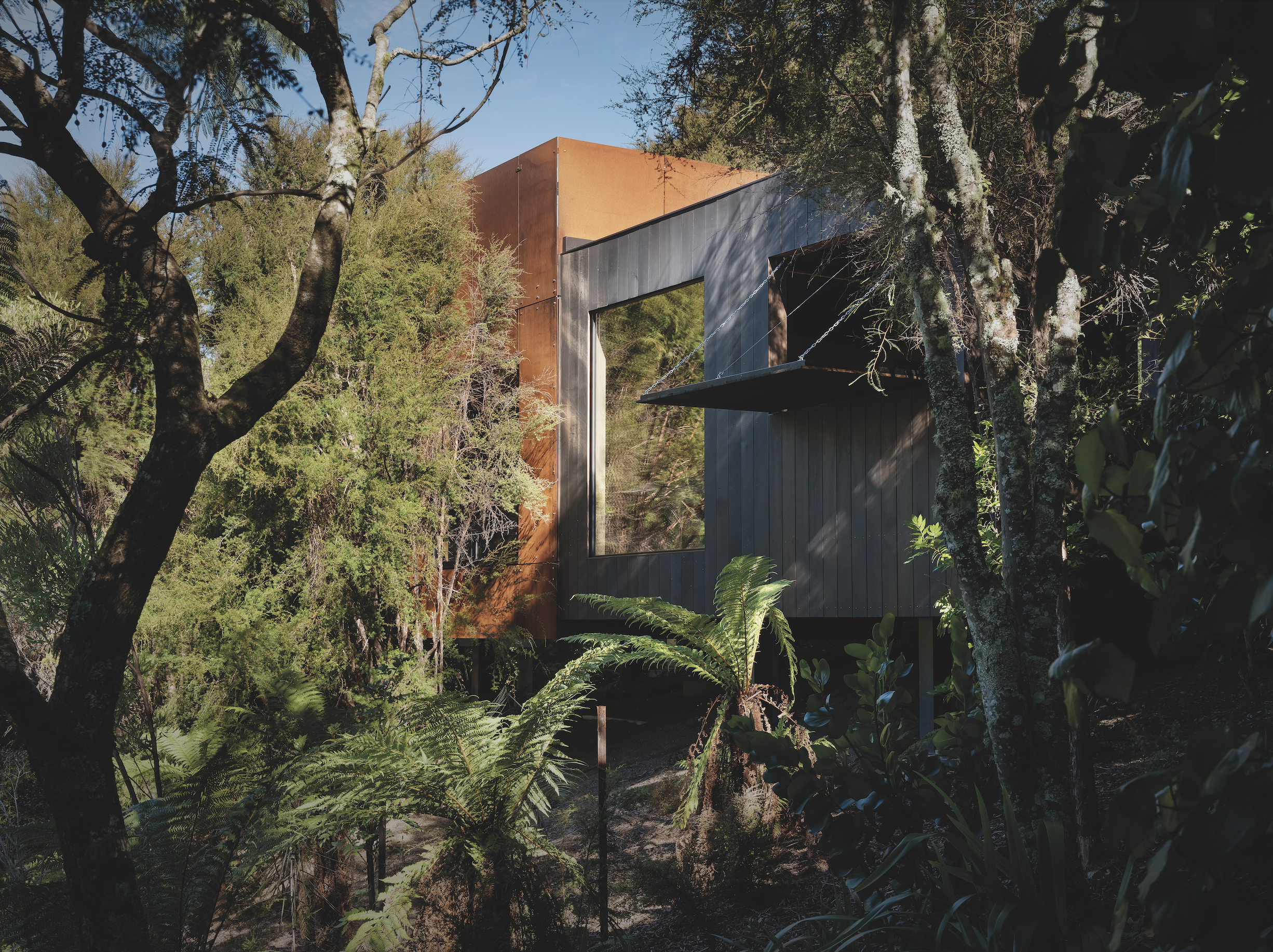
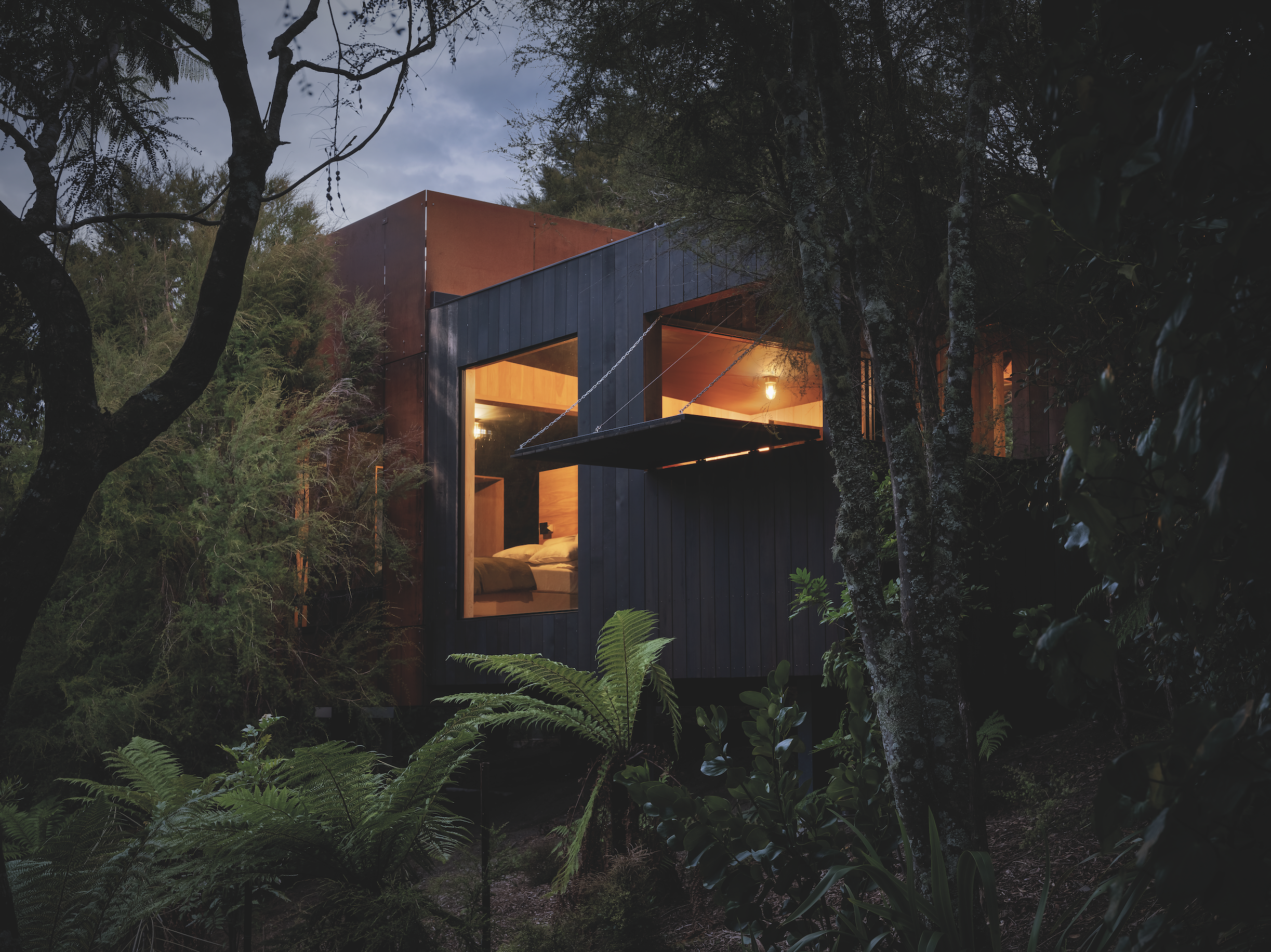
Prue Johnstone and Mike Callaghan of Johnstone Callaghan Architects were determined to minimise the impact of the cabin on the bush-clad site, to ensure as few trees as possible were disturbed in the construction process. The structure also had to disappear into the bush, rather than stand out, and make visitors feel cocooned in the flora and fauna of the surrounding whenua.
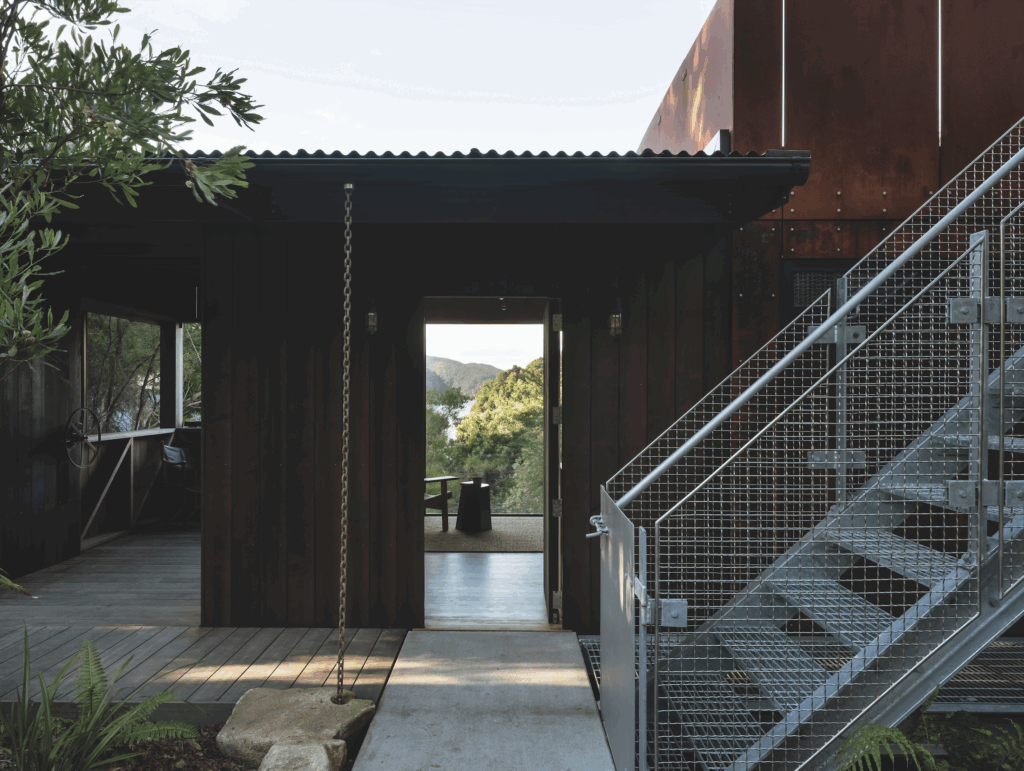
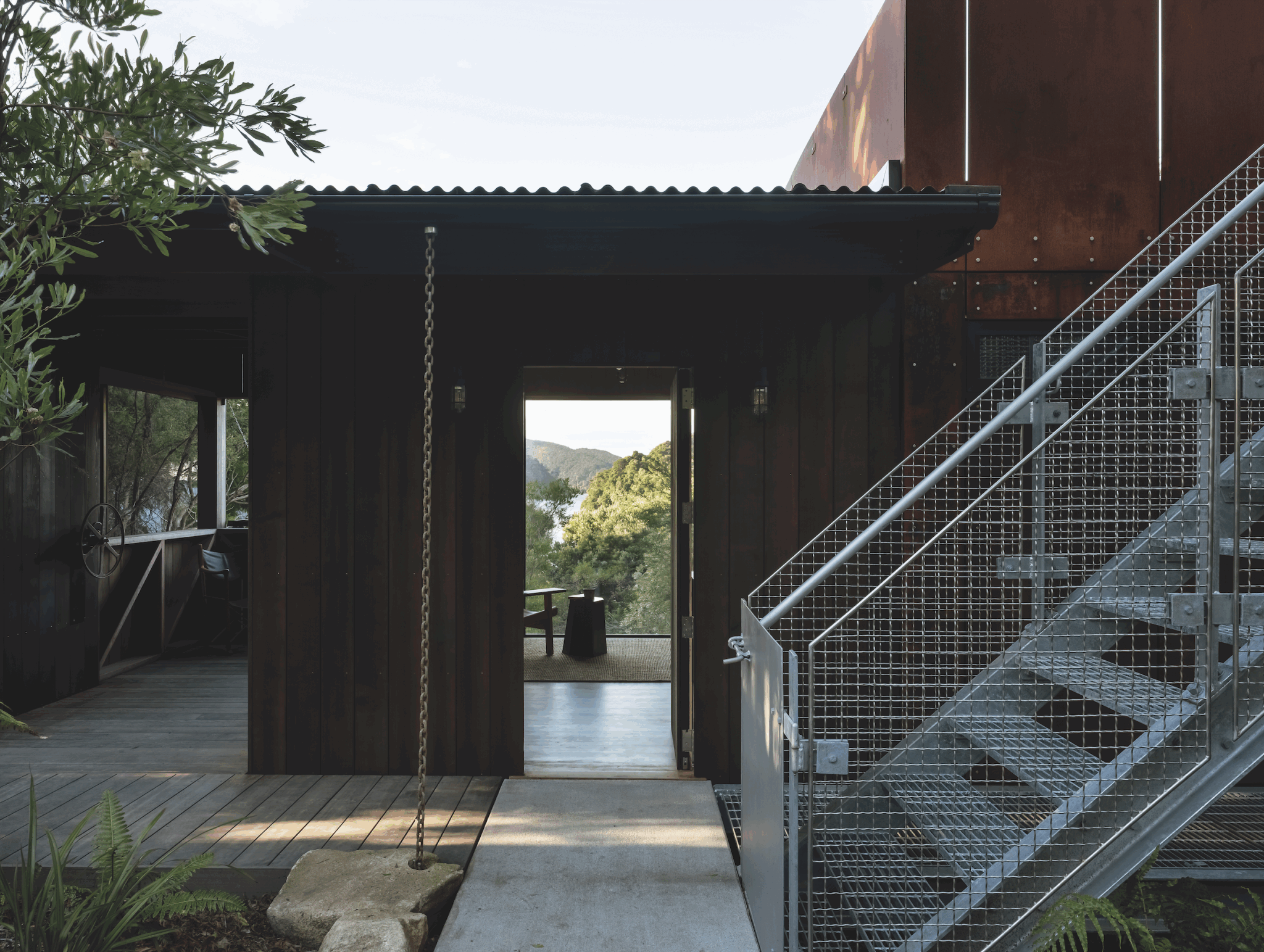
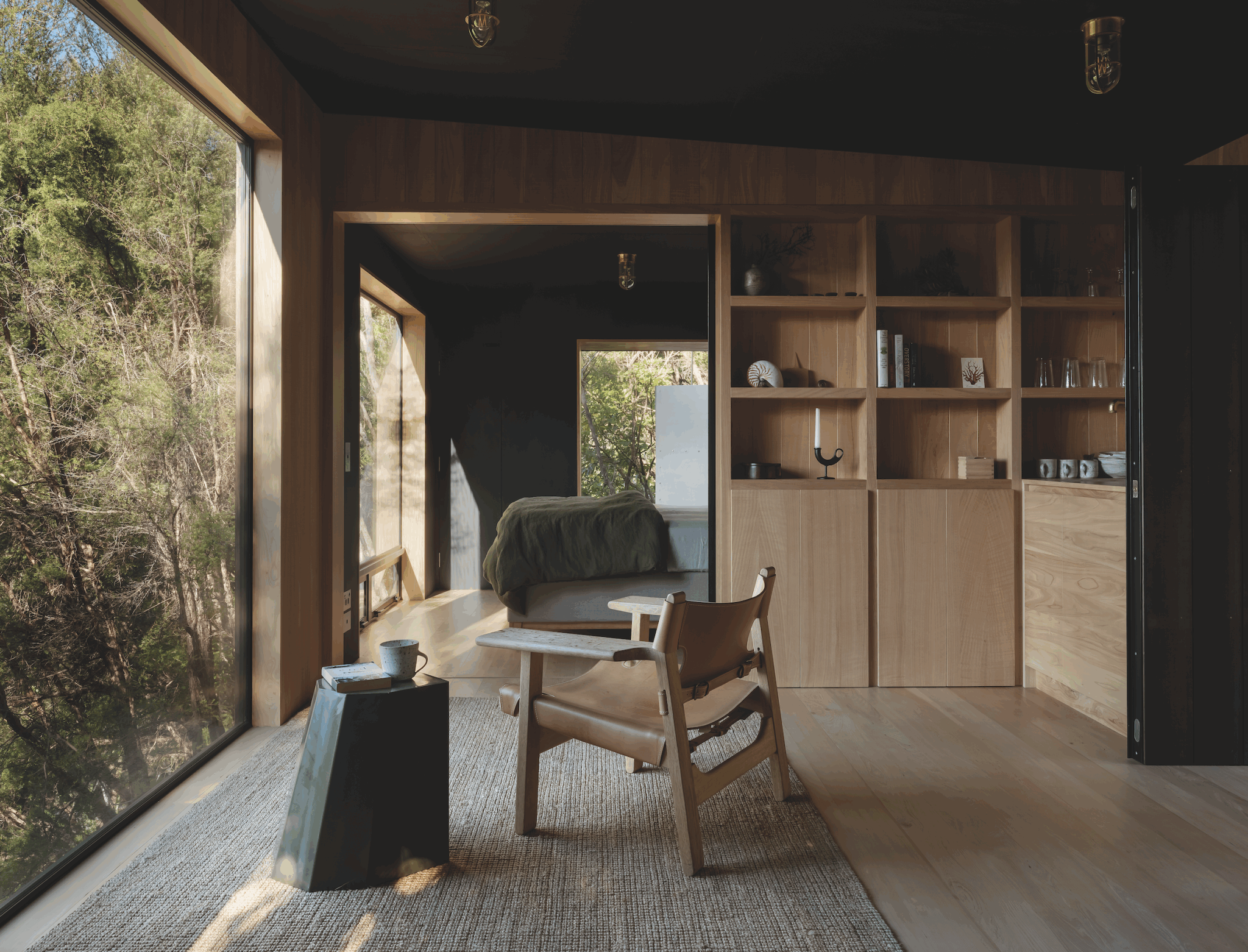
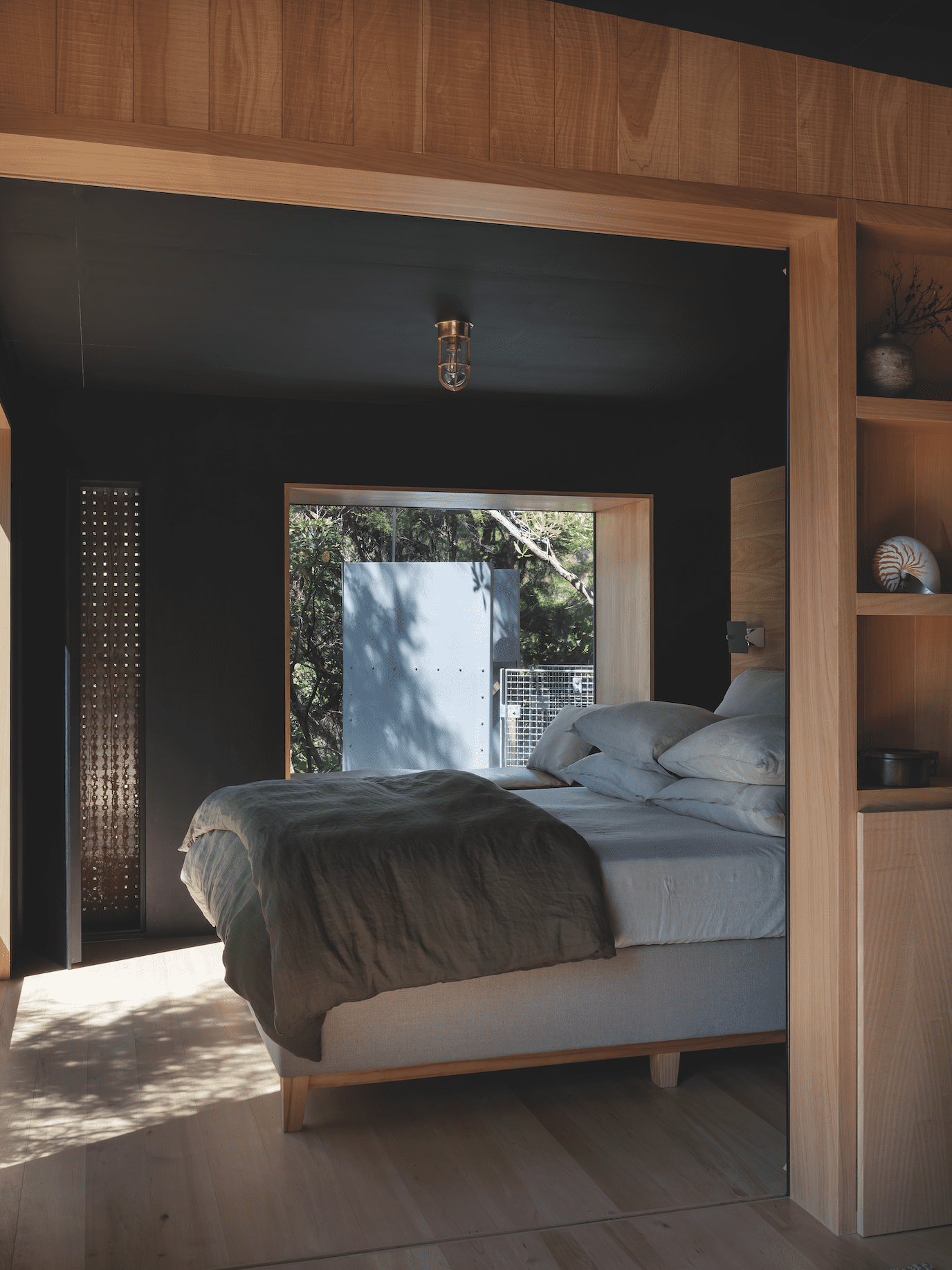
All the materials had to be ferried in by barge and then carried on foot up the hill. As a consequence, the one-bedroomed cabin sits on just six piles and features Corten steel panels, limestone and timber in quantities that were light enough to carry. “It had to be really considered,” says Prue. “There was nothing we didn’t scrutinise or contemplate: how it was going to be used; how to store it once it was in there. It was a luxury to consider every detail and make purposeful decisions, which led to a calm, crafted space.”
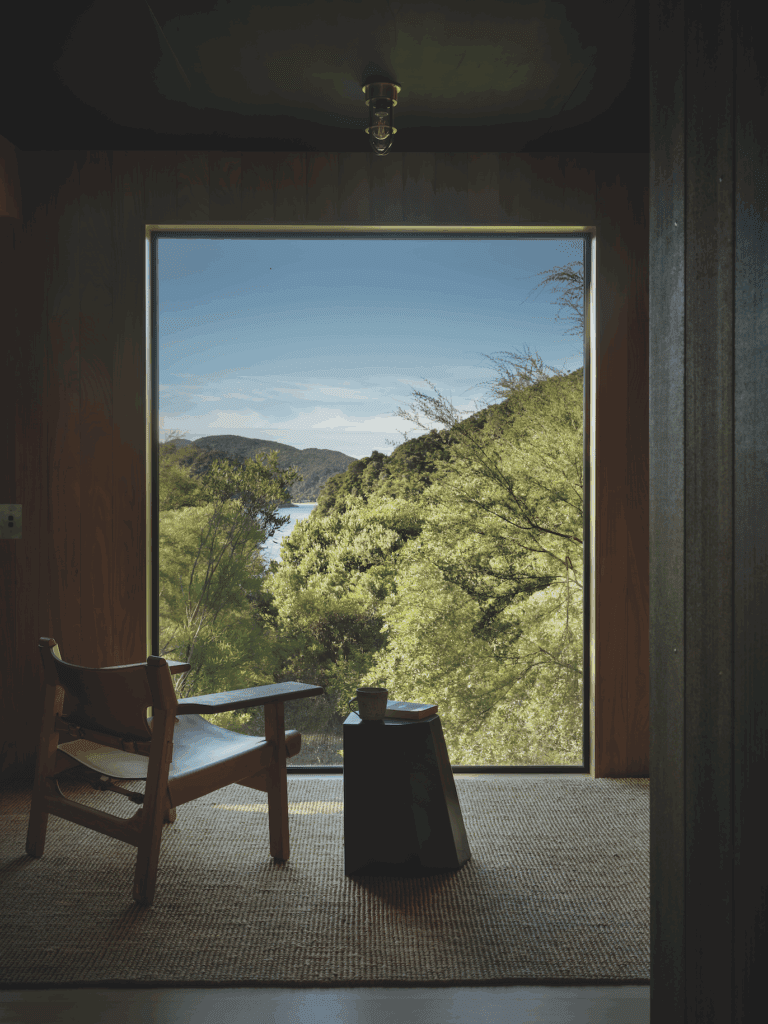
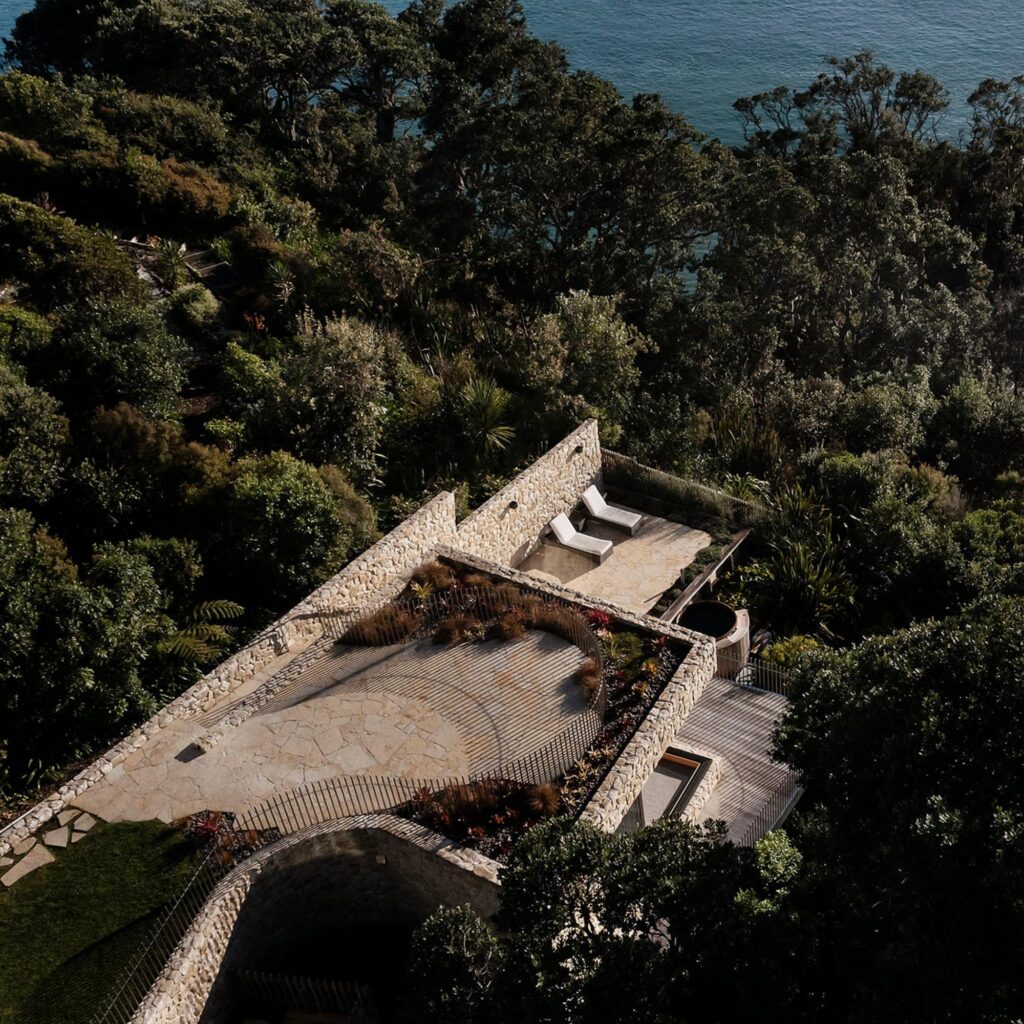
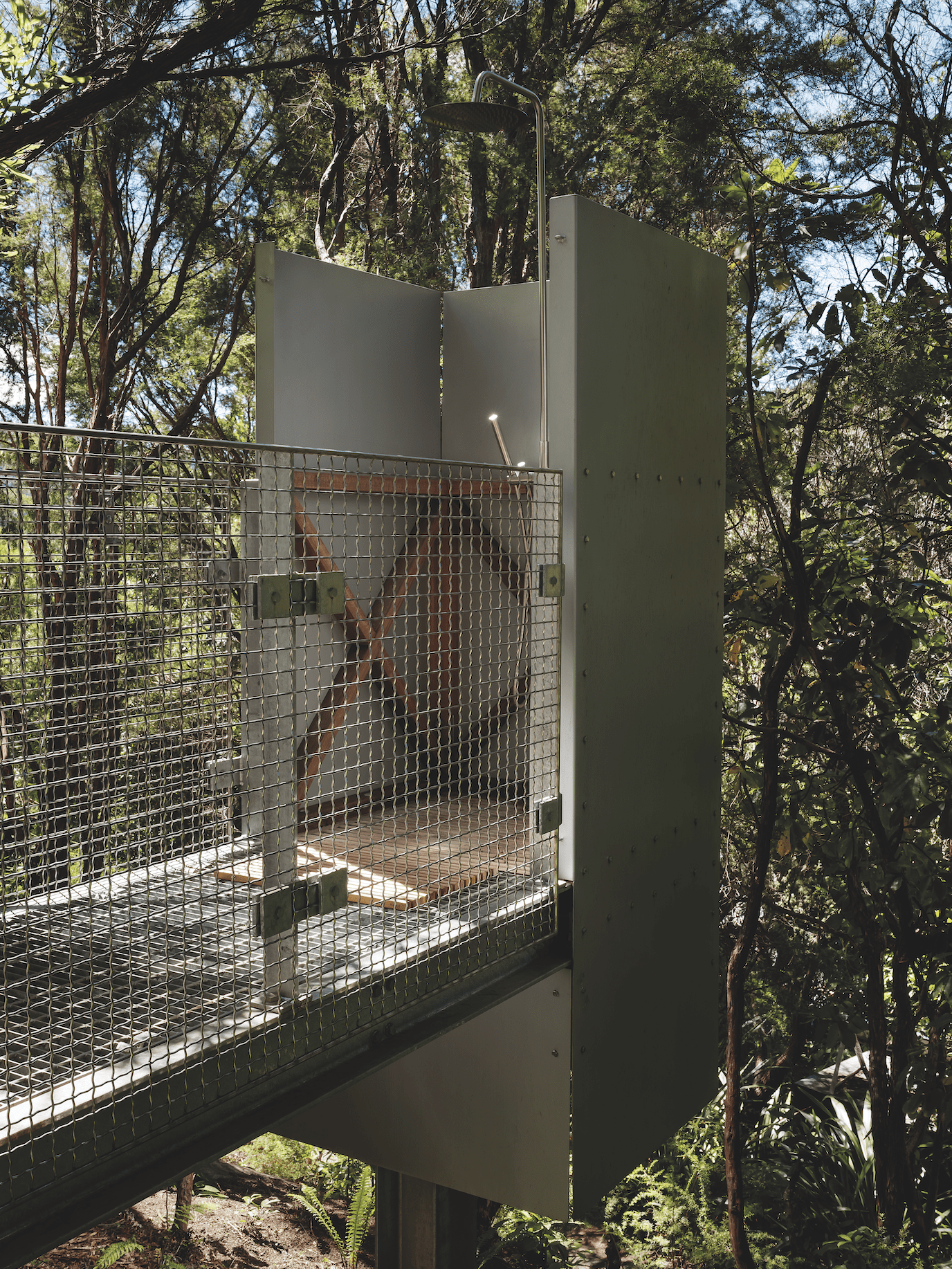
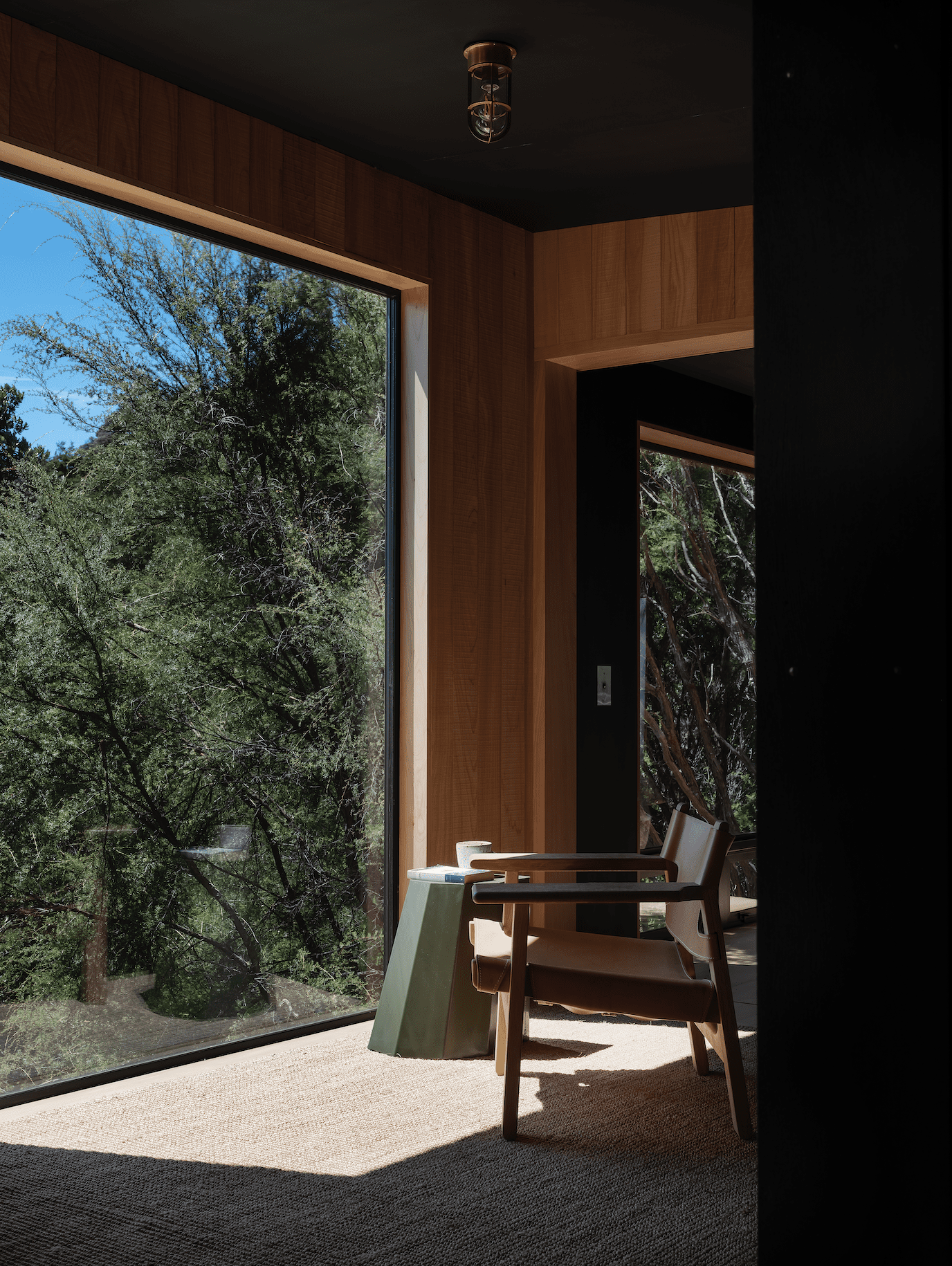
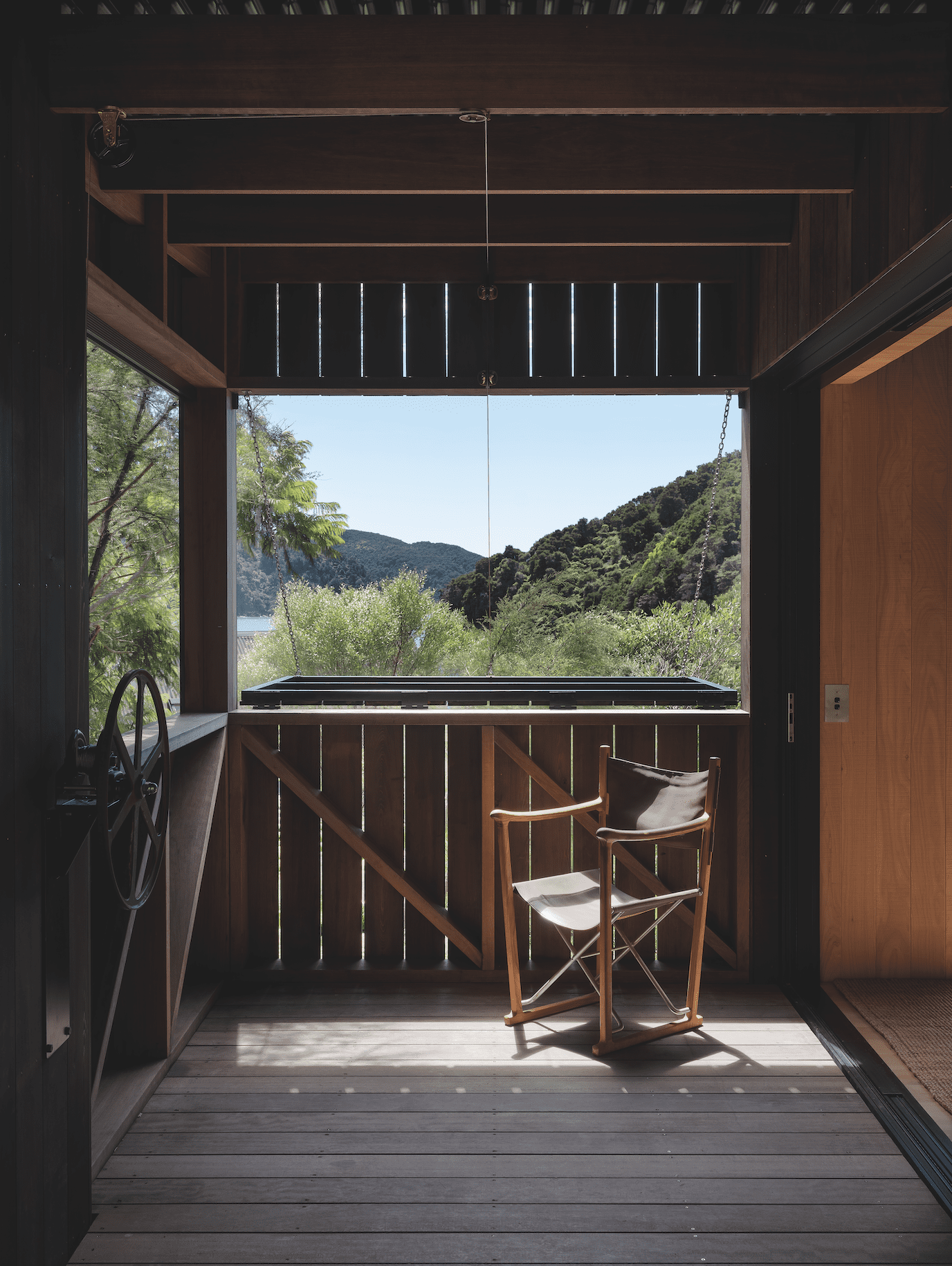
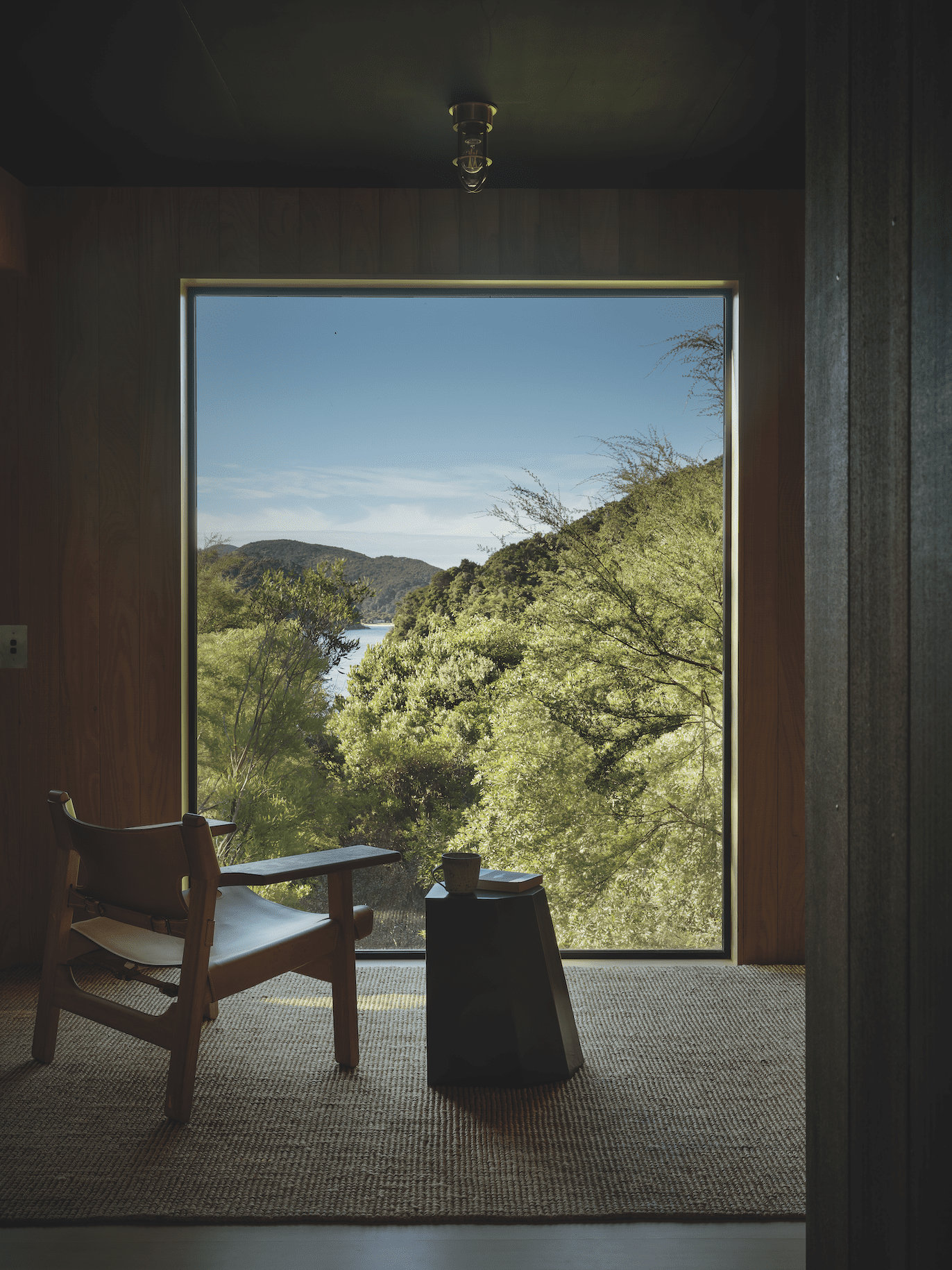
The completed 37m² retreat is enclosed, yet open to the elements. The concept of a traditional bathroom has been deconstructed, resulting in an outdoor shower with amazing views and a concrete toilet bunker that is accessed via the elements. The nest-like, timber-lined sleeping space and a bijoux living area have become a beloved destination that the owners retreat to, to sleep and relax.
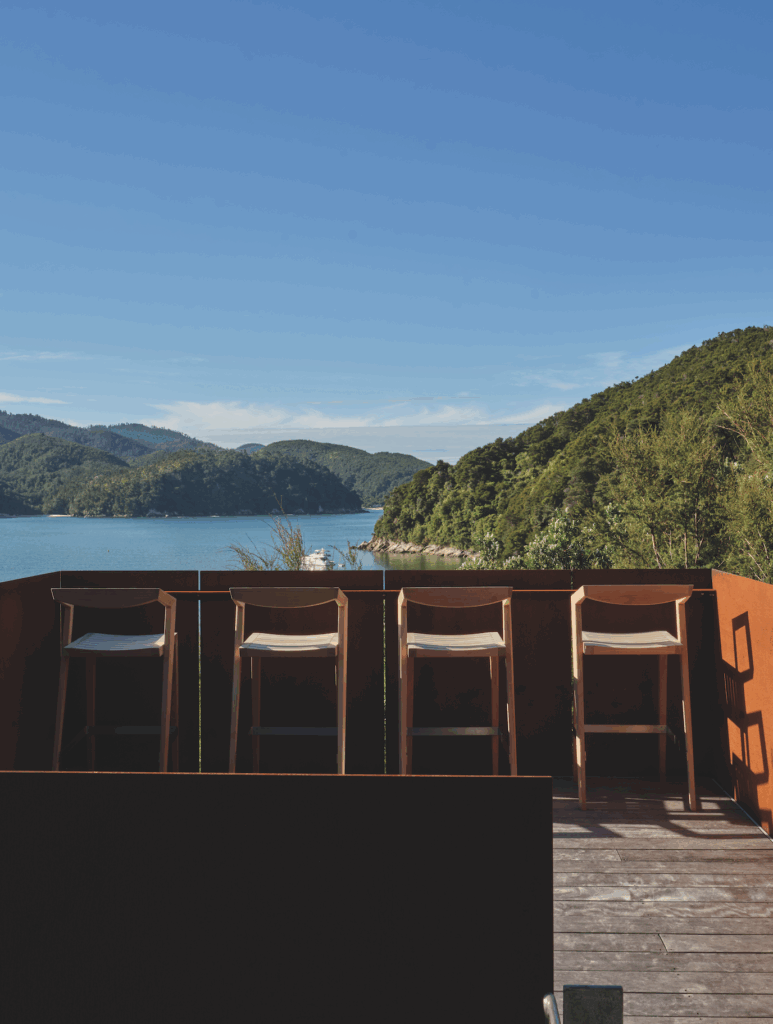
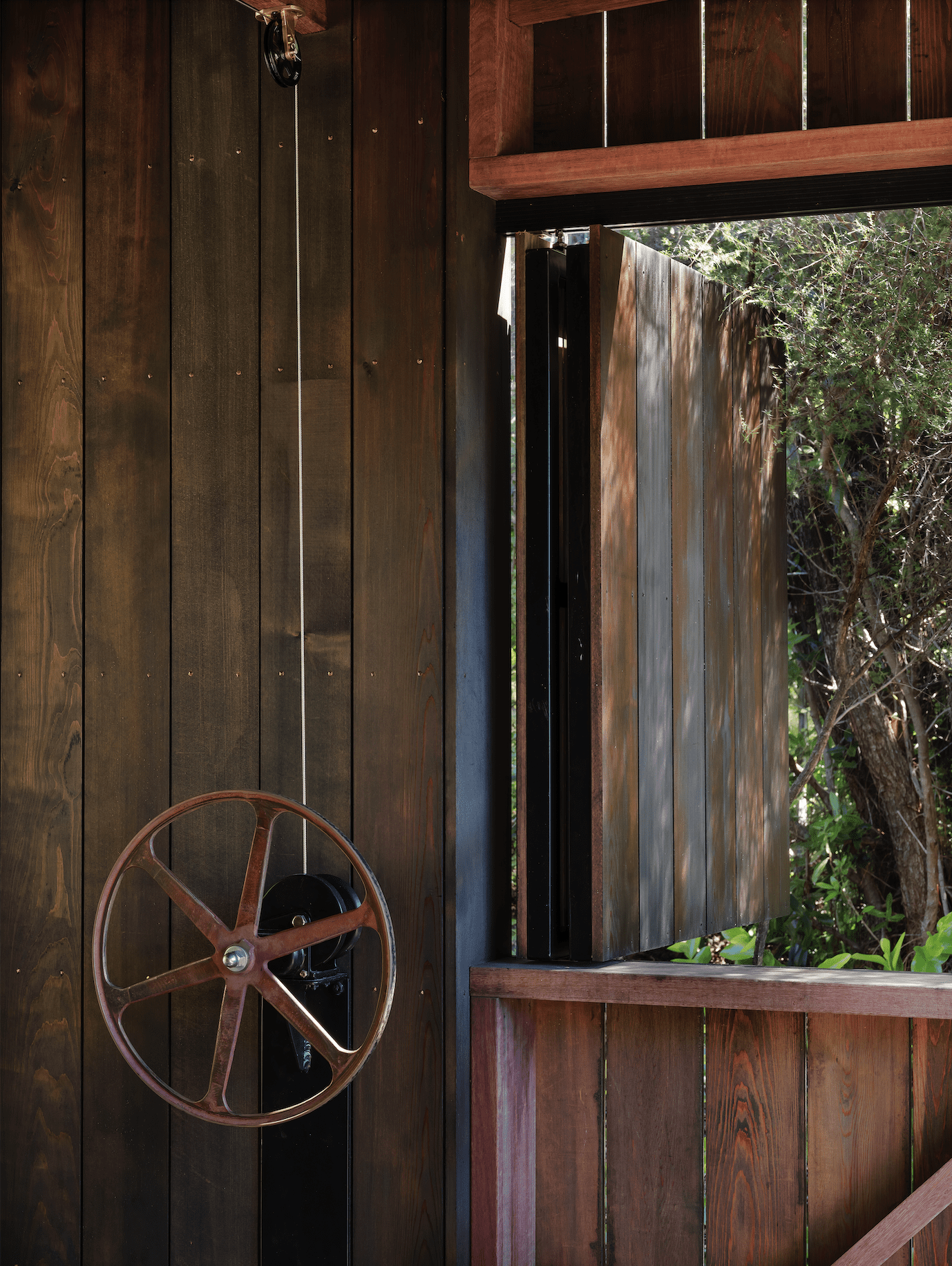
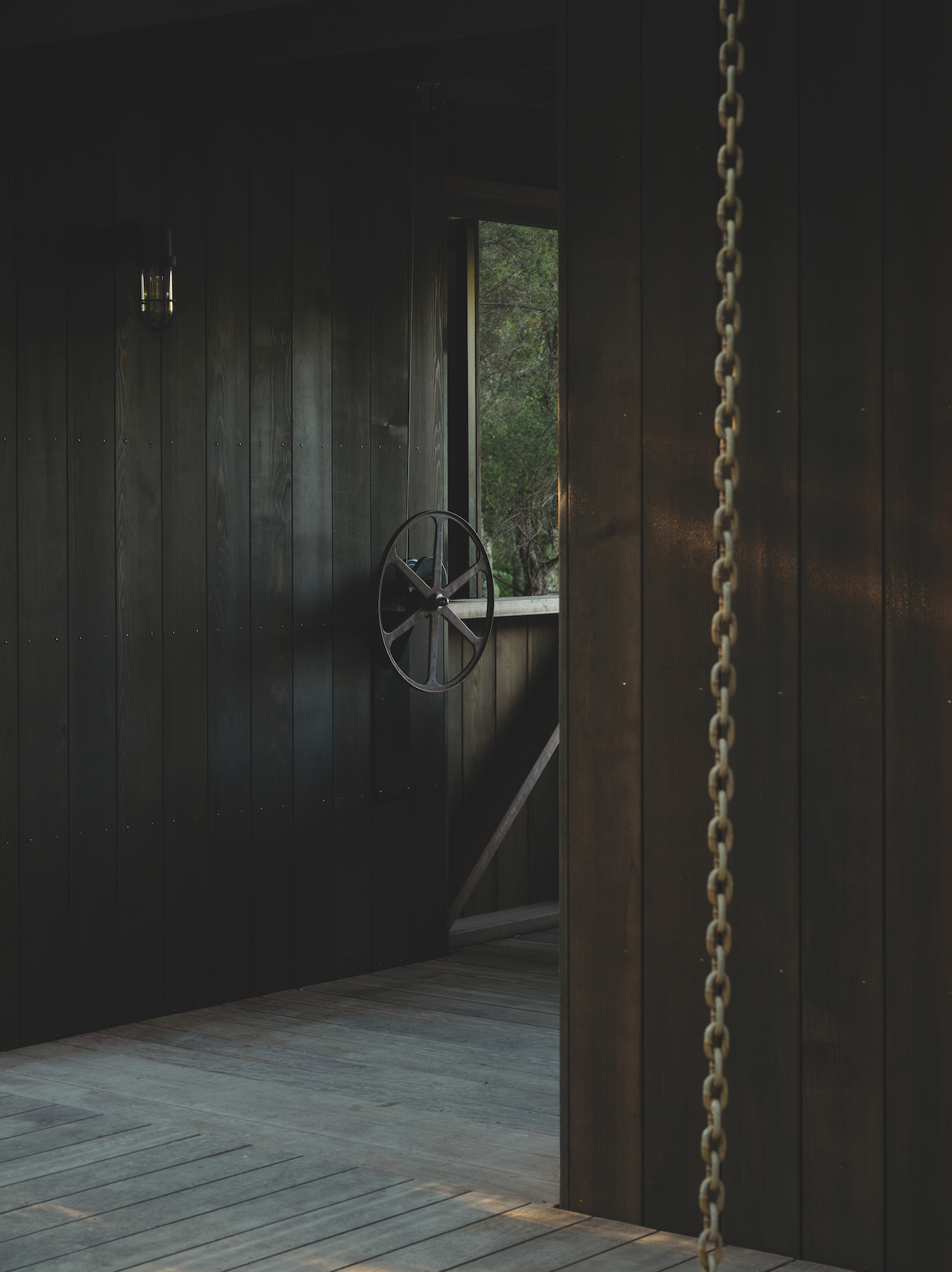
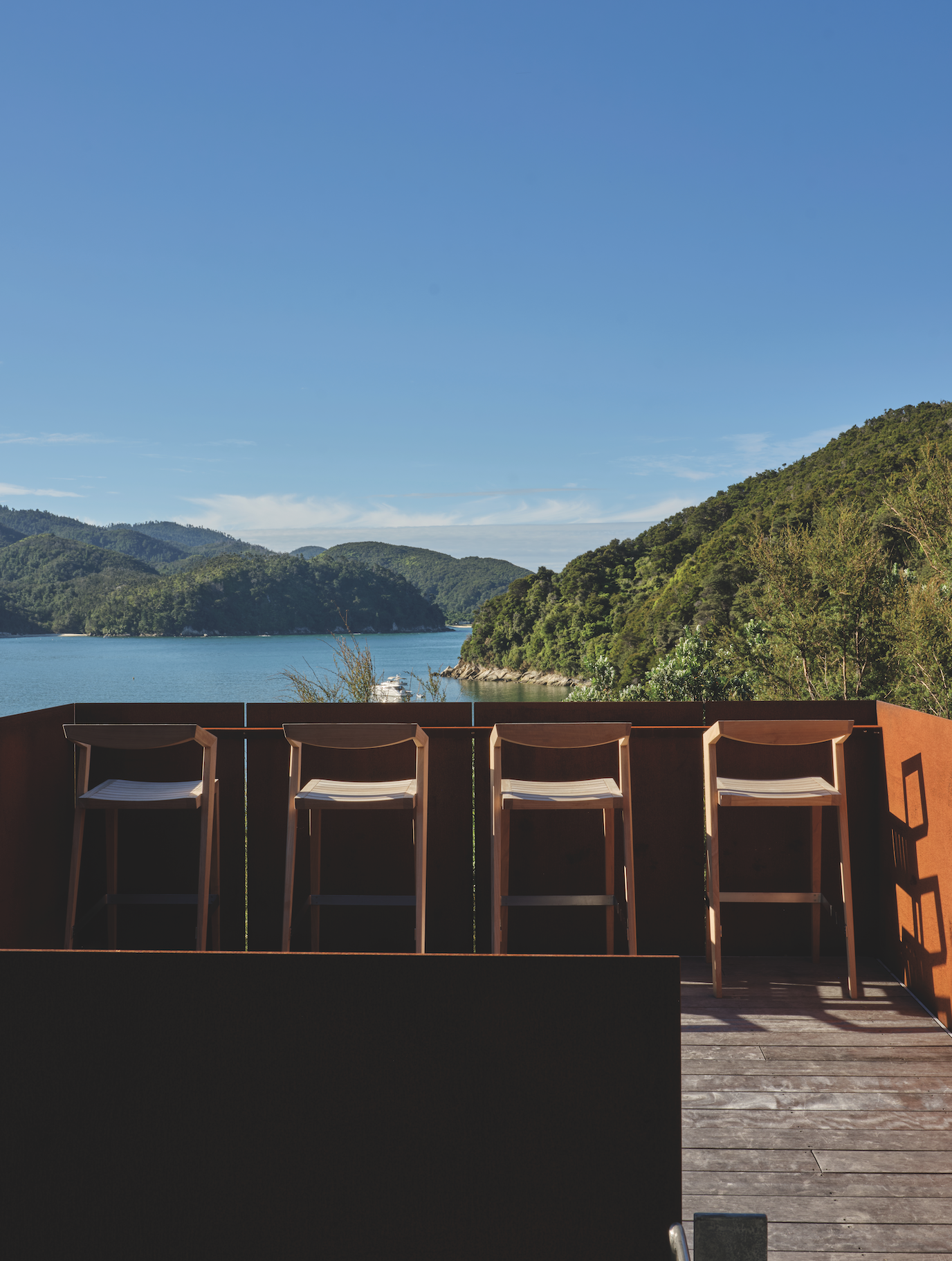
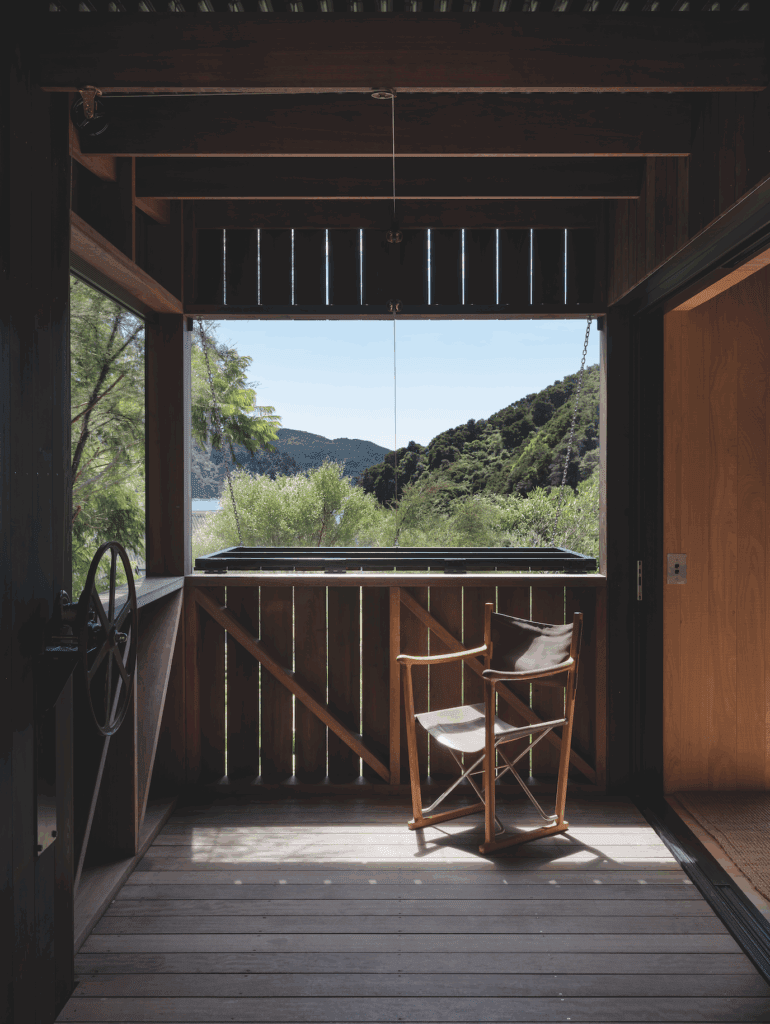
There are some quirks, too. The front door handle is a branch one of the owners found on the site and the architects had cast in bronze. A platform above the trees, with a steel parapet, sits at the top of the structure and provides the perfect spot for a morning coffee amid nature. A picture window can be opened via a vintage crank while, outside, a hefty chain takes the place of downpiping and directs rainwater collection on the site. All of these details conspire to create a multi-award-winning dwelling with a profound sense of joy.
Words: Kirsten Matthew
Images: Sam Hartnett
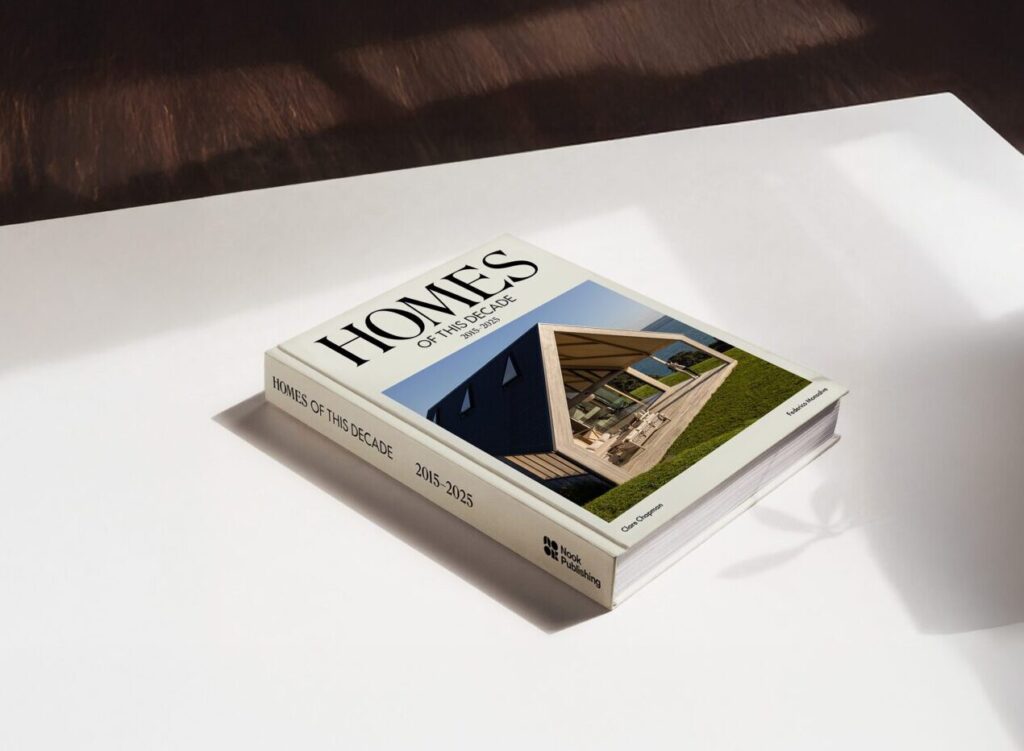
This feature first appeared in Homes of this Decade 2015-2025, which was published by Nook Publishing in 2025.