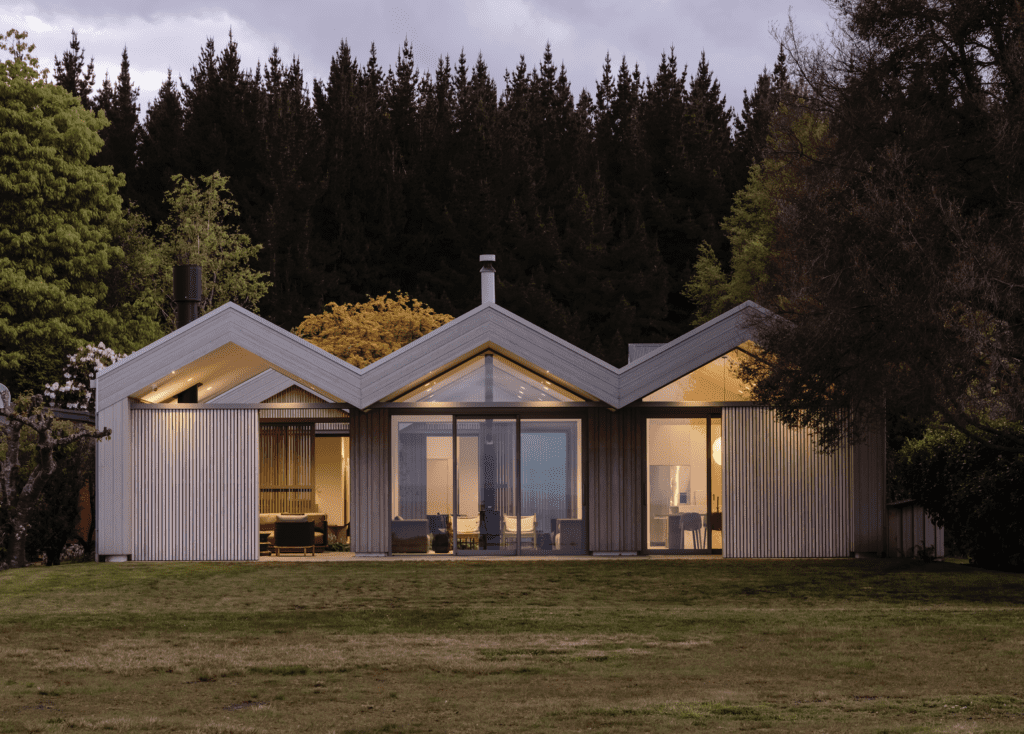
Cedar chevron
RTA Studio uses three boat-shed forms — at some points staggered and at others stitched into one — to create a flexible, multigenerational, lake-front, holiday house that succeeds on many levels.

RTA Studio uses three boat-shed forms — at some points staggered and at others stitched into one — to create a flexible, multigenerational, lake-front, holiday house that succeeds on many levels.
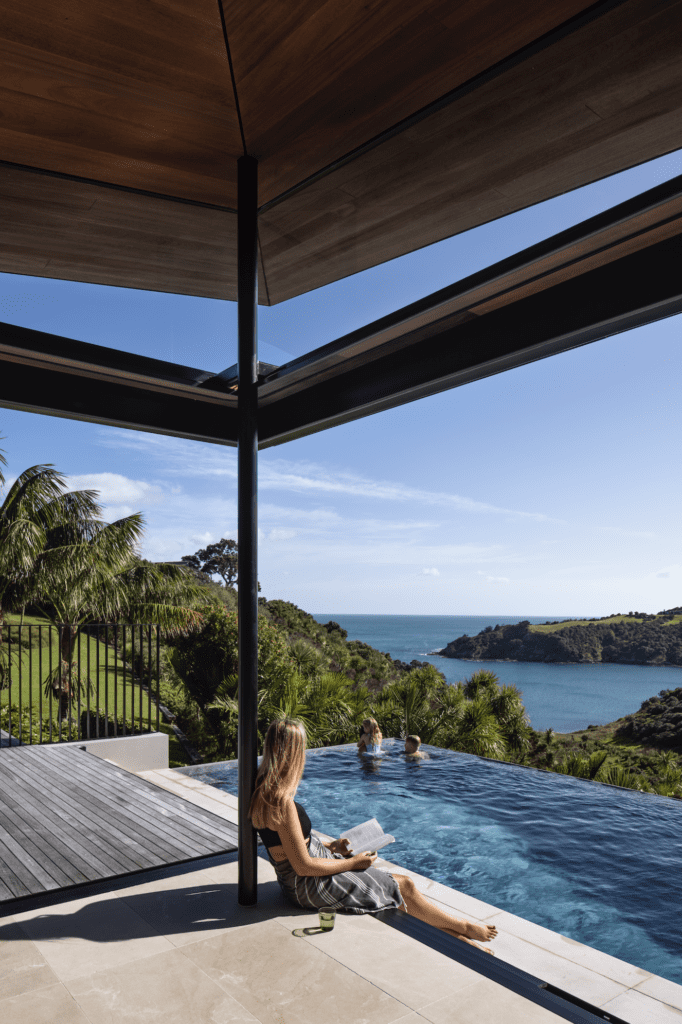
High above Waiheke Island’s Owhanake Bay, this pool pavilion speaks to the architectural nuances of the main home, while introducing its own distinct identity — a restorative space intuitively connected with land and sea.
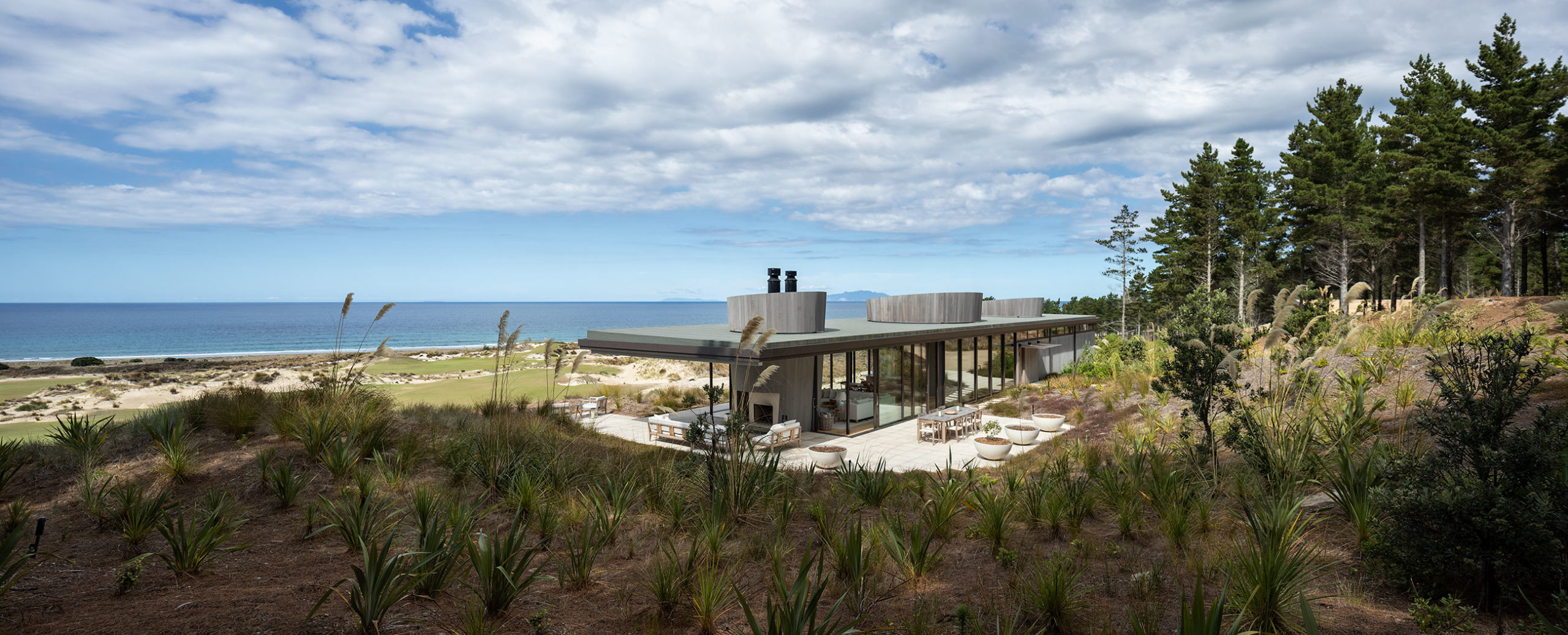
In one of the most distinctive coastal environments in New Zealand, this large family home takes its cues from the dramatic beauty of the sound it overlooks, and follows the natural contours of the land to embrace the setting and disappear into the bush-covered hillside.
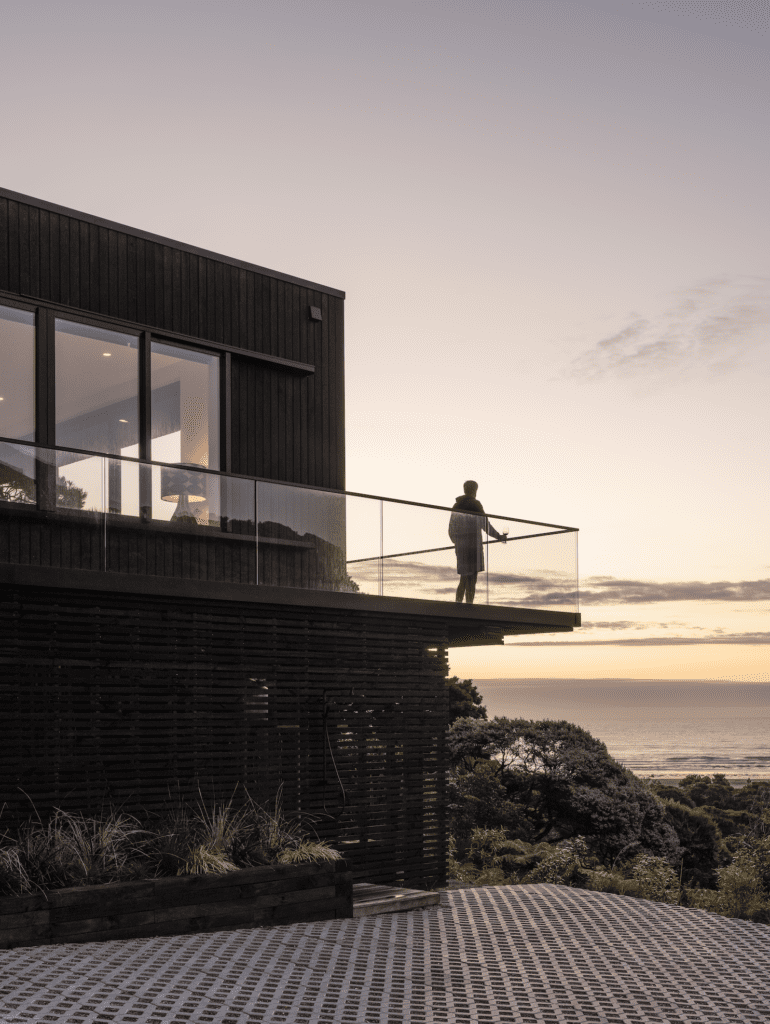
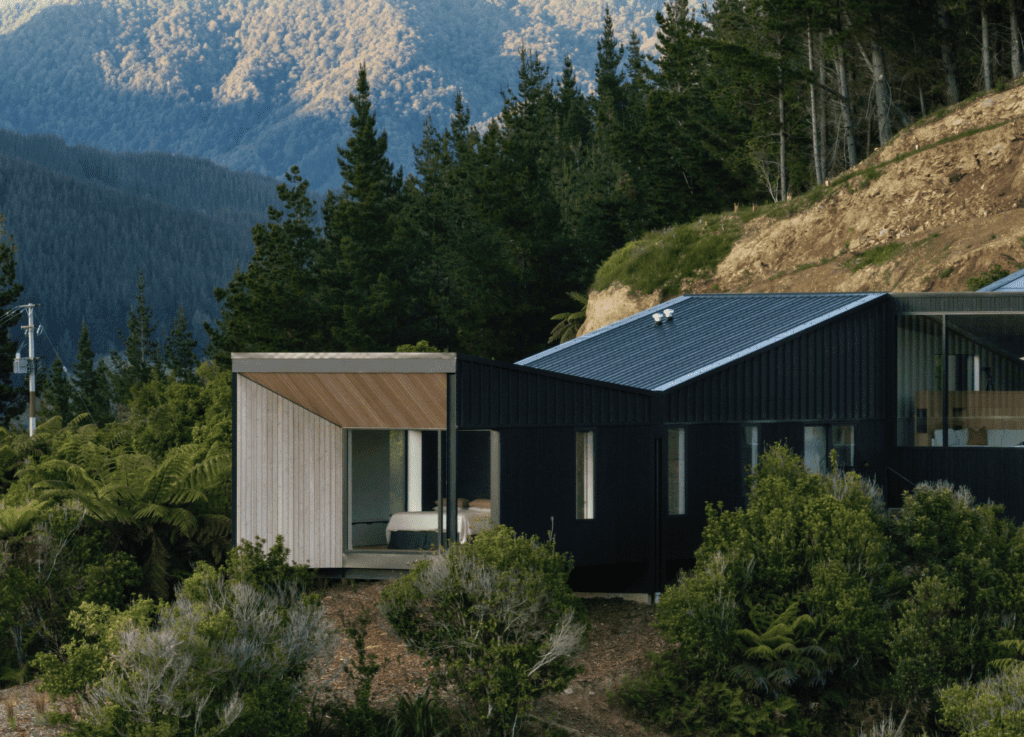
On a steep and challenging hillside site surrounded by native bush, this Piha home was envisioned as a weekend getaway.
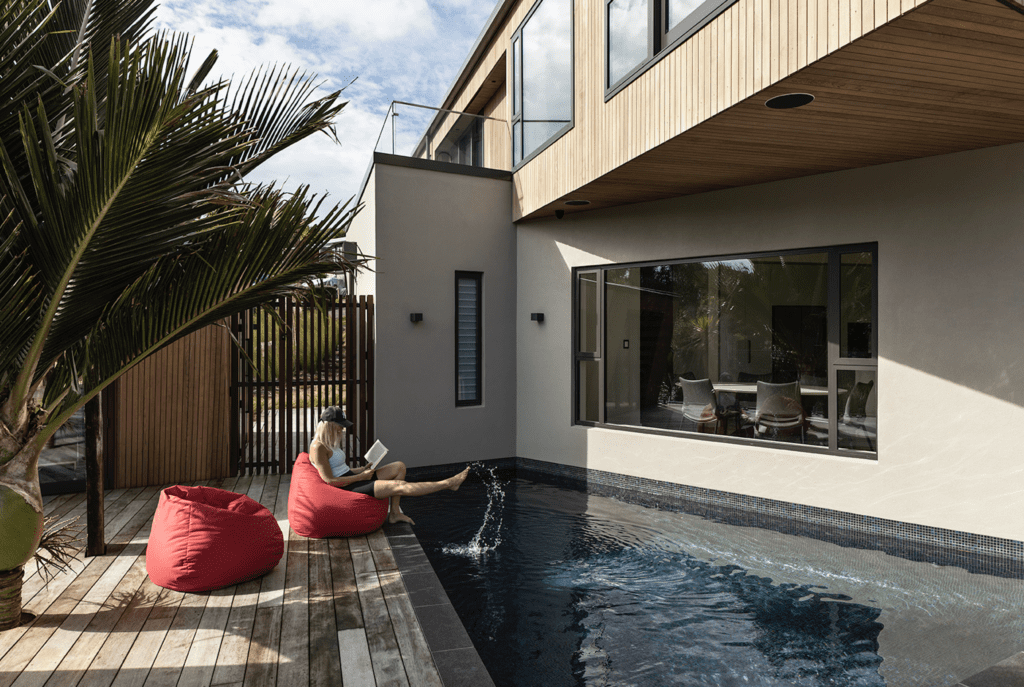
This two-storey Beach Haven home of sharp geometries is designed around a trapezoidal plunge pool, over which the upper level is cantilevered.
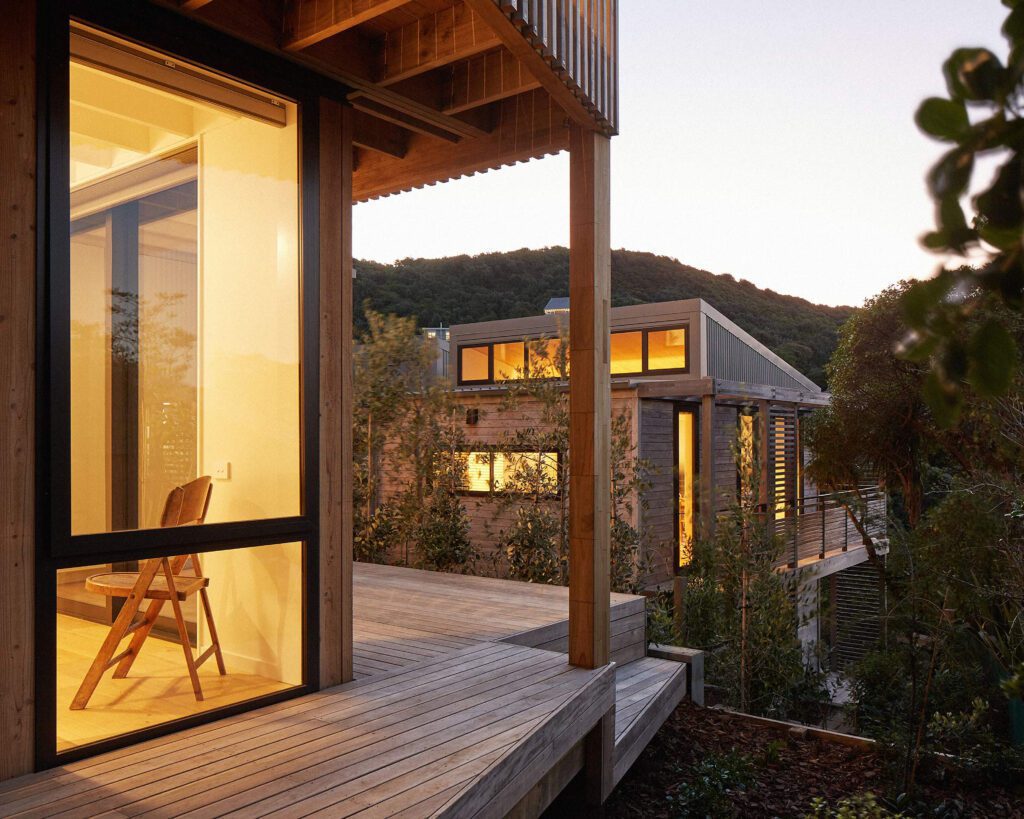
Designed as a two-property subdivision, in conjunction with the neighbouring Beach Forest House, My House showcases how a collective approach to multi-residential design can result in a diverse set of architectural homes that not only seek to provide a viable solution to the call for increased density but which also improve our streetscapes.
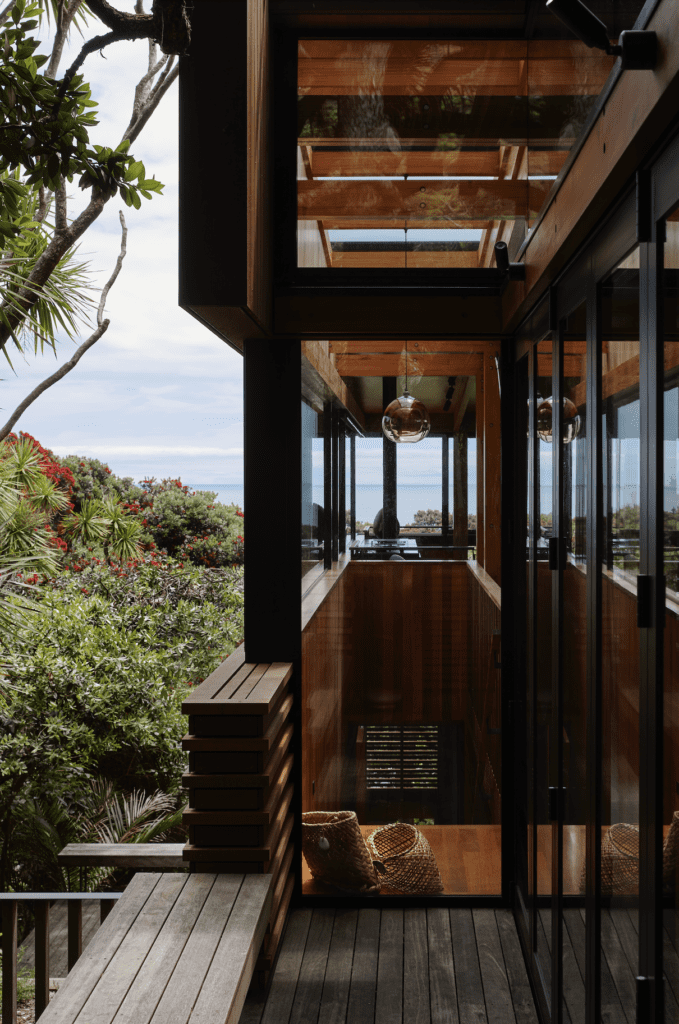
The two buildings that make up this alluring West Coast home suggest a parent/child relationship. Here, though, the child came first.
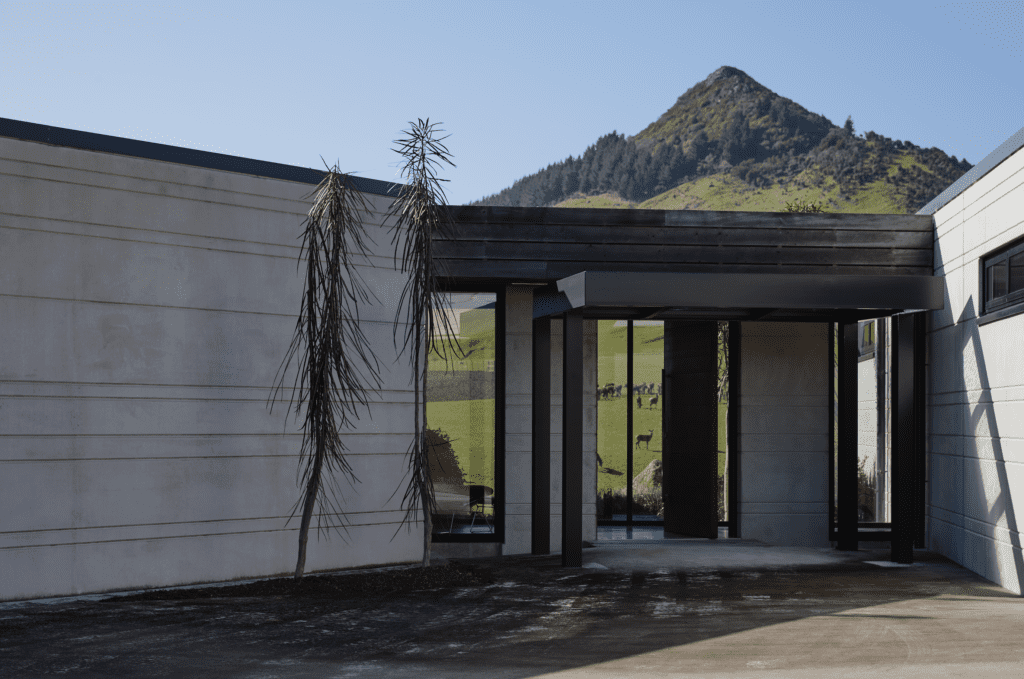
In the vastness of a southern valley in one of the most remote regions of New Zealand, RTA Studio designed an entirely unexpected concrete dwelling of two parts and modernist intentions.
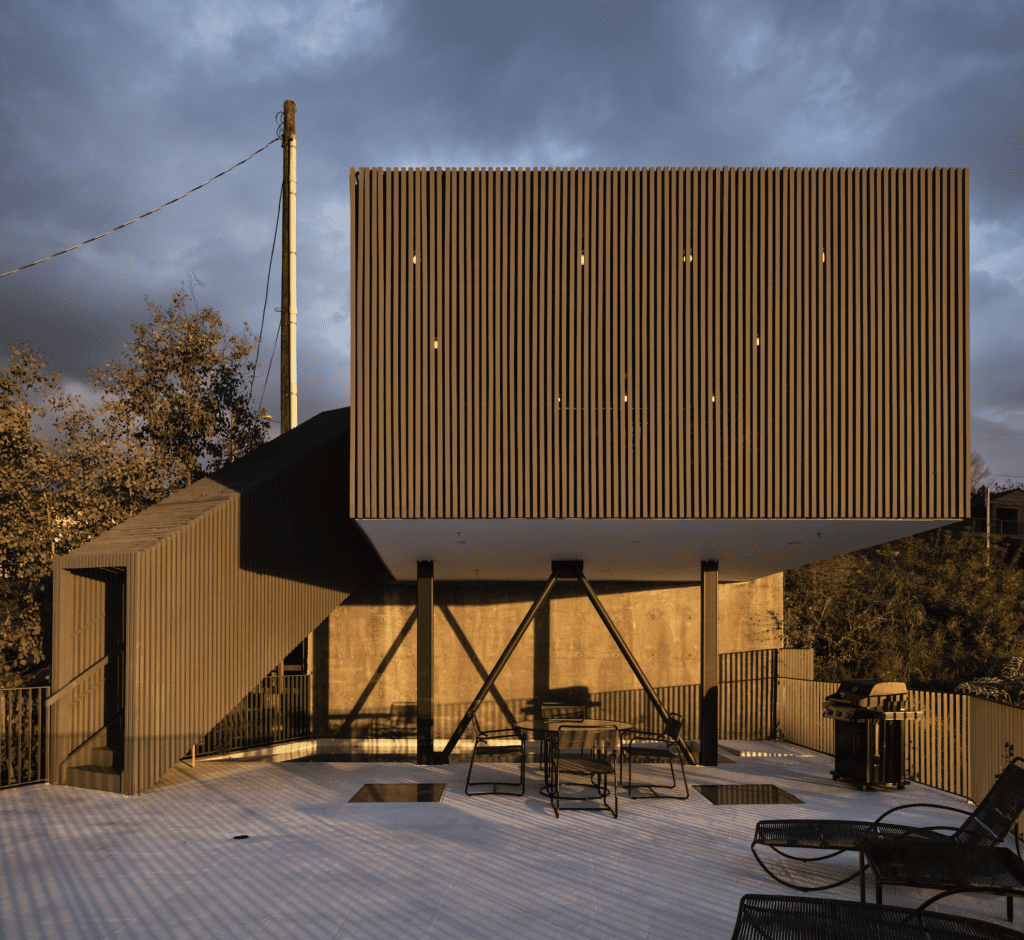
On a hillside in the Los Angeles suburb of Mount Washington is a small and precise abode that flips the notion of a house on its head.
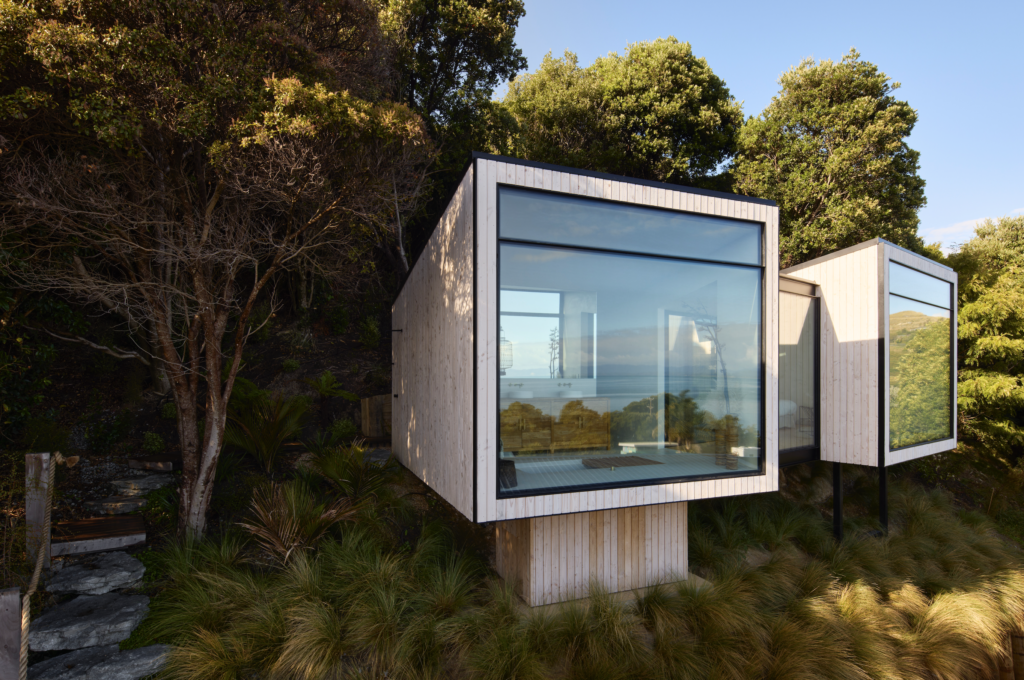
Perched on a hill above the tiny coastal settlement of Ligar Bay, this two-tiered bach was designed to capture the view in absolute purity, playing with a dialogue that pushes and pulls between solidity and transparency.
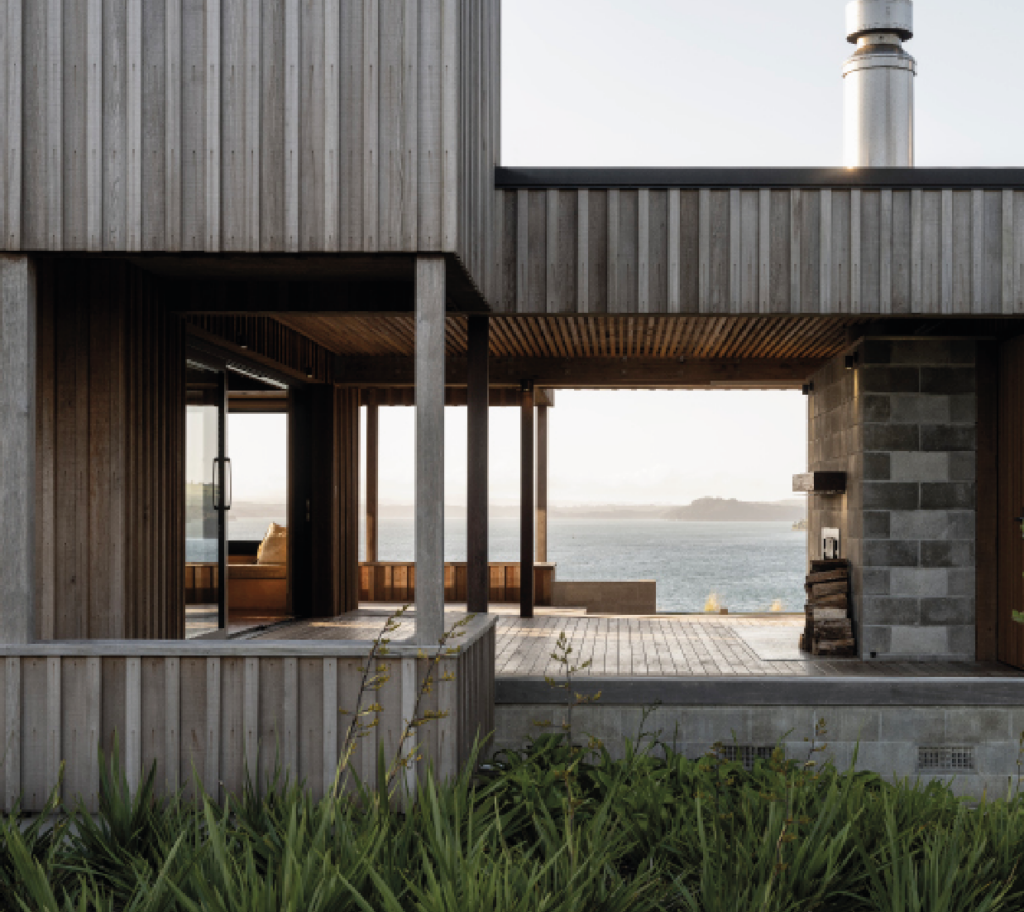
Designed to merge into its coastal environs, this island home utilises board and batten cedar cladding to create a gentle visual rhythm that moves gracefully between indoors and out.
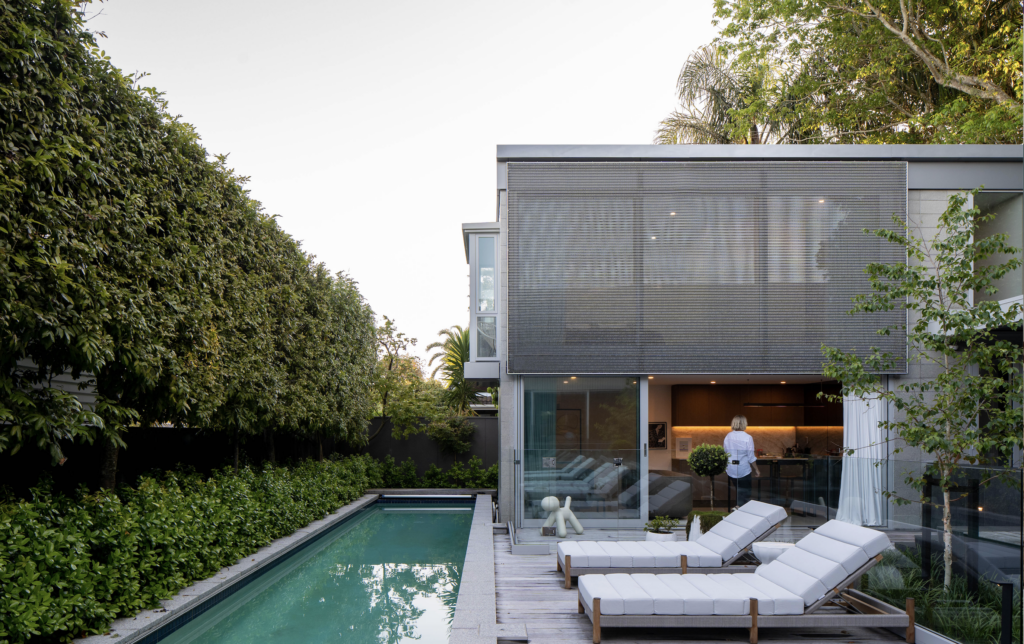
Utilising the existing design language of a mid-century modern home in Remuera, Johnston Architects and Bespoke Interior Design set about redesigning a pool house and creating an outdoor room, resulting in a trio of interconnected areas spanning indoors and out.
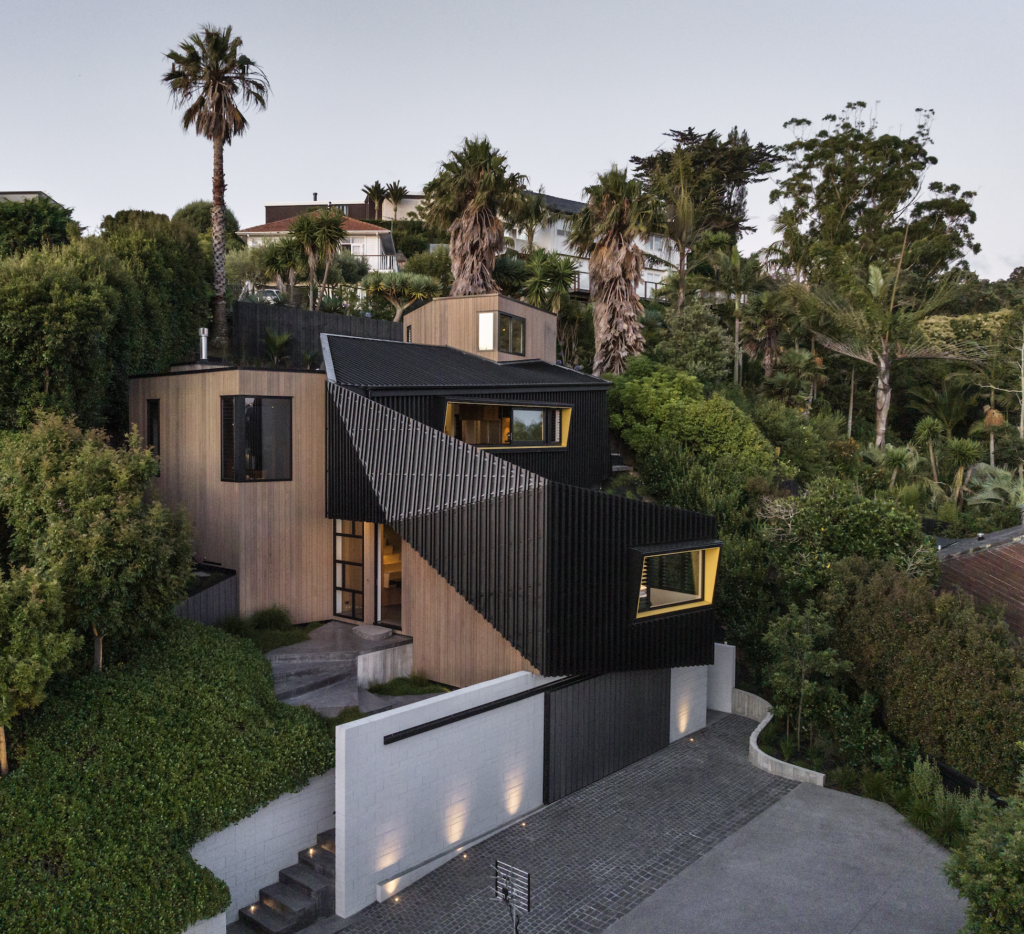
During a visit to Waiheke a decade or so ago, an architect was struck by a simple, refined sculpture and the way that its ad hoc form, created from a roll of corrugated iron, twisted down a hillside, creating and enclosing spaces.
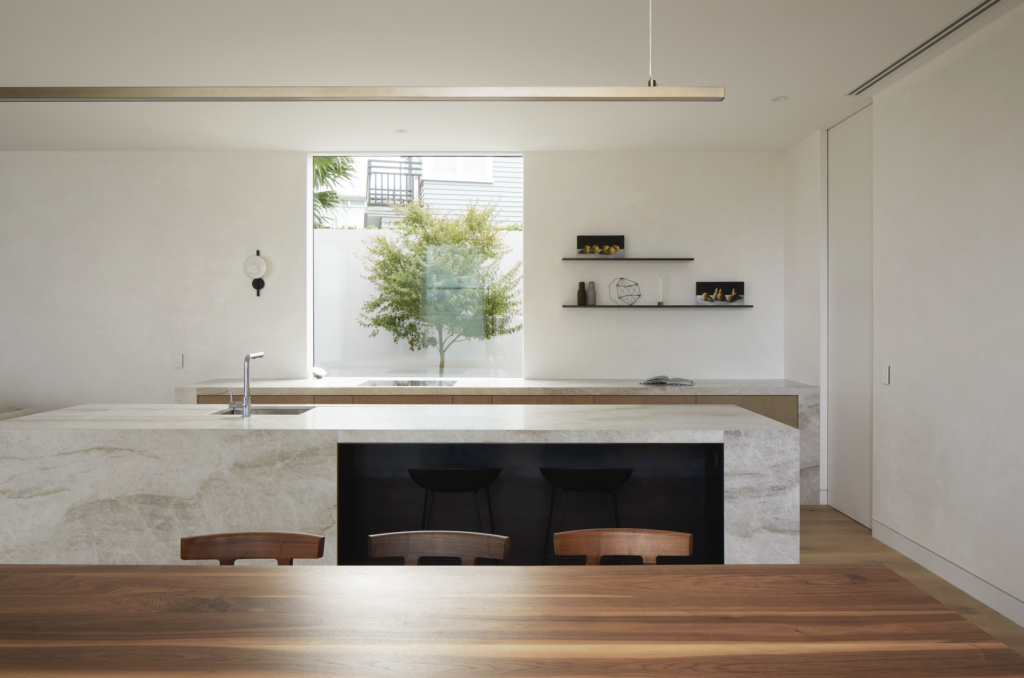
On a prominent street corner in Grey Lynn bordering the heritage zone, this rectilinear addition presents a new and mostly closed face — a bold architectural statement that gives way to refined interior spaces.
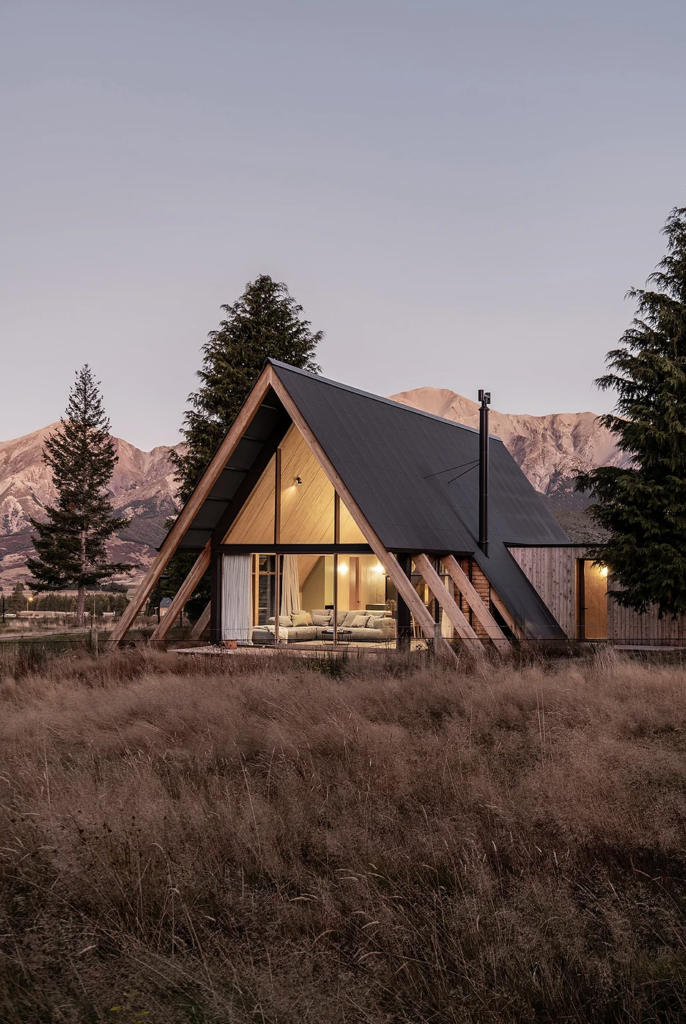
Envisioned as a base camp for outdoor activities in the vast expanse of Canterbury’s high country, this compact abode is cut from the cloth of the traditional A-frame, and woven with a decidedly modern spin of colour and texture that echoes the alpine environment.
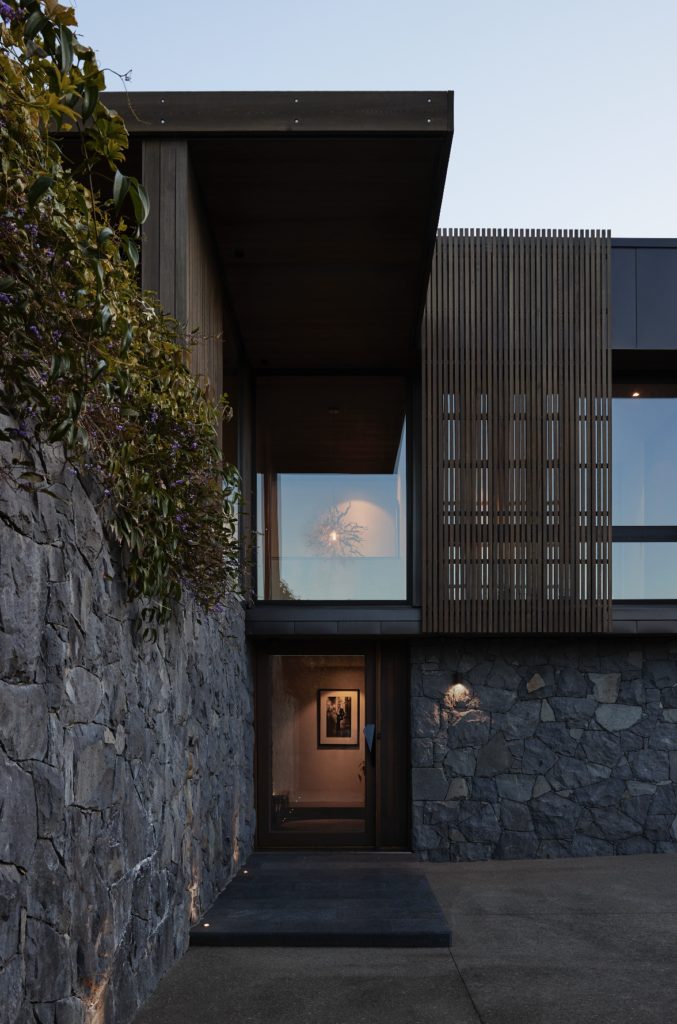
Best known for synthesising and reimagining the humble bach, Herbst Architects has modified its style for this impressive city home on Auckland’s North Shore.
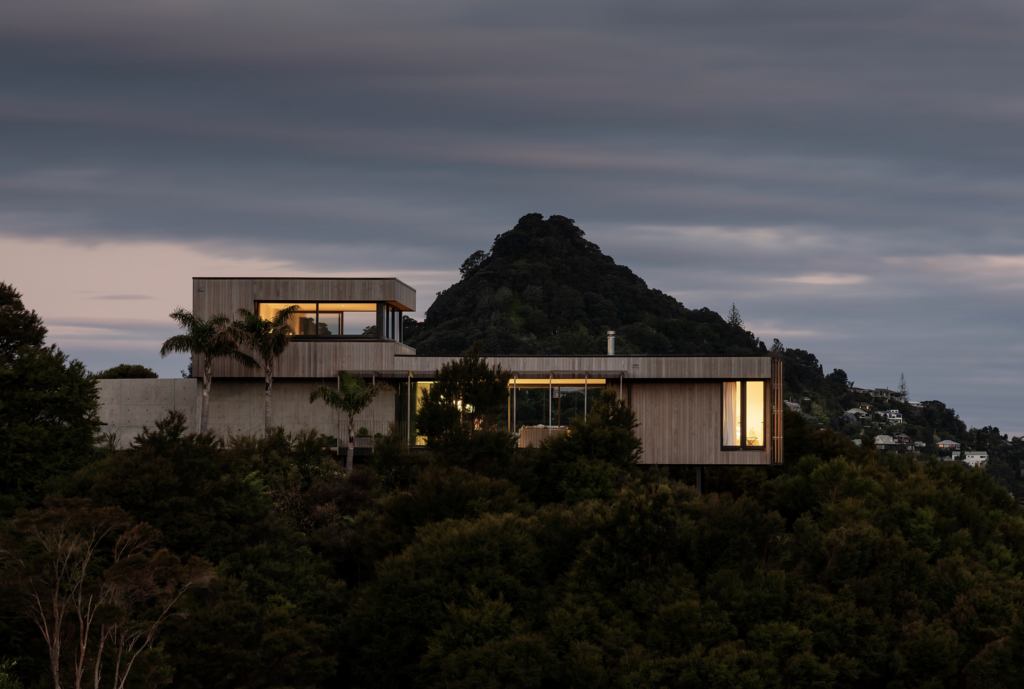
Tying in with the pastel tones of the Coromandel sands, this home floats above the land, hovering almost, atop a native bush-covered knoll overlooking the twin peaks of Mount Paku.
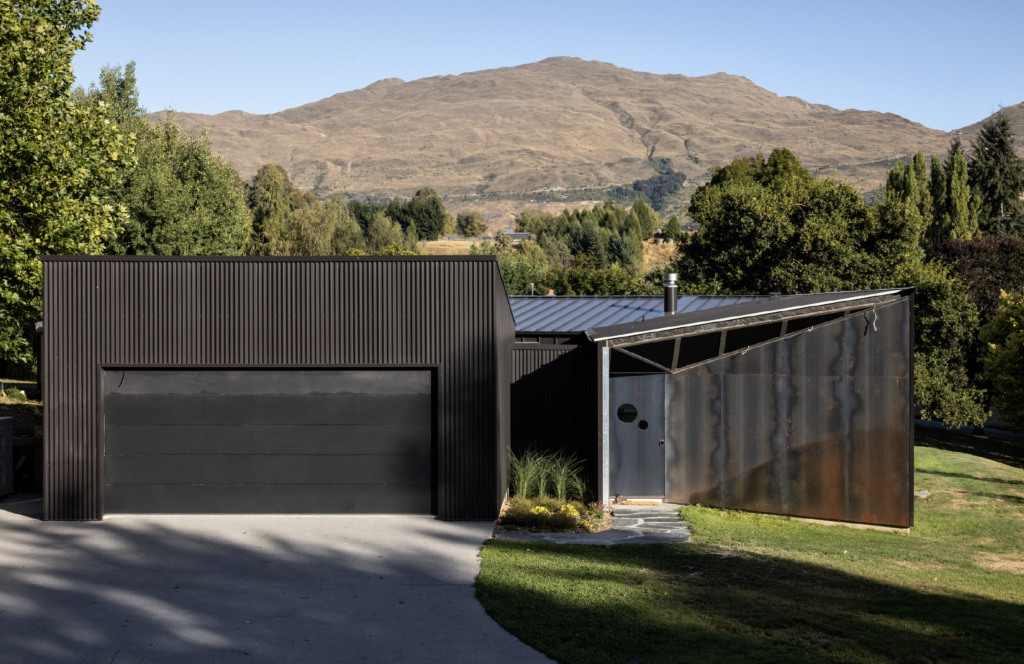
A zig-zagging black form lounges in the sun among old trees and the serrated mountainscape visible from the Wakatipu Basin. Its architect, Anna-Marie Chin – winner of Home of the Year 2022 – tells us more.
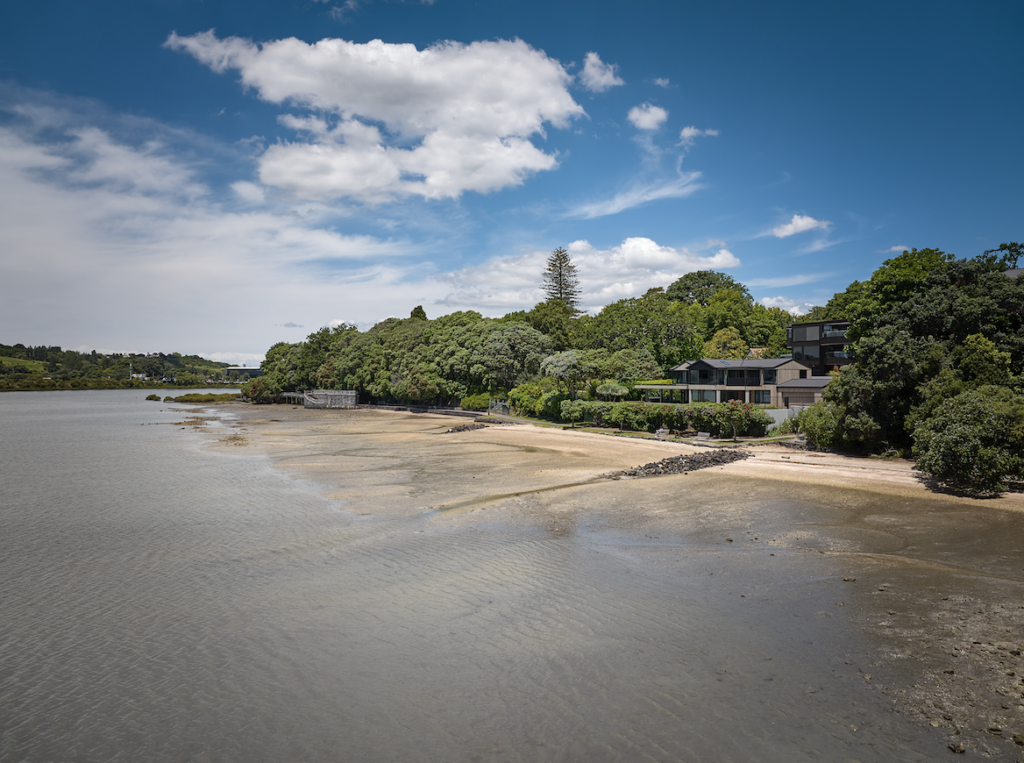
Architect Paul Francis set about the extensive renovation of a 30-year-old home on the edge of Hobson Bay with the aim of removing the boundaries between architecture and landscape, envisioning a design that would fall gracefully into the background.
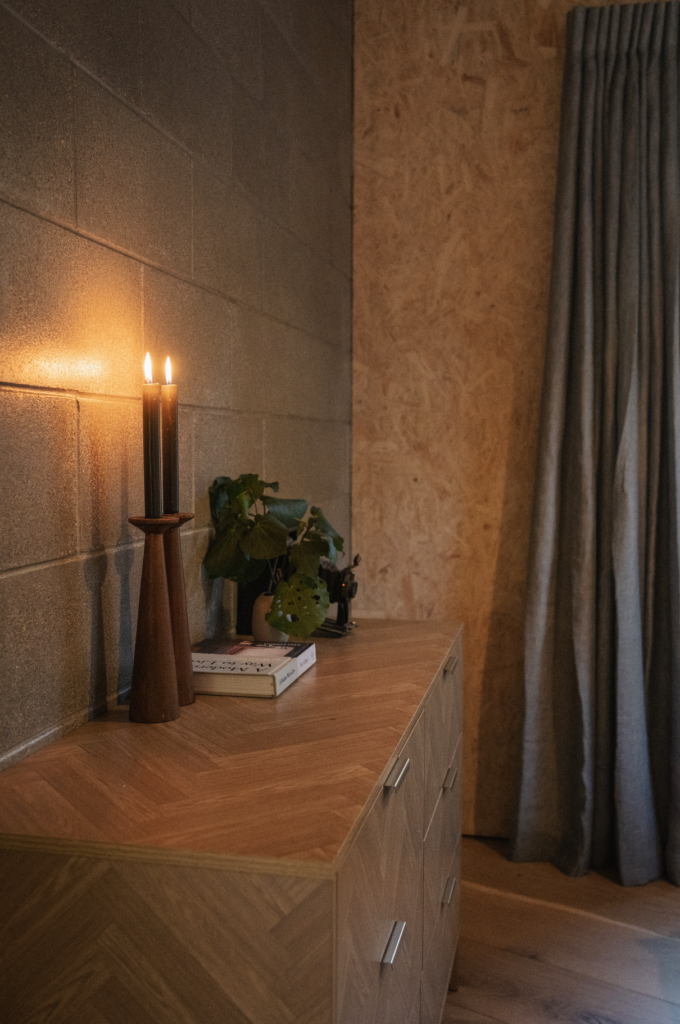
On an angular, steeply sloping site in a well-known enclave on the southern coast of Waiheke Island, this small home was envisioned as a short-stay offering for artists, writers, and those wanting a place to retreat and focus on creative projects.
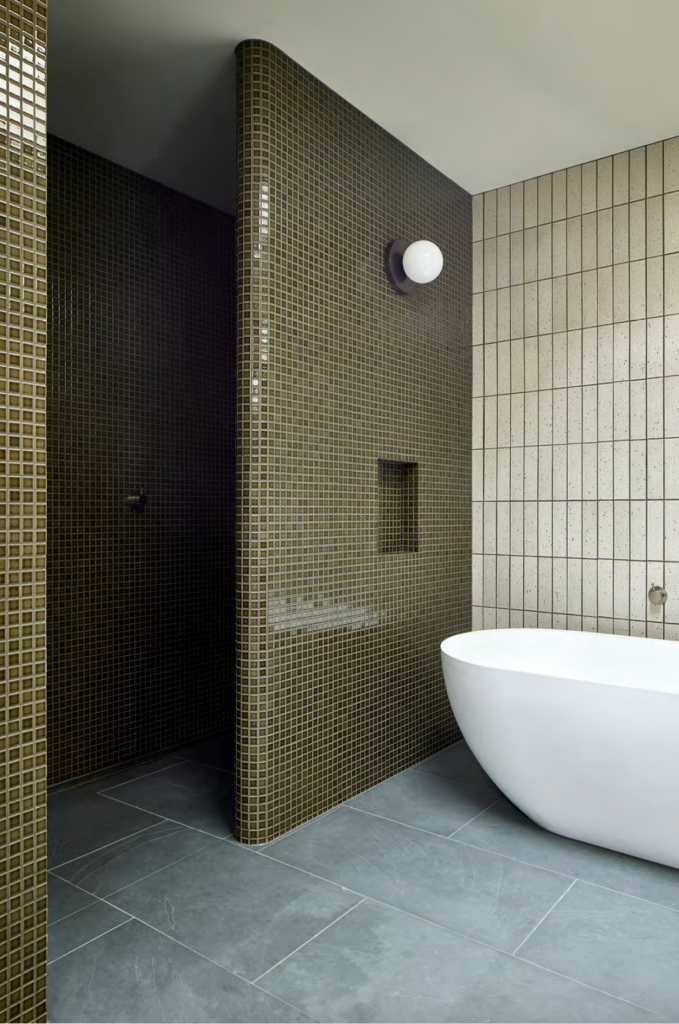
Drawing on modernist and Japanese influences, and recreating the distinctive tonal interplay of dappled light on a forest floor, this Grey Lynn bathroom offers an enchanting take on spatial design where beauty and accessibility coexist.
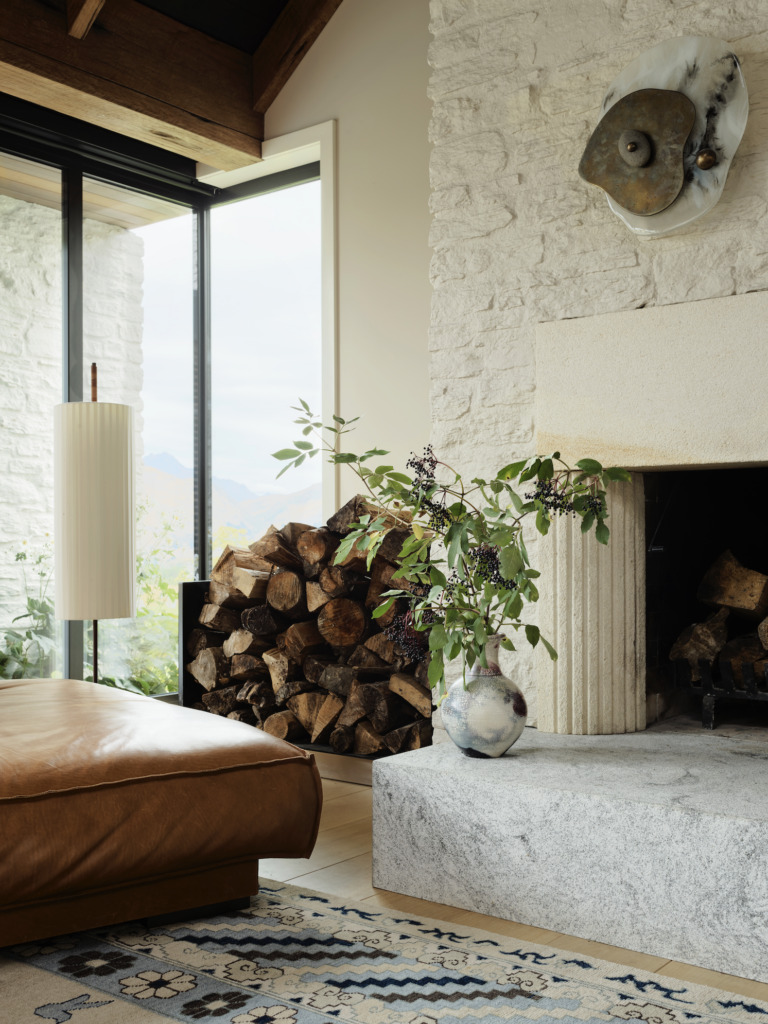
This internationalist interior by Arent&Pyke is a soulful expression of creativity and intimacy.
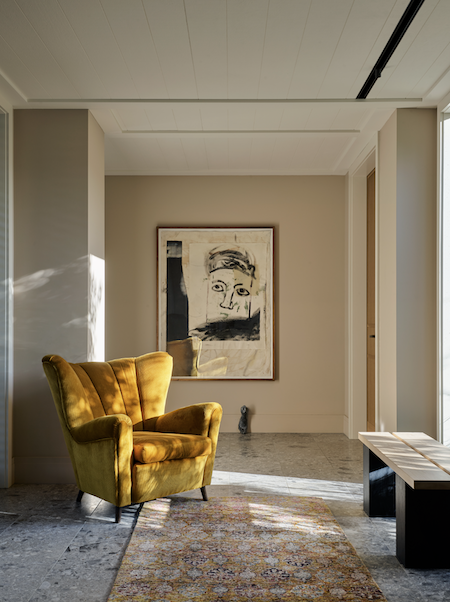
An internationalist Queenstown home, a Waiheke cabin for the creative at heart, and an Auckland bathroom inspired by dappled light on a forest floor took out the top honours at the 2023 Interior of the Year Awards.
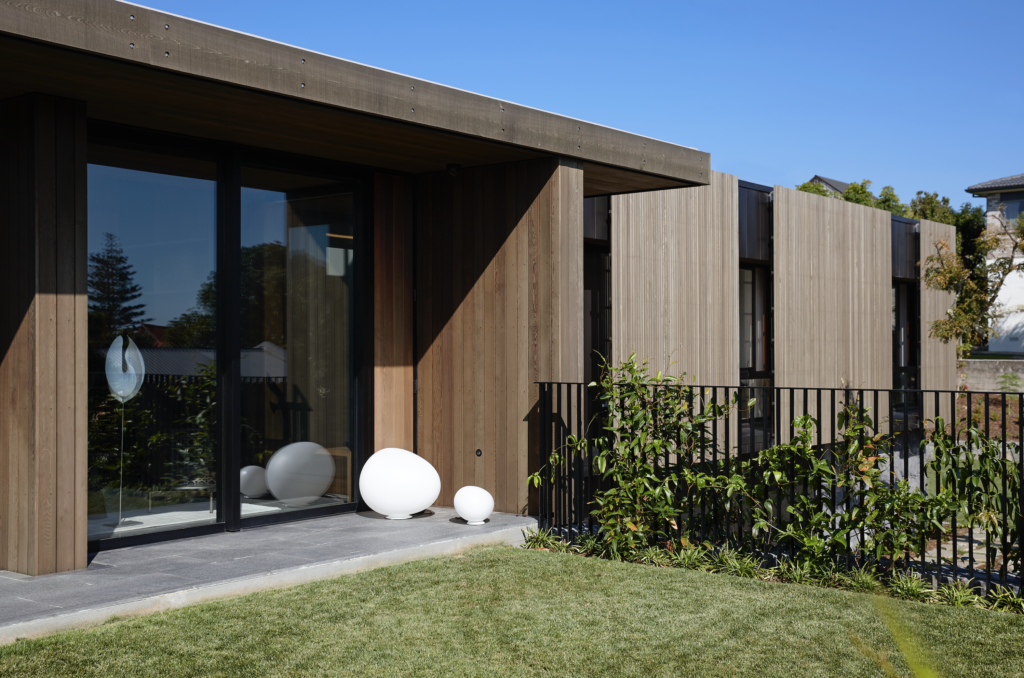
In the suburb of Hauraki on a small North Shore peninsula, this house elegantly moves around its site to frame views to the sea while enclosing a series of private spaces.
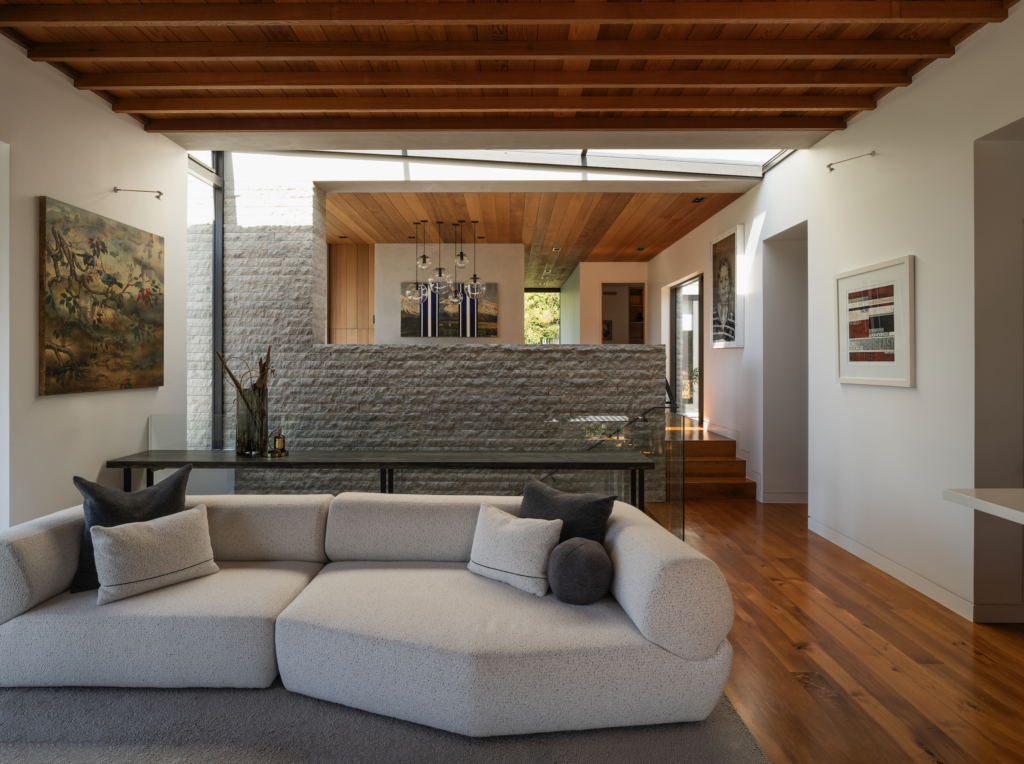
Turkish limestone, Californian architecture, and a context rich in history converge on this modestly sized yet potent home on Auckland’s city fringe.
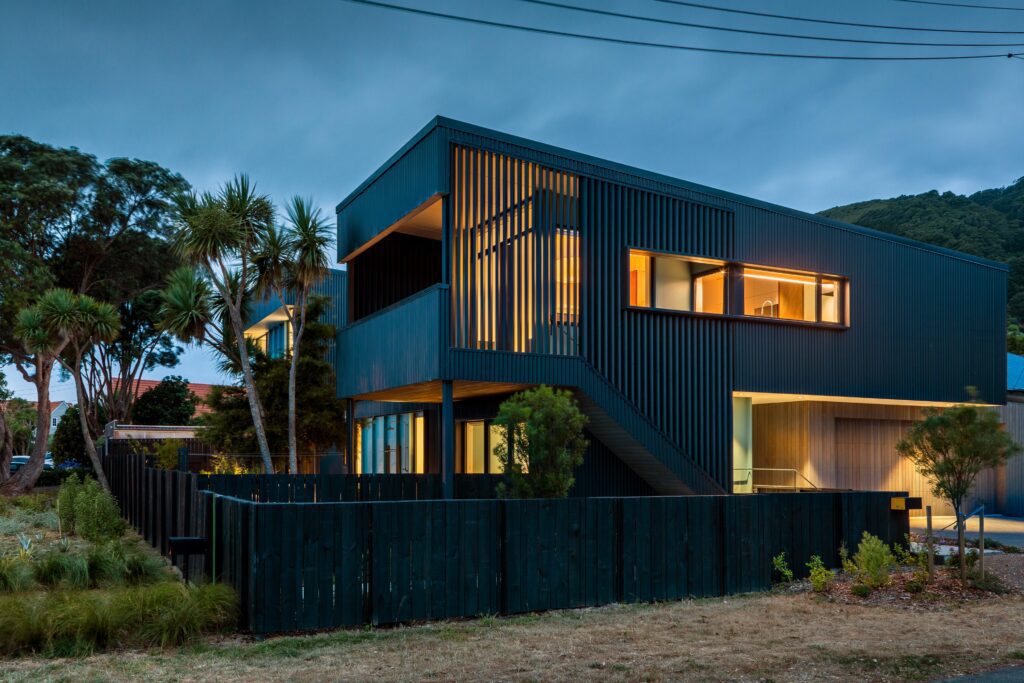
Between Wellington Harbour and a regional park, Parsonson Architects devised a playful dual dwelling cleverly connected by a bridged form.
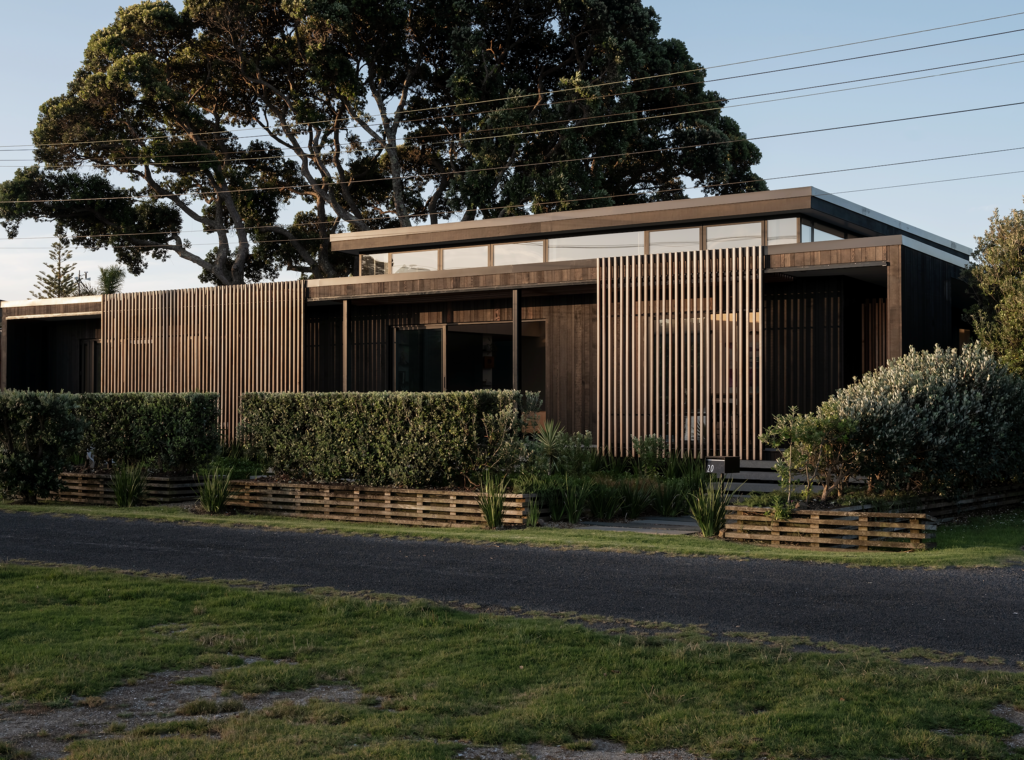
A physical divider between public and private land, this house is a collection of rooms for living that exists in the space between two realms. It was never going to be extravagant, but it is extravagantly well considered.
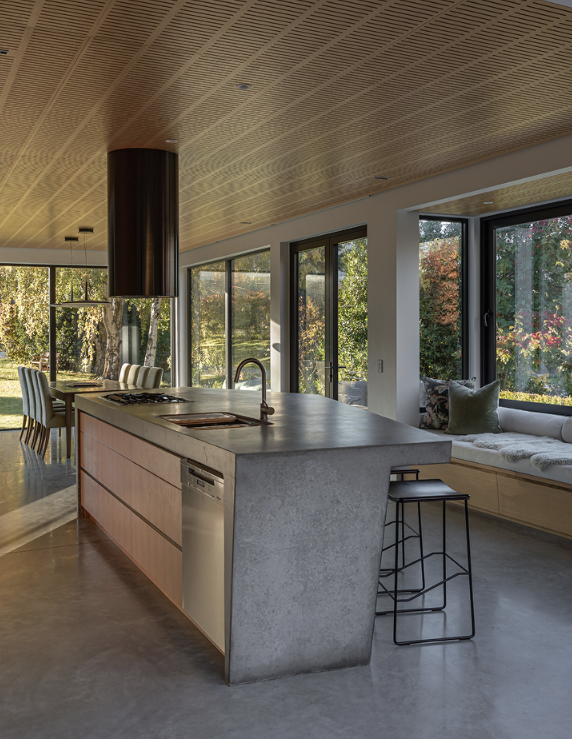
Architect Tony Koia let this house take its own form — from the immediate landscape, the views, and the mountains and lake in the distance.
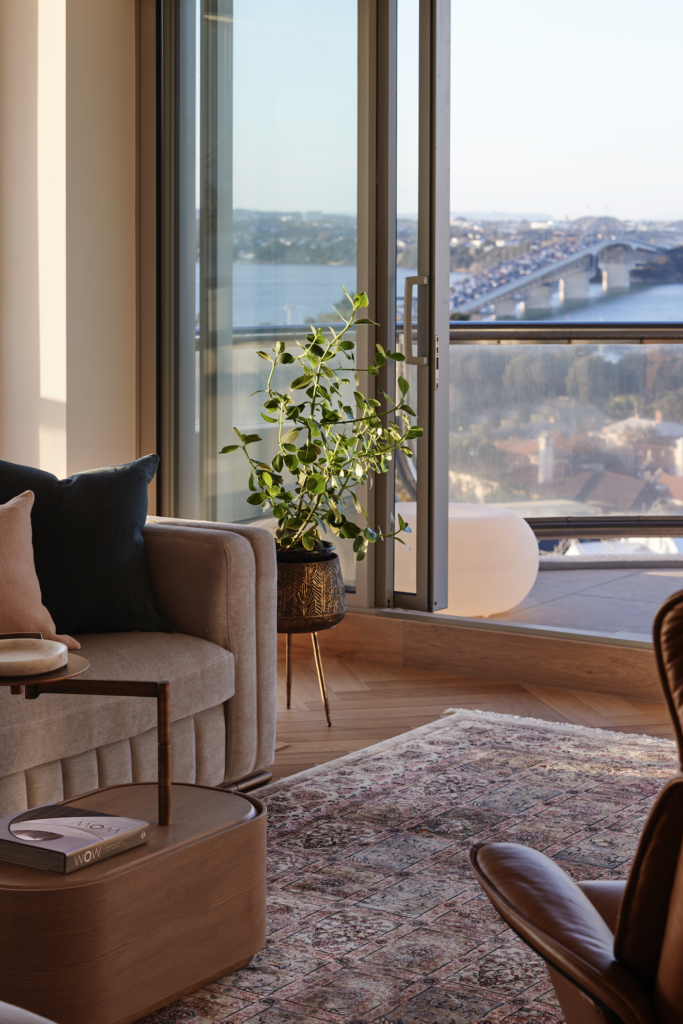
The extensive renovation of this 1980s Ponsonby apartment by Four Walls Architecture offers a refreshing take on city living at height.
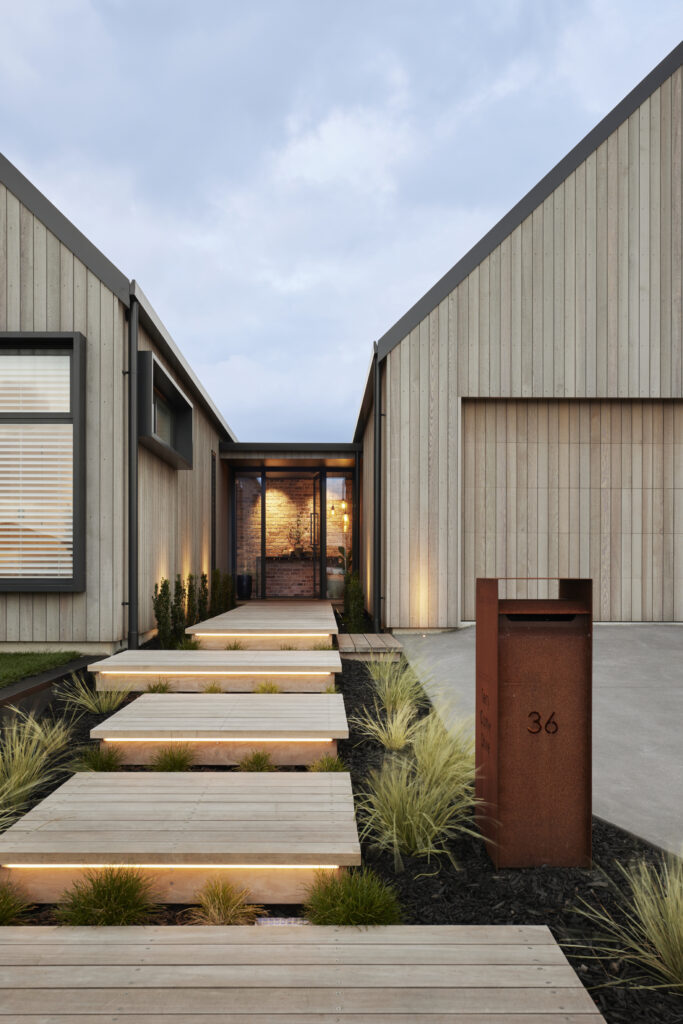
The success of any project often comes down to the level of collaboration and the working relationships between client, builder and architect. In the same way a well-built home provides a better environment for living, so too does a well run project team produce better outcomes.
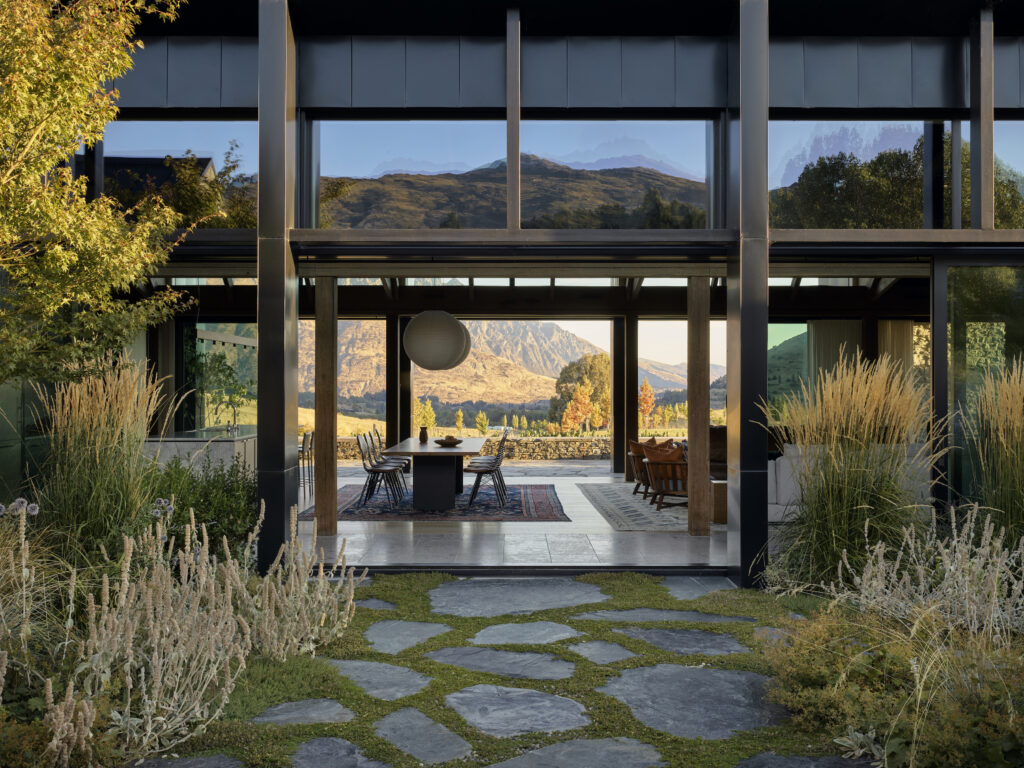
The highly coveted list of finalists is revealed! Peruse the homes and vote for the project you believe should win the 2023 HOME Interior of the Year Readers’ Choice Award.
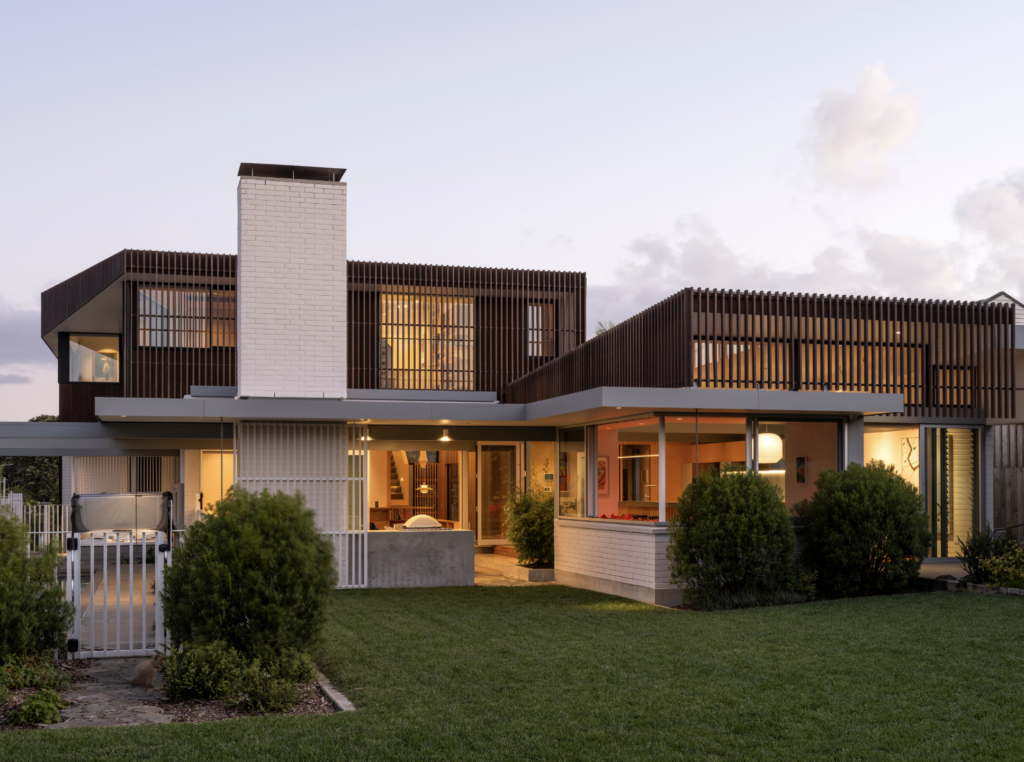
This family home offers both a departure from and a nod to the small concrete-block homes that used to be dotted along the coastal roads of Takapuna.
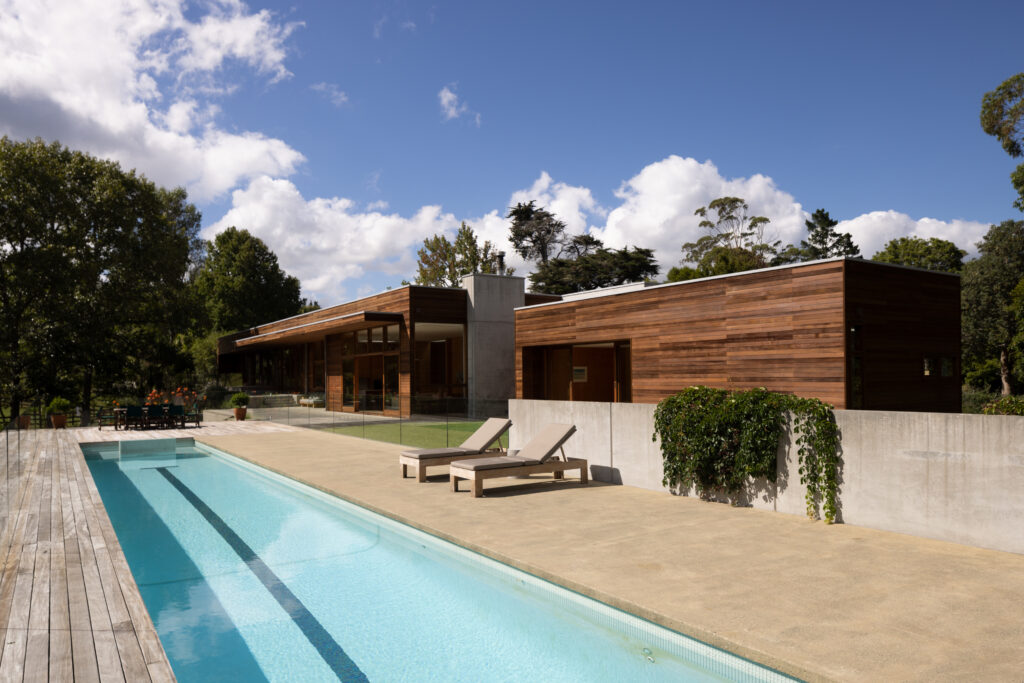
In a rural setting that feels far removed from the city on the outskirts of which it is located, this Auckland home unfolded over a decade or so.
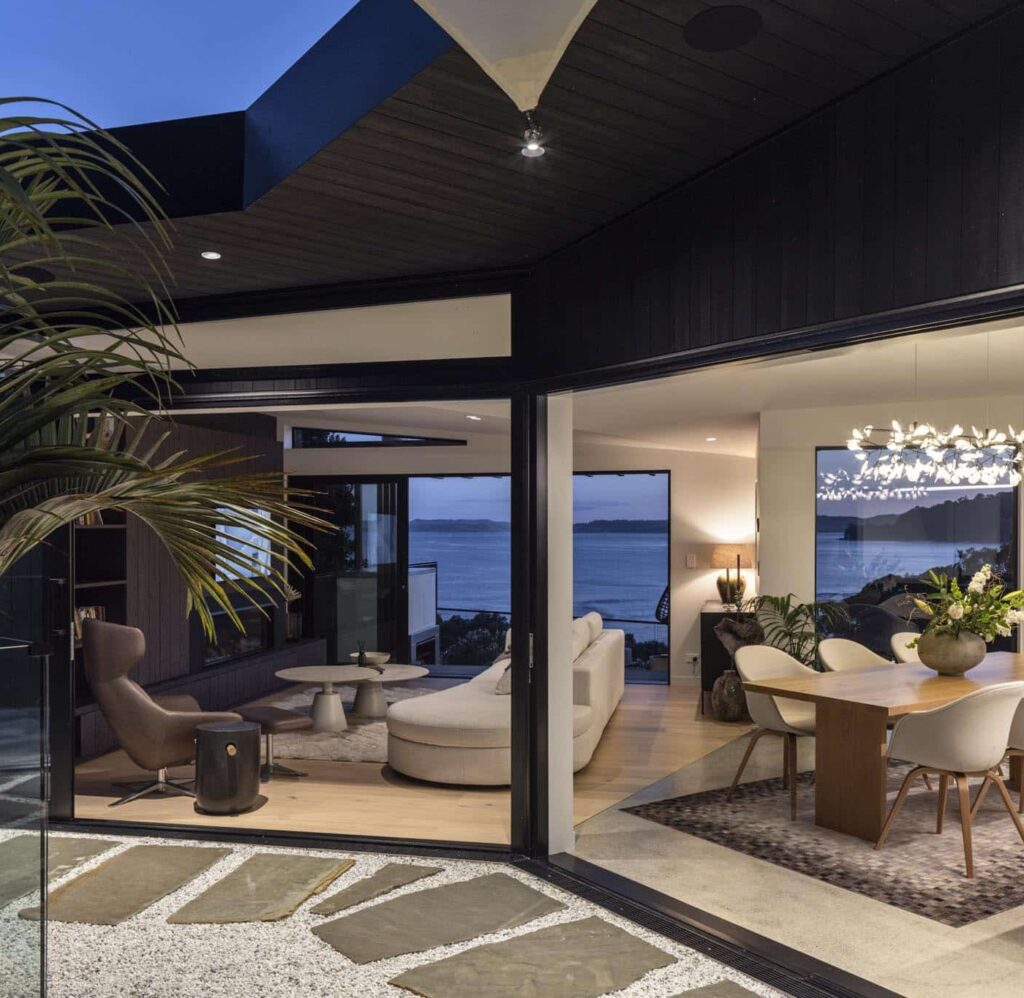
On an east-facing clifftop an hour north of Auckland, this home is the culmination of a long-held dream for its owner.
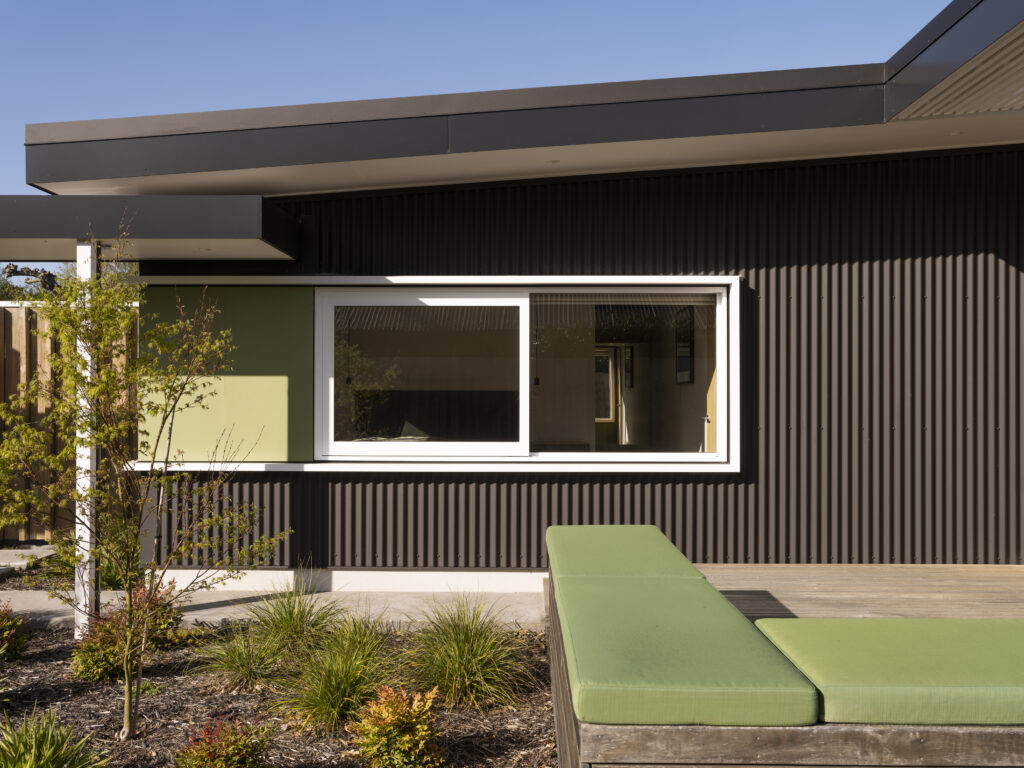
Using splashes of colour and external materials that evoke memories while creating a synergy with the surrounding landscape, this bach built to passive house standards delivers a lot in a joyful and fascinating way.
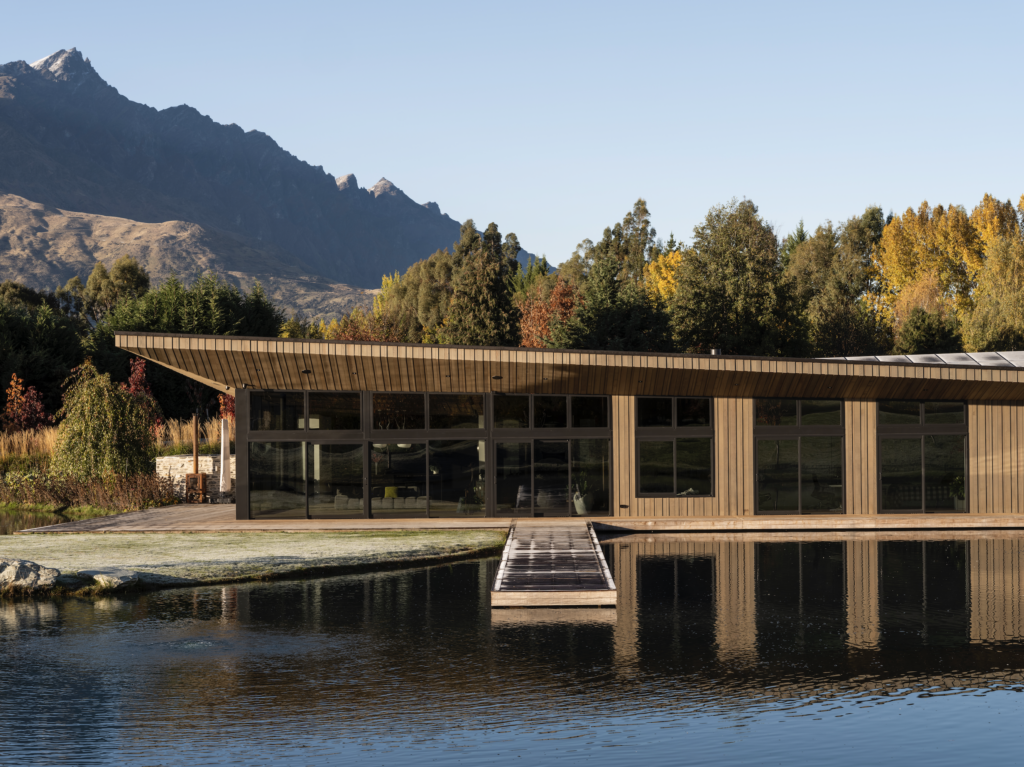
This highly sculptural home just outside Queenstown reaches out and responds to the water below and the peaks that rise around it.
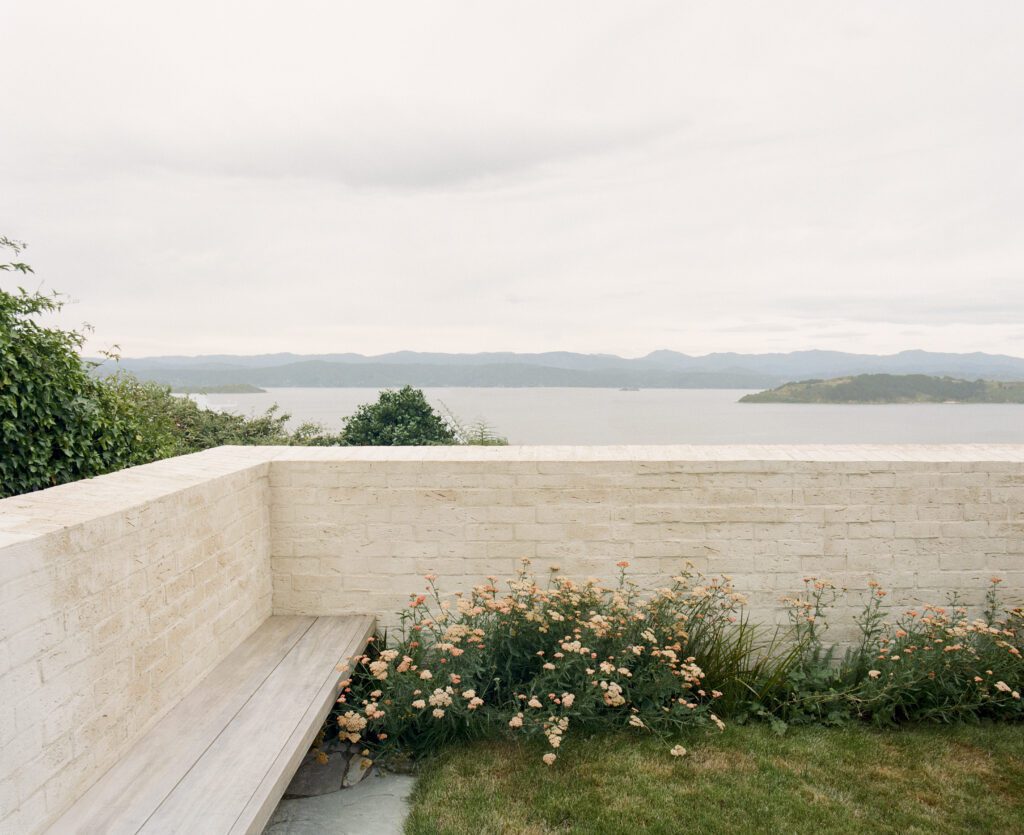
A couple of kilometres north of central Wellington, on a ridgeline in Wadestown, architects Seear-Budd Ross envisioned a space of calm: serene rooms with restrained detailing.
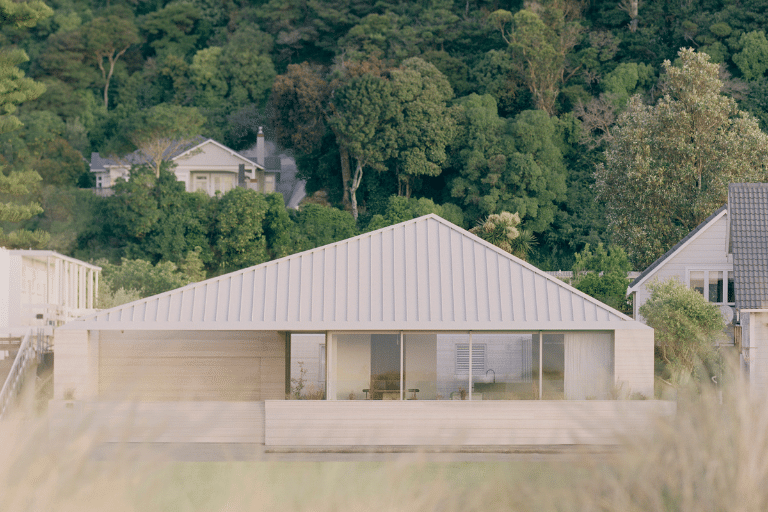
Between harbour and hills, this large, low-slung Wellington home is an intriguing but perfectly suited addition to its Eastbourne street.
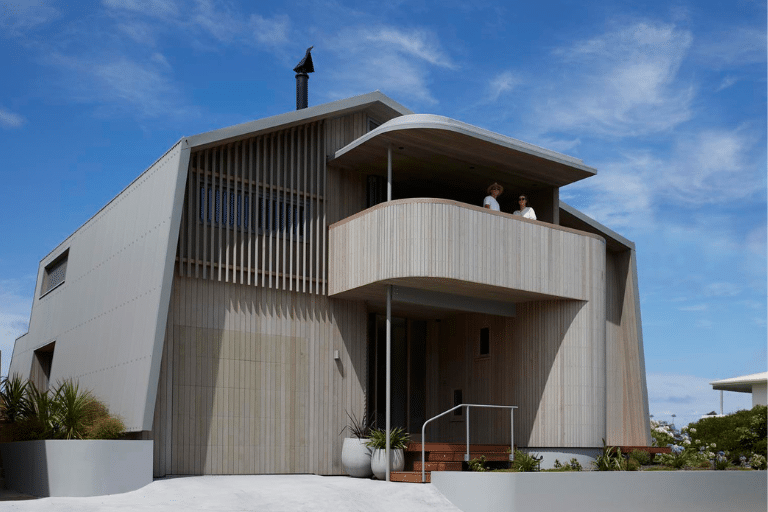
Mimicking the angles and formation of a canvas tent, this family bach in Tairua pleats and folds, burying its lines into the dunescape.
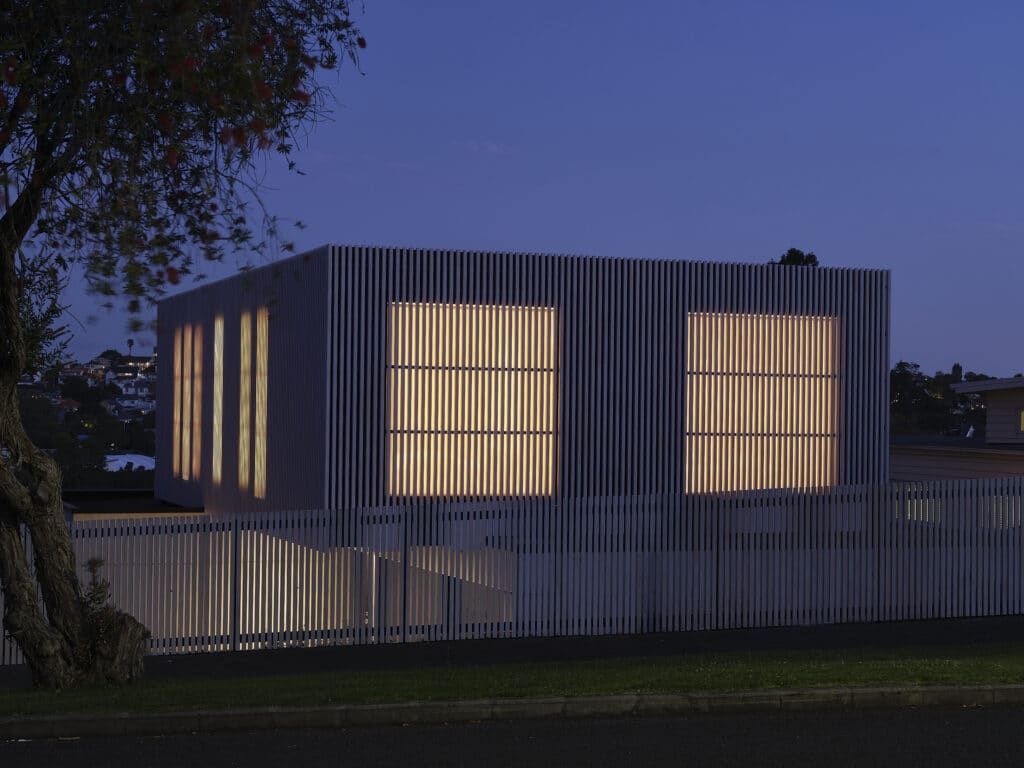
There’s no doubt this large family home makes a statement. It’s a talking point for locals who wander past and often stop to take it in. Although its scale seems perfectly fitting, it is the form that creates intrigue.
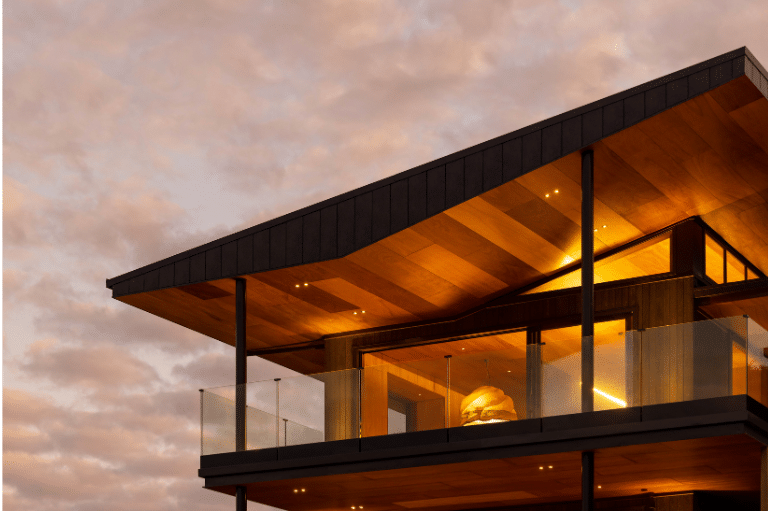
Above an idyllic pohutukawa-fringed Northland bay, this family bach provides what is needed and nothing more.
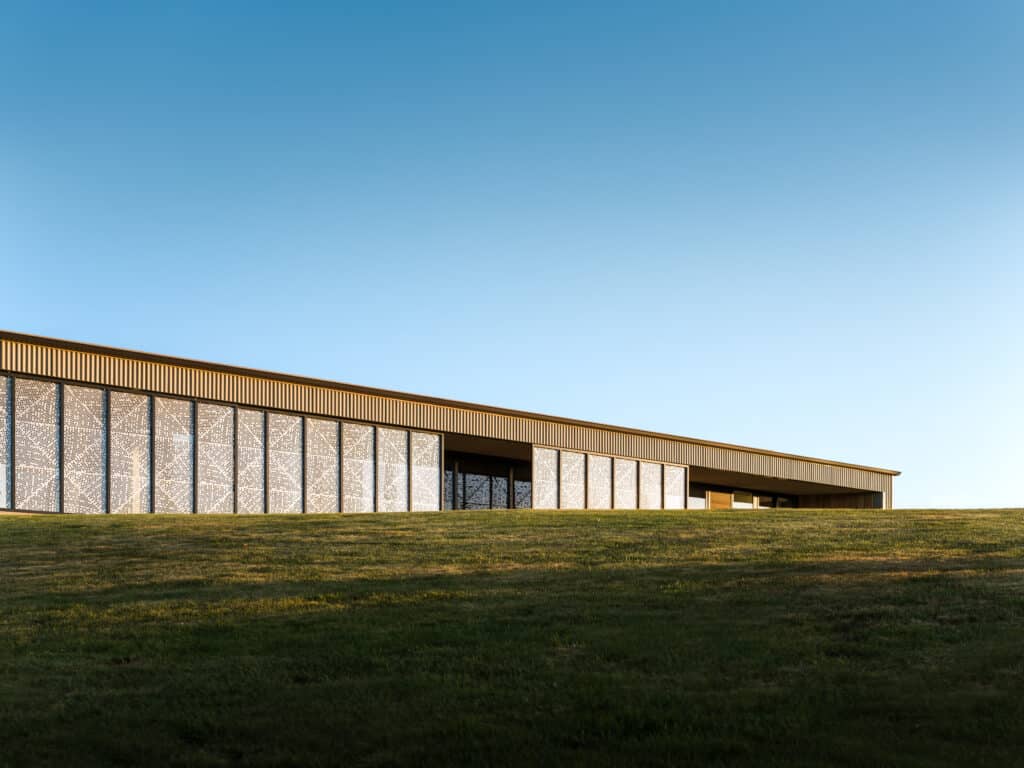
Architectural designer Ben Brady creates a modern take on rural living for a couple who had lived on the same land for 40 years. Situated in Spotswood, a region known for its pastoral history, the home is designed to make better use of the site’s beautiful rural setting.
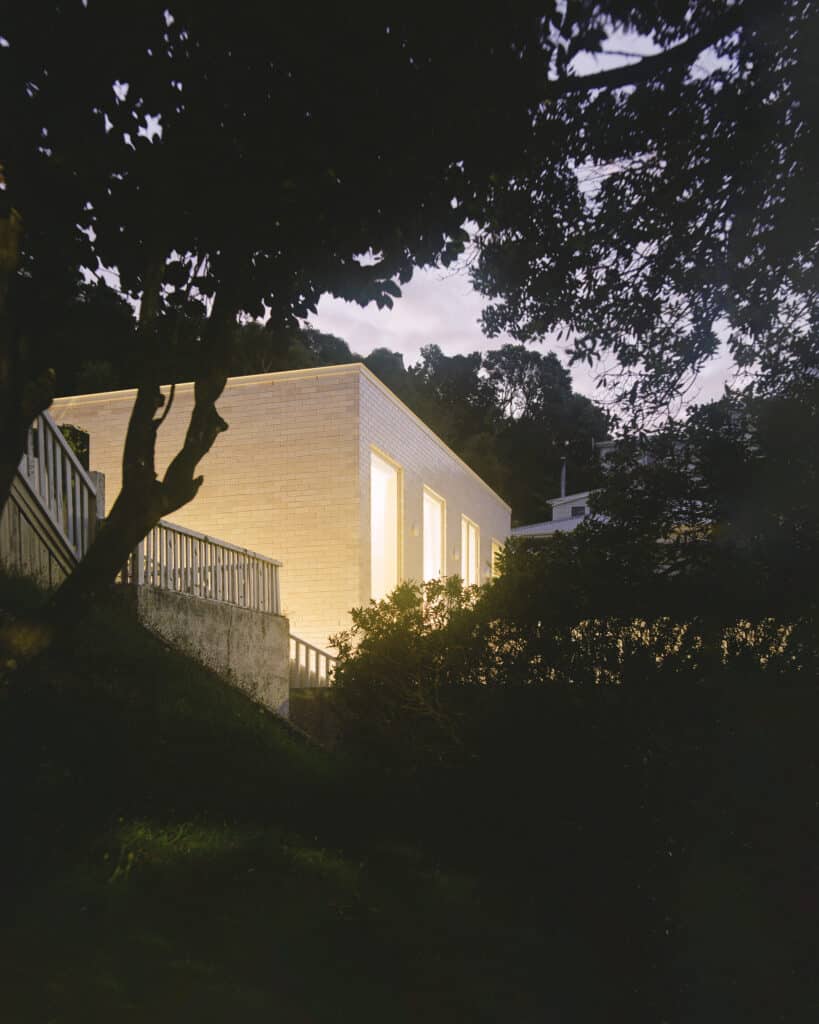
The New Zealand Institute of Architects Local Architecture Awards have started to be announced for 2023. Here’s a look at the some of the winning houses in Wellington and Canterbury.
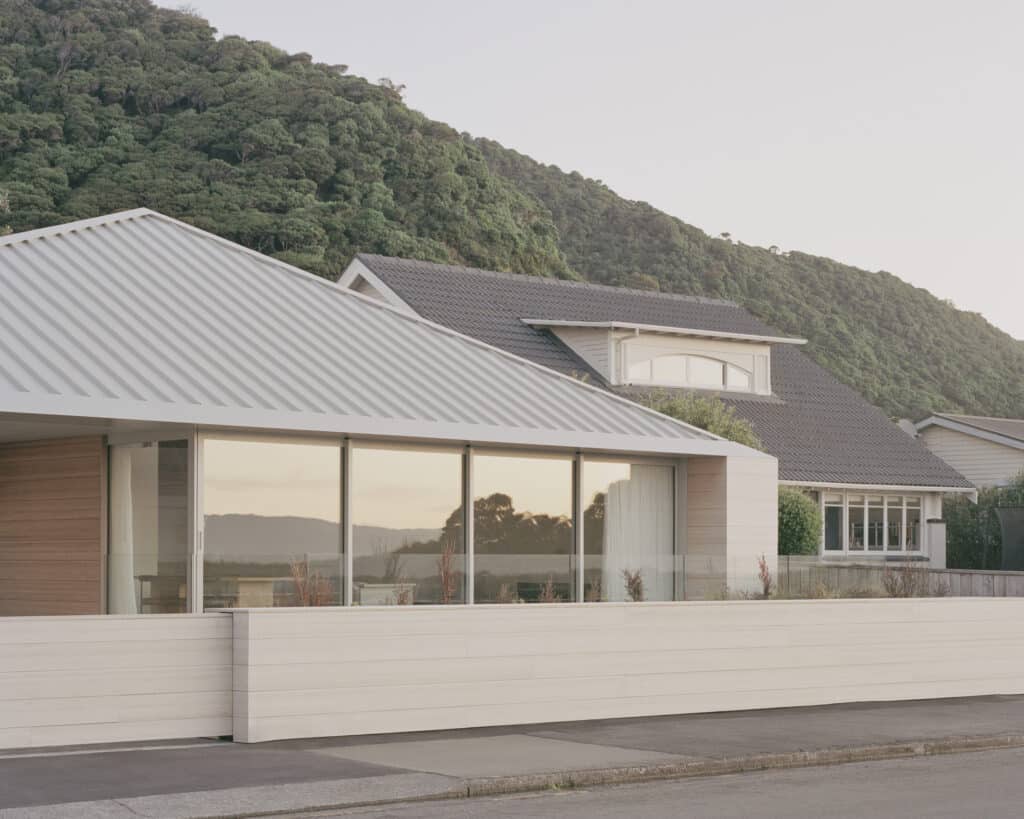
On the shores of Wellington Harbour, this home for a young family was designed to embrace its coastal surroundings while feeling lofty and contemporary.
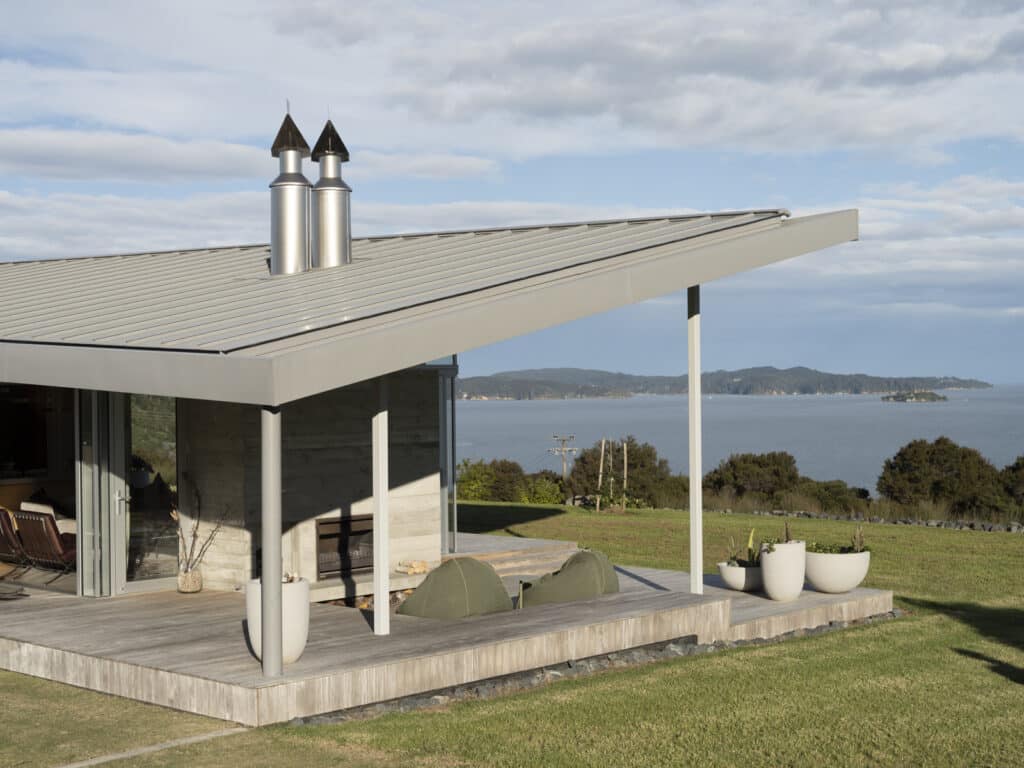
Appearing to both float above and disappear into the land, this Tāwharanui holiday home is a place of tension and beauty.
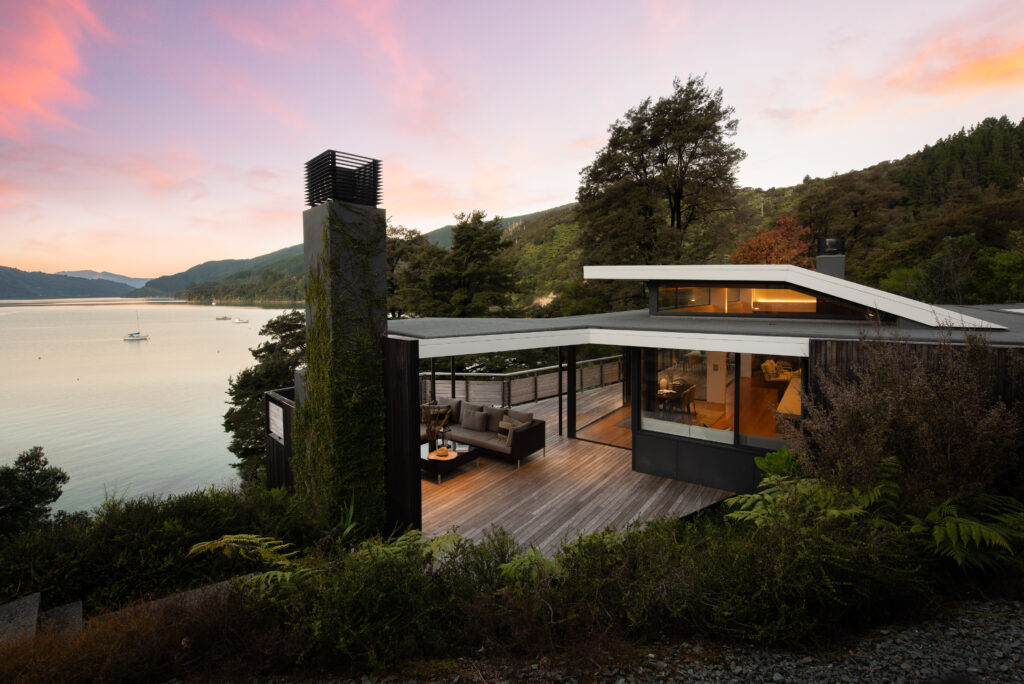
This home that steps down a bush-covered hillside in what is arguably one of the most beautiful places in New Zealand is both a statement and a piece of architecture that recesses subtly into the beauty of the landscape that surrounds it.
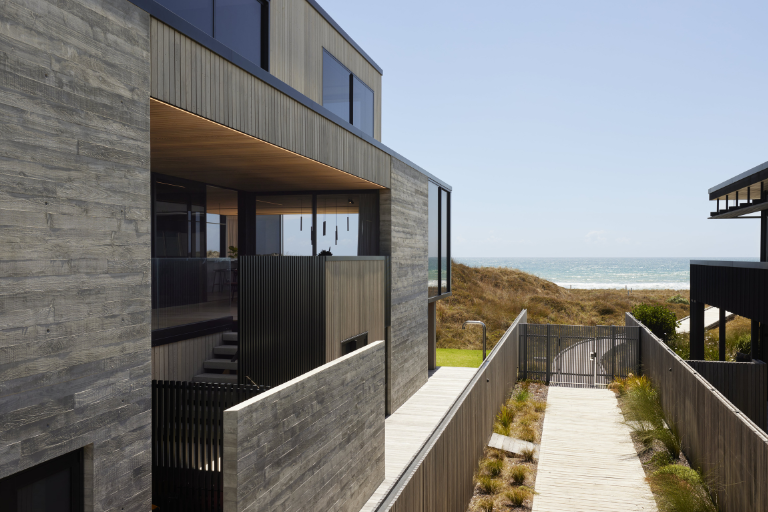
Simplicity, spatial articulation, and a nearly microscopic attention to detail ensure this coastal Mount Maunganui home by Brendon Gordon Architects and Weekday Studio works beautifully for its inhabitants.
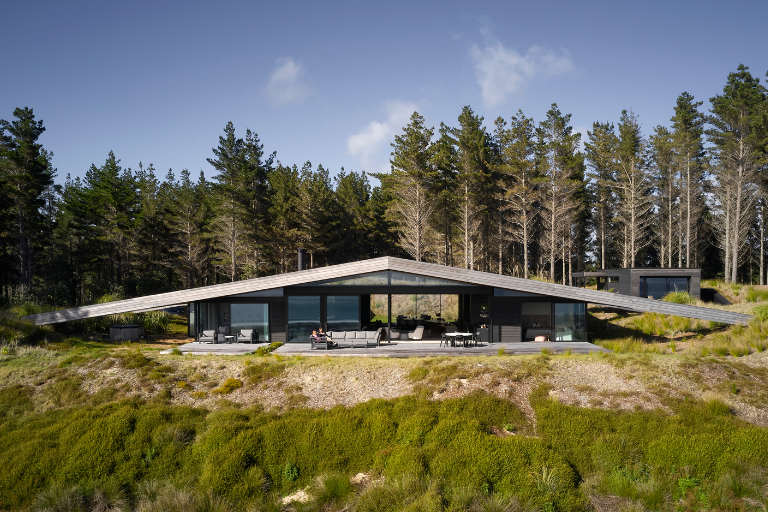
Turning its face to forest and sea, this holiday home is devised as a basic shelter — albeit one of grand proportions and an undeniably alluring simplicity — that rises to every occasion.
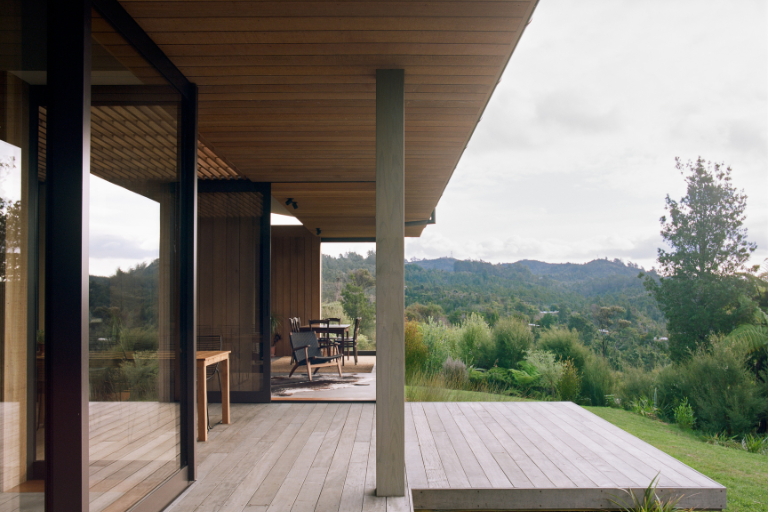
We explore a home on the Coromandel Peninsula designed by Sophie Hamer, in which simple architecture becomes exceptional by its detailing.
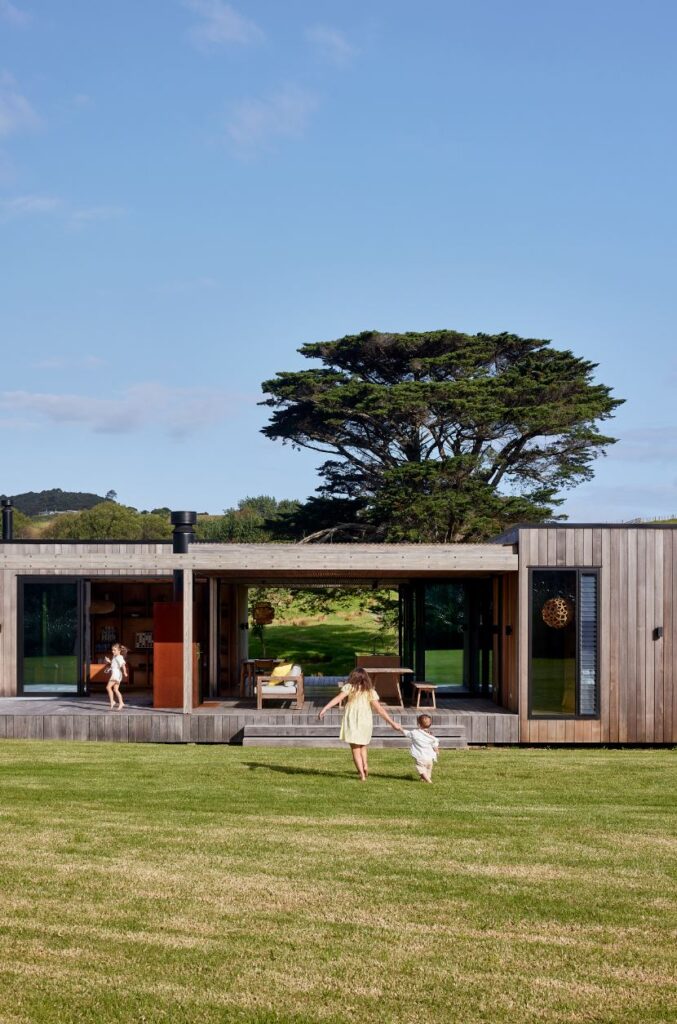
Delivering a series of beautifully proportioned spaces, this humble Mangawhai bach is quiet and rustic, underpinned by Japanese influences.
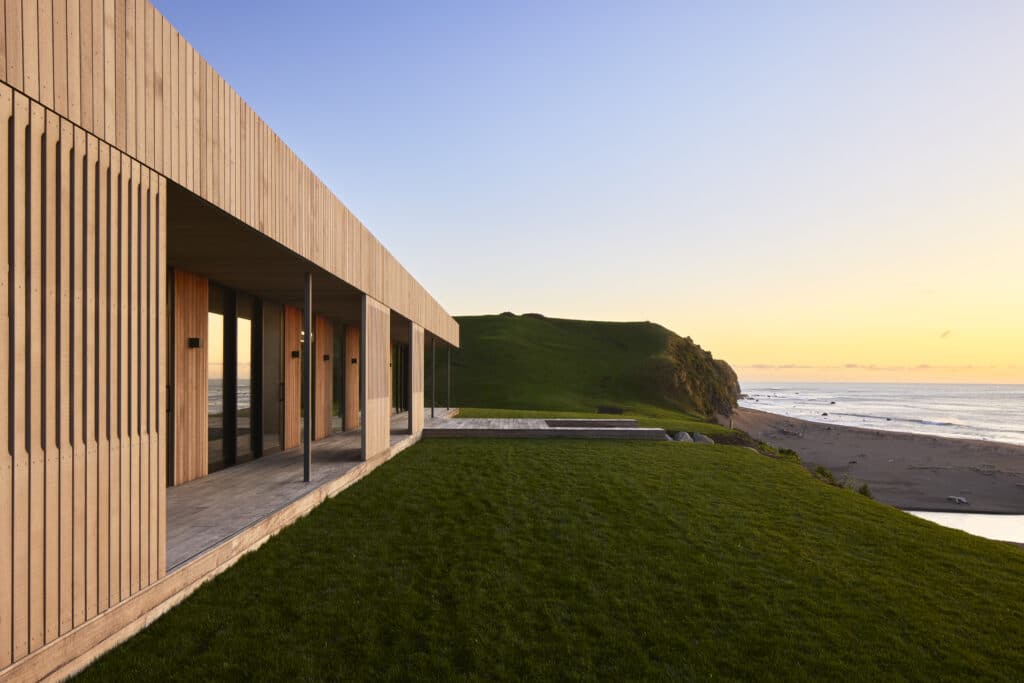
On the west coast of the North Island, just outside New Plymouth, a group of residential properties operate independently, but together make up a vast country estate that doubles as a working farm.
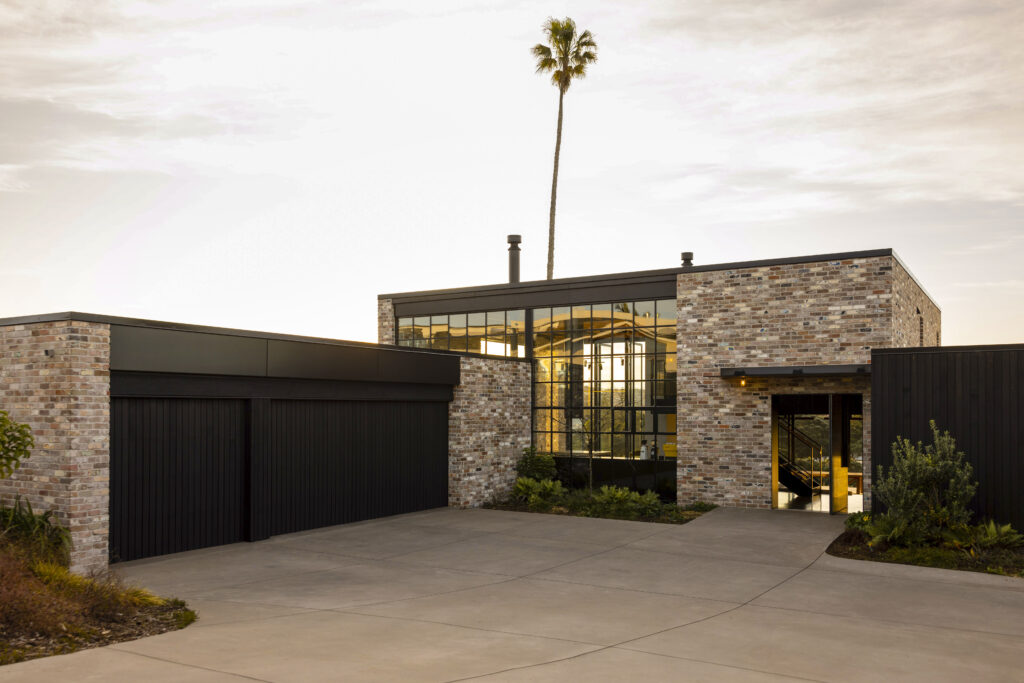
High on a cliff between Red Beach and Orewa, this family home delivers something beautifully unexpected.
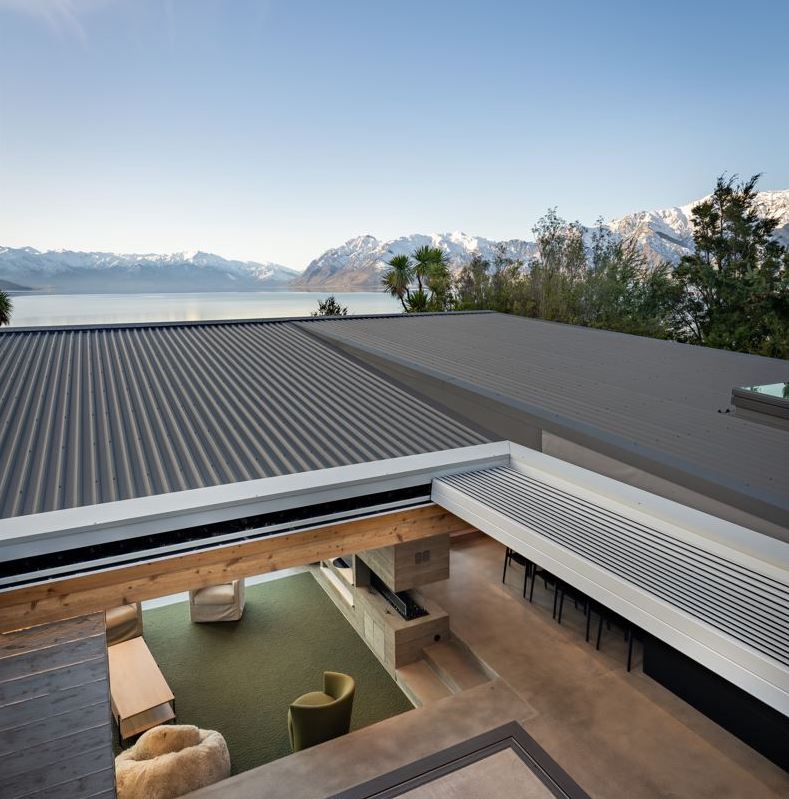
Being surrounded by and connected to nature was a necessity for this family bach on a South Island lakefront.
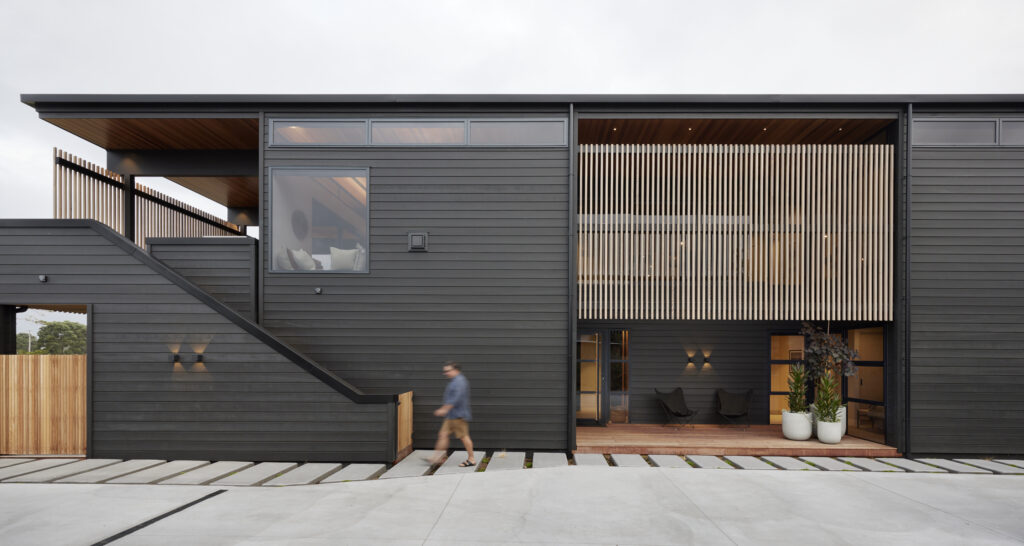
A beach house in Whangamatā that is designed for multiple generations, long summer days and neighbourly conversations.
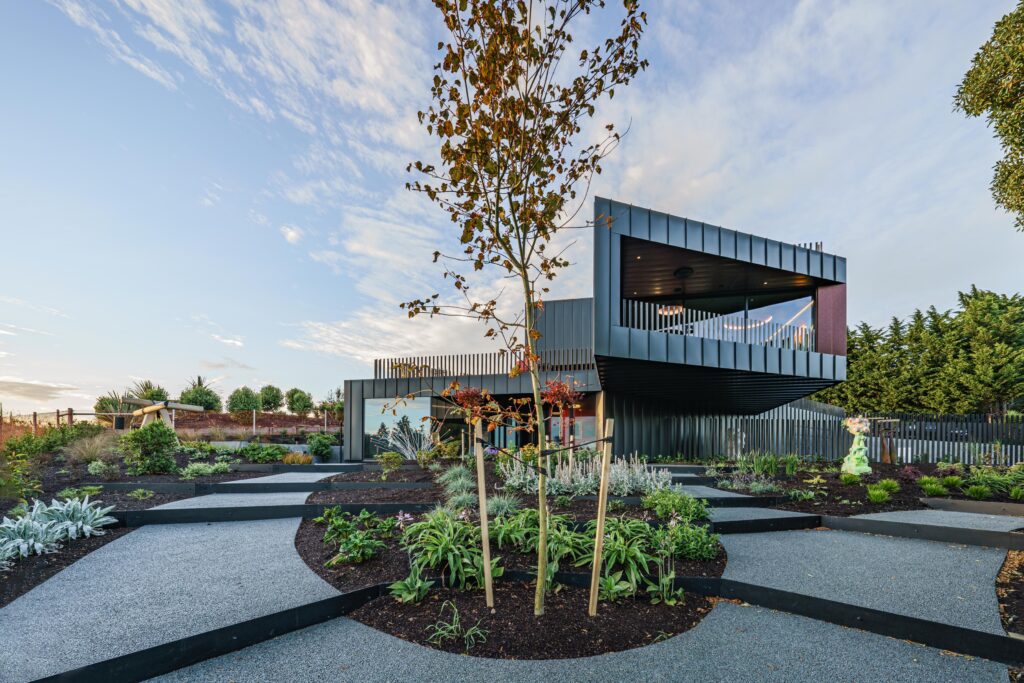
W Hamilton Building took on the daunting challenge of constructing Cliffs Road House, the 2023 City Home of the Year.
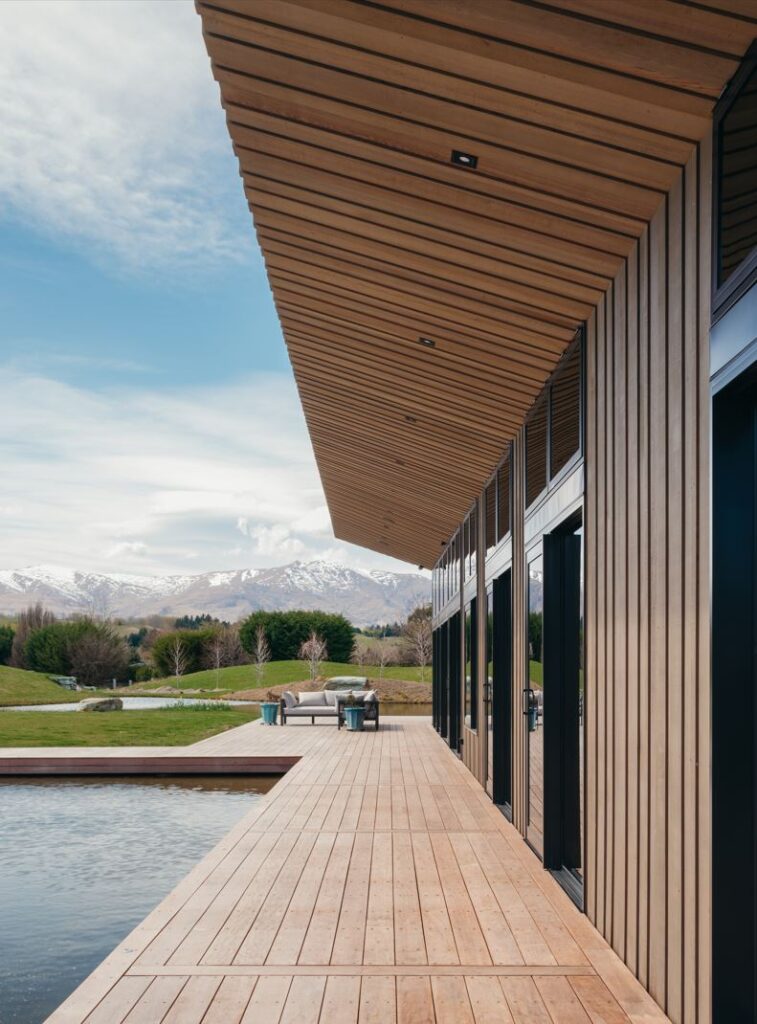
This contemporary country home in Central Otago is a place of unrivalled beauty, extending out towards and sitting in unity with the dramatic peaks of its low-lying alpine site.
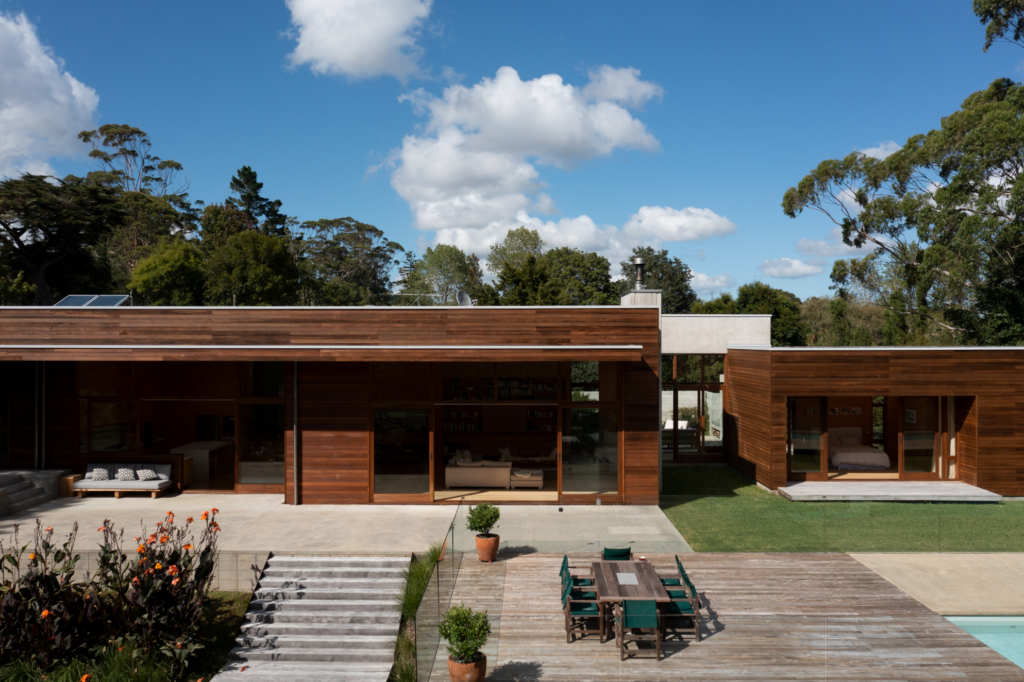
Looking up at the 2023 Home of the Year, the connection between the built form and the surrounding environment is palpable.
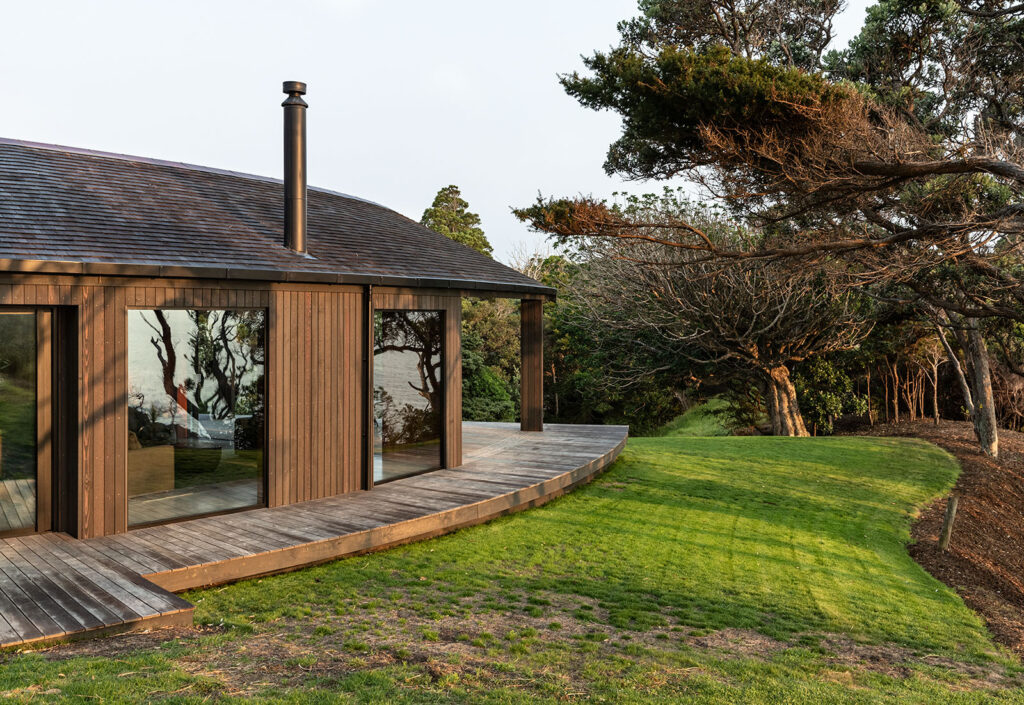
Delivering an unrivalled combination of versatility and durability, the latest technically advanced cladding systems allow for new levels of design freedom when it comes to vertical cedar weatherboards.
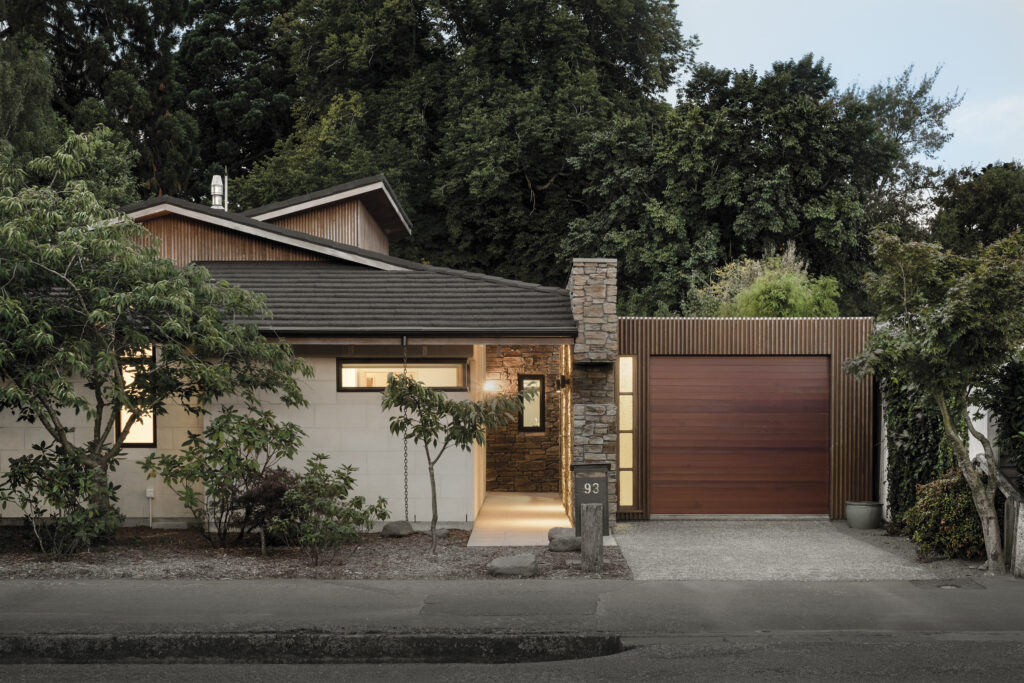
An admiration for Japanese architecture and Frank Lloyd Wright’s prairie houses formed the basis of a brief that described a timeless house with reference to these two seemingly diverse design influences.
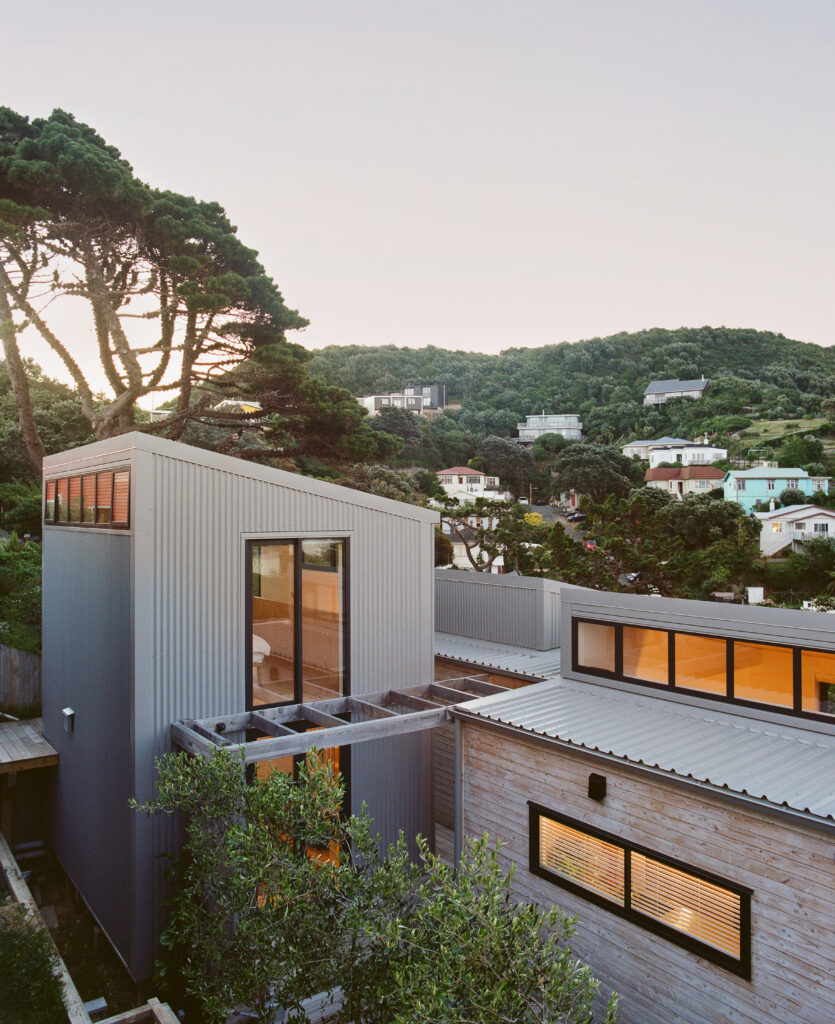
Nestled into a hillside in Island Bay, two homes – one behind the other – were designed to encourage connection between their inhabitants, and with the beach below.

A mature and restrained response to an awe-inspiring location. The architect has combined a wide range of influences — from Sri Lankan to her own, impressive international career — to achieve a quintessentially local response to site, context, and history.

Reclaiming an old DOC carpark on the shore of Lake Hawea, this holiday home that opens to the sky is designed around a farming family’s get-togethers in the South Island.

A hilltop home in Dunedin becomes a gallery of sorts, its form an object of art itself – one of warmth, playfulness, and urbanity.

In central Auckland, BVA Studio designs an elegant addition defined by a cascading, flowering green roof that meets copper, dark-stained timber and concrete.

Encompassing an original — and much-loved — stone building, two apartments deliver a delightful dialogue between old and new, making the most of a lakefront site in central Queenstown.

A mature and restrained response to an awe-inspiring location. The architect has combined a wide range of influences — from Sri Lankan to her own, impressive international career — to achieve a quintessentially local response to site, context, and history.

Beautifully sited in a rural setting of mature trees, a large pond, and horse paddocks, this strong and elegant house has a calmness and certainty of place and purpose.
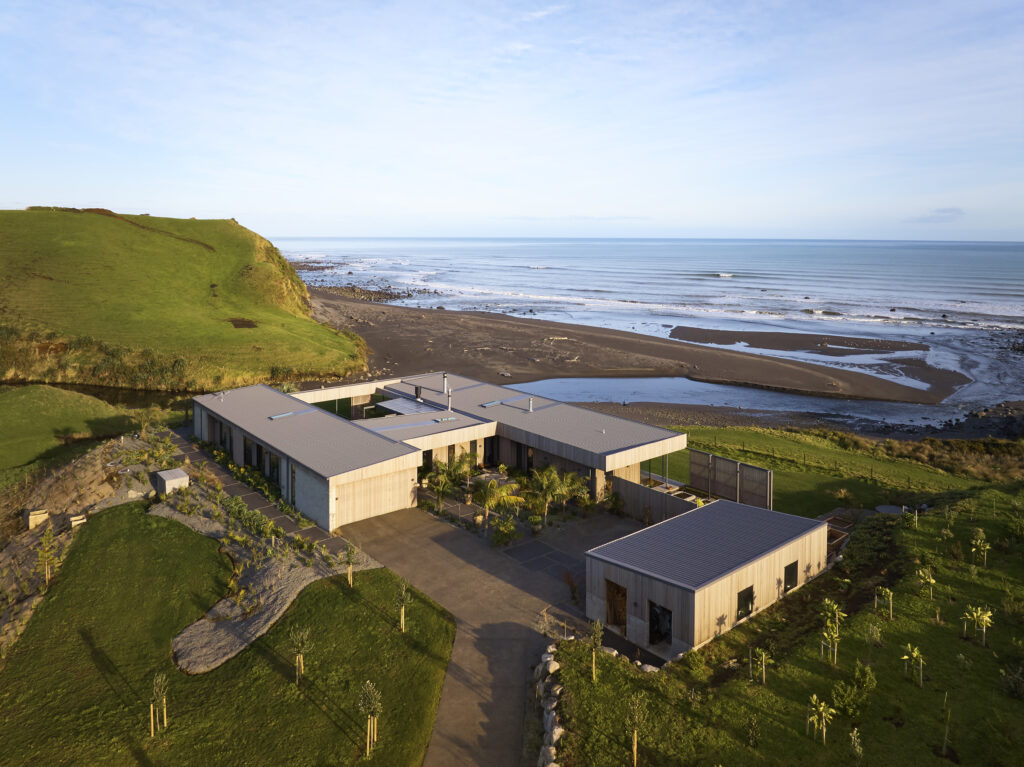
Architect Brady Gibbons expertly incorporated the key elements of the coast, a winding stream, and the need for shelter from the harsh climate into the design of this home. The vertical cedar cladding, combined with sliding screens, gives the house its unique exterior character.
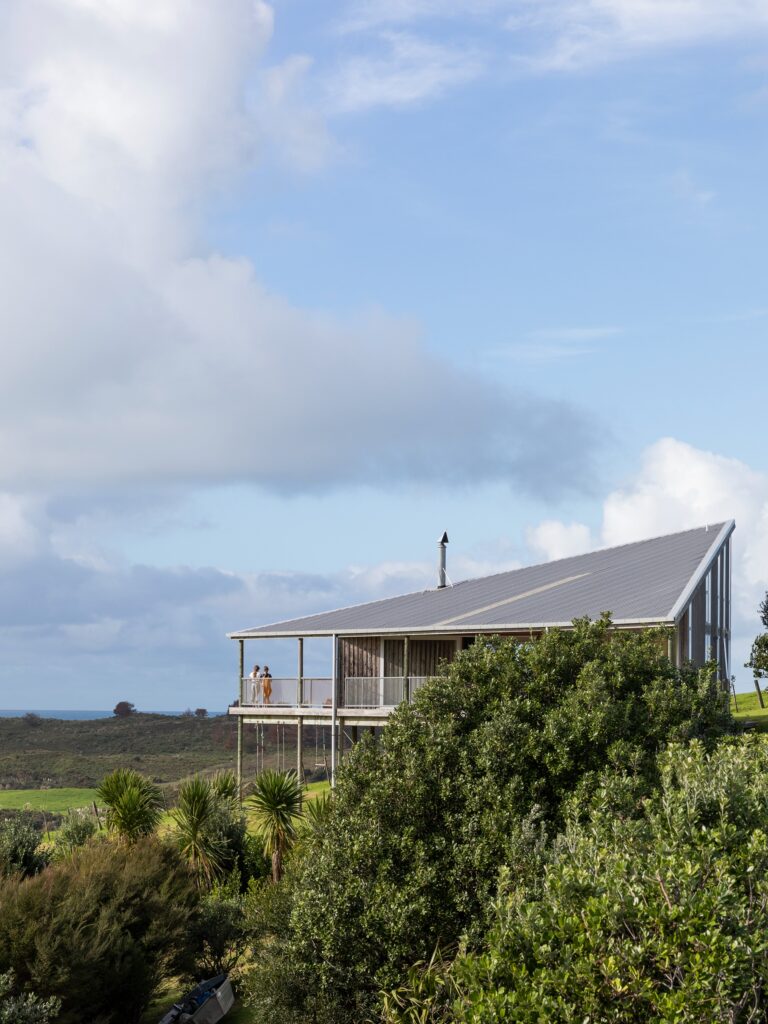
Climb Mount Manaia and the triangular form of this family home appears as a subtle marker in a striking landscape.
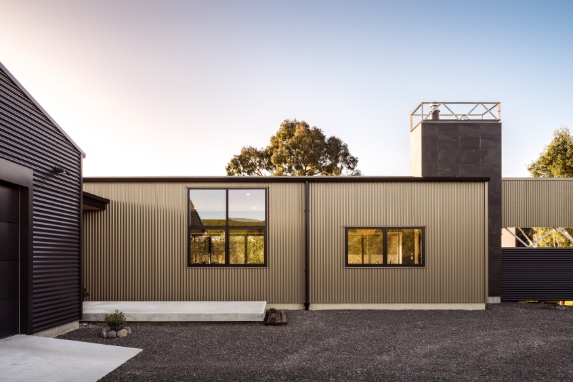
On a working farm between Christchurch and Kaikoura, this home artfully utilises Colorsteel cladding to create a dynamic definition within a palette of duality.
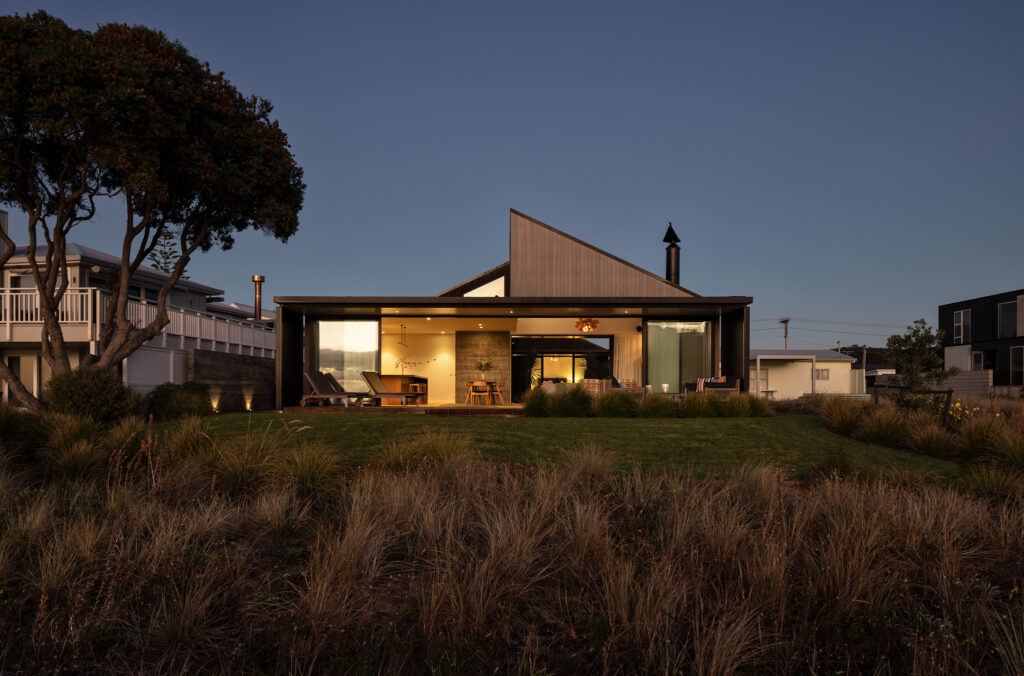
In the Coromandel, a home with a humble profile and a thoughtful design makes the most of a stunning location.
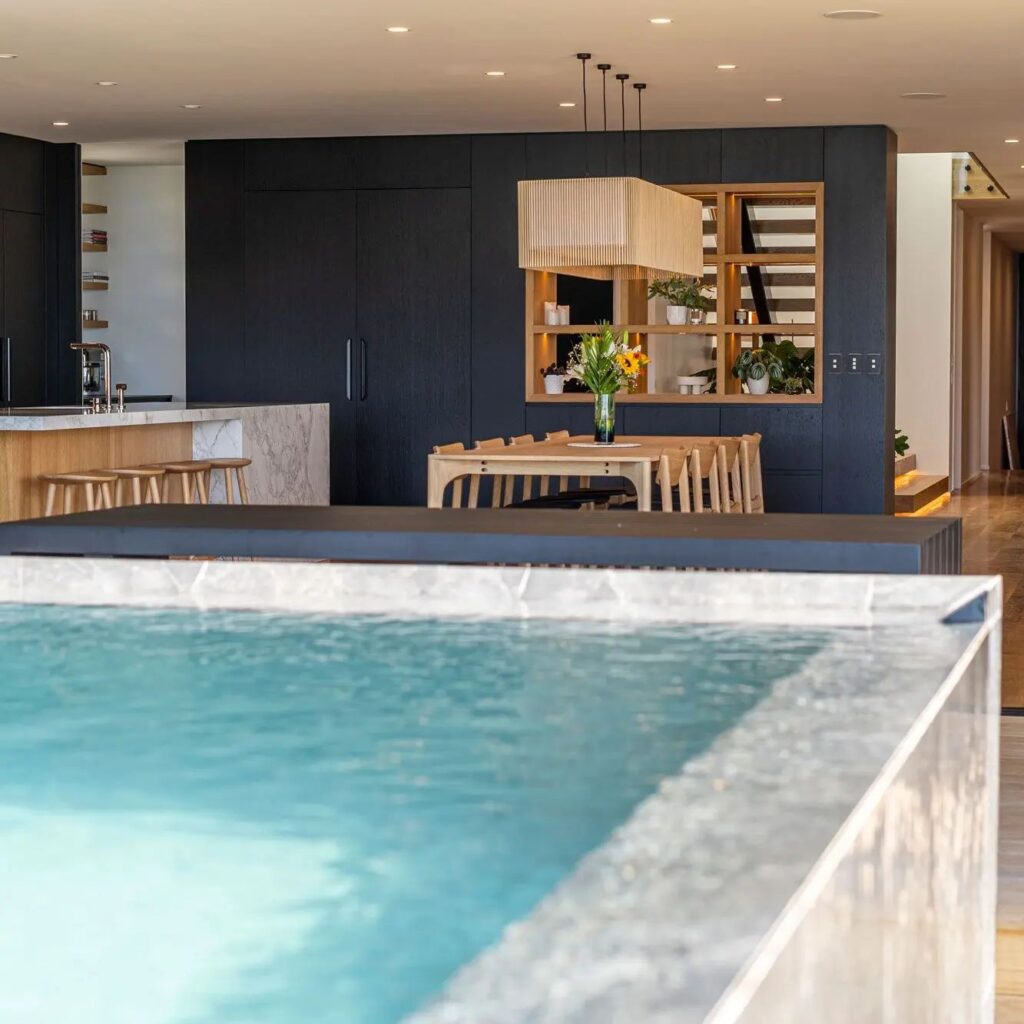
Balancing a beachfront site with a unique design presented PRD Construction with one of its more fascinating builds to date.
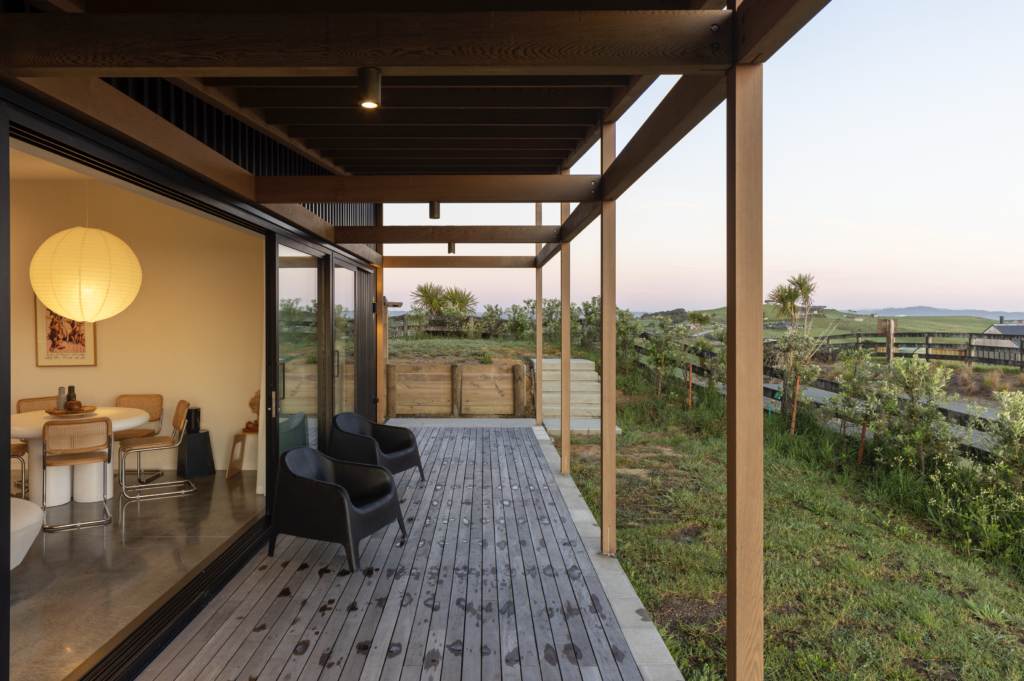
Resembling a simple shed, this budget-conscious minor dwelling at Waipu is a place of rest and contemplation.
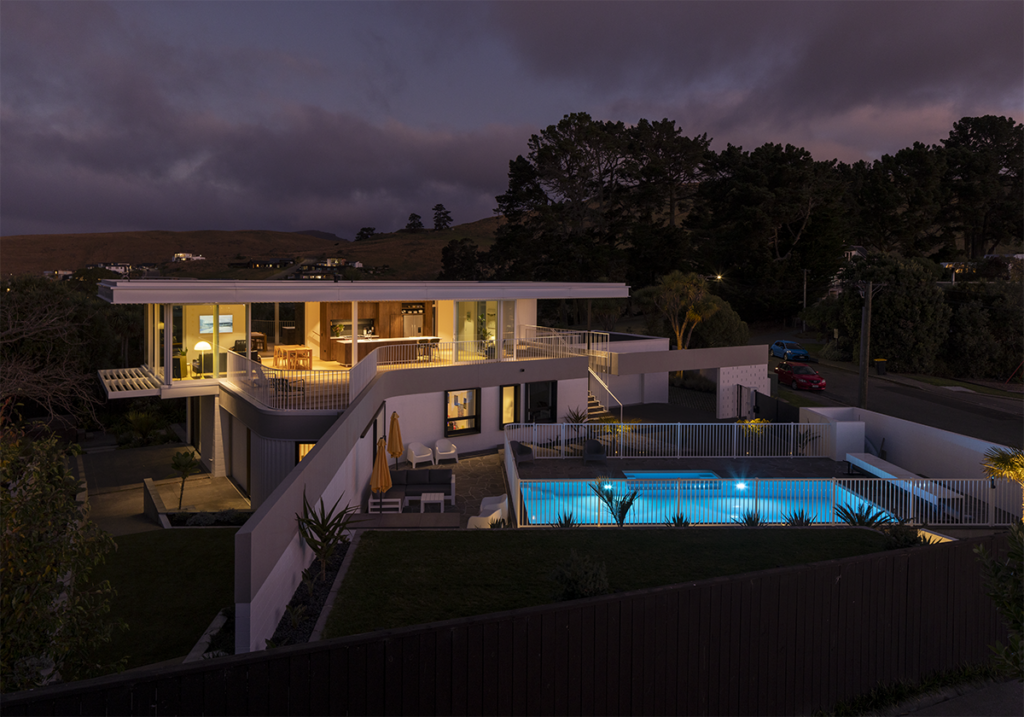
Part Slim Aarons, part Los Angeles hillside paid, this fun and beautifully detailed Christchurch home by PRau is proud of its modernist soul.
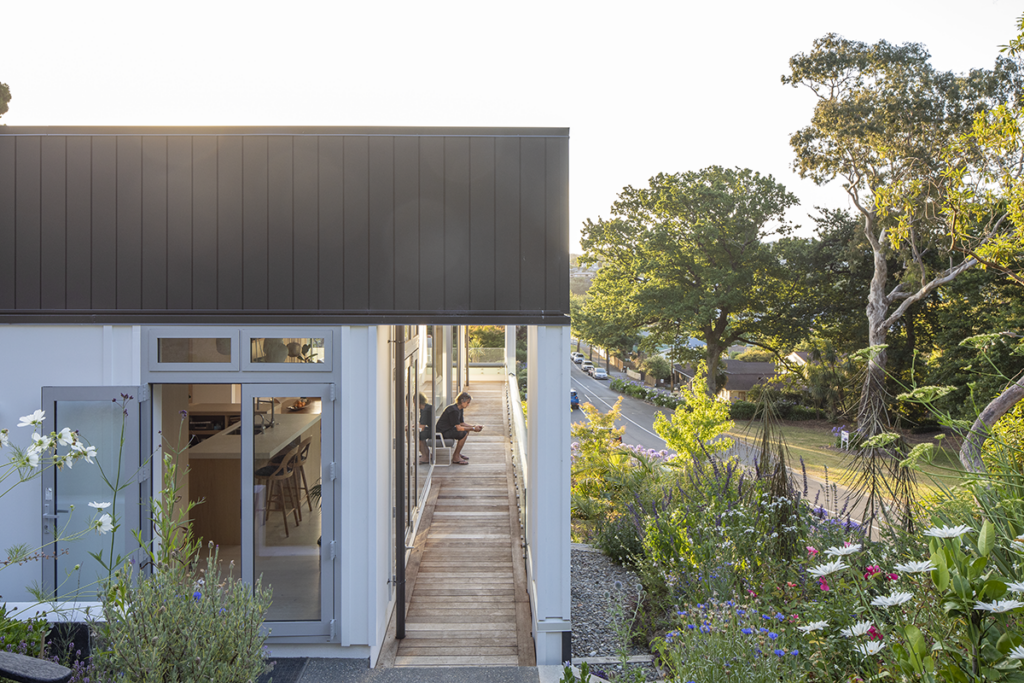
Higher density requires not just good design but good manners. This leafy, central-Nelson house by Irving Smith Architects sought to do just that.
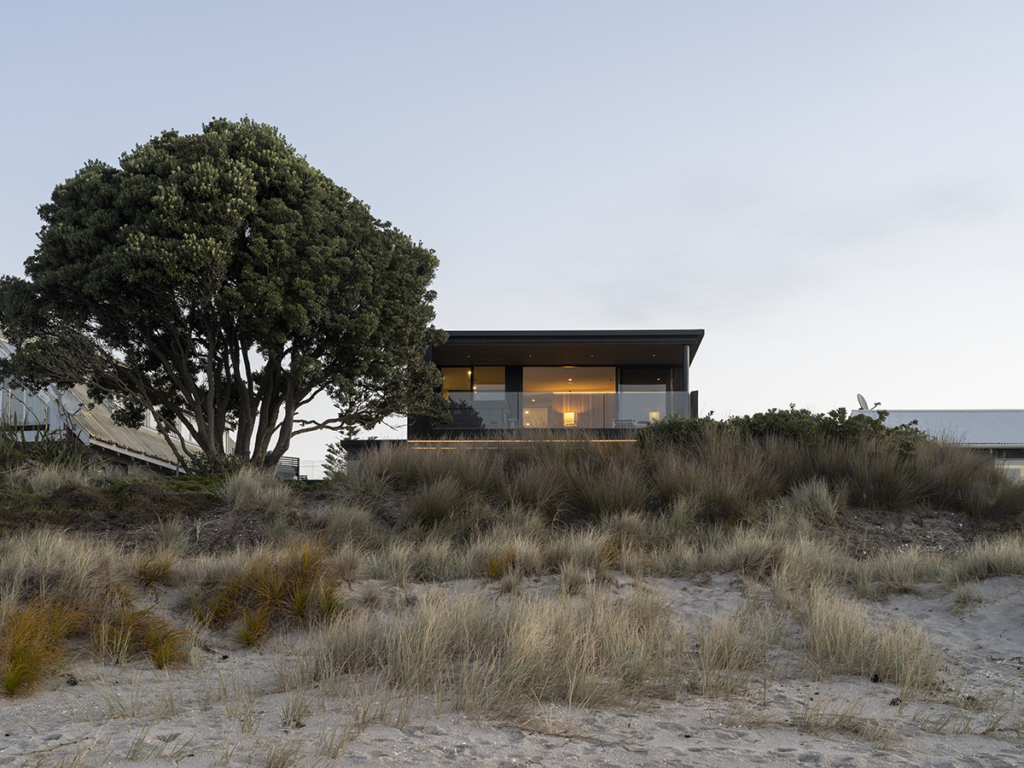
A large family home elegantly reaches out to meet Papamoa’s everchanging dunescape, folding indiscernibly into the public realm.
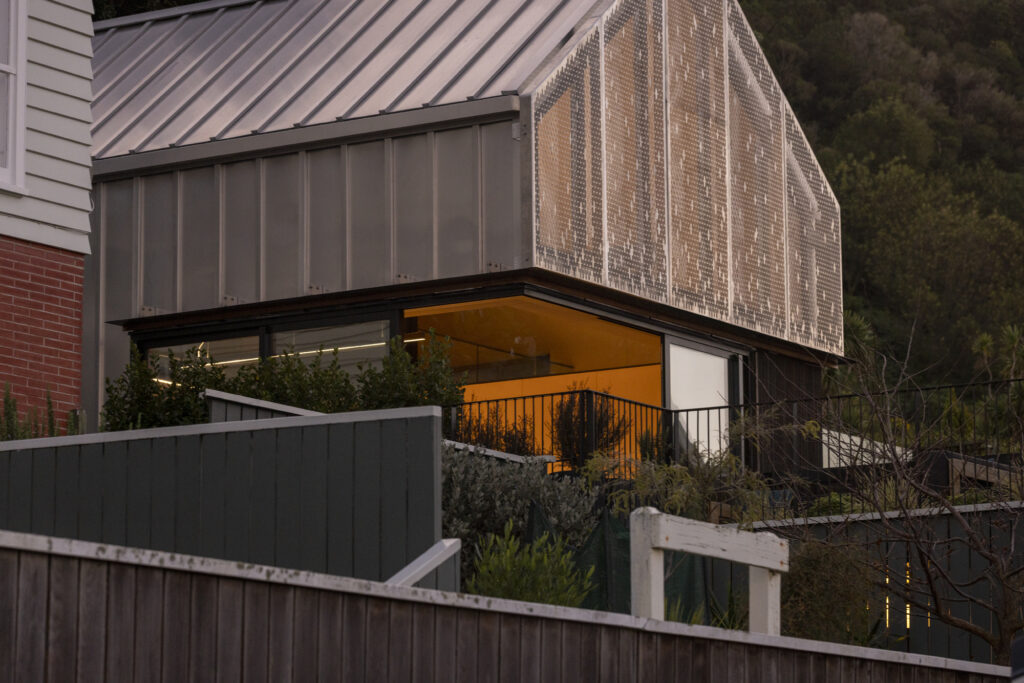
Designed for a couple who are avid surfers, this clever addition on a compact coastal site is both overtly contemporary and entirely sympathetic to its context.
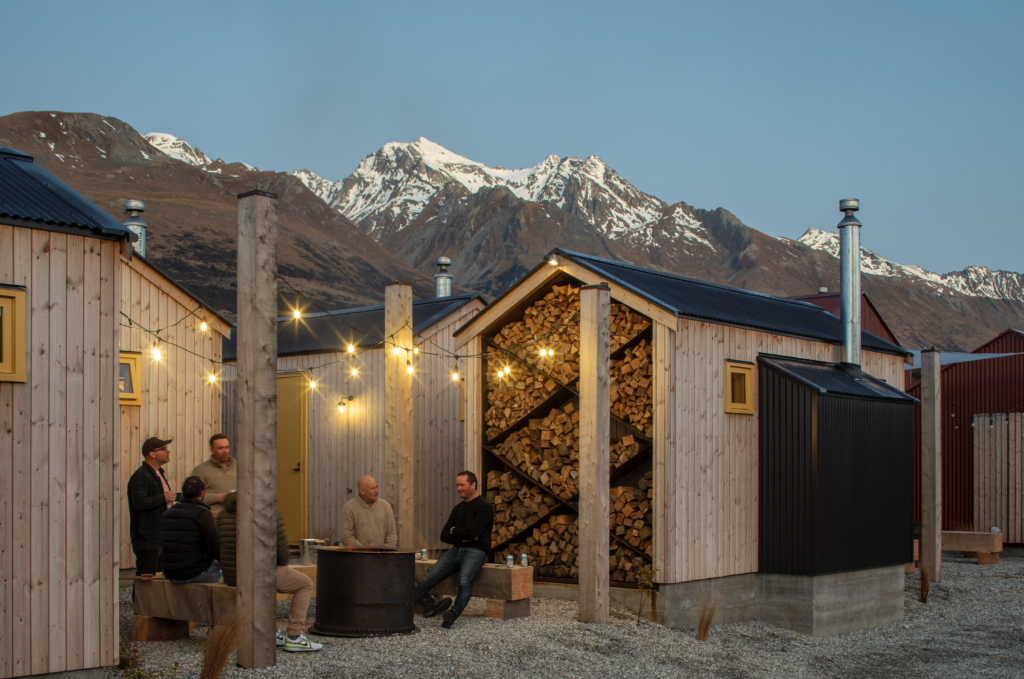
One of the latest offerings on the northern end of Lake Wakatipu is the Great Glenorchy Alpine Base Camp, a place that is down to earth, adventurous, and highly sociable.
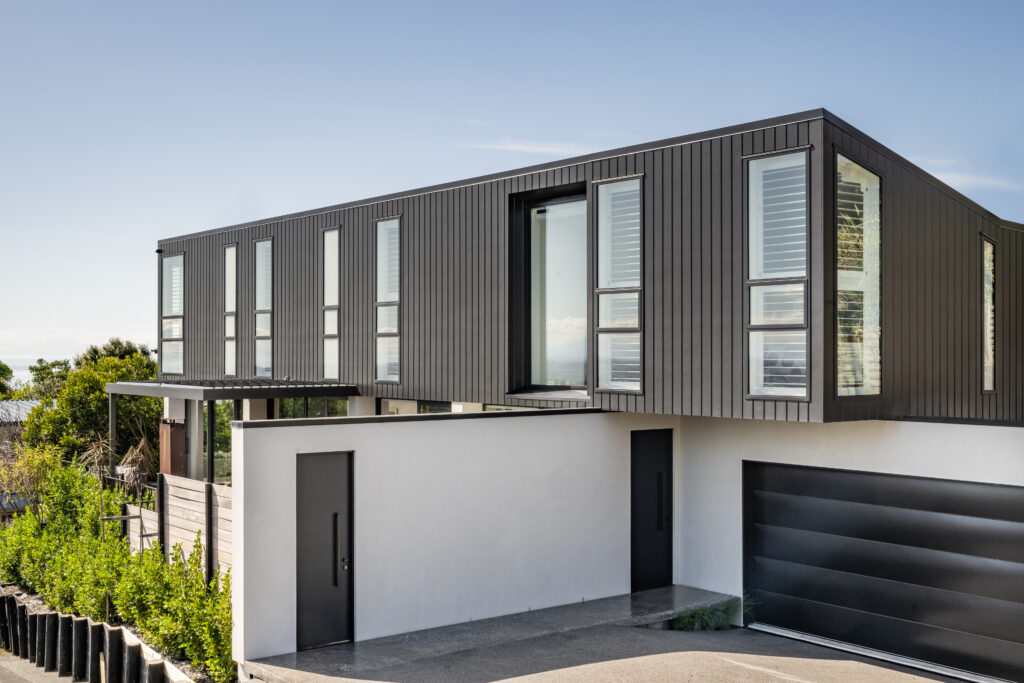
On a small, suburban hillside site in Christchurch, the design response for this family home was driven by verticality.
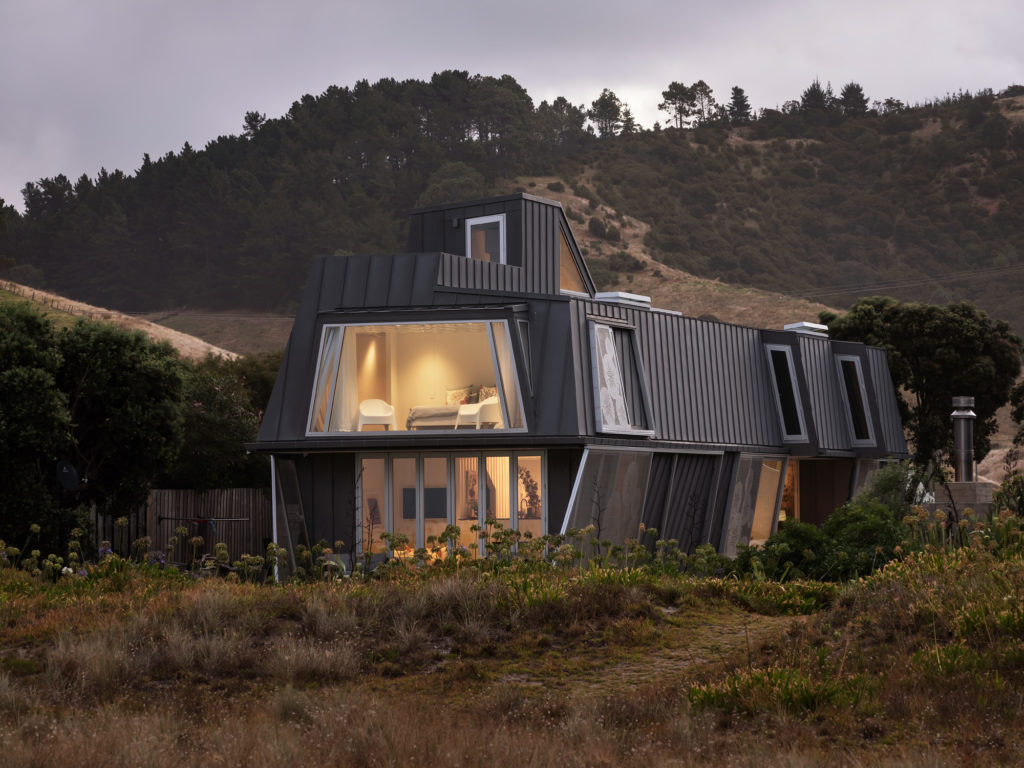
With two clear narratives at play, rural and maritime, this Coromandel home of geometric playfulness has a life of its own.
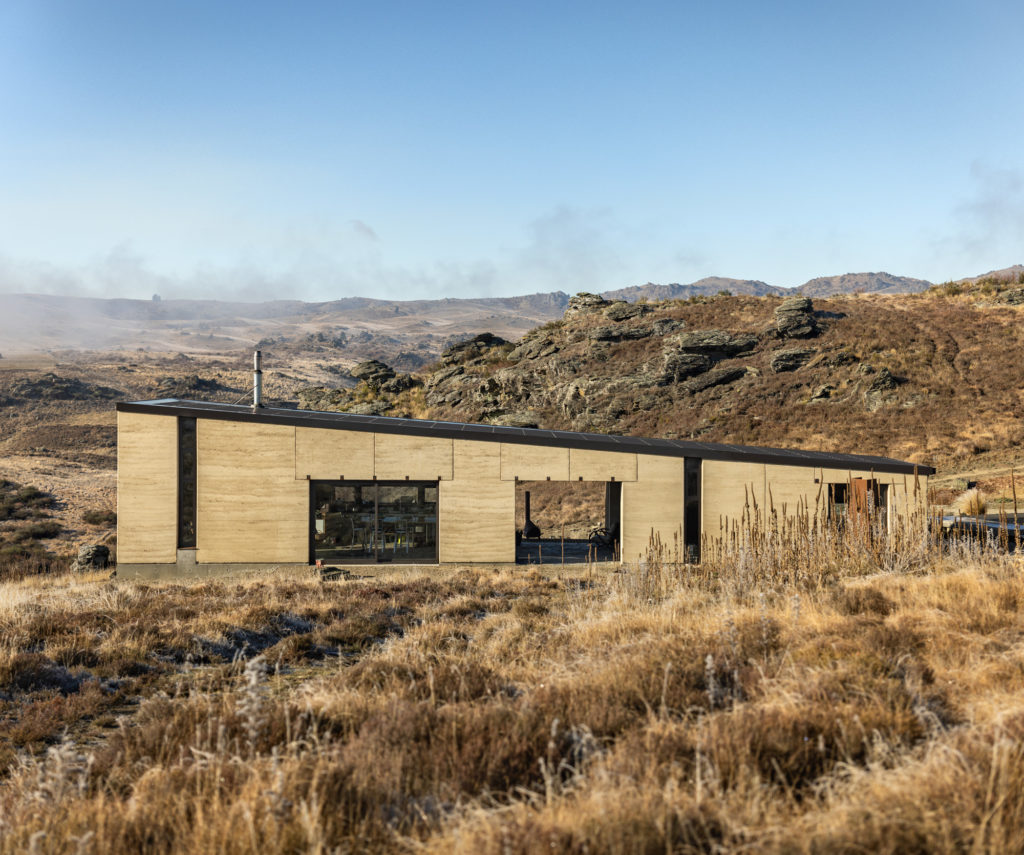
Poised above a desert-like Central Otago valley full of weather extremes, this house is part Americana, part experiment in slow architecture.
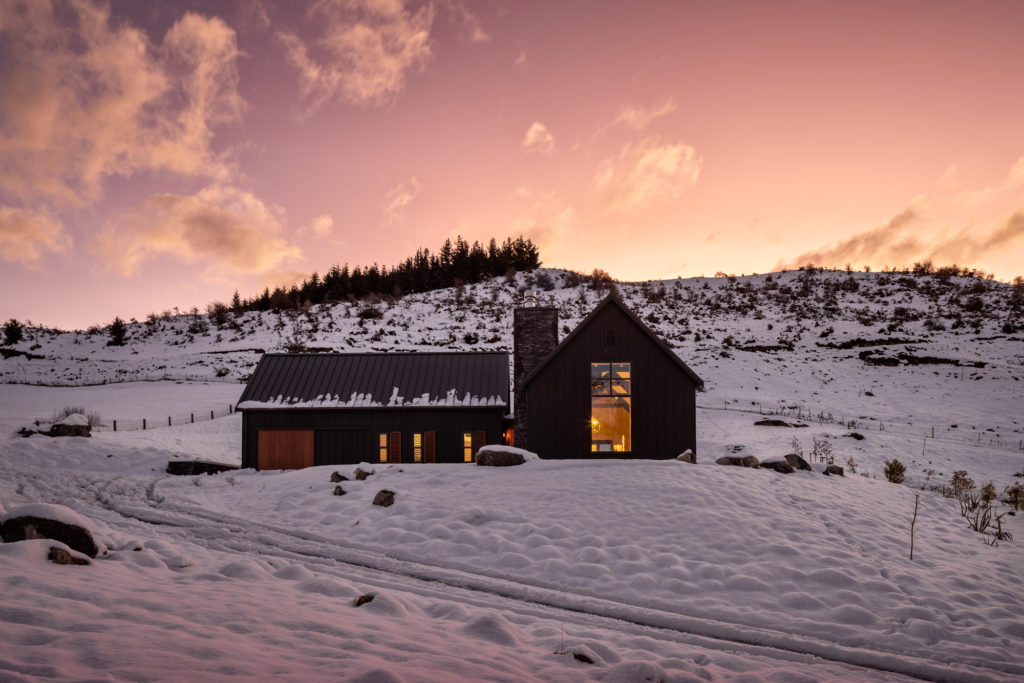
Against the backdrop of Mount Cardrona, and honouring the area’s gold-mining days, a barn-style home is devised as a journey of tactility and colour, mimicking the highly seasonal hues of this well-known rural valley.
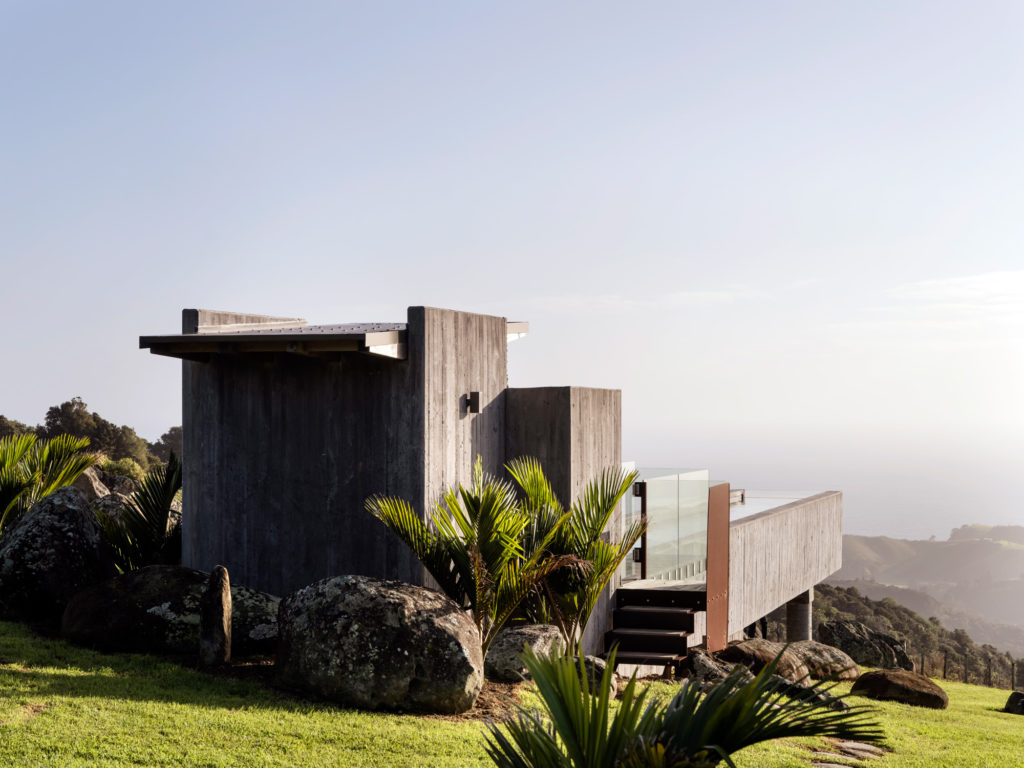
Three hundred or so metres above sea level in the far north, Geoff Fraser found the perfect patch of land for his latest house. Completely isolated and about a kilometre from the road, Geoff’s hilltop 15ha site is strewn with large volcanic boulders and surrounded by mature native bush. The air is clean, the views are immense and the solitude is all-consuming.
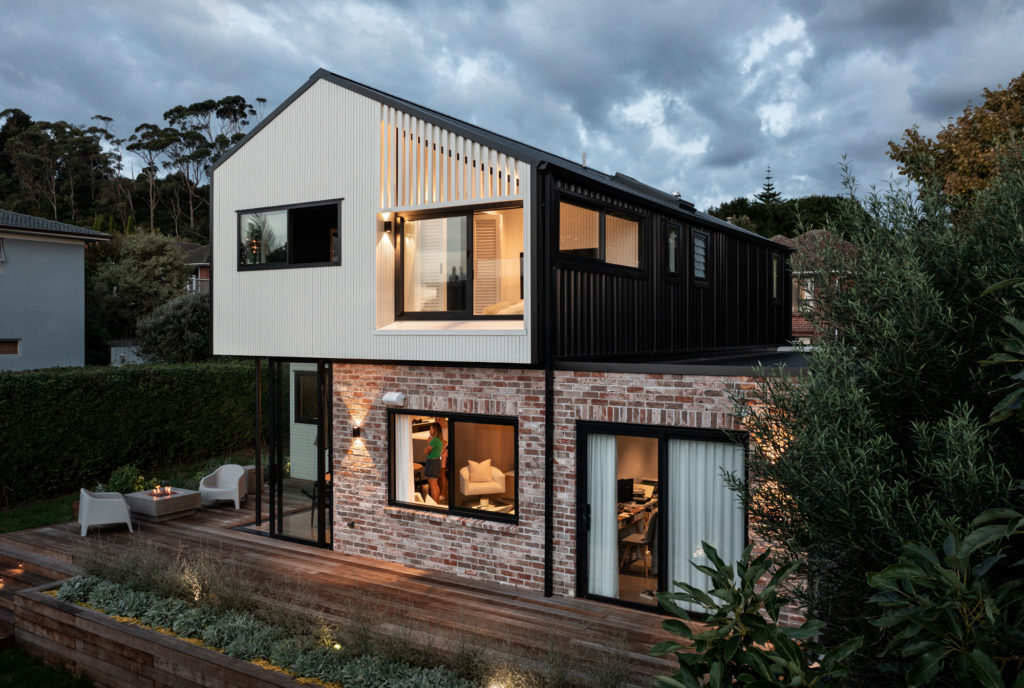
Tucked away on a rear site in suburban Mt Albert, this double dwelling brings together a collection of materials and moments to deliver a beautifully cohesive whole.
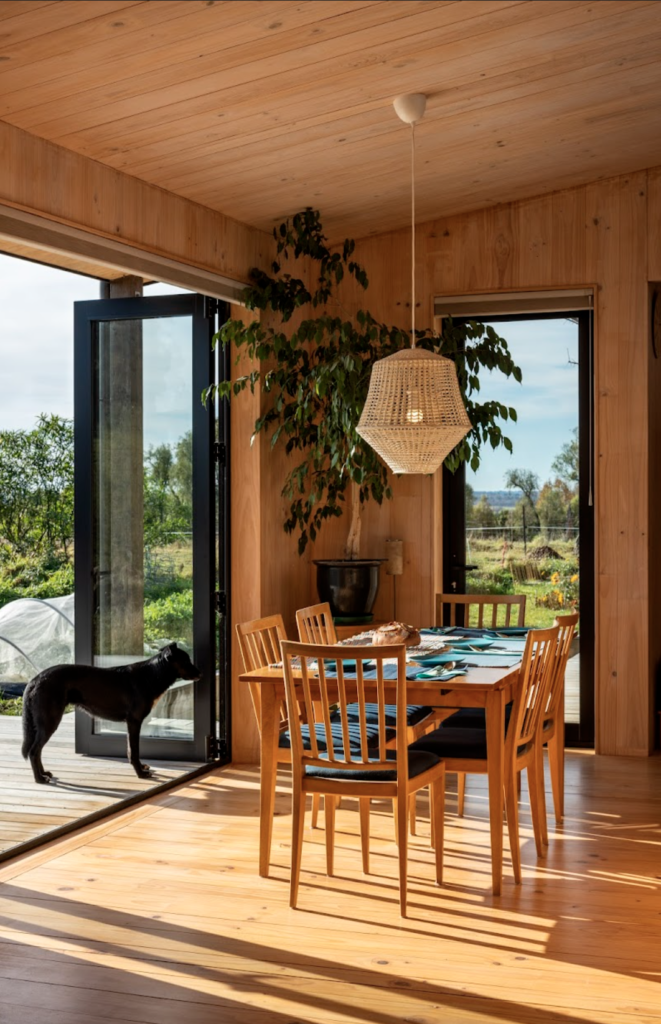
This off the grid house near Geraldine in is heated only with a wetback, despite snow covering the ground for much of winter.
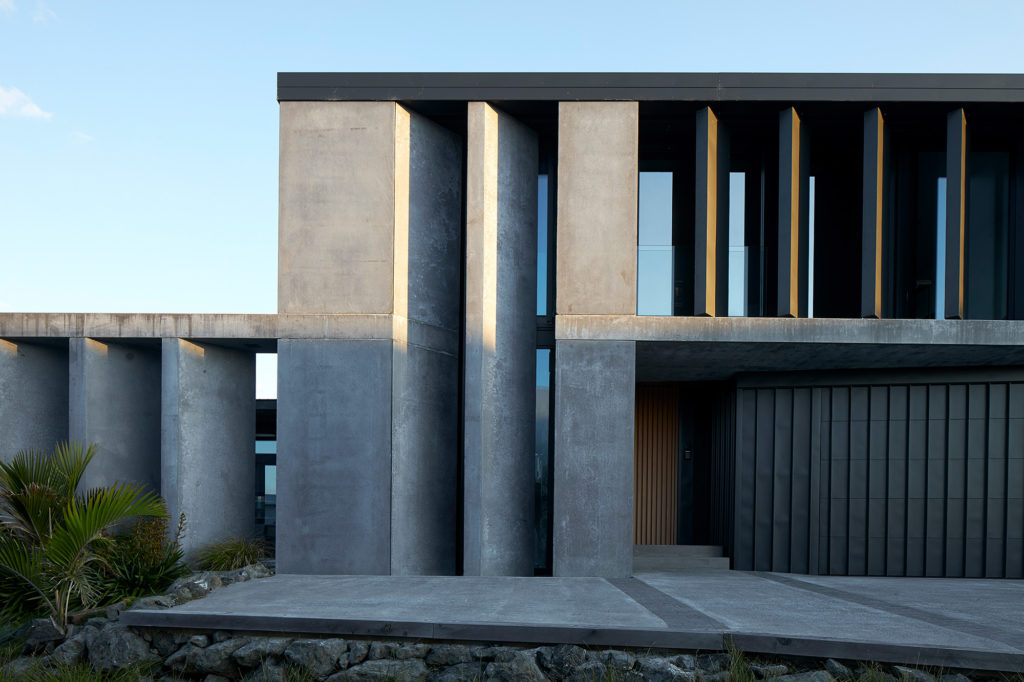
Although this home hangs at a cliff’s edge above a leafy North Shore suburb, the house is all about strength and solidity.
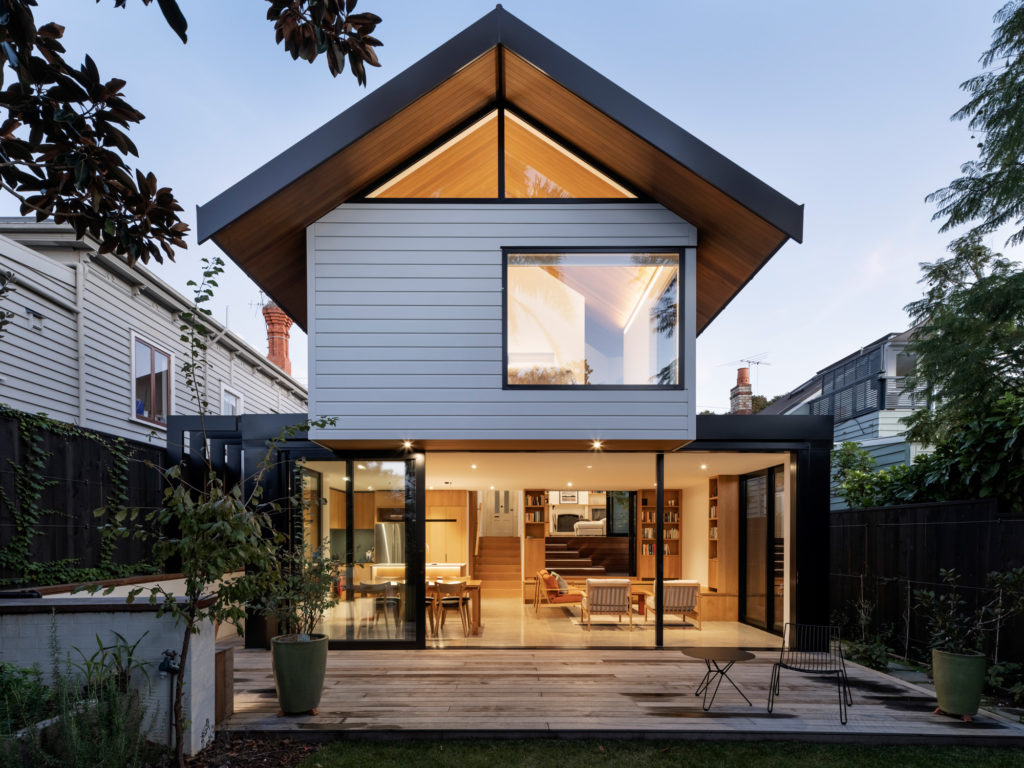
In Ponsonby, a villa is extended around a compact courtyard linking old and new, while a gabled addition floats above a grounded lower level.
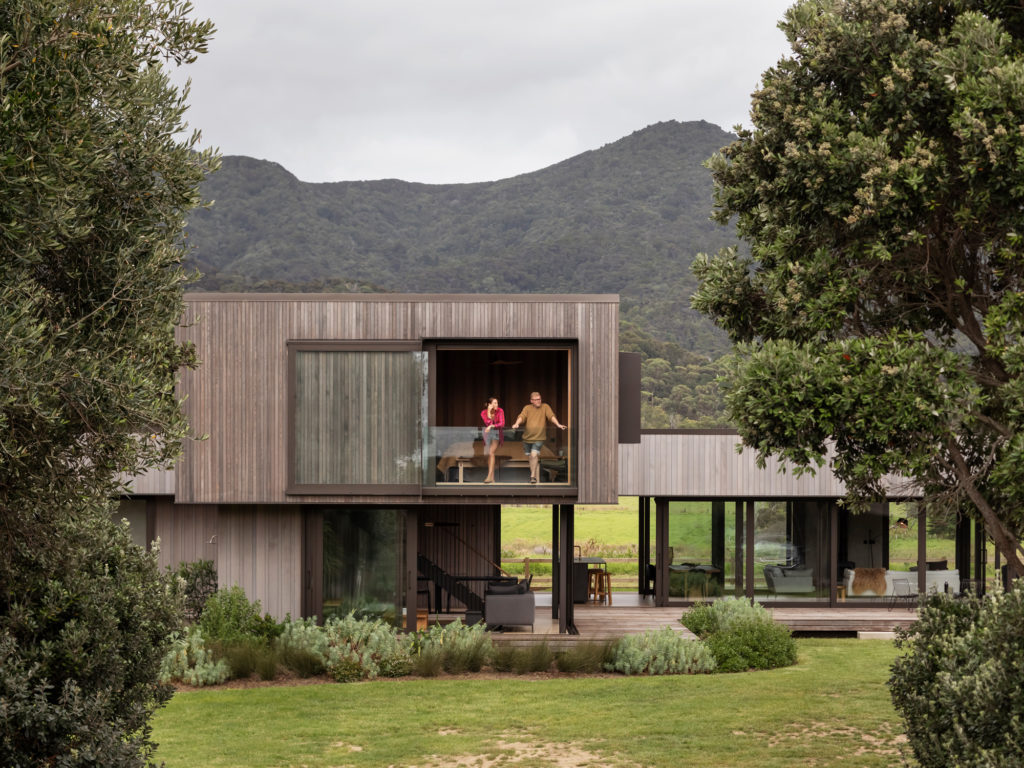
This quietly confident and inconspicuously elegant holiday home mimics the forms of Memory Rock on nearby Medlands Beach.
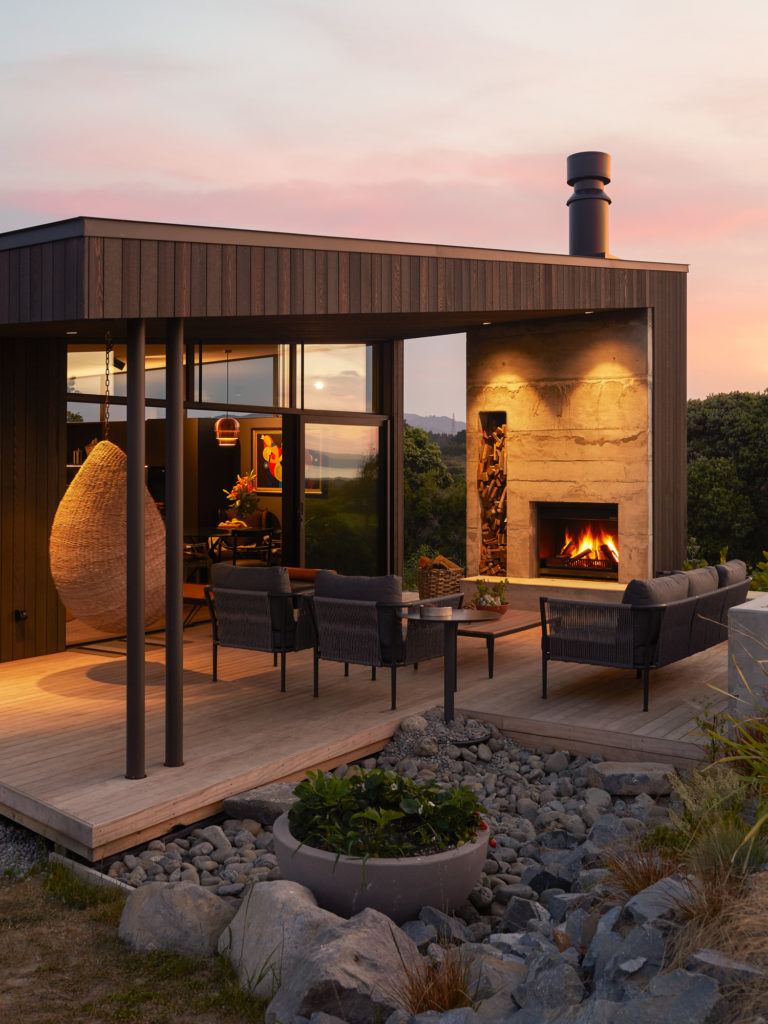
Although this Kapiti Coast home for one by Andrew Sexton Architects is compact, it delivers a multitude of connections to nature.
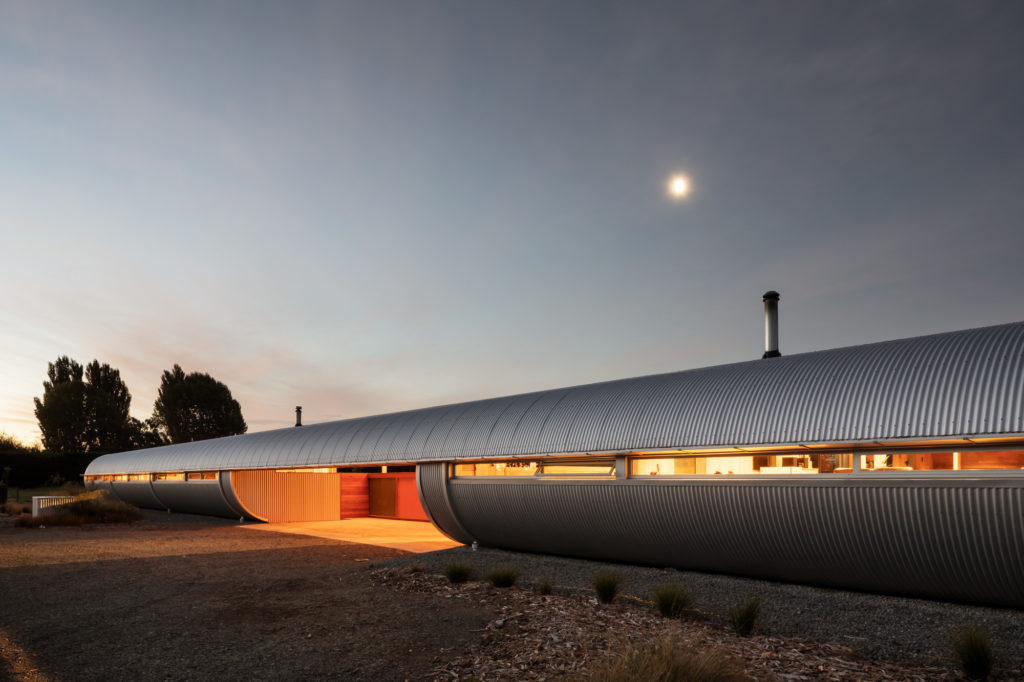
A rural Canterbury home designed by Bull O’Sullivan for multiple generations pushes boundaries while verging on the cinematic.